
Cult Cinema
The Celluloid Covenant: Decoding the Radical Deviance and Transgressive Soul of Cinema’s Early Maverick Wave
“A deep-dive editorial into the primal roots of cult cinema, exploring how the silent era's moral outcasts and genre mutants forged the blueprint for modern midnight movie devotion.”
The concept of the 'cult film' is often erroneously tethered to the 1970s, a product of the midnight movie circuit that birthed icons like Rocky Horror or El Topo. However, to truly understand the genetic rebellion of niche cinema, one must look further back into the shadows of the early 20th century. This was an era of the 'Celluloid Covenant,' a time when filmmakers operating on the fringes of the burgeoning studio system began to experiment with narrative anarchy, moral ambiguity, and stylistic deviance. These were the original misfits, the creators who dared to look at the world through a fractured lens, providing the blueprints for what would eventually become the modern cult obsession.
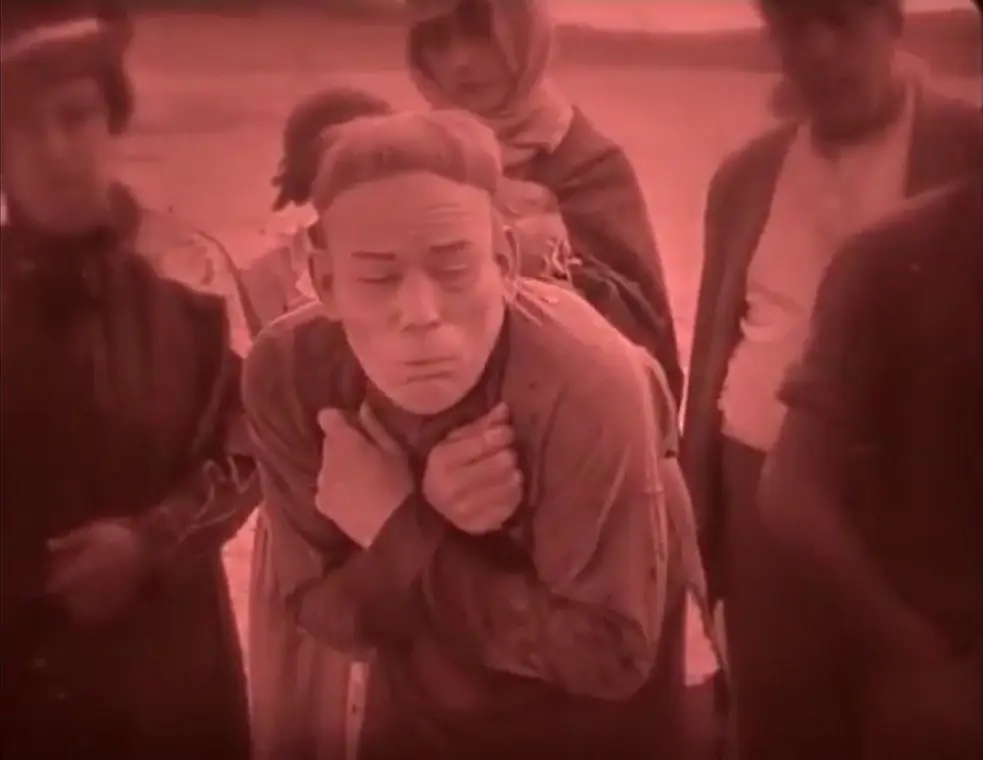
The Architecture of the Abnormal: Early Cinema’s Social Misfits
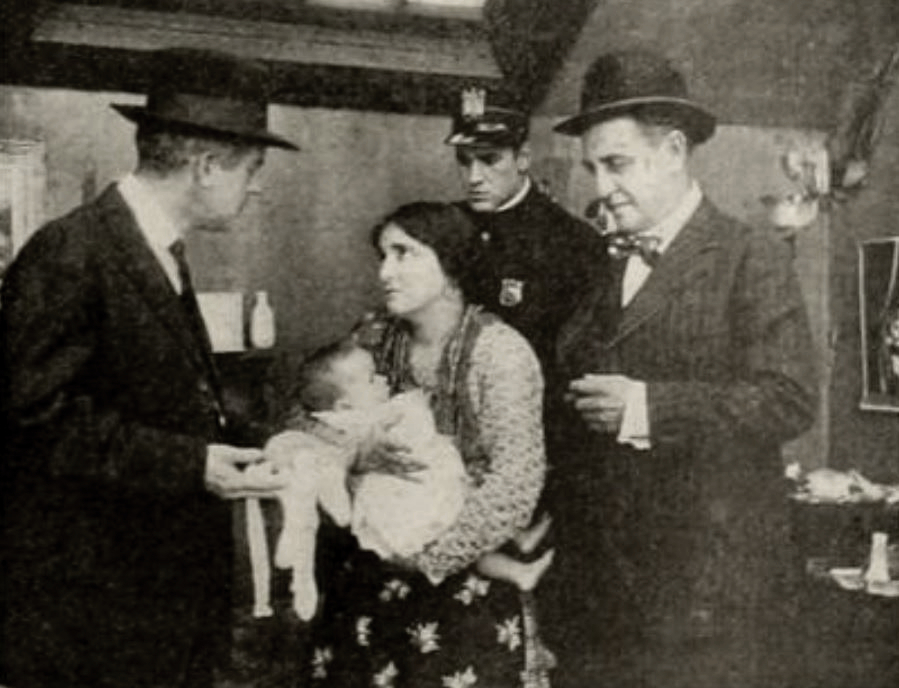
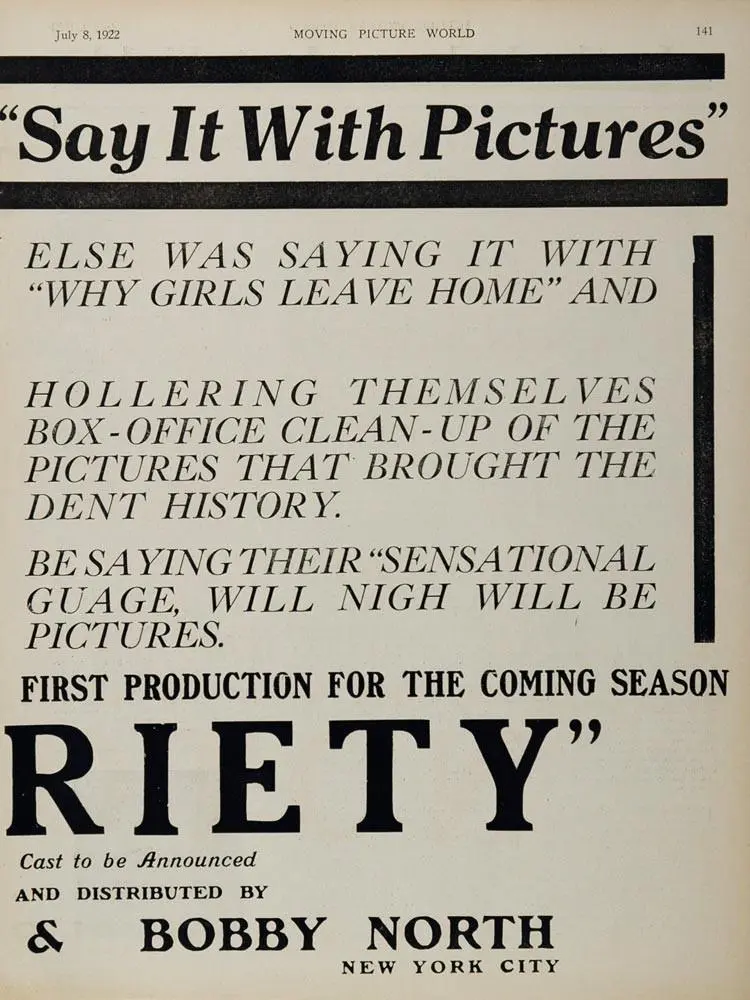
The foundation of cult devotion lies in the representation of the 'Other'—those characters and stories that exist outside the sanitized boundaries of mainstream morality. In the early 1900s, films like The Closing Net (1917) began to explore the allure of the criminal underworld. Frank Clamart, an abandoned son who finds solace among a gang of 'society crooks,' represents the primal archetype of the cult protagonist: the disenfranchised soul seeking belonging in the dark. This narrative of the social pariah was further refined in Notoriety (1922), where Pigeon Deering, a girl from the tenements, confesses to a murder she didn't commit simply because she craves the spotlight. This desperate need for visibility, even through infamy, resonates deeply with the cult ethos of celebrating the misunderstood.
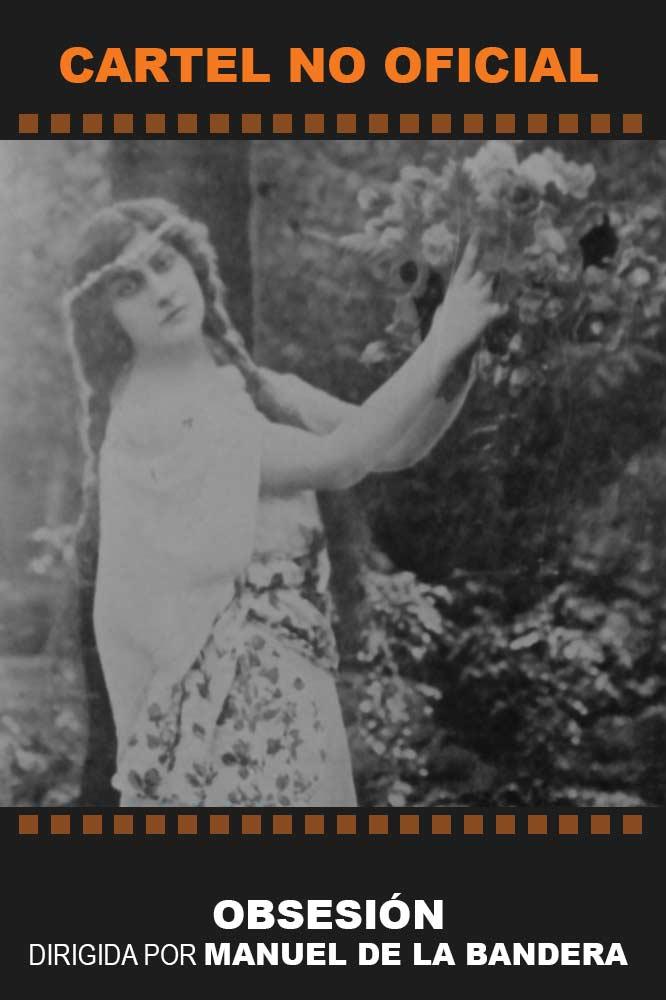
Perhaps no film from this era captures the duality of the human condition quite like Stella Maris (1918). By casting Mary Pickford in a dual role—both as a sheltered paraplegic heiress and a battered, unloved orphan—the film challenged audiences to confront the radical disparity between privilege and suffering. It is this willingness to embrace the uncomfortable and the grotesque that defines the transgressive soul of early cinema. These films didn't just tell stories; they offered a sanctuary for the disenfranchised, mirroring the complex realities of an era undergoing rapid industrial and social change.
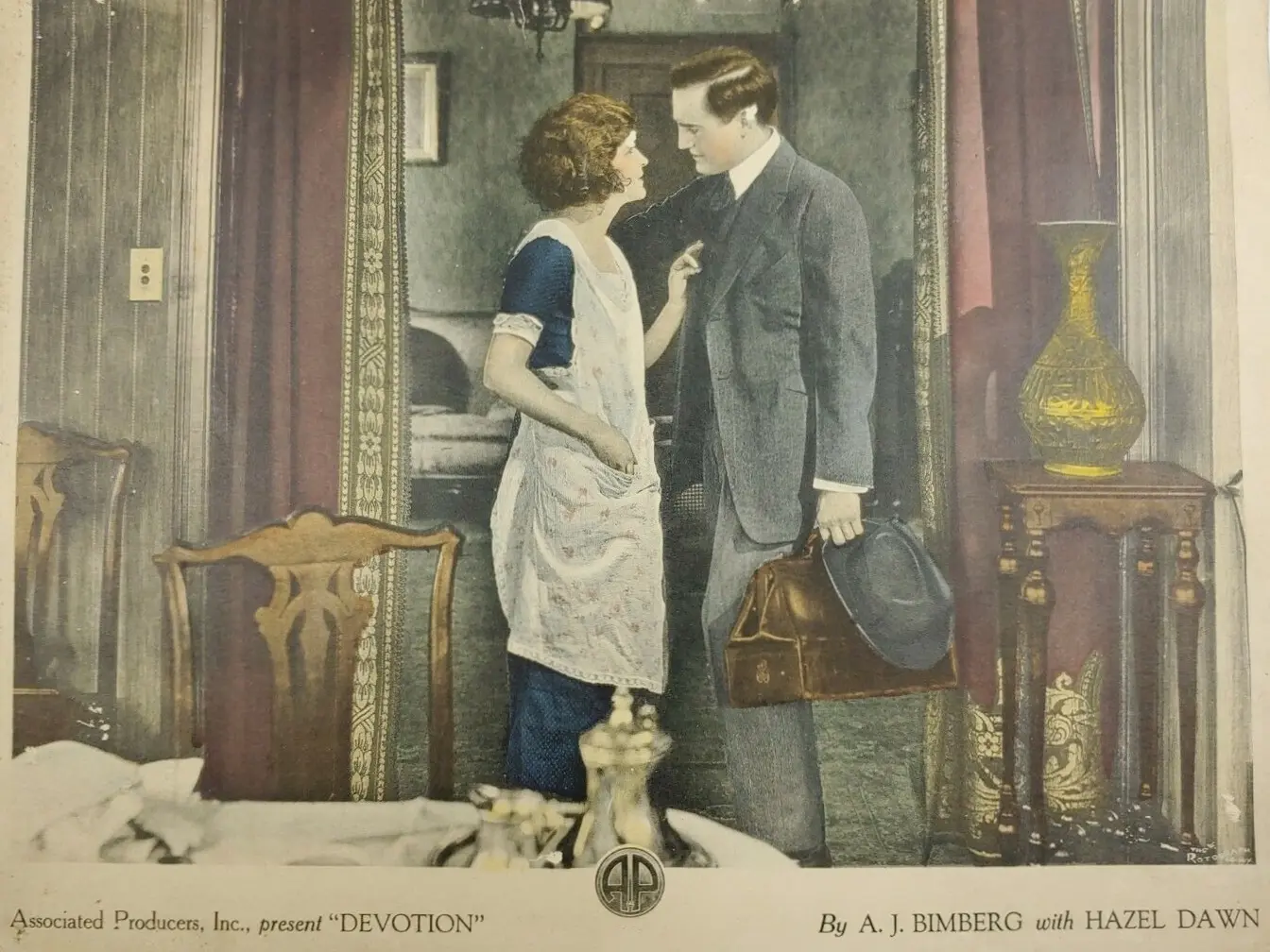
Genre Anarchy: The Birth of the Midnight Mindset
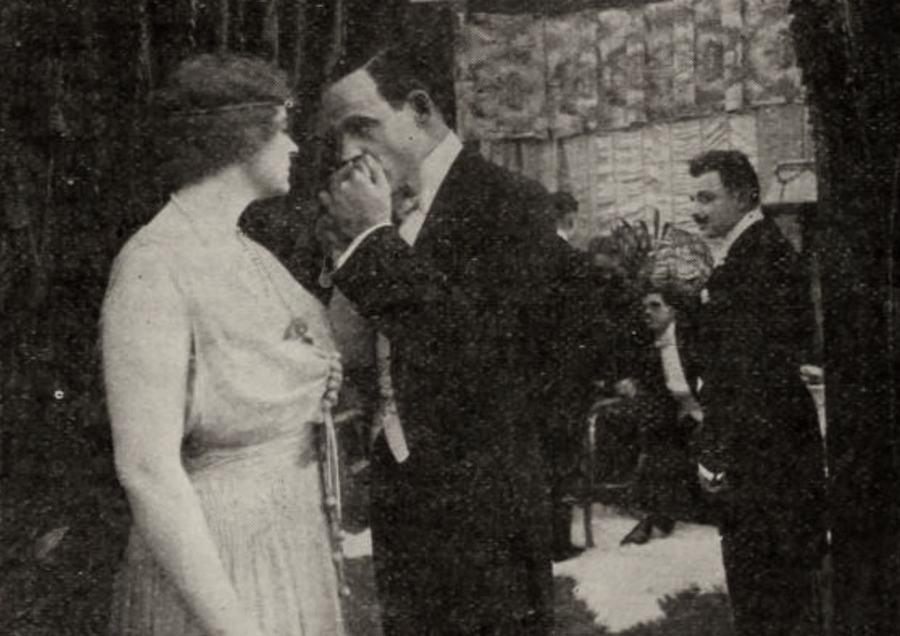
Cult cinema thrives on the mutation of genre, the blurring of lines between comedy, horror, and drama that leaves traditional audiences bewildered and niche fans enthralled. One Exciting Night (1922) stands as a seminal example of this genre-bending spirit. Mixing elements of mystery, comedy, and proto-horror, it introduced the 'old dark house' trope that would become a staple of cult horror for decades. The film’s ability to pivot from slapstick to suspense created a rhythmic dissonance that demanded a more attentive, obsessive viewer.
Subverting the Western and the Adventure Film
Even the most rigid genres were not immune to the maverick influence. Square Shooter (1920) and Treat 'Em Rough (1919) took the Western—a genre built on clear-cut heroism—and infused it with elements of suspicion and rugged individualism that pushed the boundaries of the 'Good Guy' archetype. Similarly, Bound in Morocco (1918) took the adventure film into exotic, often surreal territories, prioritizing kinetic energy and visual spectacle over linear logic. These films were the 'midnight movies' of their day, offering a visceral escape that the more prestige-oriented dramas of the time could not provide.
The Moral Outlaws: Taboo, Crime, and the Pre-Code Underground
Before the strict enforcement of the Hays Code, cinema was a wild frontier of moral experimentation. The film Cocaine (1922) is a stark reminder of this period’s willingness to tackle taboo subjects head-on. By exploring the devastating impact of the drug trade through a lens of crime and vengeance, it prefigured the 'grindhouse' aesthetic that would dominate the 1970s. This was not a film designed for polite society; it was a subversive sermon aimed at the darker corners of the human experience.
We see a similar defiance in The Edge of the Law (1917), where a young girl is trained in a 'school for crooks.' The reversal of traditional family values and the celebration of criminal ingenuity are hallmarks of the cult film’s anti-authoritarian streak. Even in the realm of romance, films like The Heart of Rachael (1918) and The Perils of Divorce (1916) dared to portray the breakdown of marriage and the complexities of female desire with a frankness that was often deemed scandalous. These narratives of 'fallen women' and 'moral mutants' provided a counter-narrative to the Victorian ideals that still lingered in early 20th-century culture.
The Visionary Avant-Garde: Science Fiction and Surrealism
Cult cinema is often defined by its 'unfilmable' ambitions—projects that push the technological and narrative limits of the medium. Der Tunnel (1915) is a masterpiece of early speculative fiction, imagining a futuristic undersea railway connecting Europe and America. Its visionary scope and the 'powerful forces' that seek to sabotage the dream reflect the perennial cult theme of the lone visionary against the machine. This film, along with the action-packed White Eagle (1922) and its search for a pool of molten gold, tapped into a sense of wonder and narrative anarchy that bypassed the intellect and spoke directly to the imagination.
The European Shadow and the Global Fringe
The cult impulse was a global phenomenon. From Italy came the kinetic energy of The Jockey of Death (1916), a film that utilized circus-style stunts and high-stakes action to create a sense of 'pure cinema' that transcended language. In Sweden, Aktiebolaget Hälsans gåva (1916) offered a satirical take on the 'miracle cure' industry, proving that the cult of the weird was as much about social critique as it was about escapism. These films, often lost or relegated to the footnotes of history, represent the phantom frequency of the silent era—a signal that only those tuned into the unconventional could hear.
The Alchemy of the Obsessive: Why We Worship the Forgotten
What is it about a film like The Little Cafe (1919) or Pollyanna (1920) that can inspire such deep devotion? In the case of the former, the double-life of a millionaire-waiter speaks to the hidden identities we all carry. In the case of the latter, the radical optimism of an orphan in a cynical town provides a template for the 'sacred weirdness' that cult fans often embrace. These films offer a form of cinematic séance, allowing us to connect with a past that feels both alien and intimately familiar.
The ritual of cult viewing is, at its heart, a search for authenticity in the artificial. Whether it is the animated propaganda of Communism (1920) or the bizarre adventure of Eine weisse unter Kannibalen (1921), these films represent a time when the rules of cinema were still being written—and frequently broken. They are the 'accidental masterpieces' that survived the nitrate fires and the apathy of the mainstream, preserved by a small but dedicated 'Celluloid Covenant' of historians, collectors, and misfits.
Conclusion: The Eternal Flame of the Maverick Spirit
The legacy of early cult cinema is not found in the box office records of the 1920s, but in the rebellious spirit of every filmmaker who has ever dared to challenge the status quo. From the proto-feminist defiance of Tempest Cody Turns the Tables (1919) to the atmospheric mystery of Il mistero dei Montfleury (1918), the early century was a laboratory for the unconventional. These films taught us that cinema is at its most powerful when it is at its most dangerous, its most confusing, and its most human.
As we continue to unearth these archaic relics, we find that the line between the silent era and the modern midnight movie is shorter than we think. The same impulses that drove audiences to seek out the transgressive rhythms of Protea II (1914) or the dark melodrama of The Ghost Flower (1918) are the ones that drive us today. We are all part of the same long-form narrative of rebellion, a collective of souls who prefer the shadows of the fringe to the glare of the marquee. The Celluloid Covenant remains unbroken, a testament to the enduring power of the maverick vision and the radical soul of the cinema.
Community
Comments
Log in to comment.
Loading comments…