
Cult Cinema
The Celluloid Deviant’s Handbook: How the 1910s Silent Underground Prefigured Modern Cult Obsession
“Discover the primal roots of midnight movie culture within the transgressive, bizarre, and genre-defying silent relics of the 1910s.”
To the uninitiated, cult cinema is a phenomenon birthed in the neon-soaked grindhouses of the 1970s or the midnight screenings of the 1980s. We think of costumed fans at The Rocky Horror Picture Show or the ironic adoration of The Room. However, the DNA of the cinematic deviant—the viewer who seeks the fringe, the forbidden, and the formally bizarre—was actually sequenced much earlier. To truly understand the maverick spirit of cult obsession, we must look back to the 1910s and early 1920s, an era of nitrate and shadows where the boundaries of the medium were still being drafted in blood and light.
The Primitive Transgression: Why the 1910s Matter
The silent era was not merely a time of slapstick and melodrama; it was a wild frontier of moral anarchy and visual experimentation. Films like Satan's Private Door (1917) provided a blueprint for the domestic subversion that would later define cult classics. In this film, a household is divided by inebriety and social neglect, presenting a grim, almost nihilistic view of the family unit that felt dangerously out of step with the era’s commercial optimism. This is the first hallmark of a cult film: the refusal to play by the rules of polite society.
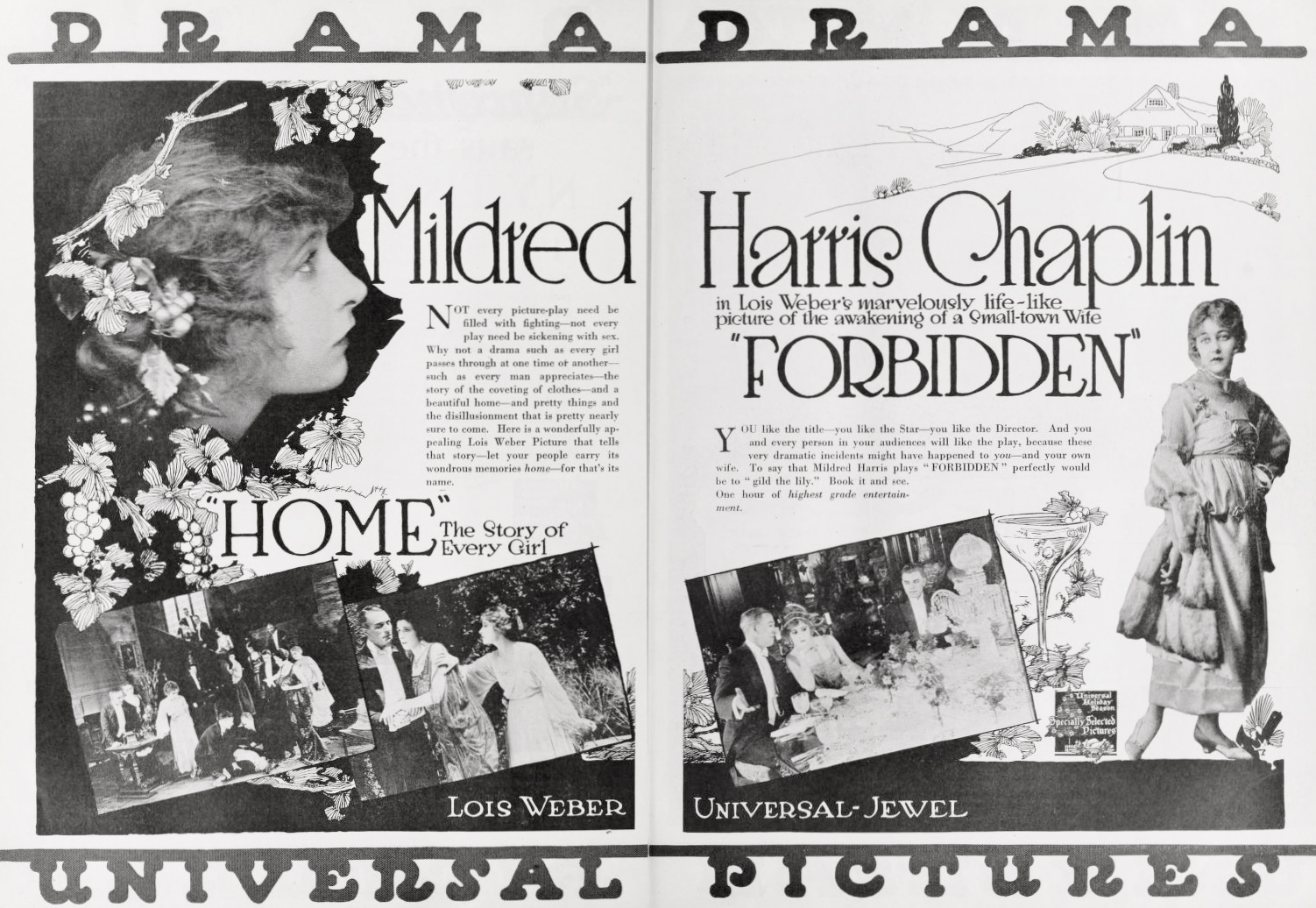
Cult cinema thrives on the "othered" experience. Consider The Price Woman Pays (1919), which explored the dangerous allure of "wicked boys" and the deception of young girls. While framed as a cautionary tale, these films often functioned as the exploitation cinema of their day, drawing audiences with the very vices they claimed to condemn. This duality—the tension between the moralizing text and the transgressive subtext—is where the cult gaze first began to focus.
The Avant-Garde Spark: Abstracting the Soul
Formal experimentation is another pillar of the cult experience. When we look at Lichtspiel Opus 1 (1921), we see the birth of the cinematic abstract. Against a dark background, bright, curved shapes pulse toward the center of the screen. It is a film that demands a different kind of viewing—a hypnotic, almost ritualistic engagement. This isn't narrative cinema; it is an experience of pure light. This lineage leads directly to the psychedelic midnight movies of the late 60s, proving that the cult movie soul has always been obsessed with the sensory over the story.
Similarly, the Russian adaptation of Ruslan i Lyudmila (1915) brought a silent, eerie folk-horror aesthetic to the screen long before the term existed. These films weren't just entertainment; they were visual incantations. They appealed to the niche, the intellectual, and the dreamer—the exact demographic that today sustains the legacy of the underground.
The Misfit and the Maverick: Characters on the Edge
Cult cinema is nothing without its icons—the strange, the misunderstood, and the fiercely independent. In The Biggest Show on Earth (1918), we are introduced to Roxie Kemp, a lion tamer sent to an upper-crust boarding school. The clash between her wild, circus roots and the rigid expectations of high society is a proto-typical cult narrative. It celebrates the outsider who refuses to be tamed, a theme that resonates through every cult hero from Mad Max to John Waters' Divine.
The 1910s were also obsessed with the fluidity of identity. The Merry Jail (1917) features a wife who disguises herself to lure her husband into a compromising position, while The Misleading Lady (1916) plays with the artifice of performance and desire. These films explored the masks we wear, predating the camp sensibility that would become a cornerstone of cult devotion. When we watch Zaza (1915) or A Japanese Nightingale (1918), we see characters navigating worlds of performance, geisha culture, and music hall stardom—spaces where identity is a tool of survival and subversion.
The Forbidden and the Forgotten
Many films that we now consider the "roots" of cult cinema were once lost or marginalized. Corruption (1917) took a harrowing look at abortion and parental neglect, themes so radioactive that they were often suppressed by early censors. To the cult film historian, these forbidden reels are the holy grail. They represent a version of history that the mainstream tried to erase. The same can be said for The Family Closet (1921), a mystery involving libel and hidden identities that challenged the stability of the social elite.
Even the seemingly lighthearted fare of the era carried a subversive edge. The Floor Below (1919) depicts henpecked husbands rebelling against their wives, a comedic take on gender wars that, in its own way, poked at the foundations of the early 20th-century home. These films were the anomalies of their time—the strange artifacts that didn't quite fit the mold of the emerging Hollywood studio system.
Global Oddities: The International Cult Gaze
The cult impulse was never restricted to the West. Vichitra Gutika (1920) offers a glimpse into the early Indian cinematic landscape, where fate and chaotic events disrupt the lives of simple lovers. The cross-cultural resonance of these stories shows that the desire for the "extraordinary" is a universal human trait. Whether it’s the Spanish revolutionaries in Rogues and Romance (1920) or the Farce of Priklyuchenie Liny v Sochi (1916), the 1910s were a period of intense global exchange where the weird and the wonderful were the primary currency.
In Italy, Assisi, Italy (1912) provided a panoramic, almost spectral view of ancient towns and prisons, while in Belgium, Âme belge (1915) captured the harrowing spirit of a nation under fire. These films, though different in tone, all share a sense of place as character—a haunting quality that defines the "vibe" of many modern cult favorites.
The Sport of Obsession: Niche Fandoms
Cult cinema is often defined by the intensity of its fans. This niche devotion can be seen in the early popularity of "sporting" films like Kissing Cup's Race (1920). While mainstream audiences might see a simple story about a horse race, the dedicated followers of the genre found a world of technical detail and high-stakes drama that they could obsess over. This is the same impulse that drives fans of The Fast and the Furious or obscure martial arts films today.
The 1910s also gave us the pulp detective and the masked adventurer. Philo Gubb: The Correspondence School Detackative (1918) and The Lion Man (1919) prefigure the serials and B-movies that would later become the bedrock of cult television and film. These characters—reporters, detectives, and lion-masked mysteries—provided a sense of escapism that was both gritty and fantastical.
Conclusion: The Eternal Return of the Weird
Why do we still look back at films like The Sacred Flame (1920) or The Coquette (1917)? It is because they represent the primal scream of a medium finding its voice. They are the experiments that didn't always work, the stories that were too strange for the masses, and the visions that were too dark for the morning light. They are the midnight mavericks of the silent era.
When we watch Tongues of Flame (1918), with its jealous dance-hall girls and recluses living in hollowed-out redwoods, we aren't just watching a movie; we are witnessing the birth of an aesthetic of the strange. We are seeing the first flickers of the fire that would eventually light up the midnight screens of the future. The cult cinema legacy is not a recent invention; it is a century-old conversation between the outcasts of the screen and the outcasts of the audience. From the nitrate fringe of 1915 to the digital underground of today, the message remains the same: the most interesting things happen in the dark, away from the spotlight, where the misfits and the rebels hold court.
As we continue to unearth these forgotten gems—from Training for Husbands to The Kiss (1921)—we realize that the modern cult gaze is simply a continuation of a much older ritual. We are all still sitting in that darkened theater, waiting for the shapes of Lichtspiel Opus 1 to pulse against our retinas, reminding us that cinema, at its heart, is a subversive act of magic.
Community
Comments
Log in to comment.
Loading comments…