
Cult Cinema Deep Dive
The Celluloid Deviant’s Grimoire: Decoding the Primal Rebellion and Subversive Soul of Early Cinema’s Genre Outcasts

“Explore the hidden foundations of cult cinema through the lens of early 20th-century genre outliers, from pulp serials to transgressive social dramas that defined the rebel spirit of film.”
Cult cinema is often discussed as a phenomenon of the late 20th century—a byproduct of midnight screenings, the VHS revolution, and the rise of the counterculture. However, the genetic blueprint of the cult movie was drafted long before the 1970s. It was forged in the flickering shadows of the silent era, within the frames of films that dared to be weird, transgressive, or unapologetically niche. To understand the modern obsession with the 'outcast' film, we must look back at the early century’s genre mutants, the stories that refused to conform to the burgeoning Hollywood standards, and the cinematic rebels who prioritized visceral impact over mainstream acceptance.
The Pulp Blueprint: Charismatic Villainy and Serial Obsession
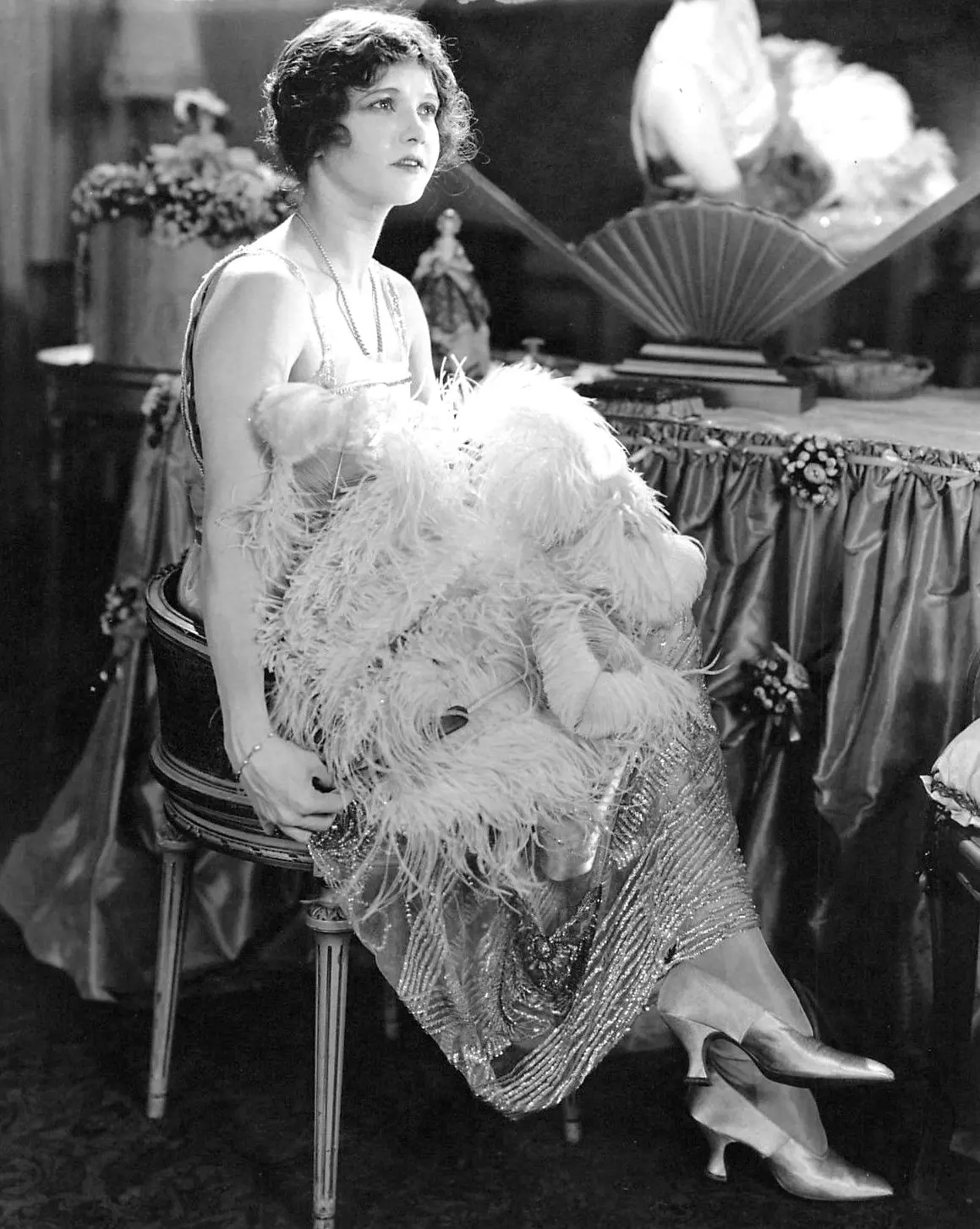
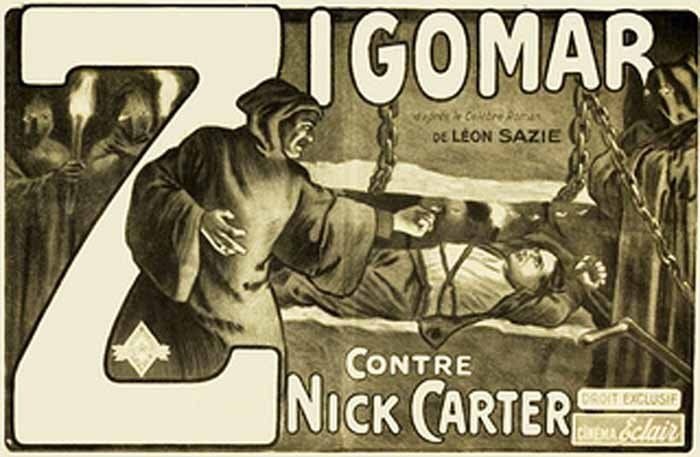
The roots of cult devotion frequently lie in the allure of the antagonist. Long before the modern anti-hero, the silent era gave us icons of criminal brilliance. Consider the impact of Zigomar contre Nick Carter. This wasn't just a detective story; it was a collision of pulp archetypes. Zigomar represented a brand of charismatic villainy that captivated audiences, forcing them to find a strange kinship with the underworld. This serial format, where characters like Nick Carter escaped 'thorny situations' repeatedly, built a repetitive, ritualistic viewing experience—a core tenet of what we now define as cult fandom.

This fascination with the darker side of the law continued in works like The Last of the Mafia, where the famous detective Guila Ferrati trails criminals through the gritty streets of New York. These films didn't just provide entertainment; they provided a map of the urban 'other.' They explored the shadows of the city, much like the noir-inflected cult films of the 1940s and 50s would later do. The cult appeal here is the immersion into a world of secrecy and danger, a 'forbidden' knowledge that the mainstream audience might shy away from, but the niche devotee craves.

Subverting the Social Contract: The Cinema of Disillusionment
Cult cinema has always been a sanctuary for those who feel at odds with societal norms. In the early 1910s and 20s, several films tackled the fragility of the social contract with surprising cynicism. The Hater of Men is a prime example. Janice Salsbury’s disillusionment with the institution of marriage, spurred by her work as a reporter covering a sensational divorce, feels remarkably modern. It challenges the 'happily ever after' narrative that was becoming the standard for commercial cinema. When a film rejects the status quo, it naturally attracts a 'cult' of viewers who share that skepticism.

Similarly, Satan's Private Door offers a scathing look at the moral decay of the wealthy. The image of a house 'divided against itself,' with an inebriate son and a social butterfly daughter, serves as a proto-exploitation critique of high society. These films were 'midnight movies' in spirit, exposing the rot beneath the polished surface of the American dream. They functioned as a form of social catharsis, allowing audiences to witness the collapse of the very structures that constrained them.
The Birth of Niche Identity: Race Films and International Echoes
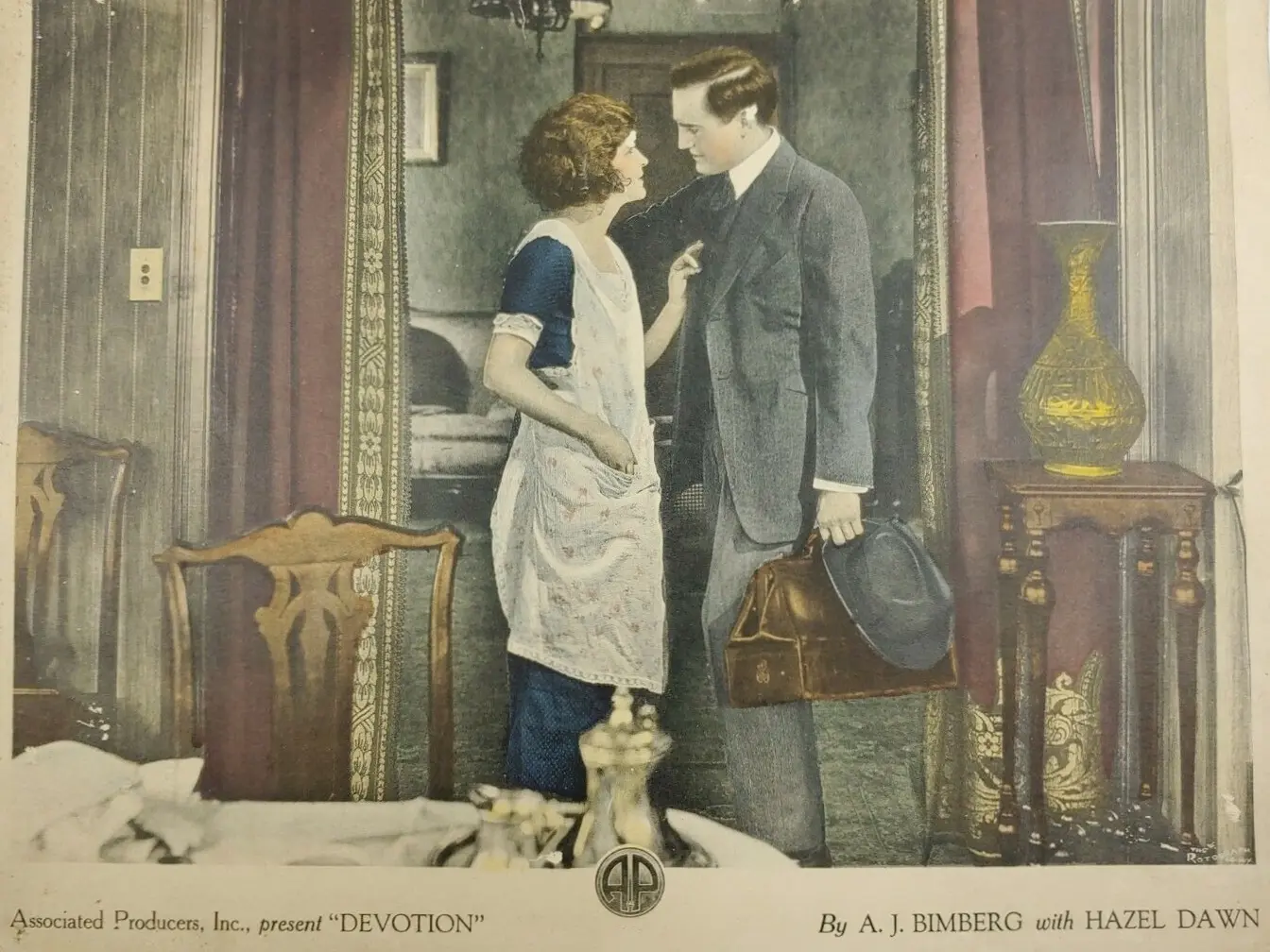
One of the most significant yet overlooked chapters in cult history is the rise of films made specifically for disenfranchised audiences. The Green-Eyed Monster (1919), produced by the Norman Film Manufacturing Company, is a cornerstone of this movement. As an all-Black melodrama, it bypassed the segregated mainstream to speak directly to a specific community. Cult cinema is defined by its 'otherness,' and these early 'race films' were the ultimate outsiders, creating their own stars, their own tropes, and their own devoted following away from the judgmental gaze of the white establishment.
The global nature of early cult cinema cannot be understated. While Hollywood was codifying its language, films like Shakuntala were bringing Indian mythological drama to the screen, blending romance and destiny in a way that felt exotic and profound to international eyes. The cult of the 'foreign film' began here—the search for a cinematic language that felt more ancient, more spiritual, or more daring than what was available locally. Whether it was the Brazilian soul of Alma Sertaneja or the German domestic drama of Fräulein Mutter, these films proved that the cinematic heart beat differently in every corner of the globe, providing a treasure trove for the future 'film snob' or cultist to discover.
Exploitation and the Allure of the Real
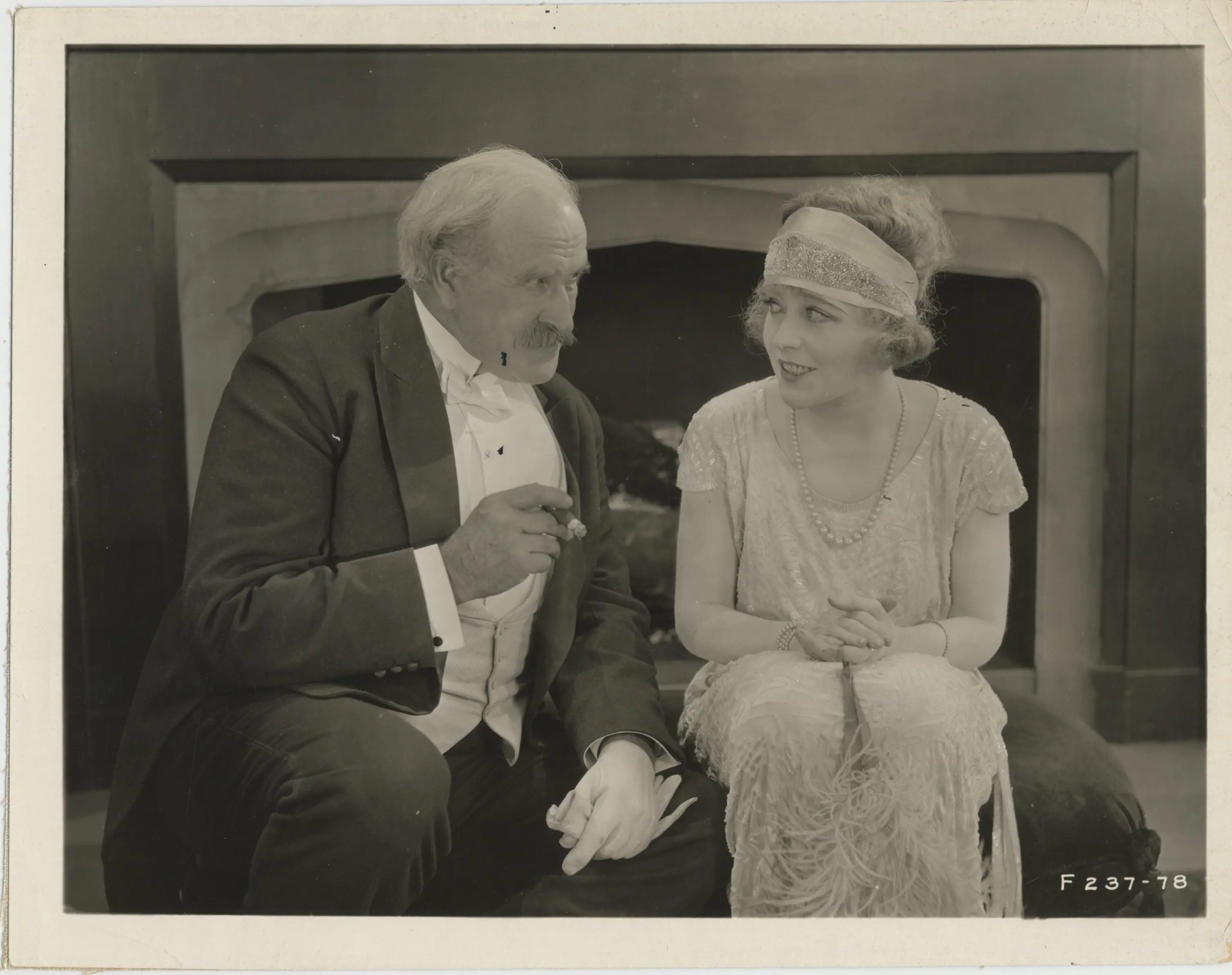
Cult cinema often thrives on its connection to real-world trauma or sensationalism. Angel of His Dreams is a fascinating case study. Released shortly after the sinking of the Titanic, it utilized a recent, massive tragedy to fuel its dramatic engine. This is the 'exploitation' impulse in its infancy—the desire to turn the headlines of the day into the spectacle of the night. It’s a tradition that leads directly to the 'shockumentaries' and 'rip-off' cinema that would populate the grindhouses decades later.
This hunger for sensation extended to the mystery genre as well. The Thirteenth Chair, with its themes of suicide, blackmail, and séances, tapped into the post-WWI obsession with spiritualism. It offered a 'spooky' experience that transcended simple storytelling, aiming for a psychological effect on the viewer. The 'cult' here is the audience that wants to be scared, challenged, or pushed into the realm of the paranormal, a lineage that continues through the horror and thriller genres today.
Gender, Autonomy, and the Maverick Heroine
Long before the 'final girl' or the 'femme fatale' became cult staples, early cinema was experimenting with female agency in ways that defied the era's patriarchal constraints. In A Daughter of the Wolf, we see a young woman navigating the dangerous world of fur smuggling, proving her mettle in a male-dominated landscape. Similarly, The Girl of the Rancho features a heroine leading a posse to rescue her sister from a kidnapper. These are not damsels in distress; they are the architects of their own survival.
This thread of rebellion is also evident in Find the Woman (1922), where Clancy Deane leaves her rural home to confront the predatory world of New York theater and blackmailers. These narratives resonate with cult audiences because they represent the struggle of the individual against a corrupt or overwhelming system. The 'cult heroine' is often defined by her resilience and her refusal to play by the rules, a trait that was already being celebrated in these early silent gems.
Slapstick Subversion: The Anarchy of the Mundane
Not all cult cinema is dark or dramatic. There is a strong tradition of 'absurdist' cult comedy that finds its roots in the chaotic slapstick of the 1910s. The Nervy Dentist, with its plot involving banana skins used to 'create' patients, is a masterclass in low-stakes anarchy. This type of humor—senseless, physical, and slightly cruel—prefigures the 'weird for the sake of weird' comedy that would later define films like The Rocky Horror Picture Show or the works of John Waters.
Even in short comedies like Sea Shore Shapes, where a dog plays a pivotal role in rescuing a child from a kidnapper, we see the beginnings of the 'animal as hero' trope that has its own niche cult following. These films didn't need high art to survive; they needed a single, memorable, often ridiculous hook that would stick in the audience's mind long after the nickelodeon lights went down.
The Legacy of the Forgotten: Why Early Outliers Matter
The films mentioned here—from the high-stakes financial drama of Wolves of the Street to the gritty redemption arc of The Bridge of Sighs—represent a lost continent of cinematic history. They are the 'forgotten' films, but their influence is everywhere. Every time a modern director chooses a non-linear narrative, a morally ambiguous protagonist, or a hyper-stylized aesthetic, they are echoing the experiments of the silent era.
The 'cult' is not just a group of people watching a movie; it is a relationship between a viewer and a vision that feels personal, secret, and rebellious. When we watch The Man from Montana or Then I'll Come Back to You, we are witnessing the birth of the 'outsider' narrative—the story of the man or woman who doesn't fit, who fights for their place, and who eventually becomes an icon for those who feel the same way. This is the true heart of cult cinema: the celebration of the anomaly.
As we continue to dig through the archives, unearthing titles like The Unknown Quantity or The Adventurer, we realize that the 'midnight movie' was always there, waiting in the cans of nitrate film. The transgressive spirit, the niche appeal, and the fervent devotion of the fan were not invented in the 1970s; they were the very foundation upon which the church of cinema was built. By woshipping at the altar of these early misfits, we honor the primal flicker that still ignites the passions of cinephiles today.
Conclusion: The Eternal Flame of the Maverick
Ultimately, the study of early cult cinema is a study of human obsession. Whether it's the technical fascination found in The Staff of Life or the historical curiosity of The Eternal Flame, we are drawn to these films because they offer a window into a world that is both familiar and utterly alien. They remind us that cinema is at its best when it is most daring, most specific, and most willing to fail in the pursuit of something unique. The cult movie is the ultimate testament to the power of the image to transcend time, language, and the marquee's glare, proving that the shadows of the past still have the power to cast a spell over the audiences of the future.
Community
Comments
Log in to comment.
Loading comments…