
Cult Cinema
The Celluloid Heretics: How the Silent Era's Forgotten Outcasts Invented the Cult Movie DNA
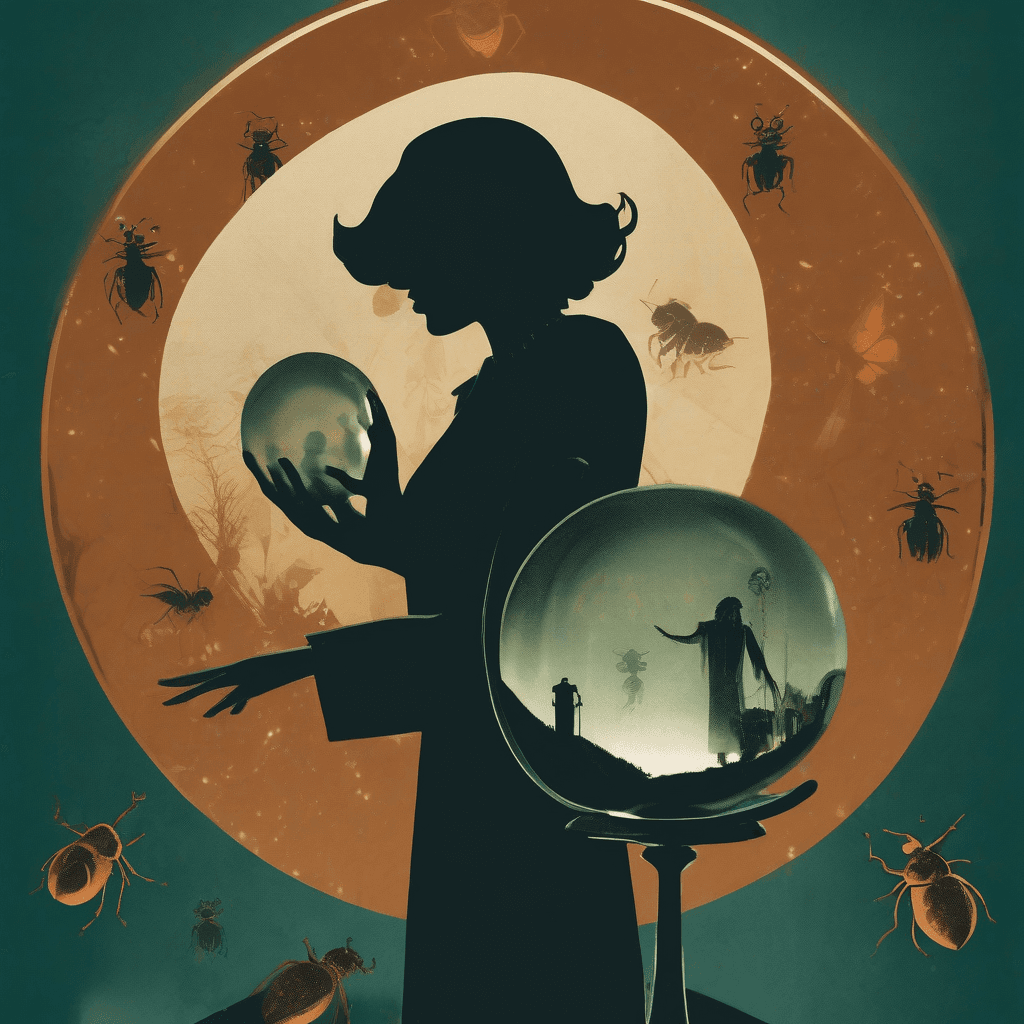
“A deep dive into the primal origins of cult cinema, tracing the lineage of transgressive storytelling and midnight-movie energy back to the radical experiments of the silent era.”
When we speak of cult cinema, the mind often drifts to the neon-soaked midnight screenings of the 1970s or the transgressive VHS tapes of the 1980s. However, the true architecture of the abnormal was drafted much earlier. Long before the term "cult classic" was coined, a wave of silent-era mavericks was already engineering the transgressive DNA that would define cinematic subversion for a century. From the kabbalistic shadows of The Golem to the gender-bending satire of Her First Flame, the early 20th century was a laboratory for the weird, the wired, and the wonderfully wicked.
The Genesis of the Supernatural Outcast
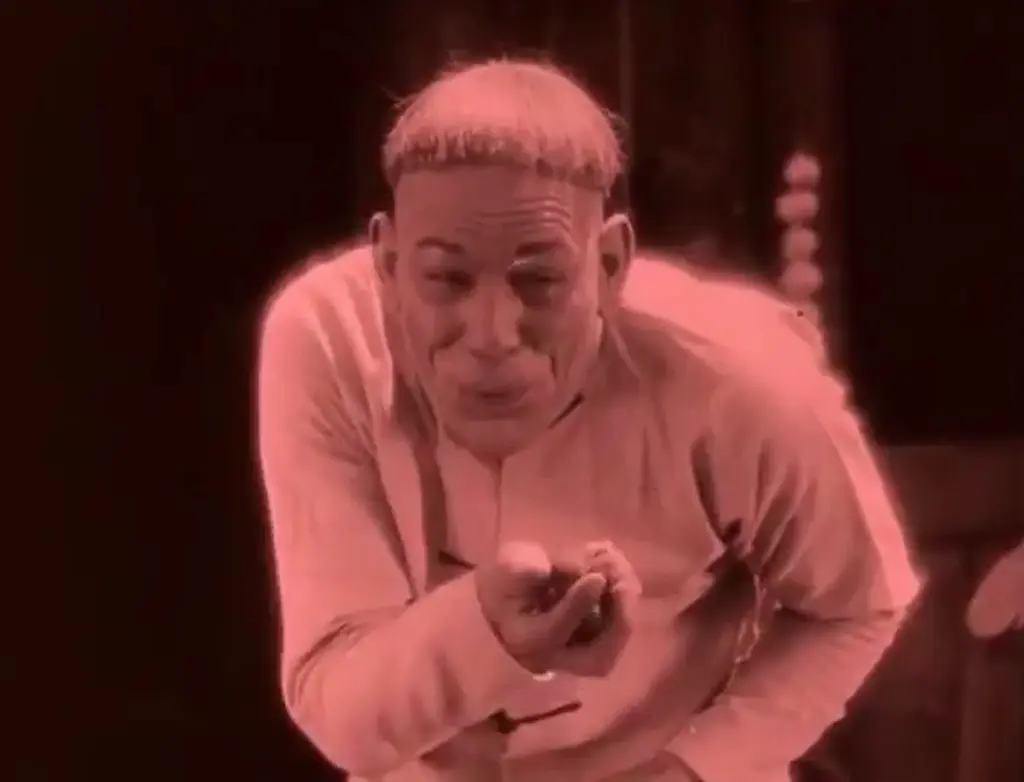
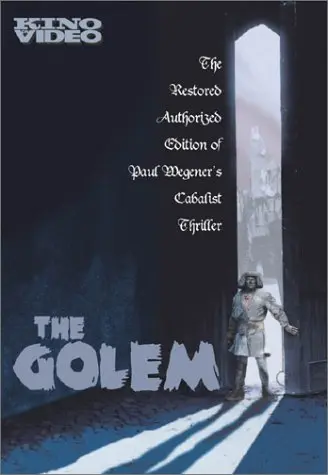
At the heart of any cult obsession is the figure of the other—the misunderstood entity that exists on the fringes of polite society. In the 1910s, this was epitomized by The Golem. This lost masterpiece of the silent era, featuring an antiques dealer who resurrects a clay giant from the 16th century, serves as a foundational text for the creature feature. The Golem is not merely a monster; he is a protector, a servant, and eventually, a tragic figure of narrative anarchy. This duality—the monster as a mirror to our own social failings—is a recurring theme in cult cinema, echoing through the decades into the hearts of modern misfits.
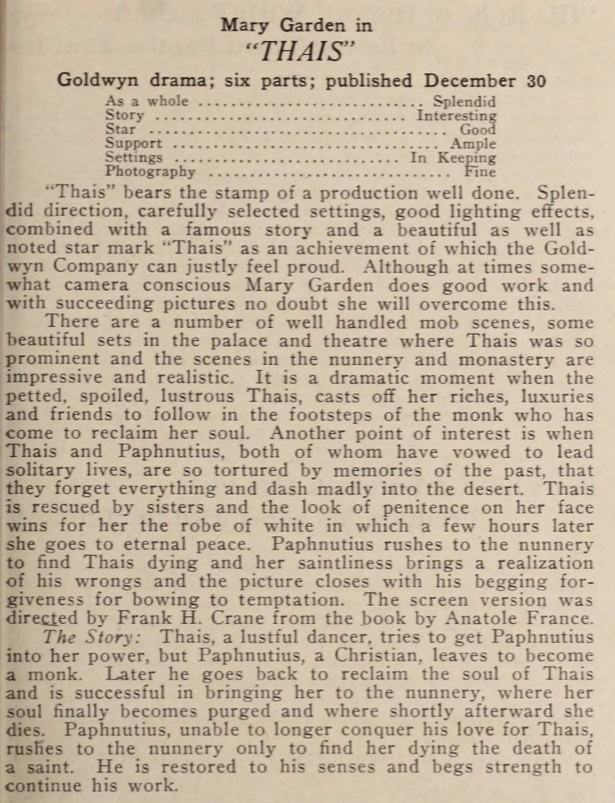
Similarly, the spiritual and the profane collided in films like Thais (1917). By exploring the tension between a wealthy Alexandrian’s newfound Christianity and his obsession with a notable courtesan, the film tapped into a moral friction that mainstream cinema often avoided. These films weren't just stories; they were provocations. They challenged the viewer to find beauty in the forbidden, a prerequisite for any film destined for cult status.
Surrealism and the Rarebit Nightmare
If cult cinema is defined by its refusal to adhere to reality, then Dreams of the Rarebit Fiend: Bug Vaudeville is its patron saint. This short, fantasy-animation hybrid showcases a hobo dreaming of a vaudeville show performed by bugs after eating a cheese cake. It is a work of unadulterated surrealism that predates the avant-garde movements of the 1920s. By centering the narrative on the hallucinatory effects of a common meal, the film established a lineage of cinematic psychedelia that would later be championed by filmmakers like David Lynch or Alejandro Jodorowsky.
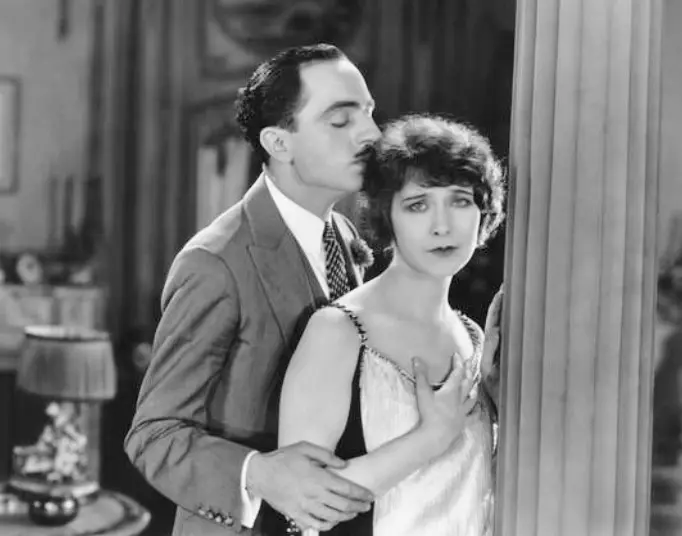
The "Bug Vaudeville" represents a break from the theatrical rigidity of early film. It embraced the mechanical shadows of the camera to create something that could only exist on screen. This sense of "the impossible made visible" is exactly what draws devotees to cult films—the feeling that they are witnessing a secret vision, a dream captured on nitrate that the rest of the world has forgotten to wake up from.

The Femme Fatale and the Transgressive Woman
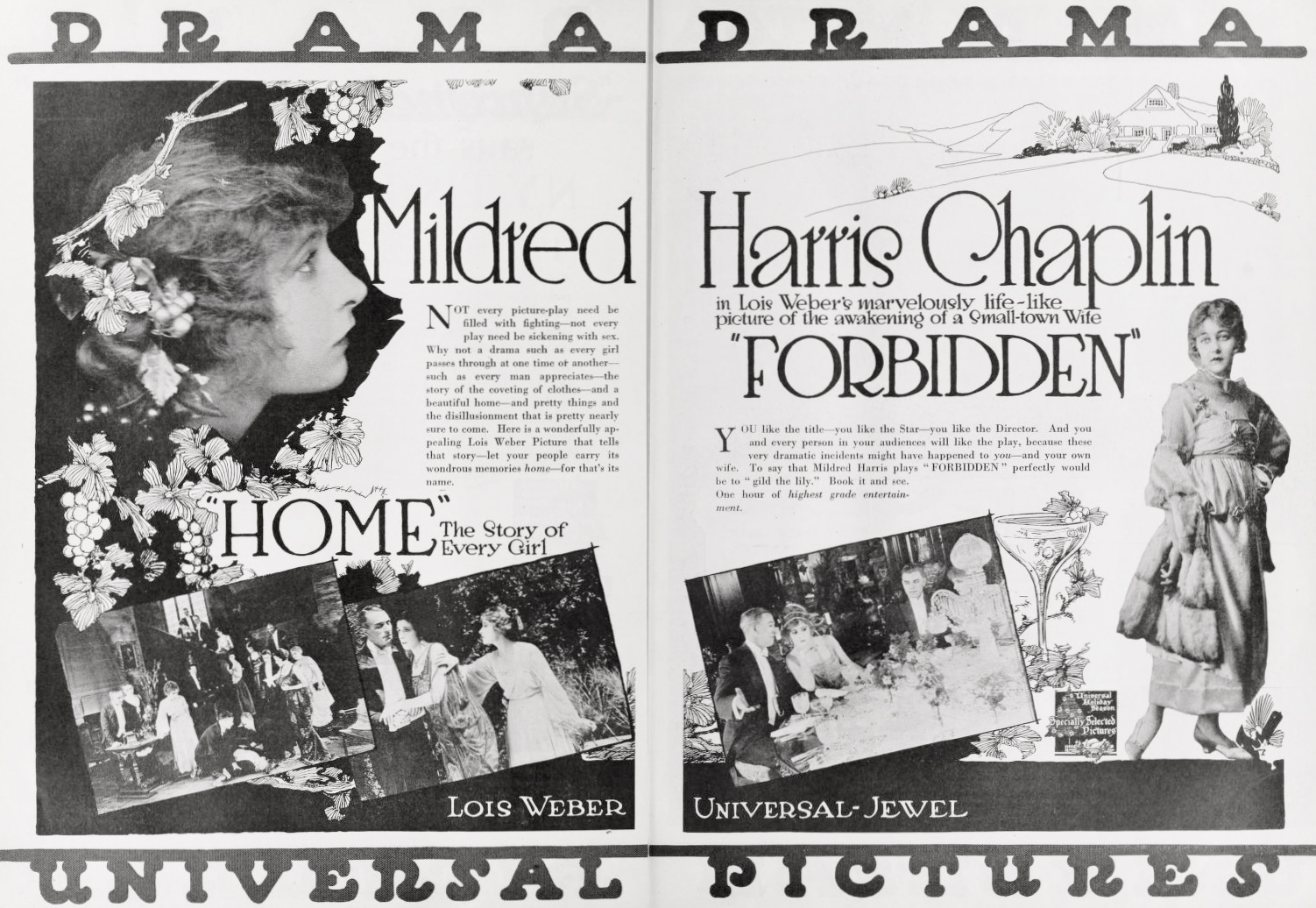
Cult cinema has always been a sanctuary for the dangerous woman—the character who refuses to play the victim or the saint. In 1917, Lulu introduced us to a circus dancer who was a "thoroughly liberal being." Her relationship with the clown Alfredo and the noble Henri von Reithofen ended in tragedy and ruin, but Lulu herself remained an icon of unapologetic agency. This was not the sanitized femininity of the Victorian era; this was the birth of the femme fatale.
We see this thread continue in Blondes Gift, where the protagonist Loni lives a depraved life, plunging her husband into ruin without remorse. These films were moral anomalies in their time. They didn't just depict sin; they revelled in the complexity of the sinner. In Red and White Roses, a vamp propositions a reform candidate, blending political intrigue with sexual power. This intersection of the personal and the transgressive is a hallmark of the cult aesthetic, providing a blueprint for the noir and neo-noir movements that would follow.
Genre Mutations: From Sci-Fi Satire to Western Noir
Perhaps the most shocking example of early 20th-century genre subversion is Her First Flame (1950, though filmed much earlier in spirit and concept). Set in a futuristic 1950 where women have taken over men's jobs and become the romantic aggressors, the film is a sci-fi comedy that functions as a sharp social critique. By flipping the gender roles of the era, it utilized the "speculative" nature of science fiction to mock the rigid structures of the present. This kind of narrative dissidence is what allows a film to survive its initial release and find a second life among audiences who feel out of step with their own time.
The Western genre, too, was being dismantled from within. The Smilin' Kid and Davy Crockett may seem like standard fare, but they often carried a rebel rhythm. Even the crime dramas of the era, such as Beyond the Law, which followed the Dalton brothers as they transitioned from lawmen to outlaws, explored the gray areas of morality. Cult cinema thrives in these gray areas, where the hero is a villain and the law is a suggestion.
The Social Underworld and the Radical Misfit
Cult films are often the voice of the disenfranchised, and the silent era was no different. The Night Workers highlighted the "unnaturalness" of those who exist outside the 9-to-5 world, while Les Misérables (1917) provided a visceral look at the cruelty of the law through the pursuit of Jean Valjean by Javert. These weren't just adaptations of literature; they were visual manifestos for the underdog.
In The Spirit of the Red Cross, we see the horrors of World War I through the eyes of Sammy and Ethel, but it is the collective devotion of the volunteers that takes center stage. This focus on the community of the marginalized is a cornerstone of cult fandom. Whether it’s the news girl "Cinders" in Lost and Won or the orphan Maria in The Tiger, these characters represent a genetic rebellion against a world that wants to keep them in their place. They are the original celluloid pariahs.
The Architecture of Obsession
Why do we return to these films? Why does a film like One Million Dollars, with its mystical crystal globes and Buddhist priests, still resonate with the modern seeker of the strange? It is because these films possess a primal magnetism. They were made at a time when the rules of cinema were still being written, allowing for a level of genre anarchy that is rarely seen in today’s polished blockbusters.
Films like A halál után (After Death) from Hungary, with its mysterious disappearances and money-hungry villains, or The Clue, involving Japanese defense maps and Russian counts, show a global appetite for the conspiratorial and the occult. This is the bedrock of niche worship. The cult audience doesn't want the expected; they want the esoteric screen. They want to decode the Celluloid Cipher and find the hidden meaning in the flicker of the nitrate.
Conclusion: The Enduring Flame of the Outlier
The 50 films discussed here—from The Cavell Case to Pawn Ticket 210—are more than just historical curiosities. They are the primordial soup from which the modern cult movie emerged. They taught us that cinema could be a place for the maverick vision, a sanctuary for the moral mutant, and a pulpit for the unconventional gospel.
As we continue to map the midnight cartography of film history, we must remember that the rebellion started in silence. The transgressive soul of cinema has always been there, waiting in the shadows of the silent era, ready to ignite the passion of the next generation of misfits. The celluloid heretics of the 1910s didn't just make movies; they forged a perpetual legacy of defiance that continues to flicker in the dark of every midnight screening across the globe.
Cult cinema is not a destination; it is a way of seeing. It is the ability to find the sacred oddity in the mundane and the rebel heart in the forgotten frame. Long live the outcasts.Community
Comments
Log in to comment.
Loading comments…