
Cult Cinema
The Celluloid Oracle: Divining the Enduring Power of Cinema's Unconventional Prophets
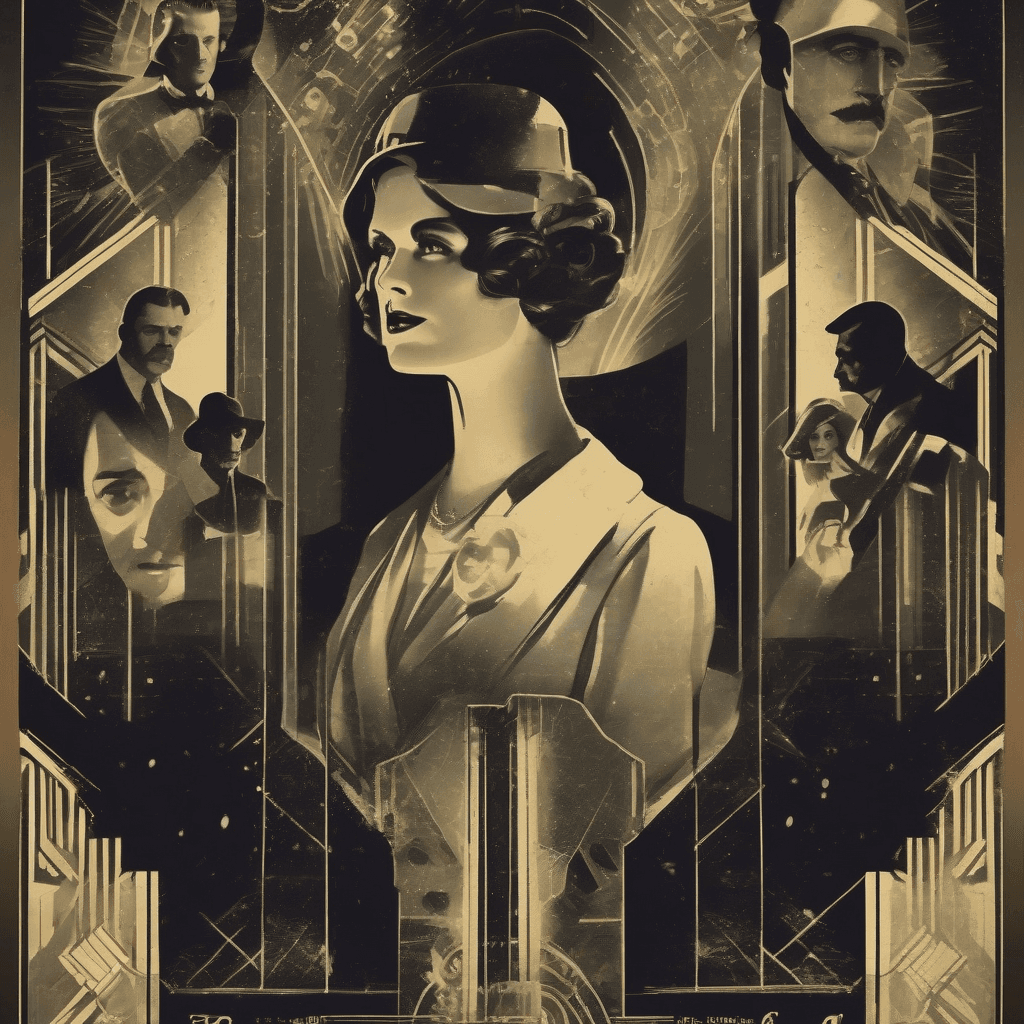
“Cult cinema thrives in the shadows, a testament to films that defy convention and forge passionate communities. From early silent era oddities to modern genre-benders, these unconventional cinematic prophecies reveal deeper truths about art, audience, and the enduring power of the overlooked.”
In the vast, shimmering tapestry of cinema, certain films refuse to fade into obscurity. They are the anomalies, the outsiders, the works that initially bewildered or were simply ignored, only to be resurrected by fervent audiences who find in their unconventional narratives a mirror to their own fringe sensibilities. This is the realm of cult cinema, a fascinating corner of film history where commercial failure can morph into artistic triumph, and obscurity breeds an almost religious devotion. But what defines a cult film? Is it merely a movie that bombed at the box office but found a second life, or is there a deeper, more intrinsic quality that sets these cinematic outcasts apart?
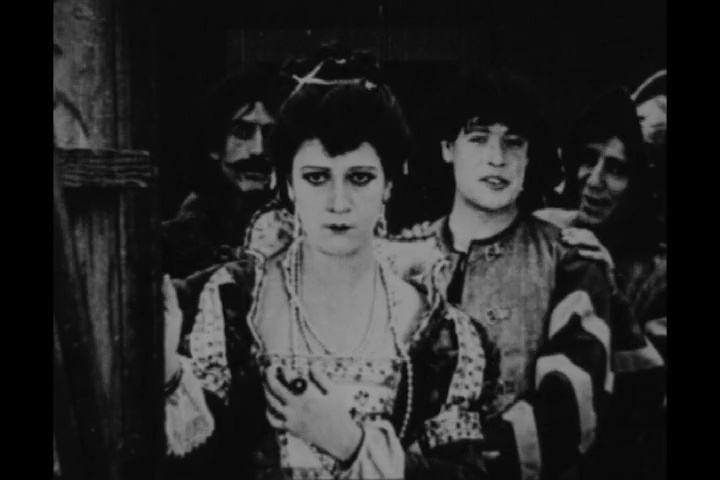
To truly understand the enduring allure of cult cinema, we must journey beyond the familiar midnight screenings and fan conventions of the modern era. We must delve into the very origins of film, searching for the proto-cult DNA that has always pulsed beneath the mainstream. Long before the term 'cult film' entered the lexicon, there were movies that, for various reasons—be it their transgressive themes, bizarre storytelling, unique visual styles, or simply their sheer unclassifiability—spoke to a niche audience, laying the groundwork for the passionate, communal fandoms we recognize today. These early, unconventional prophets of the screen, often forgotten by the annals of popular history, were busy etching the blueprint for cinematic obsession.
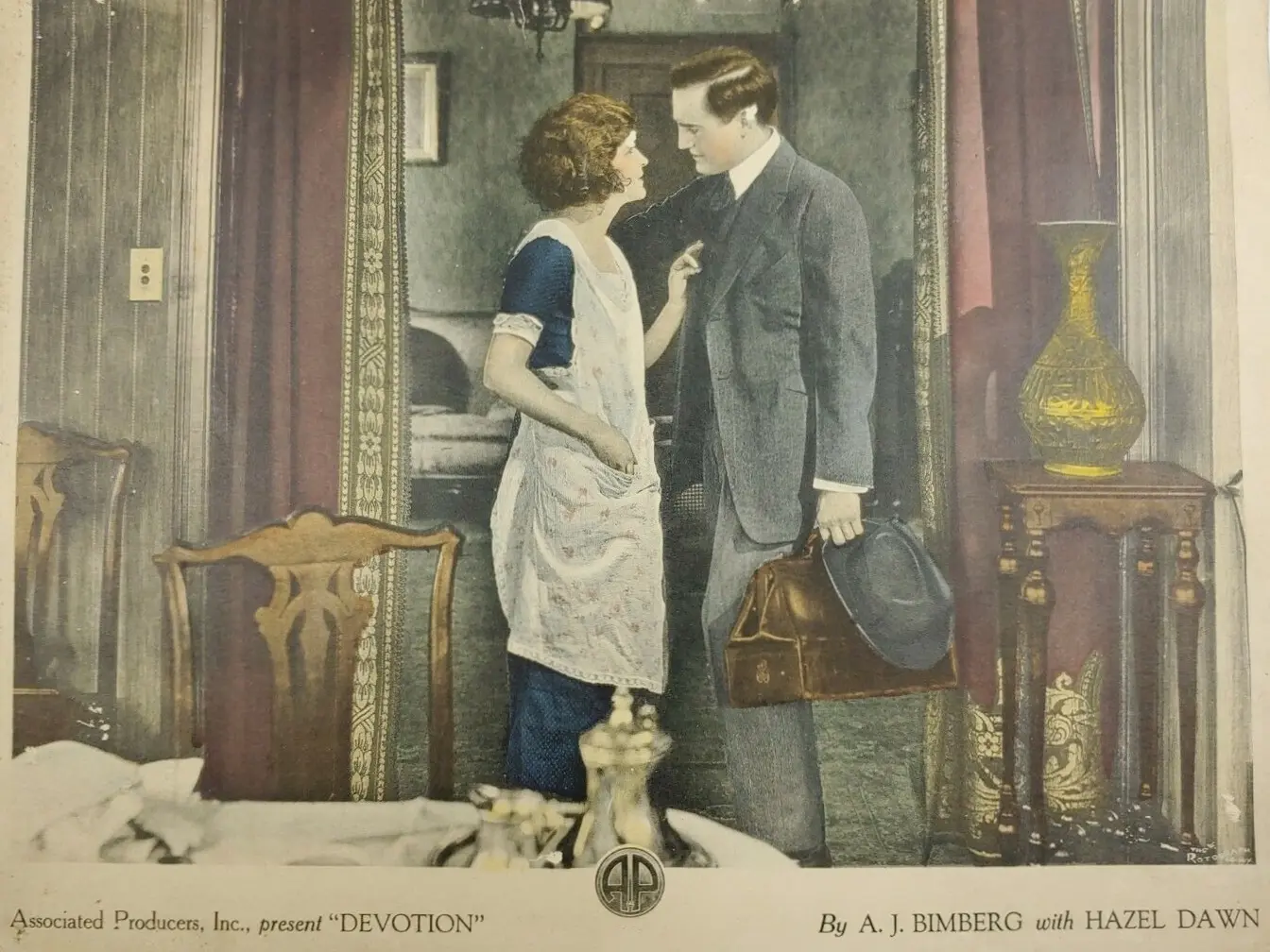
The Genesis of the Unconventional: Seeds of Rebellion in Early Cinema
The notion that cult cinema is a purely modern phenomenon is a misconception. The seeds of genre defiance and subversive storytelling were sown almost as soon as the projector lights flickered to life. Early cinema, particularly during the silent and pre-Code eras, was a wild frontier, less constrained by rigid genre definitions or the moralistic censorship that would later tighten its grip. This freedom allowed for narratives that explored the darker facets of human nature, pushing boundaries in ways that would resonate with future generations seeking films that dared to be different.
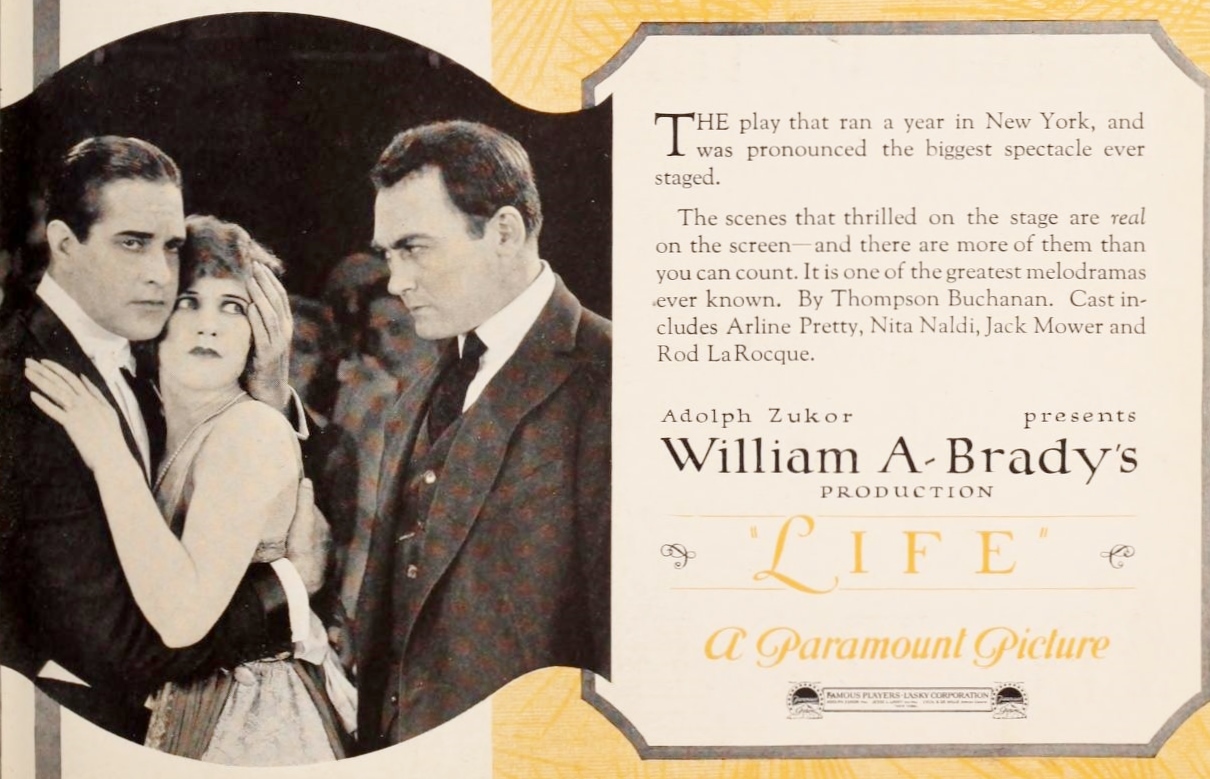
Consider the profound moral ambiguities woven into dramas like *Mrs. Dane's Confession*, where a woman's past transgression haunts her, or the stark exploration of revenge in *The Devil's Daughter*. These films, while perhaps not consciously 'cult' at their release, wrestled with themes of sin, redemption, and societal judgment in ways that could unsettle and provoke. Similarly, the dramatic weight of *Infidelity*, a tale of wrongful imprisonment and unexpected returns, offered a narrative depth and emotional intensity that transcended simple entertainment, inviting audiences to grapple with complex moral quandaries. The very act of portraying such 'forbidden' subjects on screen, even if presented within a moralistic framework, was a form of rebellion that hinted at the transgressive narratives that would become a hallmark of later cult classics.
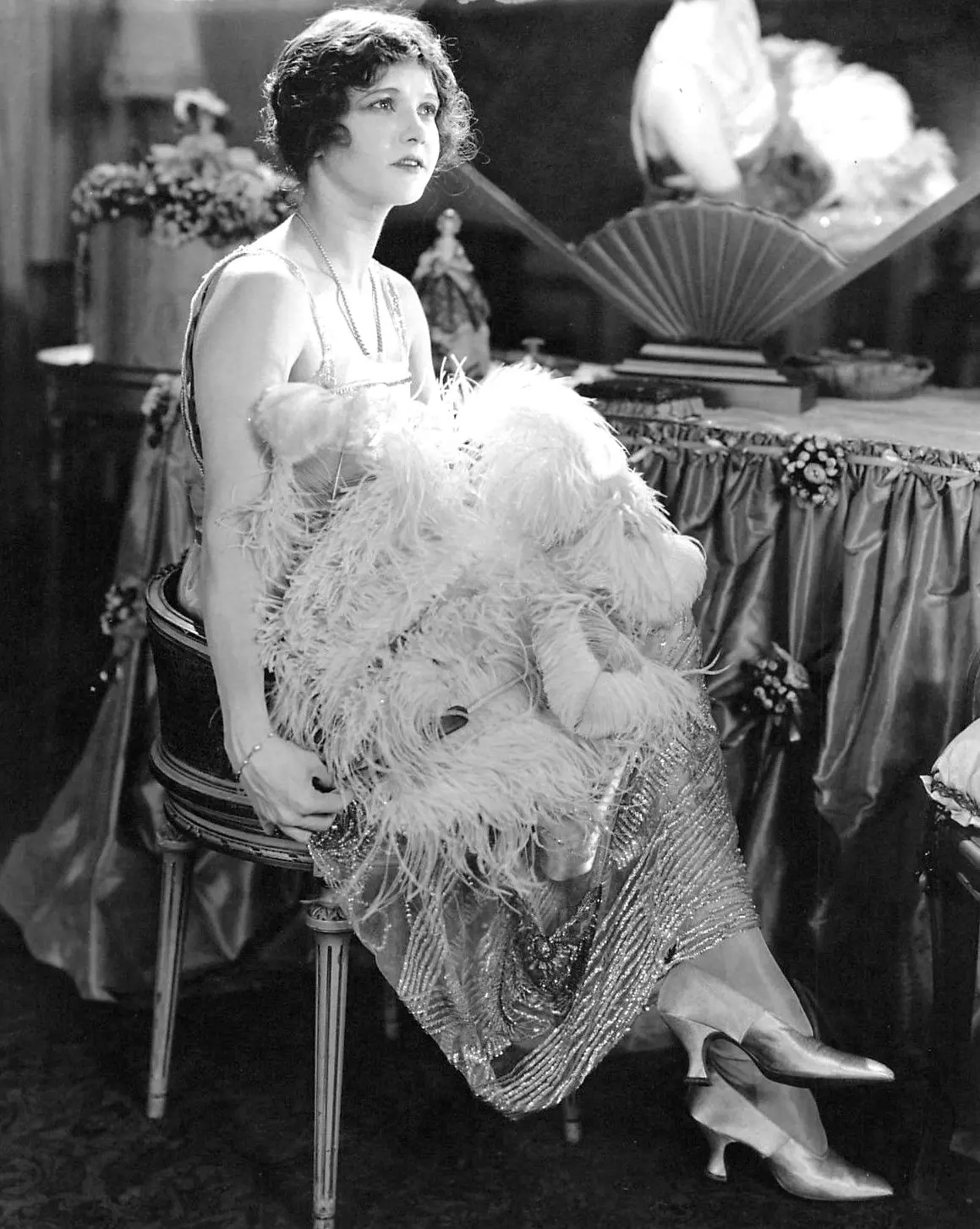
The allure of the outsider, the struggle against societal norms, and the fascination with crime and consequence were also potent elements. Films like *The Mark of Cain*, depicting a son taking the fall for his father's crimes, or *Who Shall Take My Life?*, a grim tale of wrongful execution and a shocking revelation, tapped into a primal sense of injustice and fate. These were not mere escapist fantasies; they were often stark, unflinching looks at the human condition, challenging viewers to confront uncomfortable truths. This willingness to explore the grim and the morally grey, rather than simply entertaining, is a foundational element of the cult aesthetic.

Narrative Anarchy and Visual Oddities: The Bizarre and the Unforgettable
Beyond thematic transgression, many early films showcased a captivating unconventional storytelling that deviated from established norms, either by design or by the nascent nature of the medium itself. The very newness of cinema allowed for experimentation, leading to cinematic experiences that could be described as bizarre, whimsical, or profoundly unsettling. These films, often overlooked in mainstream historical accounts, are precisely the kind of forgotten gems that later generations of cult enthusiasts would unearth.

Consider the delightful absurdity of *Les amours d'un escargot*, a short film about a snail and a mouse's romantic adventures, or the slapstick antics of *Rip & Stitch: Tailors*. These films, far from aiming for grand dramatic narratives, embraced their own unique logic and visual humor, creating worlds that were distinctly their own. While not 'dark' or 'transgressive' in the traditional sense, their sheer eccentricity and willingness to play with cinematic form made them outliers, fostering a kind of niche appeal that prefigured the appreciation for cult comedies like those of the Zucker brothers or Monty Python.
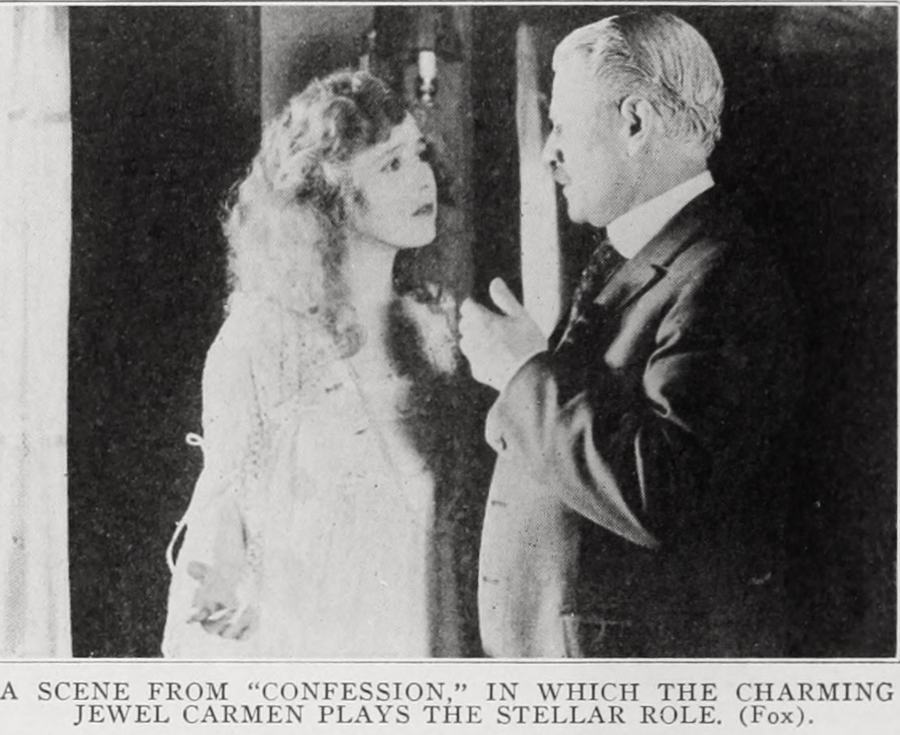
Even within more conventional genres, certain films stood out due to their narrative structure or sheer ambition. Serial dramas like *The Strange Case of Mary Page*, with its episodic unfolding of mystery and intrigue, or the intricate plots of films like *Together*, which hinged on a complex inheritance and the reunion of long-lost twins, offered viewers an immersive, often convoluted experience. These narratives, demanding sustained engagement and rewarding close attention to detail, built a kind of internal logic that could become a source of fascination for dedicated viewers. The dramatic tension in *The Pitfall*, where a woman marries for convenience only to confront her true love later, exemplifies the kind of heightened melodrama that, when viewed through a modern lens, can take on a new, almost campy, cult appeal.
Themes of the Outcast and the Fringe: Resonating with the Disenfranchised
At the heart of many cult films lies a profound empathy for the outsider, the misfit, the character who exists on the fringes of society. This thematic thread is not new; it runs deep through the history of cinema, finding expression in early films that dared to portray lives often ignored or condemned by the mainstream. These narratives, whether intentionally or not, became cinematic outcasts themselves, finding their true audience among those who also felt a kinship with the unconventional.
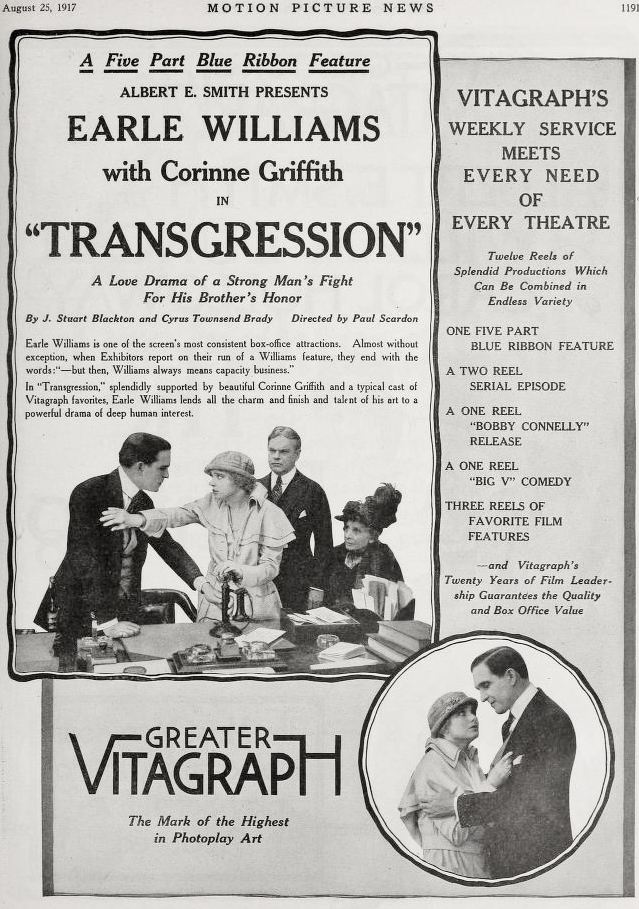
Consider the poignant struggles depicted in *A Magdalene of the Hills*, where a mountaineer's tragic fate is intertwined with accusations and societal prejudice. Or the harrowing journey of *Gigolette*, a film exploring the desperation of a woman forced into prostitution to save her sister. These films, by shining a light on lives of hardship and moral compromise, offered a stark contrast to the often sanitized portrayals of early Hollywood. They were raw, often melodramatic, but undeniably human, fostering a connection with viewers who sought more than just escapism from their cinematic experiences. The relentless pursuit of revenge in *Sweetheart of the Doomed*, born from betrayal, offers another glimpse into the darker, more complex motivations that define characters who operate outside conventional morality.
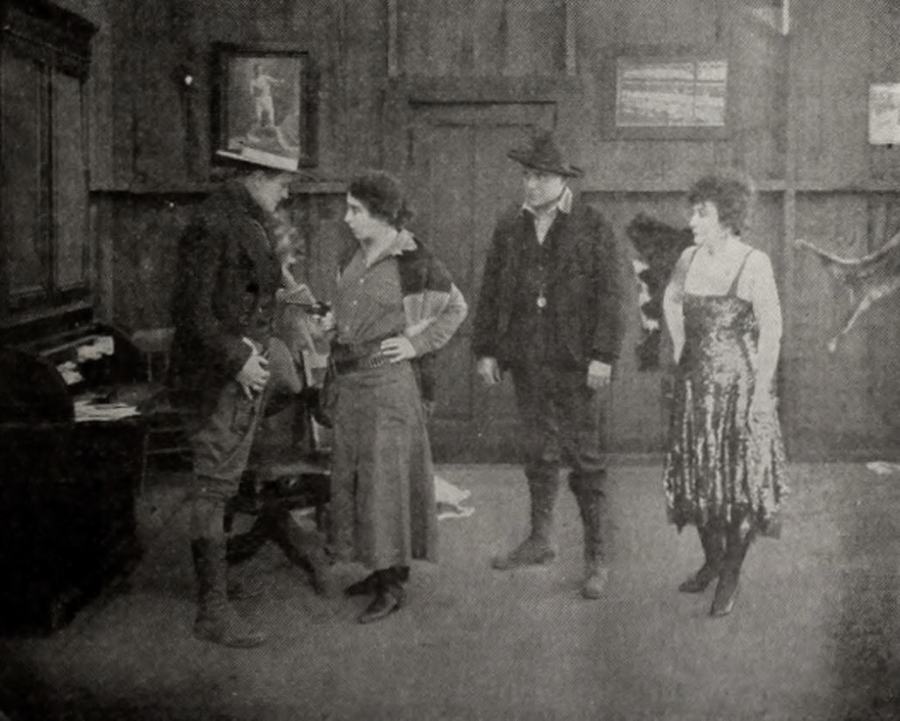
Even films with seemingly lighter premises could carry a subtle resonance for those who felt 'different'. The independent spirit of Lucy Millington in *Stranded in Arcady*, who views men with contempt, speaks to a burgeoning sense of female autonomy that defied traditional gender roles. While not explicitly rebellious, such characters embodied a nascent form of counter-culture sentiment, appealing to audiences who might have felt similarly out of step with prevailing societal expectations. The dramatic twists and turns, coupled with the often heightened emotional states of the characters, created a powerful, almost operatic, experience that lingered with viewers long after the credits rolled.
The Power of Rediscovery and Audience: Forging Fandoms from Fragments
Perhaps the most defining characteristic of cult cinema is its relationship with its audience. Unlike blockbuster hits that are consumed and often forgotten, cult films are not merely watched; they are studied, celebrated, and often re-contextualized over time. This process of re-discovery is crucial, transforming an obscure film into a beloved icon. While the concept of 'midnight movies' as a dedicated phenomenon emerged later, the spirit of niche viewing and passionate advocacy for overlooked works has always existed.
Many early films, due to their limited initial release, controversial content, or simply the passage of time, found themselves in obscurity. Yet, like a forgotten artifact, they possessed an inherent magnetism that drew certain cinephiles to them. Imagine the early film enthusiasts poring over film reels, unearthing the unique visual language of *Giuliano l'apostata*, with its highly stylized biopic of a Roman Emperor, or the adventurous spirit of *The Silent Avenger*. These were not films designed for mass appeal, but for those who appreciated their distinctive qualities, they offered a rich, rewarding experience.
The unconventional rhythms of these early works, be they the intricate plots of *The White Circle* or the dramatic tension of *The Pitfall*, fostered a unique kind of engagement. Viewers became active participants, decoding narratives, appreciating artistic choices, and forming connections over shared appreciation. This collective devotion, often nurtured outside mainstream critical recognition, is the crucible in which cult status is forged. It’s a testament to the idea that true cinematic value isn't always immediately apparent or universally acknowledged; sometimes, it requires time, a dedicated few, and a willingness to look beyond the obvious.
The Enduring Legacy: Echoes in Modern Cult Classics
The cinematic legacy of these early proto-cult films is undeniable. The themes, narrative structures, and even the very spirit of rebellion found in these forgotten or initially dismissed works continue to echo in contemporary cult classics. Modern films that challenge conventions, explore taboo subjects, or simply possess an inimitable strangeness owe a debt to their early predecessors who dared to stray from the path.
From the psychological complexity of *The Vanderhoff Affair*, hinting at madness and manipulation, to the social commentary embedded in *Money Mad*, which explores greed and its devastating consequences, these early films grappled with universal human experiences through a lens that was often unflinching. The stark portrayal of a woman's struggle in *The Love That Lives*, driven to desperation by tragedy, showcases an emotional rawness that resonates with audiences seeking authenticity, however melodramatic its presentation. These are the narratives that refuse easy categorization, demanding a more nuanced appreciation.
The very act of diving deep into film history to unearth these works is part of the cult experience. Discovering a film like *The Hoosier Schoolmaster*, a period piece with a strong sense of place and character, or the dramatic intensity of *Calibre 38*, with its tale of jilted love and frontier justice, allows us to connect with the past in a unique way. It’s a recognition that the desire for films that speak to something deeper, something beyond the superficial, has always been a driving force for discerning audiences. The enduring power of these films lies not just in their individual merits, but in their collective contribution to a cinematic language of the unconventional.
The Oracle's Prophecy: Cult Cinema as a Continuous Dialogue
Ultimately, cult cinema is not a static category but a living, breathing dialogue between filmmakers and their audience across generations. The maverick spirit that fueled early productions, allowing for films like *Skirts* to explore comedic oddities or *Periwinkle* to tell a heartwarming tale of rescue and adoption, is the same spirit that drives contemporary independent cinema. These films, regardless of their initial reception, become unconventional prophets, foretelling shifts in taste, challenging societal norms, and reflecting the hidden anxieties and desires of their respective eras.
The provided list of early films, spanning dramas, comedies, and adventures, serves as a powerful reminder that the seeds of cult phenomena were planted long ago. From the exotic intrigue of *Europa postlagernd* to the historical gravitas of *In the Days of Saint Patrick*, each film, in its own way, contributed to the rich, diverse tapestry of early cinema. Some, like the dramatic *Fulguración de raza* or the mysterious *The Hound of Tankervilles*, might have captured imaginations with their unique narratives, becoming local sensations or inspiring fervent discussions among early filmgoers. Their very existence, their departure from the expected, paved the way for the broader acceptance and eventual celebration of films that march to the beat of their own drum.
In this light, cult cinema is less about a specific genre and more about a mode of reception, a collective embrace of the anomalous. It’s a testament to the enduring power of stories that resonate deeply, even if only with a select few, and the magic of audience devotion that can elevate a forgotten reel into a timeless icon. The celluloid oracle continues to speak, whispering its unconventional truths from dusty archives and digital streams, inviting new generations to join the ever-expanding congregation of the curious and the devoted.
Community
Comments
Log in to comment.
Loading comments…