
Cult Cinema Deep Dive
The Celluloid Outcast: Unveiling the Transgressive Pulse and Enduring Devotion of Cinema’s Early Genre Rebels
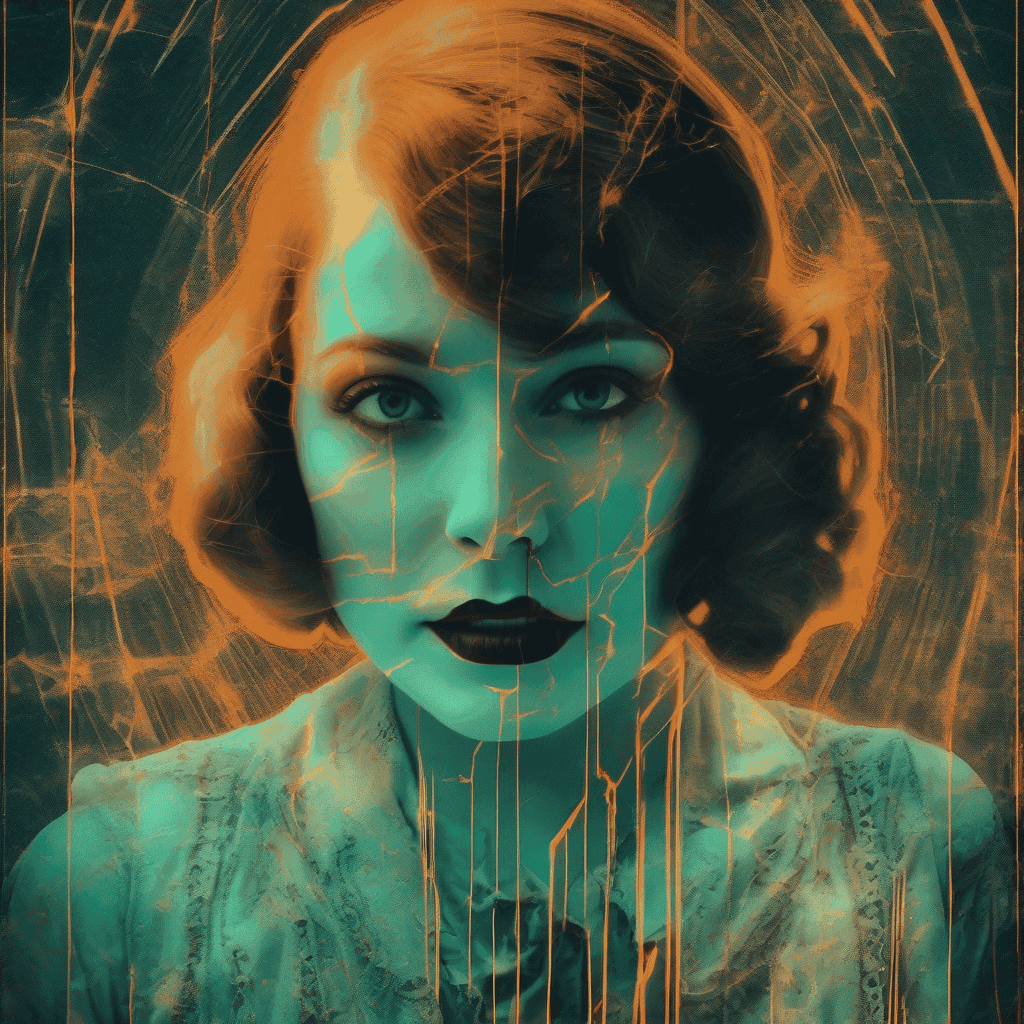
“An in-depth exploration of how the silent era's most daring and unconventional films paved the way for modern cult cinema's obsession with the transgressive and the overlooked.”
In the flickering shadows of the early 20th century, a different kind of cinema was breathing. Long before the term "midnight movie" was coined in the smoke-filled theaters of the 1970s, the seeds of cult cinema were being sown by mavericks, outcasts, and visionaries who refused to adhere to the burgeoning Hollywood status quo. This was a period of raw experimentation, where the boundaries between high art and low-brow spectacle were constantly blurred, creating a fertile ground for the birth of a subversive cinematic soul. To understand the modern obsession with the unconventional, we must look back at the genre-defying anomalies of the 1910s and 1920s—films that challenged social norms, explored the limits of technology, and embraced the fringes of human experience.

The Radical Roots of Social Subversion
One of the most potent elements of cult cinema is its ability to serve as a mirror to the societal undercurrents that the mainstream often ignores. In 1920, Oscar Micheaux’s Within Our Gates stood as a monumental act of cinematic defiance. While the dominant narrative of the era was often exclusionary, Micheaux utilized the medium to confront the harrowing realities of racial injustice and the complexities of the Black experience in America. This film, with its shocking pasts and dedication to education amidst poverty, represents the primal urge of the cult filmmaker: to tell the stories that are being suppressed. It is this same spirit that drives modern cult audiences toward films that tackle taboo subjects with uncompromising honesty.
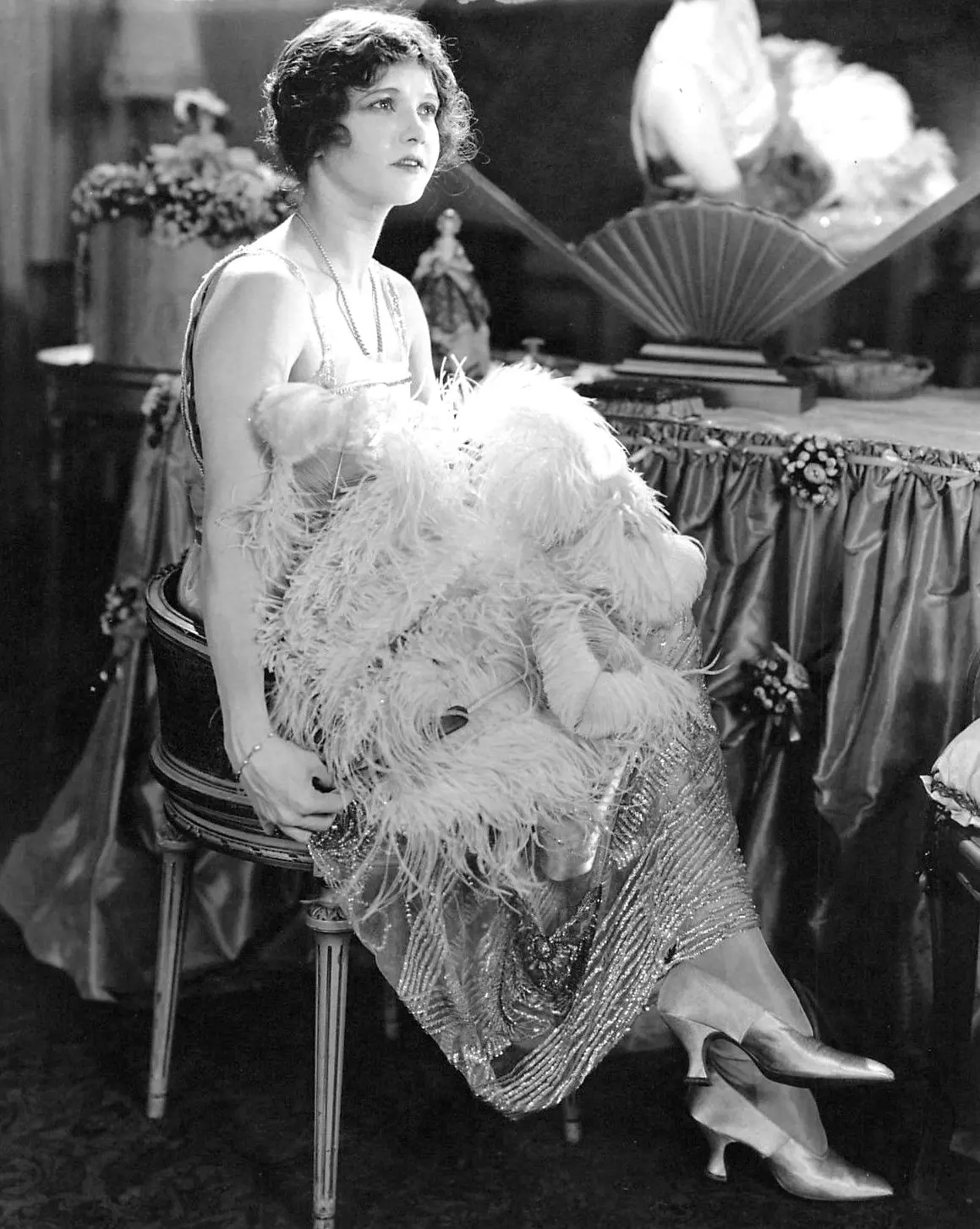
Similarly, the exploration of political ideologies through film provided a different kind of transgressive thrill. The 1920s saw the emergence of educational shorts like Communism, which sought to demystify complex economic-political philosophies. While seemingly dry on the surface, these works represented a radical departure from escapist entertainment, signaling a shift toward cinema as a tool for intellectual and social awakening. The tension between the status quo and the revolutionary is a recurring theme in the cult canon, echoing through the decades from these early silent experiments to the counter-culture movements of the late 20th century.

The Early Architecture of the Weird and the Wired
Cult cinema has always had a fascination with the "other," whether that be the supernatural, the extraterrestrial, or the technological. The 1915 production The Black Box introduced audiences to a world where futuristic technical inventions were used to solve bizarre murders. This early intersection of detective fiction and proto-science fiction created a template for the "weird gadget" subgenre that would later define much of the cult sci-fi landscape. The mysterious messages delivered in a small black box by a killer suggested a world where technology was both a savior and a harbinger of doom—a theme that remains a cornerstone of the cult aesthetic.
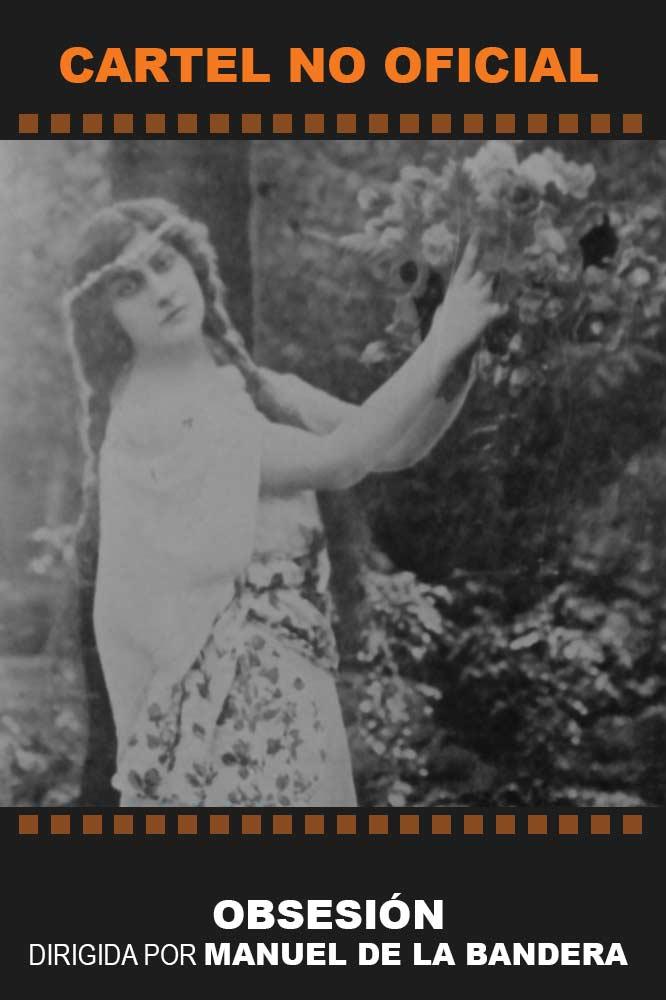
Then there is the 1918 masterpiece A Trip to Mars (Himmelskibet), which took the burgeoning sci-fi genre in a surprisingly pacifist direction. While many early genre films focused on the threat of the unknown, this Danish production envisioned a vegetarian and pacifist civilization on the Red Planet. This subversion of the "alien invader" trope is a classic cult move: taking a familiar genre and turning it on its head to present a vision that is both alien and deeply human. The enduring allure of such films lies in their ability to transport us to worlds that are not just different in appearance, but different in their very moral and social fabric.
The Outlaw and the Moral Misfit
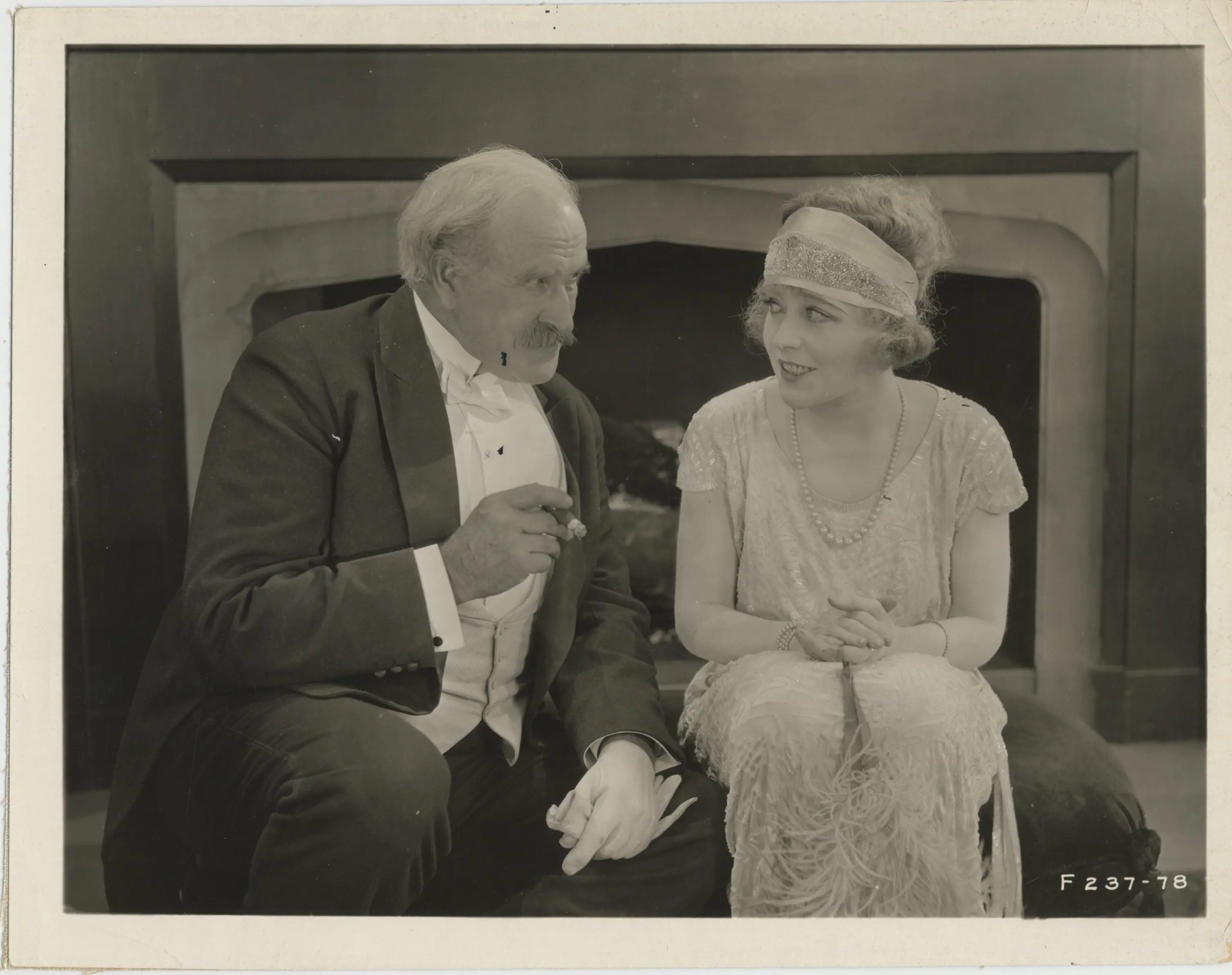
If cult cinema has a patron saint, it is the outlaw. The early century was fascinated by the figure of the rebel, the man or woman who lived outside the law but often within a code of their own making. The Lady of the Dugout (1918) is a fascinating example of this, featuring real-life outlaw Al Jennings telling a story of redemption and aid. This blurring of the lines between reality and fiction—where a real criminal portrays a version of himself—is a precursor to the meta-narratives and authentic grit that cult fans crave. It speaks to a desire for a cinema that is lived-in, dangerous, and unapologetically real.
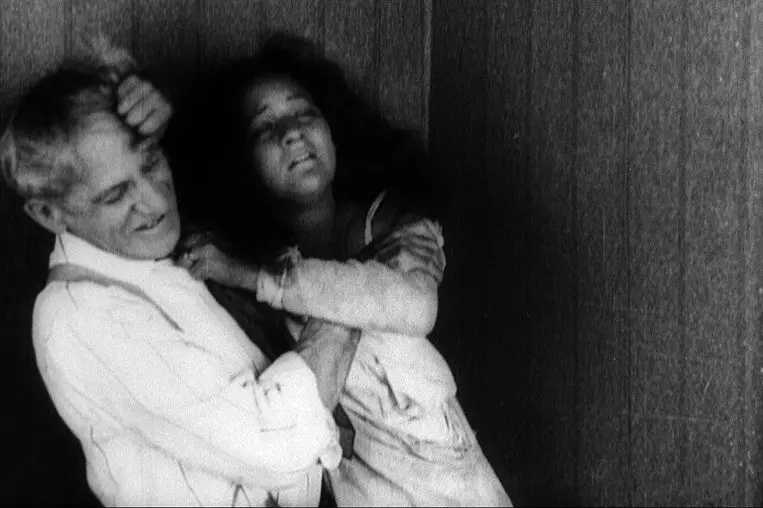
The "moral misfit" also found a home in these early reels. Films like Opium (1919) delved into the dark world of addiction and revenge, exploring the corruption of the soul in ways that were often considered scandalous for their time. By focusing on a Chinese dealer taking revenge on Westerners, the film played with themes of cultural collision and moral ambiguity. This willingness to dwell in the gray areas of human behavior is what separates the cult film from the moralistic mainstream. Whether it’s the infidelity explored in The Rack (1915) or the desperate measures taken in The Curse of Greed, these narratives prioritize the complexity of the human condition over the simplicity of a happy ending.

Genre Anarchy and the Birth of the Midnight Mindset
What makes a film "cult" is often its refusal to stay within the lines. The early era of cinema was defined by a kind of genre anarchy that we rarely see today. Consider The Hell Cat (1918), which blended the Irish ranch experience with the high-stakes drama of outlaw life. This cross-pollination of themes—love, duty, and rebellion—created a unique texture that defied easy categorization. Cult audiences are drawn to this kind of narrative unpredictability, where a story can shift from a romance to a thriller in the blink of an eye.
Even the world of the circus, as seen in The Biggest Show on Earth (1918), provided a backdrop for unconventional stories. The juxtaposition of a lion tamer’s daughter and an upper-crust boarding school created a clash of worlds that highlighted the performative nature of identity. This fascination with the spectacle—the "show"—is a recurring motif in cult cinema, where the boundaries between the stage and life are often indistinguishable. The circus, with its freaks and its wonders, was the original midnight movie, a place where the rules of the normal world were suspended in favor of the extraordinary.
The Aesthetic of the Forgotten and the Fringe
The power of cult cinema often lies in its rediscovery. Many of the films we now consider vital to the history of the medium were once lost or overlooked. Kino-Pravda No. 13, a film poem by Dziga Vertov, Elizaveta Svilova, and Mikhail Kaufman, represents a radical approach to the newsreel. By documenting Russian life with a poetic, experimental eye, Vertov and his collaborators weren’t just recording history; they were reinventing the way we see it. This "Kino-Eye" philosophy—the idea that the camera can see more than the human eye—is a foundational concept for anyone who believes in the transformative power of the lens.
The fringe also embraced the burlesque and the bizarre. April Fool (1920) and its burlesque take on a sailor’s life at sea, or the animated cow-on-the-tracks antics of The Wrong Track (1920), show a willingness to engage in pure, unadulterated absurdity. This sense of play is essential to the cult experience. It’s a reminder that cinema doesn’t always have to be serious to be meaningful; sometimes, the most radical act is to simply be silly, to break the tension of the world with a well-timed gag or a surreal visual flourish.
Constructing the Cult Pantheon
As we look at the diverse array of films from this era—from the high-stakes drama of The Heart of Maryland to the silent mysteries of Il mistero di Osiris—we see the building blocks of a global cult community. These films were often produced on the margins, sometimes in foreign languages or under difficult conditions, yet they managed to capture something universal. The struggle for identity in The Innocent Lie, the battle against corruption in The Honor System, and the pursuit of treasure in Captain Kidd, Jr. all speak to a fundamental human desire for adventure and authenticity.
The enduring legacy of these early rebels is not found in their box office returns, but in the way they continue to inspire. When we watch a modern cult classic, we are seeing the echoes of the maverick soul that was present in The Magnificent Brute or the haunting imagery of Lost in Darkness. We are participating in a tradition of viewership that values the unique over the uniform, the daring over the safe, and the forgotten over the famous. The celluloid outcast is never truly gone; they are simply waiting in the archives for the next generation of devotees to find them.
Conclusion: The Eternal Flame of the Underground
In conclusion, the history of cult cinema is not a straight line, but a sprawling, tangled web of influence and rebellion. The films of the 1910s and 20s provided the essential DNA for everything that followed. They taught us that cinema can be a weapon, a dream, a joke, and a sanctuary all at once. By embracing the transgressive pulse of these early works, we honor the spirit of those original genre rebels who dared to flicker in the dark. As long as there are stories that need to be told and audiences who seek the unconventional, the heart of cult cinema will continue to beat, fueled by the enduring devotion of those who find beauty in the shadows.
Community
Comments
Log in to comment.
Loading comments…