
Cult Cinema
The Celluloid Outlaw’s Almanac: Mapping the Primal Deviance and Maverick Spirit of Early Cinema’s Forgotten Icons

“A deep dive into the transgressive roots of cult cinema, exploring how silent era oddities and genre-defying narratives established the blueprint for modern cinematic obsession.”
Cult cinema is often defined by its rejection of the mainstream, its embrace of the bizarre, and its ability to foster a localized, intense devotion that transcends the traditional box office metric. While we often point to the midnight movie craze of the 1970s as the birth of this phenomenon, the genetic markers of cult obsession were actually written in the flickering embers of the early 20th century. Long before the Rocky Horror Picture Show or Eraserhead, there were the outcasts of the silent era—films that pushed the boundaries of morality, visual storytelling, and genre expectation.
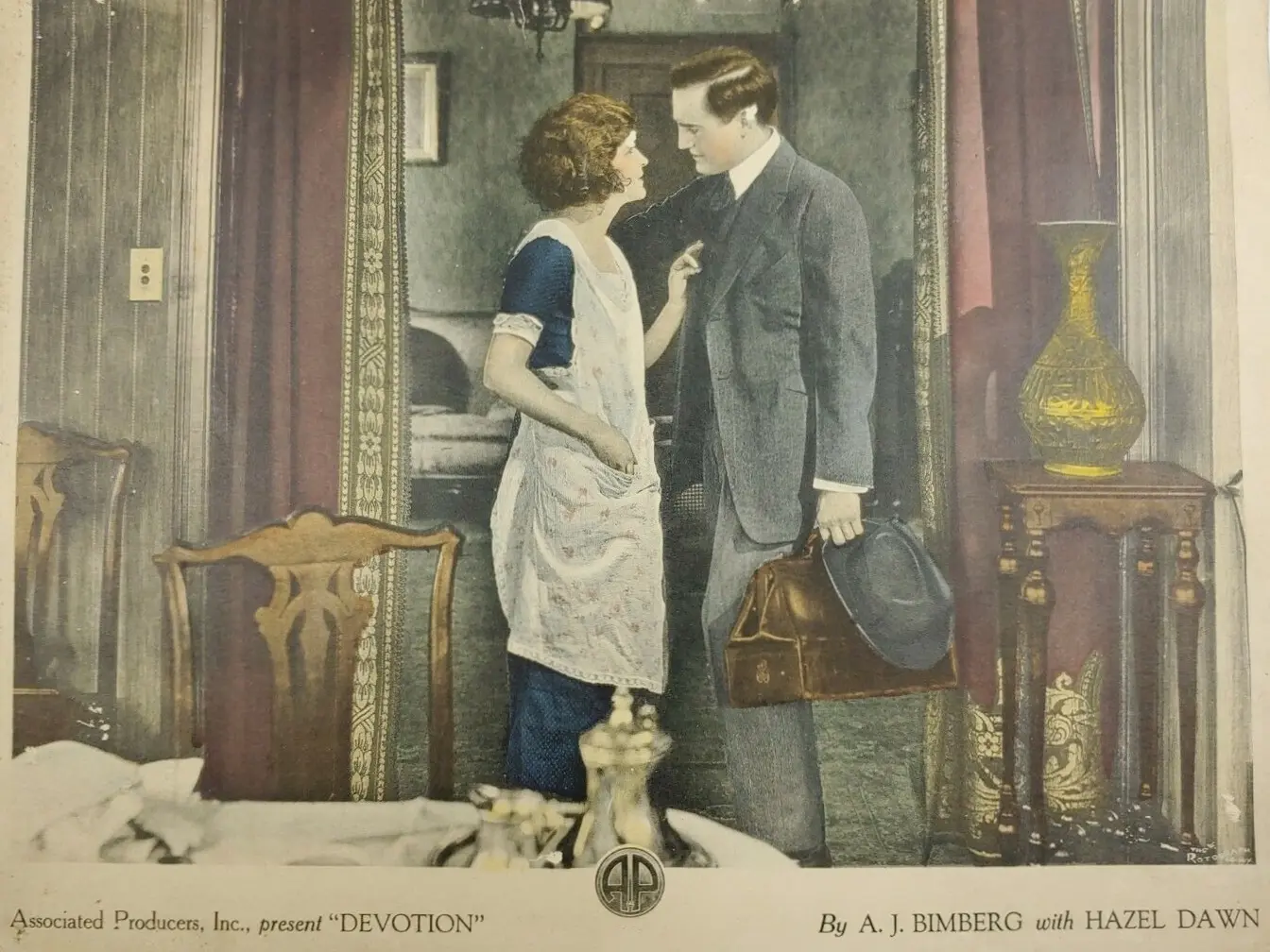
The Transgressive Blueprint: Social Crimes and Moral Ambiguity
The foundation of cult cinema is built upon transgression. To be a cult object, a film must often cross a line that contemporary society has drawn in the sand. In the early 1910s and 20s, this transgression often took the form of social critiques that were too raw for the polite company of the Victorian hangover. Take, for instance, The Yellow Passport (1916). This film, centered on a young Russian girl forced into a life of prostitution under the oppressive regime of the Czar, offered a visceral look at social crimes and institutional corruption. It is the kind of narrative that creates a legacy of obsession because it refuses to look away from the ugly truths of the human condition.

The Strength of the Weak and the Fallen Woman Archetype
Similarly, The Strength of the Weak (1916) explored the 'fallen woman' trope with a psychological depth that predates the noir sensibilities of the 1940s. Pauline D’Arcy’s descent from girlhood into the clutches of a man who makes her his mistress is a haunting exploration of vulnerability. These films weren't just entertainment; they were provocations. They invited the viewer into a space of moral grayness, a hallmark of the cult experience where the audience is asked to sympathize with the 'misfit' or the 'sinner' over the righteous institutions of the day.

Visual Poetry and the Aesthetic of Decay
If transgression is the soul of cult cinema, then a unique, often unsettling visual language is its skin. The Picture of Dorian Gray (1916) provides the perfect early example of this. The story of a man whose sins are reflected in a hidden portrait rather than his own face is the ultimate metaphor for the cult film’s obsession with the dual nature of identity. The visual representation of inner ugliness—the slow rot of the soul captured on celluloid—established a template for the body horror and psychological surrealism that would later define the works of directors like David Cronenberg or David Lynch.
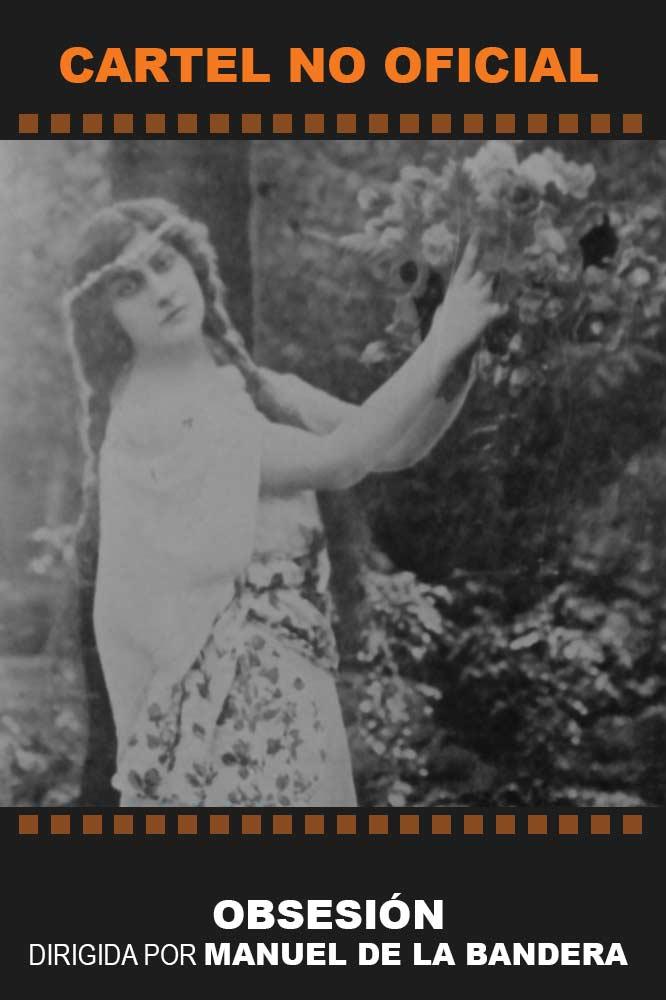
The Gothic Isolation of the Wisconsin Woods
The setting often plays a character in cult narratives, providing an atmosphere of dread or surrealism. The Keys of the Righteous (1918) utilizes the isolation of the Wisconsin woods to create a sense of rural gothic tension. Mary Manning’s life in a cabin with an invalid mother and a stern grandfather, haunted by the disappearance of her father, evokes a sense of claustrophobia that is essential to the cult aesthetic. It is the feeling of being trapped in a world that operates by its own strange, often cruel rules.
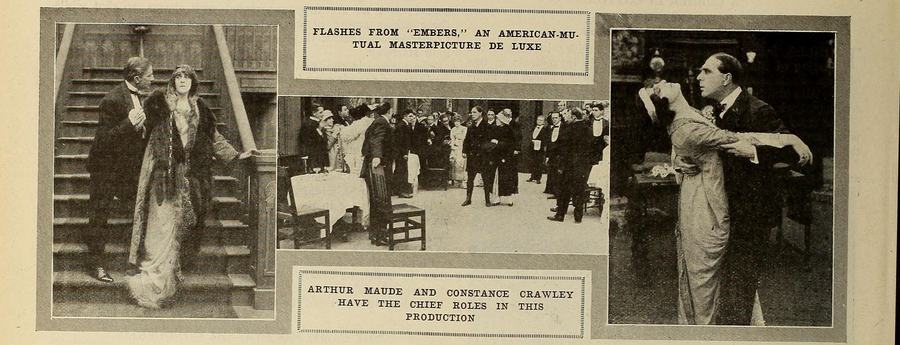
The Survivalist Spirit: Female Agency in the Wild
One of the most enduring tropes in cult cinema is the 'final girl' or the resourceful survivor. We see the primal roots of this in Back to God's Country (1919). Starring Nell Shipman, the film features a woman alone in a remote harbor, forced to use her wits to survive the man who murdered her father. This wasn't the typical damsel-in-distress narrative of the era; it was a gritty, survivalist drama that celebrated female agency and resilience. The cult of Shipman grew precisely because she was a maverick who performed her own stunts and challenged the gender norms of the industry.
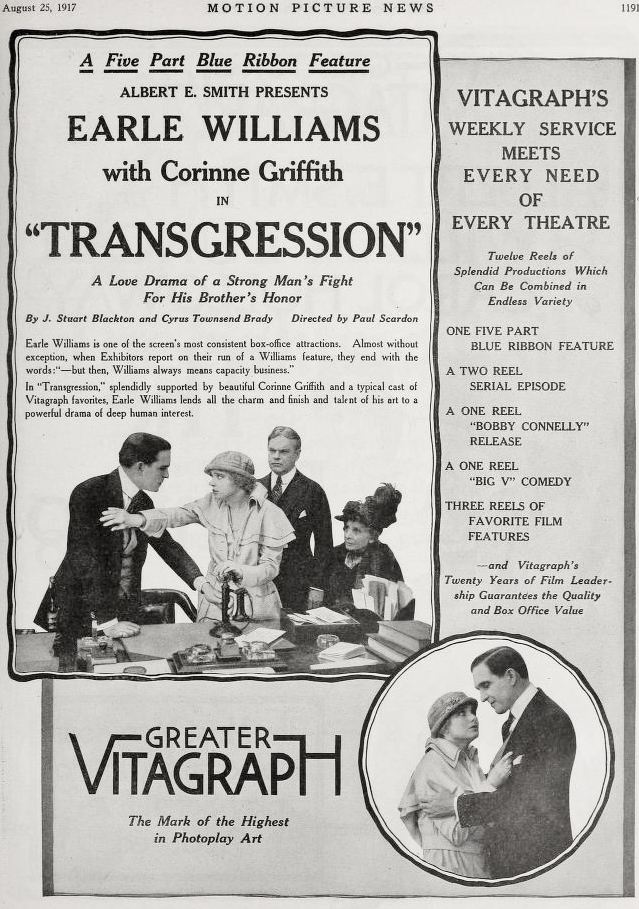
Hell-to-Pay Austin and the Lumber Camp Guardians
In a similar vein of unconventional family structures, Hell-to-Pay Austin (1916) presents a lumberjack camp as a sanctuary for an orphaned girl. The rough-and-tumble environment of the lumber camp, contrasted with the innocence of the child, creates a narrative friction that is both heartwarming and subversive. It suggests that home is not where you are born, but where you are protected—a theme that resonates deeply with the 'found family' aspect of many cult film communities.

Genre Mutations: Westerns, Comedies, and the Absurd
Cult cinema thrives on the fringes of genre, where the rules are flexible and the results are often unpredictable. The early Westerns, such as Hell Bent (1918) and The Crimson Clue (1916), began to experiment with the archetypes of the cowboy and the outlaw. These weren't just tales of good versus evil; they were stories of survival, redemption, and the harsh reality of the frontier. Overland Red (1919), featuring a tramp prospector and a befriended boy, introduced a picaresque quality to the Western that would later influence the road movies of the 1960s and 70s.
The Absurdist Comedy of Captain Grogg and Monty
On the lighter side, the early 20th century gave us glimpses of the absurdist humor that would become a staple of cult classics. Monty Works the Wires (1921), told from the perspective of a dog, and the animated antics of Kapten Grogg bland vilda djur (1917), showcase a willingness to experiment with perspective and medium. These films possessed a 'weirdness' that made them stand out from the polished comedies of the time. They were the 'outsider art' of the cinematic world, appealing to those who found the standard slapstick a bit too predictable.
The Documentary as a Cult Artifact
Sometimes, cult status is conferred upon a film not because of its narrative, but because of its sheer rarity or the window it provides into a forgotten world. Amazonas, Maior Rio do Mundo (1918) is a prime example. This documentary by Silvino Santos offered unique footage of the Amazon and the Indigenous Witoto people. For decades, such films were the only way for audiences to experience the 'otherness' of distant lands, making them objects of intense curiosity and study. In the cult lexicon, the 'found' film or the 'lost' documentary holds a sacred place, representing a truth that was almost erased by time.
Hygiene der Ehe and the Educational Cult
Even educational films like Hygiene der Ehe (1922) have found a second life in cult circles. What was once intended as a serious medical or social guide becomes, through the lens of history, a fascinating and often campy look at the anxieties of a previous generation. The cult of the 'instructional' film is built on the irony of seeing how much—and how little—our social mores have changed.
The Birth of the Star Cult: From Garbo to the Grotesque
Finally, we cannot discuss cult cinema without the cult of personality. Before she was an international icon, Greta Garbo debuted in Luffar-Petter (1922). Even in this early comedy, the magnetism that would make her a legend is visible. Cult cinema often centers on a specific performer who embodies a particular type of rebellion or beauty. Whether it’s the tragic allure of the girl in The Girl Who Couldn't Grow Up (1917) or the comedic resilience of the characters in Pufi - Hogyan lett ünnepelt hös egy jámbor pesti férjböl? (1914), the seeds of fandom were sown in these early performances.
The Legacy of the Forgotten
The films mentioned here—from the social grit of The Yellow Passport to the rural isolation of The Keys of the Righteous—represent the primordial soup from which the modern cult movie emerged. They were the outliers, the experiments, and the accidental masterpieces that refused to fit into the neat boxes of the early studio system. They remind us that the 'cult' is not a genre, but a relationship—a sacred bond between a daring piece of art and an audience that is hungry for something more than the status quo. As we continue to unearth these silent relics, we find that the spirit of the cinematic outlaw has been alive and well for over a century, waiting in the shadows to be rediscovered by a new generation of devotees.
In conclusion, the 'cult' experience is a journey through the fringes of human experience. It is found in the desperate survival of Back to God’s Country, the satirical bite of The Chocolate Soldier (1915), and the tragic irony of The Diamond Necklace (1921). These films, though distant in time, speak the same language of rebellion and eccentricity that defines our modern obsession with the strange and the beautiful. They are the original midnight movies, playing on the screens of our collective subconscious, reminding us that the most enduring stories are often the ones that were never meant to be told to the masses.
Community
Comments
Log in to comment.
Loading comments…