
Deep Dive
The Celluloid Outlaw’s Archive: How the 1910s Silent Fringe Engineered the Modern Cult Obsession
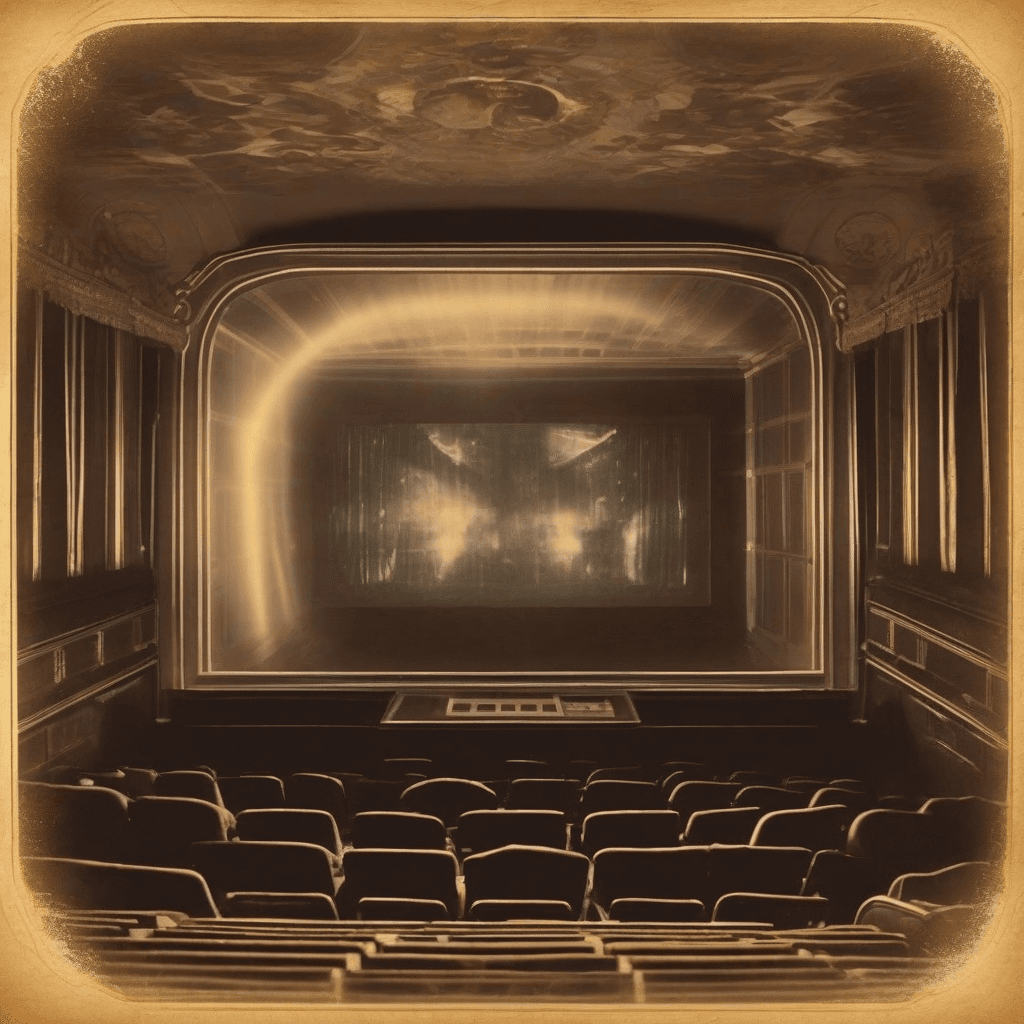
“Explore the hidden lineage of cult cinema through the transgressive, bizarre, and genre-defying relics of the 1910s silent era.”
When we think of cult cinema, the mind often drifts to the neon-soaked midnight screenings of the 1970s or the VHS-driven obsession of the 1980s. We think of transgressive masterpieces that defied the status quo, creating communities of the obsessed. However, the true genetic blueprint of the midnight movie was not drafted in a New York loft in 1975; it was etched into the nitrate reels of the 1910s. This was an era of cinematic anarchy, where the rules of storytelling were still being written and the boundaries of moral decency were constantly being tested by a band of celluloid outlaws. To understand why we worship the strange today, we must unearth the forgotten fringe of the silent era.
The Transgressive Genesis: Moral Deviance and the Early Underground
The very essence of cult cinema lies in its ability to present the world through a distorted lens, often focusing on those living on the periphery of society. In the 1910s, films like Sapho (1917) provided a stark look at the lives of those the mainstream preferred to ignore. Fanny Legrand, the daughter of a coachman living in a hovel in the slums of Paris, becomes a symbol of the quaint girls whose lives are defined by poverty and survival. This focus on the "other" is a hallmark of the cult experience. It invites the viewer to empathize with the outcast, a tradition that continues from the silent hovels of Paris to the modern-day misfits of independent cinema.
Similarly, the dark allure of the unknown was explored in films like Das Mädchen aus der Opiumhöhle. These early explorations of drug culture and the urban underworld established a visual language for the forbidden. They were the ancestors of the grit and grime we now associate with the cult aesthetic. By venturing into the "opium den," early filmmakers were not just seeking sensation; they were mapping the boundaries of the cinematic underground. This rebellious spirit is what transforms a simple film into a sacred relic for those who seek something beyond the polished surfaces of the multiplex.
Genre Mutations and the Birth of Meta-Narrative
One of the most fascinating aspects of early cinema is how quickly it began to deconstruct itself. Cult fans have always loved films that break the fourth wall or play with the medium's limitations. Look no further than A Fisherless Cartoon. In this bizarre short, Bud Fisher, the creator of Mutt and Jeff, is called away to the phone, leaving his half-drawn characters to finish the cartoon themselves. This meta-fictional playfulness is a direct ancestor to the self-aware irony of modern cult classics. It suggests that even in its infancy, cinema was aware of its own artifice, a trait that the cult gaze finds irresistible.
The 1910s also saw the mutation of genres that would eventually become cult staples. The "master thief" archetype, a perennial favorite of the fringe, found its early champion in The Lightning Raider. A beautiful young woman operating as a daring thief, meeting a millionaire while fleeing a crime scene, is the kind of high-concept, transgressive storytelling that fuels niche devotion. It blurs the lines between hero and villain, a moral ambiguity that would later define the noir and neo-noir films that dominate cult circles.
The Architecture of Obsession: Macabre Mysteries and Haunted Reels
Cult cinema is often synonymous with the macabre and the mysterious. The 1910s were fertile ground for tales of obsession and the supernatural. In The Mystic Hour, we see a protagonist, Guido, obsessed with the death of a rival. This psychological intensity, coupled with the atmospheric dread of the era's cinematography, creates a sense of obsessive devotion that mirrors the audience's own relationship with the film. When a character's internal world is as fractured and dark as the shadows on the screen, a unique bond is formed with the viewer.
Then there is the trope of the "haunted house," perfectly encapsulated in The Ghost House. While the haunting is revealed to be a ruse by a band of thieves, the imagery of the old Atwell home and the gardener Jeremy Foster’s attempts to keep the superstition alive speak to our primal fear of the unseen. This blend of mystery, crime, and the gothic is the bedrock upon which the horror wing of cult cinema was built. These films weren't just entertaining; they were engineering a sense of cinematic dread that would be refined by generations of filmmakers to come.
Social Outcasts and the Legal Fringe
The struggle against systemic corruption is another recurring theme in the cult canon. Films like The Frame-Up, featuring Luke Simms as an honest politician fighting against the machinations of the slums, or The Mysterious Client, where a lawyer refuses an unethical service from a shady figure, highlight the individual's battle against a compromised world. This narrative of the "lone wolf" or the "unbought man" resonates deeply with cult audiences, who often see themselves as outsiders in a mainstream culture they view with skepticism.
Even in comedy, the struggle was real. Peaceful Alley followed a rent collector facing both delinquent tenants and crooks. It’s a gritty, humorous look at the working-class struggle, far removed from the glamorous fantasies often associated with early Hollywood. This commitment to the "real," however stylized, is what gives cult cinema its enduring power. It speaks to the lived experience of the audience, validating their struggles and their cynicism.
The Exotic and the Ethereal: Global Voices in the Silent Fringe
Cult cinema has always had a global footprint, seeking out the exotic and the unconventional from every corner of the map. In the 1910s, this was evidenced by films like Barbary Sheep, which transported audiences to Arabia for a tale of romantic exoticism and hunting. The allure of the "Other" and the desire for escape are powerful drivers of niche fandom. Whether it's the deserts of Arabia or the cattle stations of Australia in The Jackeroo of Coolabong, these films offered a window into worlds that felt both alien and intoxicating.
The Australian "new chum" Brian O'Farrell, with his monocle and spats, being teased by station hands, is a classic fish-out-of-water story. Yet, it also touches on themes of identity and belonging that are central to the cult experience. We are all, in some way, the "jackeroo" in our own lives, trying to navigate a world that doesn't quite understand our monocles or our spats. This universal feeling of being the misfit is what binds the global cult community together.
The Legacy of the Lost: Why the 1910s Still Matter
Many of these films are now lost or survive only in fragments, which only adds to their cult mystique. The "lost film" is the ultimate object of desire for the cinematic pilgrim. To find a copy of With the Moonshine on the Wabash or a complete print of The Grip of Evil is to uncover a piece of the sacred archive. This scarcity fuels a specific kind of devotion—a need to preserve, protect, and proselytize for the forgotten.
The 1910s also gave us the raw, unfiltered emotion of war in The Lost Battalion. By depicting the 77th Division’s struggle in the Argonne Forest, the film brought the harrowing reality of the First World War to the screen with a visceral intensity. This wasn't just history; it was a communal experience of trauma and survival. Cult cinema often acts as a vessel for these intense, collective emotions, providing a space for audiences to process the unprocessable.
Conclusion: The Eternal Return of the Celluloid Outlaw
As we look back at the 1910s, we see more than just old movies; we see the birth of a mindset. The cult film soul was forged in the fires of early experimentation, from the meta-humor of Bud Fisher to the hovels of Fanny Legrand. These films dared to be weird, they dared to be different, and they dared to speak to the misfits and the dreamers who weren't satisfied with the status quo. The modern cult obsession is simply a continuation of this original rebellion.
Whether it’s the gender-bending mischief of Angel Child, the desperate inheritance schemes of The Follies Girl, or the faith-healing hope of Heart's Haven, the themes of the 1910s are the themes of our lives. We are still looking for truth in the shadows, still fighting against the frame-ups of society, and still finding beauty in the most unexpected places. The celluloid outlaws of the silent era may be long gone, but their spirit lives on in every midnight screening, every obscure DVD collection, and every fanatical forum dedicated to the weird and the wonderful. The archive is open, and the revolution is just beginning.
Community
Comments
Log in to comment.
Loading comments…