
Cult Cinema Deep Dive
The Celluloid Rebel's Manifest: Decoding the Primal Deviance and Genre Mutations of Cinema's Early Fringe

“Explore the transgressive roots of cult cinema through the forgotten masterpieces of the 1910s, where moral misfits and genre-bending rebels first challenged the silver screen's status quo.”
The history of cinema is often written by the victors—the massive studios, the blockbuster hits, and the polished icons of the Golden Age. However, beneath the glossy surface of mainstream film history lies a darker, more volatile undercurrent: the cult cinema movement. Long before the midnight movies of the 1970s or the indie darlings of the 1990s, the 1910s and early 1920s were already brewing a potent elixir of subversive narratives, moral ambiguity, and genre-defying experimentation. This was the era of the nitrate outlaw, where filmmakers pushed the boundaries of what was socially and technically permissible, creating the genetic blueprint for what we now recognize as niche obsession.
The Birth of the Moral Misfit: Transgression in the Silent Era
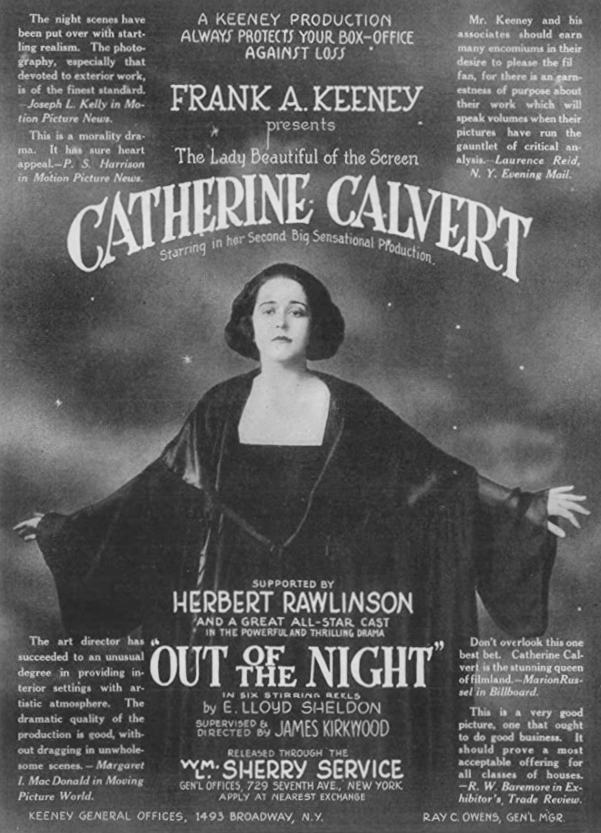
To understand the cult gaze, one must look at the films that dared to portray the darker side of the human condition. In the 1910s, works like Out of the Night and Out of the Fog (1919) laid the groundwork for the transgressive drama. These films didn't shy away from the harsh realities of poverty, prostitution, and religious fanaticism. In Out of the Night, we see a protagonist driven to the brink by the callousness of industrial power, eventually forced into a life of survival that the censors of the time found deeply troubling. Similarly, Out of the Fog explored the crushing weight of religious zealotry, leading to a tragic climax that prefigured the bleakness of modern noir.
These films were not just entertainment; they were manifestos of the marginalized. They spoke to an audience that felt alienated by the burgeoning "happily ever after" tropes of the mainstream. Thoughtless Women (1920) and The Splendid Sinner (1918) furthered this exploration, diving into the complexities of social ambition, soiled pasts, and the unforgiving nature of a judgmental society. In The Splendid Sinner, the narrative of a woman losing her husband due to a revealed past—only to have it intersect with the horrors of the First World War—created a layered, melancholic experience that resonated with the burgeoning cult audience of the time.
The Shadow in the Mirror: Psychological Horror and the Double
The cult obsession with the "other" and the fractured psyche finds its ultimate ancestor in the dualistic narratives of the late 1910s. Dr. Jekyll and Mr. Hyde (1920) remains the quintessential example of this, a film that used the budding language of cinema to externalize the internal rot of the human soul. This fascination with the macabre was echoed across the Atlantic in Das Bildnis des Dorian Gray (1917), where the manifestation of sin within a painting provided a visual metaphor for the decay of the Victorian moral code. These films weren't just horror stories; they were esoteric explorations of identity that would eventually inspire everything from David Lynch to Cronenberg.
Genre Mutations: From Western Outlaws to Urban Chaos
Cult cinema thrives on the mutation of established genres. In the early frontier of film, the Western was already being subverted by characters that didn't fit the white-hat mold. Lahoma (1920) and The Double O (1921) introduced the concept of the "kindhearted outlaw" and the morally gray protagonist. In Lahoma, the rescue of a child by a man who is technically a criminal created a cognitive dissonance that fascinated audiences. This blurring of the lines between hero and villain is a hallmark of the cult cinematic identity, where the audience is invited to empathize with the outsider.
Simultaneously, the urban landscape was being captured in ways that felt raw and voyeuristic. A Day and Night at Coney Island (1905) and In the Pink (1920) offered a proto-documentary look at the leisure and chaos of modern life. These weren't just travelogues; they were captures of a world in flux, featuring the "Human Pool Table" and other bizarre attractions that highlighted the weirdness of the early 20th century. This raw, unfiltered look at reality would later evolve into the "mondo" films and transgressive documentaries that define much of the cult fringe today.
The Comedy of the Grotesque and the Absurd
Even the comedies of the 1910s possessed a certain edge that bordered on the surreal. Shorts like The Paper Hanger (1920), Oiling Uncle (1919), and Lolly-Pop's Daughter (1917) utilized slapstick not just for laughs, but to highlight the absurdity of the domestic and professional spheres. The frantic energy of Don't Weaken! (1917) and Oh, You Kid (1919) reflected a society that was rapidly accelerating, often leaving its protagonists in states of manic confusion. This kinetic anarchy is a direct ancestor to the cult comedies of the 1980s, where physical comedy meets existential dread.
Social Subversion and the Power of the Silent Image
The political power of the early fringe cannot be overstated. Films like The Mother and the Law (1919), re-edited from Griffith’s Intolerance, focused intensely on the struggle of the individual against systemic oppression. It was a rebel reel that spoke to the labor movements and the social unrest of the era. Similarly, The Kid (1917)—not to be confused with the Chaplin masterpiece—dealt with the gritty reality of journalism and social influence, while Reporter Jimmie Intervenes (1917) showcased the power of the press to expose corporate corruption. These films positioned the filmmaker as a watchdog, a role that remains central to the underground cinema ethos.
The international influence was also palpable. Die Abenteuer eines Ermordeten (1921) and Der Weltspiegel (1918) brought an adventurous, often dark European sensibility to the screen, while Nabat (1917) hinted at the revolutionary fervor taking hold in the East. These films created a global network of cinematic anomalies, ensuring that the cult gaze was never restricted to a single culture or language.
The Legacy of the Nitrate Renegades
Why do these films, many of them obscure or partially lost, continue to haunt the imagination of the modern cinephile? It is because they represent a time of unfiltered creativity. Before the Hayes Code and the rigid structure of the studio system, cinema was a wild frontier. Where Bonds Are Loosed (1919) and The Only Road (1918) explored sexual tension and identity in ways that would be suppressed for decades to come. In The Only Road, a tomboy believes herself to be someone she isn't, navigating a world of violence and mistaken identity that feels shockingly modern in its fluidity.
The Midnight Alchemist of the silent era didn't just make movies; they forged a new way of seeing. They understood that the screen was a mirror for our most hidden desires and fears. Whether it was the maritime intrigue of The Sea Flower (1918), where secret agents and German spies clashed on the high seas, or the domestic drama of Opened Shutters (1914), which explored the pain of being unwanted, these films reached for a level of emotional truth that transcended their technical limitations.
In the end, the cult cinema spirit is about the enduring power of the outsider. It is found in the "soldiers of chance" who gamble everything on a single reel, and in the "beloved impostors" who navigate a world of masks. From The Marcellini Millions (1917) to The Flame of the Yukon (1917), the early fringe was a testament to the fact that cinema is at its most potent when it is at its most daring. As we look back at these shadowed archetypes, we don't just see the past; we see the blueprint for the future of rebellious storytelling. The celluloid renegades of the 1910s and 20s may be gone, but their ghosts continue to flicker in every midnight screening and every underground film festival, reminding us that the fringe is where the heart of cinema truly beats.
Today’s obsession with the transgressive pulse of the screen is a direct inheritance from these early masters. When we watch a modern cult classic, we are participating in a ritual that began over a century ago in the smoky theaters and nickelodeons where the first genre mutations were born. The Nitrate Nexus is a bridge across time, connecting the silent rebels to the digital iconoclasts of today, proving that as long as there is a status quo to challenge, there will always be a cult cinema to lead the charge.
Community
Comments
Log in to comment.
Loading comments…