
Deep Dive
The Celluloid Séance: How the Silent Era’s Forgotten Freaks and Misfits Engineered the Modern Cult Obsession
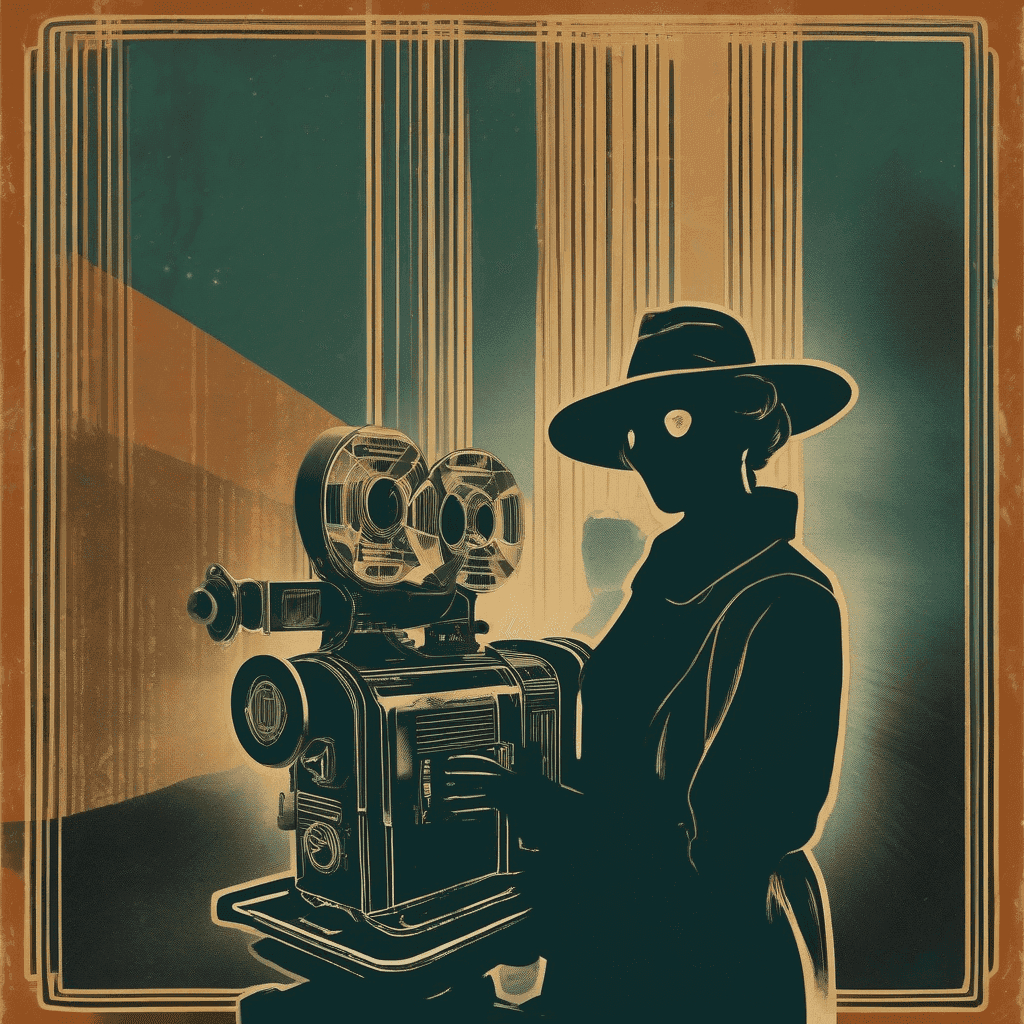
“Discover the hidden lineage of cult cinema, from silent outlaws to hypnotic violinists, and how these early anomalies birthed the modern midnight movie culture.”
The history of cult cinema is often narrated as a post-1960s phenomenon, a product of the midnight movie circuit and the counter-cultural explosion. However, the true DNA of the cinematic outlier was spliced much earlier, in the flickering shadows of the silent era. Long before the 1970s brought us the transgressive and the bizarre, the pioneers of the 1910s and 20s were already experimenting with the very themes that define modern niche devotion: the glorification of the misfit, the exploration of moral grey areas, and the hypnotic power of the visual medium to transcend traditional narrative boundaries. To understand the modern cultist, one must first look back at the original renegades of the silver screen.
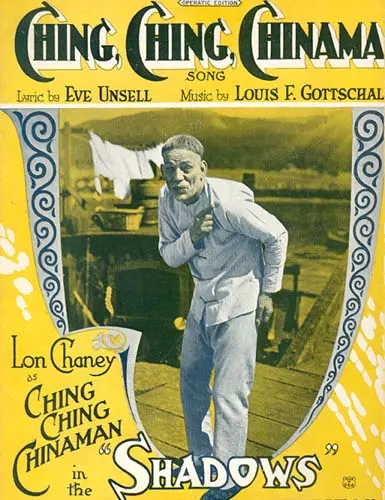
The Archetype of the Outlaw: From 'The Narrow Trail' to Modern Rebellion
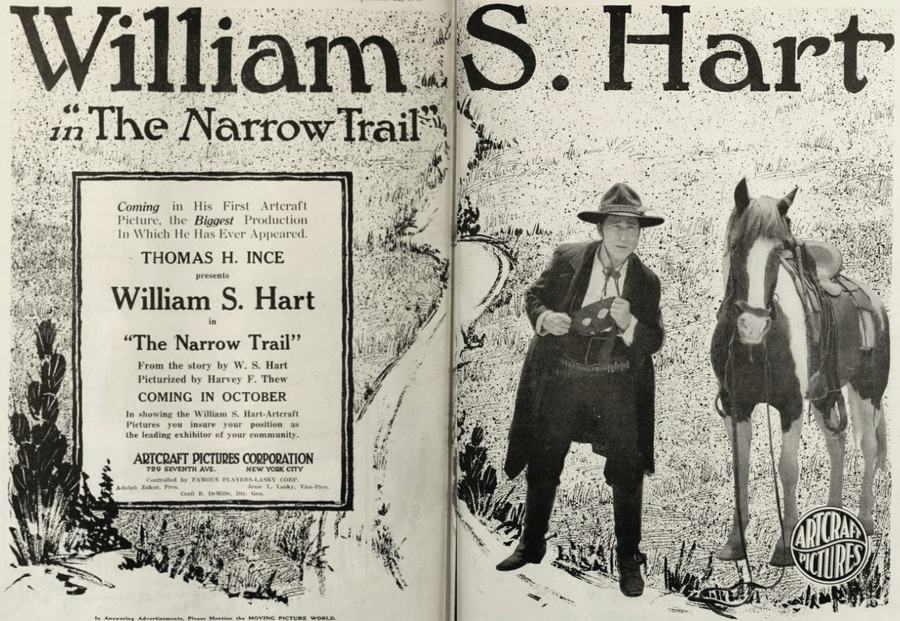
At the heart of every cult film lies a protagonist who refuses to fit within the societal mold. This archetype was perfected in the early westerns and dramas of the silent age. Take, for instance, The Narrow Trail. In this film, we see Ice Harding, a leader of outlaws who finds a kindred spirit in a wild horse. This bond between man and beast, existing outside the law, prefigures the modern cult obsession with the 'noble rebel.' The film’s focus on the fringe of society—the rugged, the untamed, and the misunderstood—resonates with the same energy that draws audiences to characters who live on the edge of the frame.
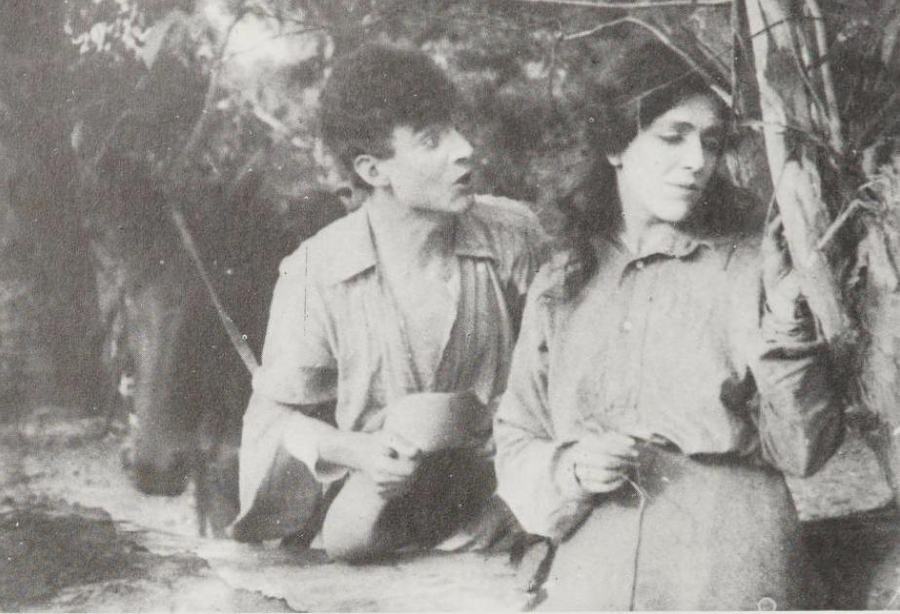
Similarly, The Midnight Raiders showcased the terror and allure of the nocturnal gang, a trope that would eventually evolve into the urban gangs of later cult classics. These early depictions of 'night riders' and pillaging outlaws tapped into a primal fear and fascination with those who operate under the cover of darkness. The sheriff’s daughter, caught between the law and the lawless, represents the audience’s own precarious position: we are fascinated by the danger even as we seek the safety of the resolution.
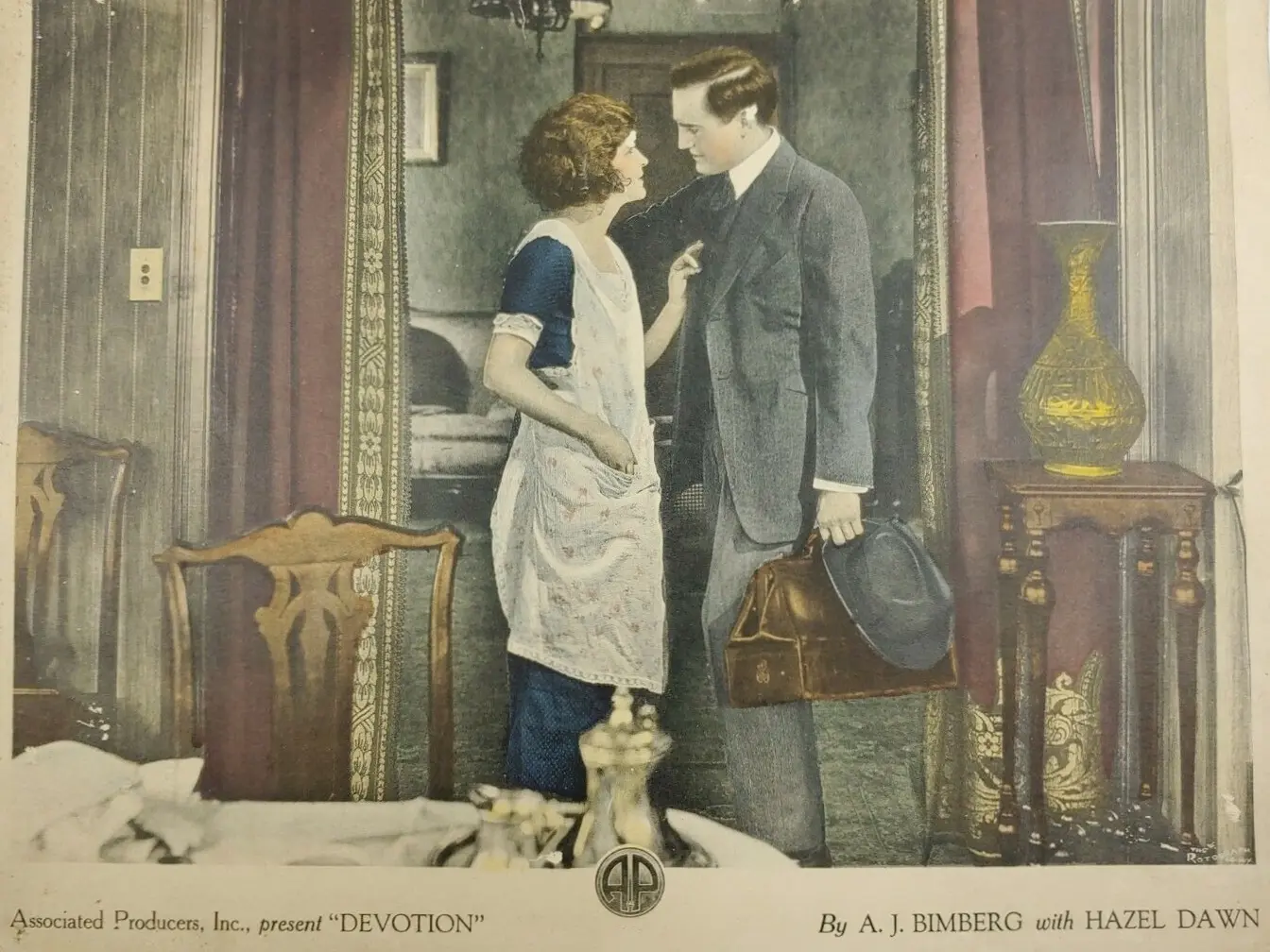
Social Subversion and the 'Marriage Market' of Early Cinema
Cult cinema often thrives on the subversion of traditional family and romantic structures. In the 1910s, films like The Marriage Market and Misfits and Matrimony were already deconstructing the sanctity of the domestic sphere. In Misfits and Matrimony, the selling of kisses for charity becomes a catalyst for psychological breakdown, highlighting the fragile nature of social performance. When the protagonist forgets her existing marriage in the heat of the 'market,' the film touches on a transgressive nerve—the idea that our social identities are merely masks that can slip at any moment.
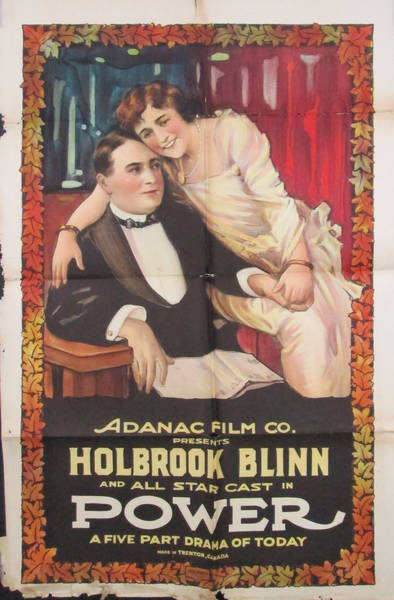
This theme of social performance is further explored in The Heiress at Coffee Dan's, where a simple waitress is transformed into a fake heiress by a pair of crooks. This 'identity play' is a cornerstone of cult narratives, where the 'nobody' becomes the 'somebody' through deception or destiny. It mirrors the experience of the cult fan, who often finds a secret, elevated identity within the niche community of their favorite film. The 'Coffee Dan's' hash-house becomes a sanctuary for the overlooked, much like the grindhouse theaters of the 1970s would become for the disenfranchised.
The Hypnotic Pull: Psychological Allure and the Macabre
If there is one film from this era that captures the 'cult' spirit of obsession and psychological control, it is The Hypnotic Violinist. The story of Zigo, a musician who uses his art to cast a spell over a doctor’s wife, is a literalization of the cinematic experience itself. Cult films often act as a form of hypnosis, drawing viewers back for repeated viewings through their unique atmosphere and rhythmic editing. The 'hypnotic' quality of early cinema, often forced by the lack of synchronized sound, required a heightened visual language that spoke directly to the subconscious.

We see a similar darkness in Dangerous Lies, where a husband’s return from the dead leads to a fatal assault. This intersection of the domestic and the horrific is a hallmark of the 'cult' sensibility. It refuses to provide easy comfort, instead opting for a visceral, unsettling climax. The Ordeal of Rosetta, with its backdrop of a Sicilian earthquake and the separation of twin sisters, uses natural disaster as a metaphor for internal psychological trauma—a technique that would be refined by later masters of cult horror and melodrama.
Moral Ambiguity: The Birth of the 'Grey' Protagonist
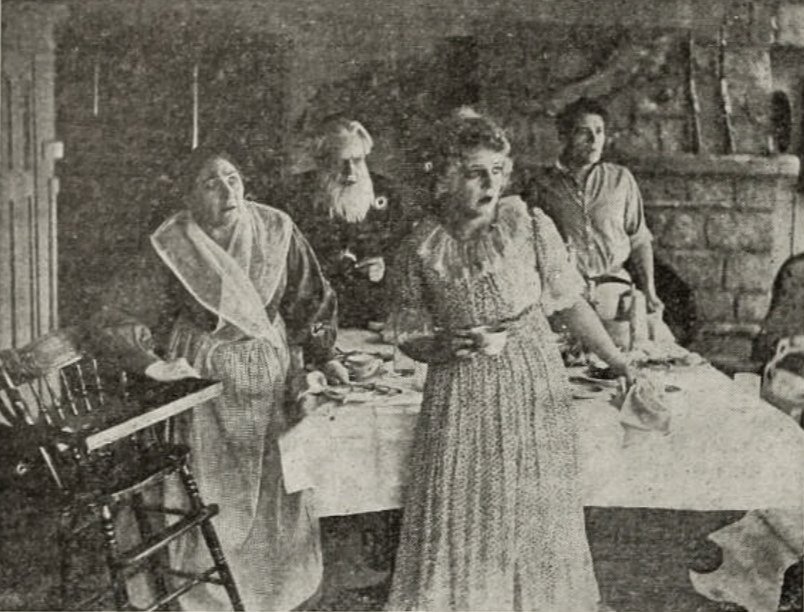
Modern cult cinema is defined by its rejection of the black-and-white morality of mainstream blockbusters. This 'grey' morality was present in the silent era's most daring works. A Gamble in Souls presents a fascinating collision between a mission worker on the Barbary Coast and a cynical chorus girl. Their meeting on a ship, far from the watchful eyes of society, allows for a moral complexity that was rare for the time. It asks: can a soul be 'gambled' upon? Who is truly in need of saving?
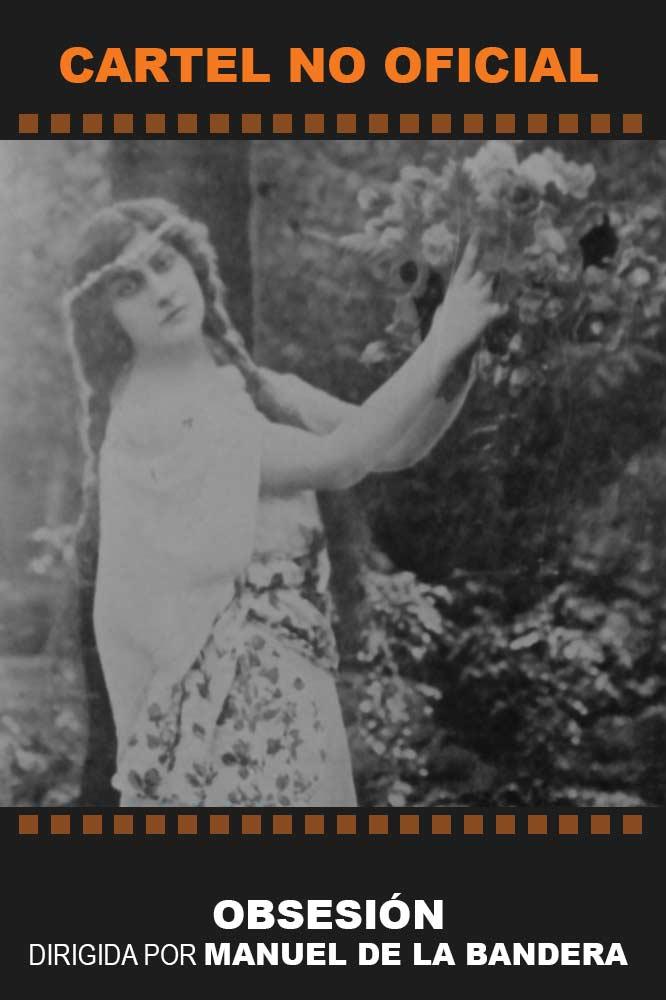
Even more striking is The Fear Woman, which tackles the hereditary nature of alcoholism. When Helen Winthrop discovers her family’s history of ruinous drinking on the night of her engagement, the film enters a territory of deterministic gloom that is deeply 'cult.' It rejects the 'happily ever after' in favor of a haunting exploration of genetic legacy. This same dark fascination with the 'sins of the father' can be seen in Sins of Ambition, where the pursuit of a universal language leads to the neglect of a spouse, driving her toward a risky life on the stage. These films suggest that the pursuit of greatness—or even just survival—often comes at a devastating moral cost.
The Global Fringe: Cross-Cultural Cult Foundations
Cult cinema is a global language, and the early 20th century saw the emergence of niche masterpieces from every corner of the world. Arshin mal-alan, set in turn-of-the-century Baku, offers a comedic yet pointed look at the marriage customs of Azerbaijan. Its success across borders proved that the 'outsider' perspective is universally relatable. Similarly, Miyama no otome from Japan and Naar Hjertet sælges from Denmark demonstrate that the 'cult' impulse—the desire to tell stories that are strange, specific, and visually arresting—was a worldwide phenomenon.
In Anna Karenina, we see the ultimate cult tragedy: the woman who sacrifices everything for a passion that society cannot tolerate. While now considered a classic, the early cinematic adaptations of Tolstoy’s work were often viewed through a lens of scandalous melodrama. The intense focus on Anna’s 'pain and social pressure' made her a proto-cult icon—a woman whose internal life was too vast for the world she inhabited. This sense of 'too-muchness' is exactly what draws fans to cult figures today; they are characters who overflow the boundaries of their own stories.
Identity and the 'Half-Breed': The Cinema of the Other
One of the most potent themes in cult cinema is the 'Other'—the individual who exists between two worlds. Half Breed, a story of rivalry and identity, touches on the racial and social tensions that have always simmered beneath the surface of popular entertainment. By centering the narrative on those who are marginalized by their heritage, these films created a space for audiences who felt similarly 'in-between.' This cinema of the 'Other' is the bedrock of the cult community, which often sees itself as a refuge for those who don't fit into the mainstream.
In Under False Colors, a Russian woman escapes persecution only to assume a false identity in America. This 'chameleon' existence is a recurring motif in cult film, reflecting the fluid and often precarious nature of identity in a modernizing world. Whether it’s the twin brothers in Honor First switching places on the battlefield or the widow in What Would You Do? fleeing to South America to escape a crime she didn't commit, early cinema was obsessed with the idea that we are not who we say we are.
The Industrial and the Mundane: 'Balling the Junk' and the Cult of the Real
Finally, we must acknowledge the 'cult of the document.' Not all cult films are narratives; some are fascinations with the world as it is. Balling the Junk, a short documentary from the era, and The Pendleton, Oregon, Round-Up, a record of a rodeo, represent the audience’s hunger for the authentic and the peculiar. Cult fans often obsess over the 'texture' of a film—the way a certain era looks, the specific mechanics of a process, or the raw energy of a live event. These early 'actualities' provided the first glimpses of a world beyond the viewer’s immediate experience, sparking a niche curiosity that would eventually lead to the 'mondo' films and experimental documentaries of the later century.
Even the seemingly mundane, like His First Job or Nimrod Ambrose, offered a comedic look at the struggles of the working class. These shorts, often dismissed as mere filler, built a rapport with audiences through shared frustration and slapstick resilience. They remind us that the 'cult' experience is often found in the small, the overlooked, and the everyday—the 'junk' that, when viewed through the right lens, becomes treasure.
Conclusion: The Eternal Flicker
The films of the 1910s and 20s were not just precursors to modern cinema; they were the architects of the cult soul. By embracing the misfit (Dinty), the transgressive (Sins of Ambition), and the visually hypnotic (The Hypnotic Violinist), these early creators established a legacy of rebellion that continues to thrive in the midnight screenings and online forums of today. As we look back at The Master of the House or The World for Sale, we see the same sparks of defiance and obsession that ignite the passions of modern cinephiles. The celluloid séance continues, summoning the ghosts of the past to guide the rebels of the future. The cult movie is not a genre; it is a spirit, and that spirit was born in the silent, flickering light of a century ago.
Community
Comments
Log in to comment.
Loading comments…