
Cult Cinema, Deep Dive
The Crucible of Fandom: How Unconventional Cinema Forges Enduring Devotion
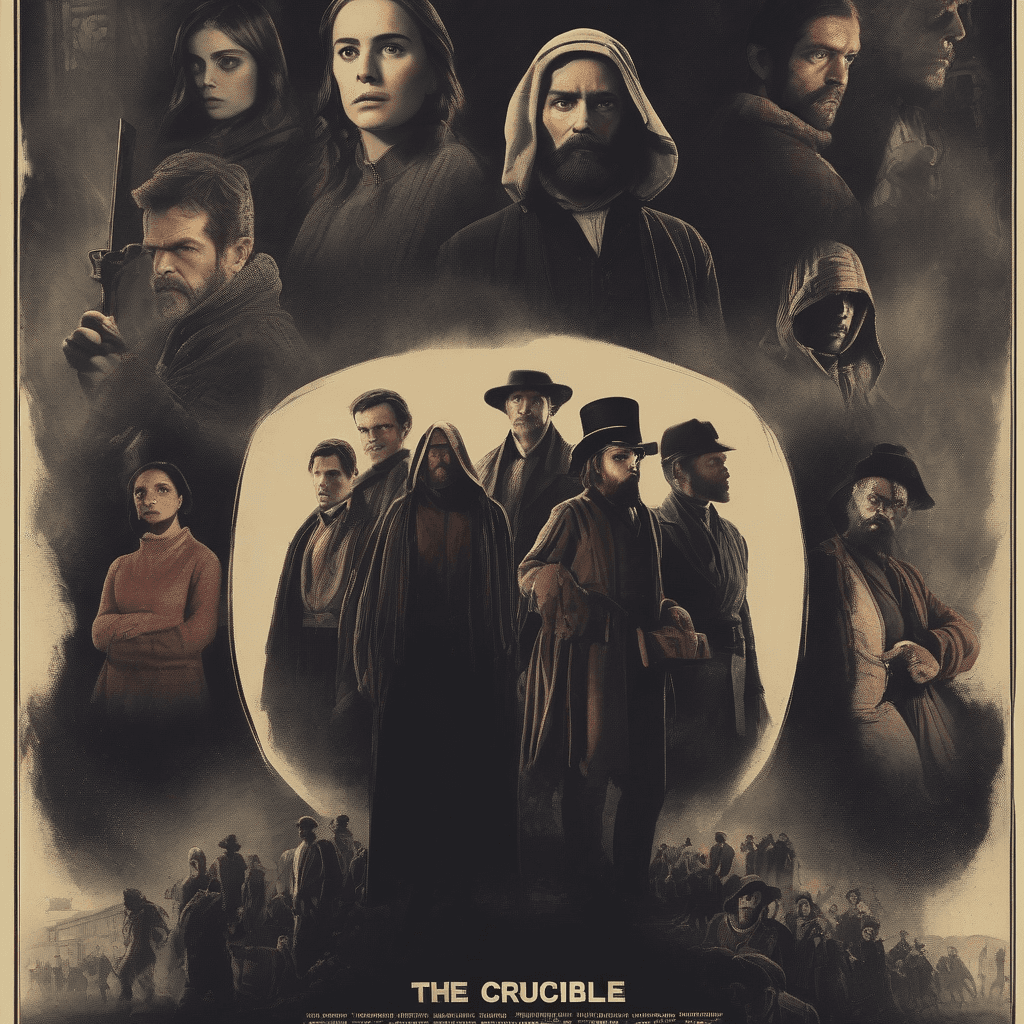
“Dive into the fascinating world of cult cinema, exploring how films that defy convention, challenge norms, or simply possess a unique, inexplicable charm, transform from overlooked curiosities into objects of fervent, enduring devotion for dedicated audiences worldwide.”
In the vast, ever-expanding universe of cinema, certain films refuse to be confined to the conventional. They are the outliers, the eccentrics, the glorious misfits that, for myriad reasons, fail to capture mainstream adoration upon release yet burn with an intense, enduring flame in the hearts of a devoted few. This is the realm of cult cinema, a fascinating phenomenon where initial obscurity often paves the way for a passionate, almost religious, following. These aren't just movies; they are experiences, catalysts for community, and often, reflections of societal anxieties, desires, or the sheer joy of the bizarre. But what is it that elevates a film from mere obscurity to a cult classic? It's a complex alchemy, a blend of transgressive narratives, unforgettable characters, unique aesthetics, and a profound resonance with a niche audience seeking something beyond the ordinary.
The Maverick Spirit: Challenging the Cinematic Status Quo
At the heart of cult cinema's enduring appeal lies a rebellious spirit, a willingness to deviate from established norms and commercial expectations. These films often push boundaries, whether through unconventional storytelling, challenging moral conventions, or simply presenting a vision so singular it stands apart. Consider the daring audacity of a film like Filibus, a 1913 Italian silent film featuring a stylish, aristocratic female sky-pirate who commits audacious robberies from her airship, disguised as a baron, and outwits a determined detective. This proto-superheroine narrative, with its gender-bending protagonist and fantastical elements, was inherently transgressive cinema for its era, laying groundwork for future genre-defying works that would captivate niche audiences.
Similarly, films that delved into the darker corners of the human psyche or societal taboos often found their way into this cinematic underground. Hypnose, with its unsettling premise of a hypnotist’s obsessive interest in a young woman, explores themes of control, vulnerability, and psychological manipulation. While perhaps not a commercial hit, its thematic depth and potentially disturbing elements would resonate with audiences drawn to the macabre and the morally ambiguous. The 1917 drama Saint, Devil and Woman, which sees a convent-raised girl fall under a dark influence and threaten society, is another prime example. Its exploration of innocence corrupted and the struggle between good and evil, delivered with melodramatic fervor, touches upon primal fears and desires that can foster a devoted fandom.
Even seemingly simpler narratives could challenge prevailing sensibilities. A Perfect Lady (1918) tells the story of a burlesque dancer who overcomes the puritanism of a repressed small town. This narrative, championing an outsider figure against societal judgment, directly confronts moral conservatism. Such unconventional narratives, whether through fantasy, psychological drama, or social commentary, plant the seeds for future cult status by offering perspectives and experiences largely absent from the mainstream.
The Allure of the Anomalous: When Weirdness Becomes Wonderful
Beyond overt transgression, many cult films simply possess an undeniable weirdness, a unique aesthetic or narrative quirk that sets them apart. This distinctiveness often proves to be their greatest strength in attracting a niche audience. Think of A Message from Mars (1921), a fantasy-comedy where a selfish young man is visited by a Martian tasked with teaching him altruism. Its blend of early science fiction, morality play, and comedic elements makes for a truly peculiar viewing experience – precisely the kind of oddity that can captivate those seeking something truly different from the typical fare.
Early animation, too, provided a fertile ground for the anomalous. The Awful Spook, a Krazy Kat cartoon, exemplifies this with its surreal humor and anthropomorphic antics. These shorts, with their often nonsensical plots and distinct visual styles, cultivated an early appreciation for the absurd and the imaginative, paving the way for animated works that would later become cult icons. Even short comedies like Chicken à la Cabaret, featuring a chaotic magician's act, or Billy the Janitor and Foxy Ambrose, likely built on slapstick and character-driven humor, could foster an intimate connection with audiences who found joy in their specific brand of entertainment, leading to repeated viewings and shared amusement.
Films dealing with forbidden love or societal outsiders also carved out their own cinematic spaces. Forbidden Paths, exploring an interracial romance between a Japanese man and his American employer's daughter, tackled a highly sensitive subject for its time. Such a narrative, daring to depict relationships that challenged social norms, would undoubtedly have resonated deeply with audiences who felt marginalized or understood the complexities of such connections. This capacity to speak to marginalized experiences, or simply to present a world askew, is a hallmark of the maverick films that form the bedrock of cult cinema.
Unforgettable Archetypes: Characters That Resonate Deeply
A crucial ingredient in the cult film recipe is often a memorable character – an anti-hero, an eccentric, a tragic figure, or someone who embodies defiance. These characters become touchstones for audiences, their struggles and triumphs mirroring, or exaggerating, aspects of the human condition. In Hell Morgan's Girl, we encounter Roger, a son disowned for pursuing art, who descends into dereliction before finding a path to redemption. This portrayal of an artist as an outcast, struggling against societal expectations, speaks to a timeless theme of individuality versus conformity, a common thread in cult narratives.
Similarly, the titular Russian Princess in Fedora (1916), who pledges vengeance after her lover's assassination, embodies fierce determination and tragic fate. Such strong, driven female characters, particularly in early cinema, offered powerful figures for identification and admiration, contributing to a film's lasting impact. Even characters in seemingly straightforward dramas, like the wealthy rancher Jim McPherson in A Child of God, whose 'rough-hewn ways' initially repel but ultimately attract, represent archetypes of masculinity and independence that can resonate with specific demographics.
The power of these characters often lies in their imperfections and their journey. Arthur in Fool's Paradise, blinded and duped in love, evokes sympathy and perhaps a morbid fascination with his misfortune. His story, a blend of romance, tragedy, and deception, highlights the complexities of human relationships and vulnerability. These are not always 'likable' characters in the traditional sense, but they are compelling, often flawed, and deeply human (or sometimes, delightfully inhuman, as with Filibus). Their struggles and unique personalities foster a powerful connection, making them magnets for fanatical fandom.
The Rediscovery and Resonance: From Obscurity to Icon Status
Many films that eventually achieve cult status were not initially recognized for their brilliance or unique qualities. They might have been commercial failures, critically dismissed, or simply too ahead of their time. The passage of years, however, often brings a fresh perspective, allowing audiences to appreciate what was once overlooked. A film like The Yellow Stain, a legal drama about a young lawyer battling a corrupt lumber king, might have been seen as conventional in its day. Yet, its themes of social justice, corporate greed, and the fight against systemic power are timeless, allowing it to be rediscovered and appreciated for its sharp critique and dramatic tension by modern audiences interested in socially conscious cinema.
Even documentary films, while not typically thought of as cult objects, can find a devoted following. The Valley of Ten Thousand Smokes, documenting a National Geographic expedition to an Alaskan volcano, offers a unique historical snapshot of scientific exploration and natural wonder. For enthusiasts of early non-fiction, geology, or adventure, such a film becomes a treasured hidden gem, offering insights into a bygone era and the raw power of nature. These films demonstrate that cult appeal isn't solely about transgressive narratives; it's also about fulfilling a specific, often scholarly or niche, interest with exceptional, if overlooked, content.
The concept of “midnight movies”, a term often associated with the communal viewing of cult films, might not have been literally applicable to many of these silent-era examples. However, the spirit of clandestine, passionate viewing of something outside the mainstream certainly existed. Imagine groups of friends gathering to watch the elaborate historical drama of L'agonie des aigles, or the intricate plot twists of Parisette, finding shared meaning and enjoyment in their unique complexities. This shared experience, even if informal, is the genesis of cult fandom.
The Enduring Legacy: Why Cult Films Matter
Ultimately, cult cinema is more than just a collection of odd films; it's a testament to the diverse tastes of audiences and the boundless creativity of filmmakers. From the romantic intrigues of Cardinal Richelieu's Ward to the social commentary of Life's Shop Window, each film, in its own way, offers something beyond mere entertainment. They invite contemplation, provoke discussion, and foster a sense of belonging among those who appreciate their particular brand of magic.
Films like Upstairs and Down, with its "Baby Vamp" character challenging social expectations, or Man and Woman, exploring redemption in an exotic setting, showcase the varied ways cinema could explore human nature and societal pressures. Even seemingly lighthearted comedies, such as The Love Expert or Oh, Lady, Lady, through their distinctive humor and characterizations, contribute to the rich tapestry of films that might not be universally acclaimed but hold a special place for a devoted audience.
The enduring legacy of cult cinema lies in its ability to transcend time and initial reception. These films become cultural touchstones, passed down from one generation of cinephiles to the next. They remind us that true value in art isn't always measured by box office receipts or critical consensus, but by the depth of connection forged with an audience, however small. Whether it's the fantastical escapades of The Footsteps of Capt. Kidd, the dramatic intensity of A Branded Soul, or the subtle social observations of The Beauty Market, each film contributes to the vibrant, ever-evolving canon of unconventional cinema.
From the earliest silent features to today's indie darlings, the cult film phenomenon continues to thrive, fueled by a collective hunger for originality, rebellion, and narratives that dare to be different. It’s a space where the marginalized find their voice, the strange is celebrated, and cinema's true power to connect and inspire is on full, glorious display. These films, once relegated to the fringe, have proven to be the very crucible where enduring devotion is forged, ensuring their place in cinematic history, not as footnotes, but as vibrant, beating hearts of an alternative canon.
Community
Comments
Log in to comment.
Loading comments…