
Cult Cinema Deep Dive
The Deviant's Altar: Exploring the Primal Roots of Niche Obsession in Cinema's Forgotten Fringe
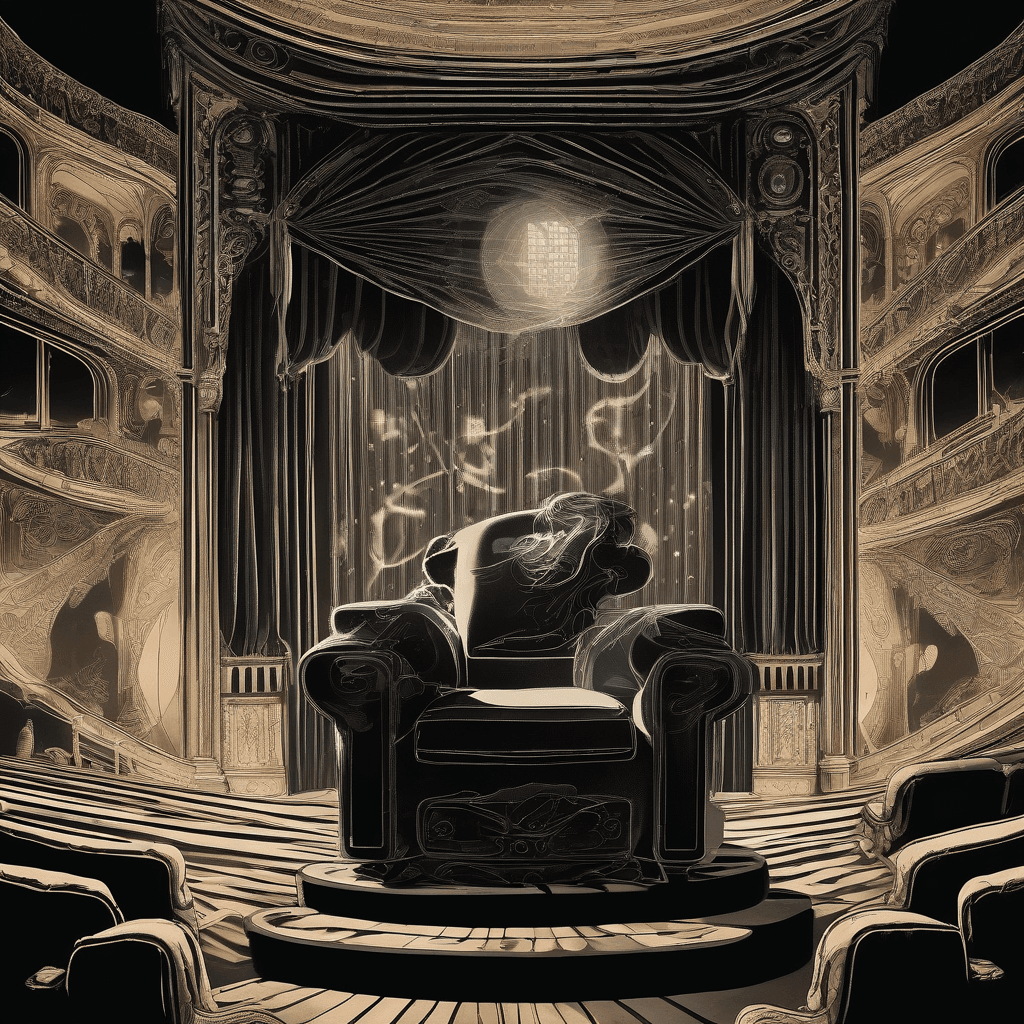
“A deep dive into how the misfit narratives and obscure gems of early cinema's first century laid the groundwork for modern cult movie devotion and the midnight movie mindset.”
Before the term "midnight movie" ever graced a marquee, and long before cult cinema became a codified academic discipline, the seeds of cinematic obsession were being sown in the flickering shadows of the silent and early sound eras. To understand why we worship at the altar of the obscure today, we must look back at the cinematic outcasts of the early 20th century—films that dared to be different, films that were lost to time, and films that spoke to the misfits of society in a language only they could understand.
The Orphaned Narrative: Finding Home in the Unconventional
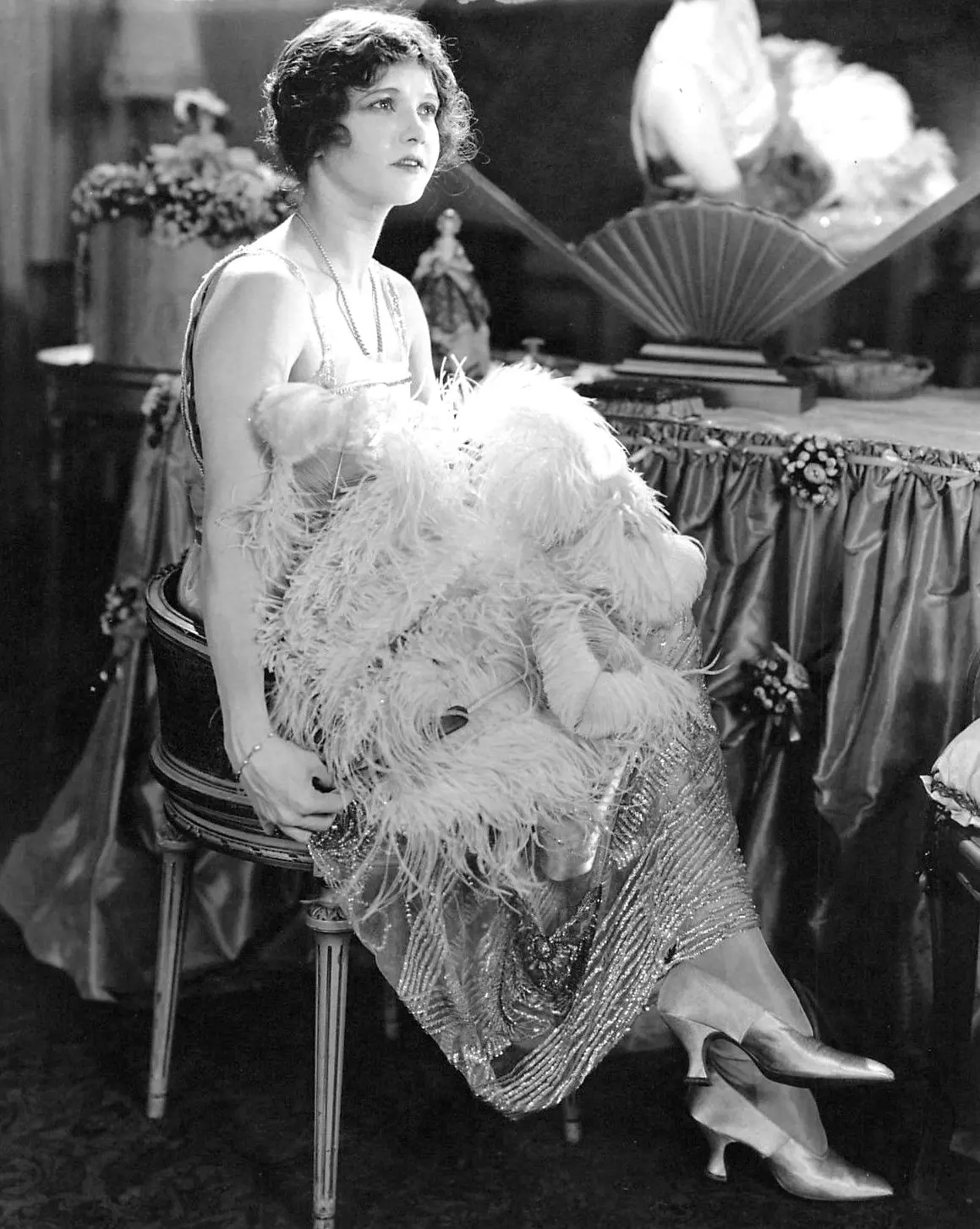
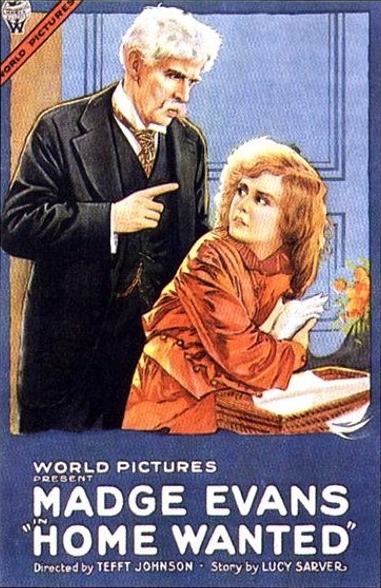
At the heart of every cult film lies a sense of longing—a desire to find belonging in a world that feels alien. This theme is deeply embedded in the DNA of early cinema. Take, for instance, the 1919 film Home Wanted. The story of Madge Dow, an orphan who imagines herself in the lighted rooms of others, is more than just a sentimental drama; it is a metaphor for the cult film viewer. We, the audience, often find ourselves looking into the "lighted rooms" of mainstream cinema, only to realize we belong in the shadows. The cult experience is about finding a "home" in narratives that the rest of the world has discarded.
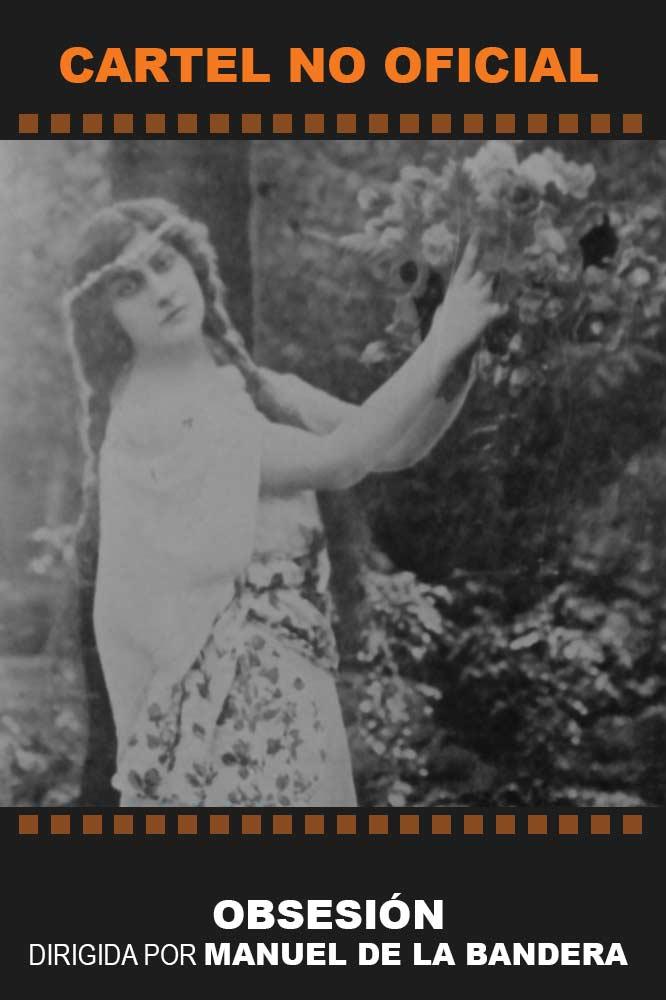
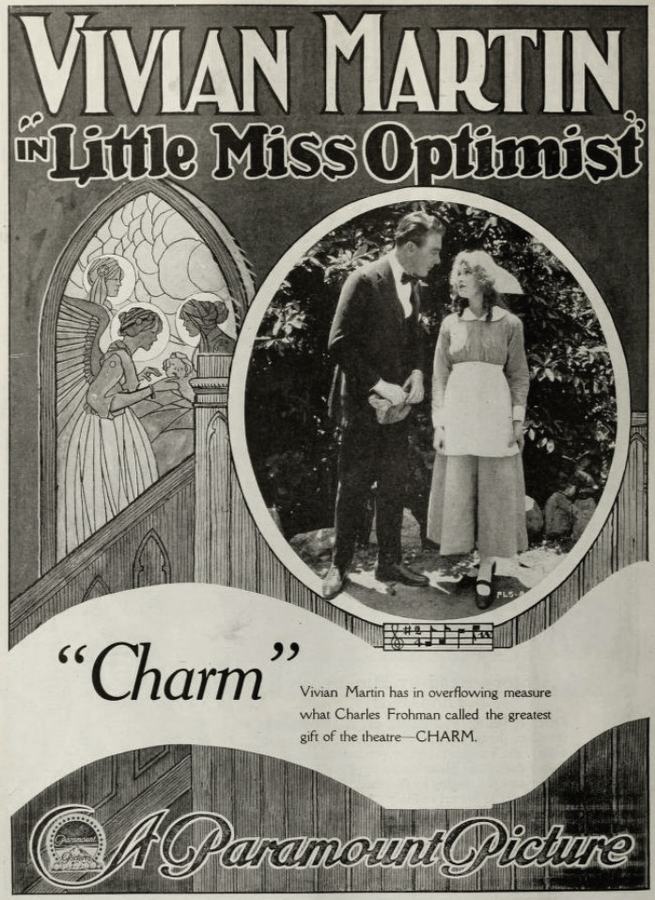
Similarly, Little Miss Optimist (1917) presents us with Mazie-Rosie Carden, a waif selling papers on the street. Her "lucky dime" and her unyielding spirit in the face of poverty mirror the resilience of the cult fan. We hold onto our "lucky dimes"—our obscure VHS tapes, our forgotten digital files—because they represent a survivalist aesthetic. These early stories of orphans and waifs were the first to tap into the emotional frequency of the outsider, a frequency that would later broadcast The Rocky Horror Picture Show and Pink Flamingos.
The Identity of the Other: Transgression and Social Disgrace
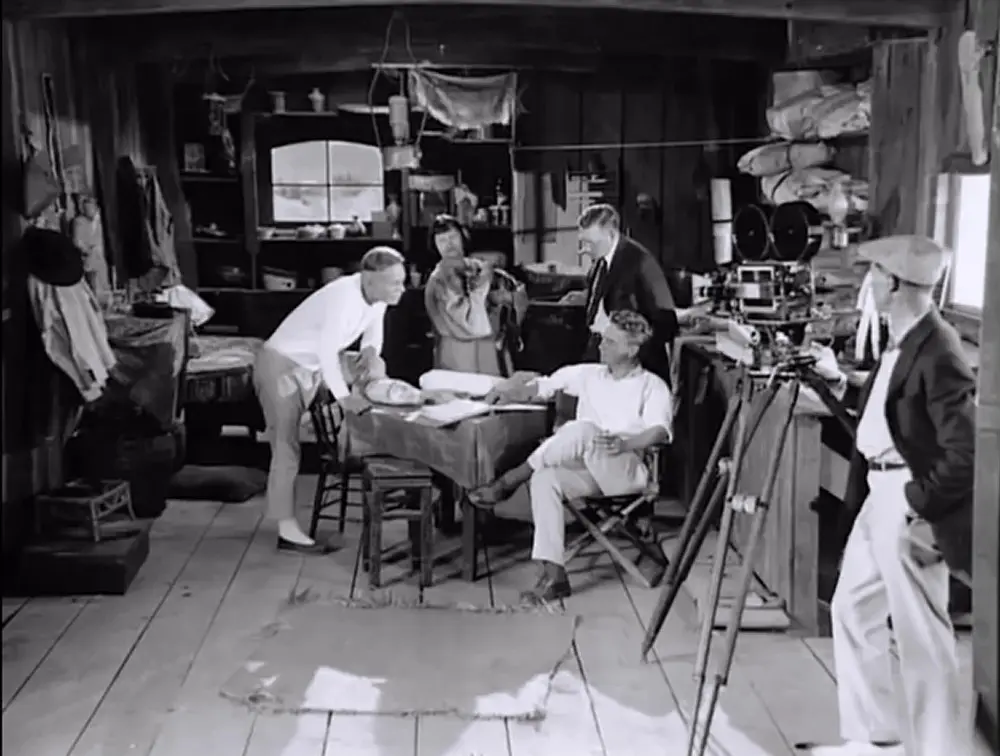
Cult cinema thrives on transgression, on the blurring of social boundaries and the exploration of identity. In the 1917 film Hashimura Togo, we see a protagonist who bears the burden of disgrace and leaves his homeland for the United States. This narrative of displacement and the struggle for identity is a recurring motif in cult history. Whether it's the gender-bending of 1970s underground film or the body horror of the 1980s, the "Other" is always the hero of the cult canon.
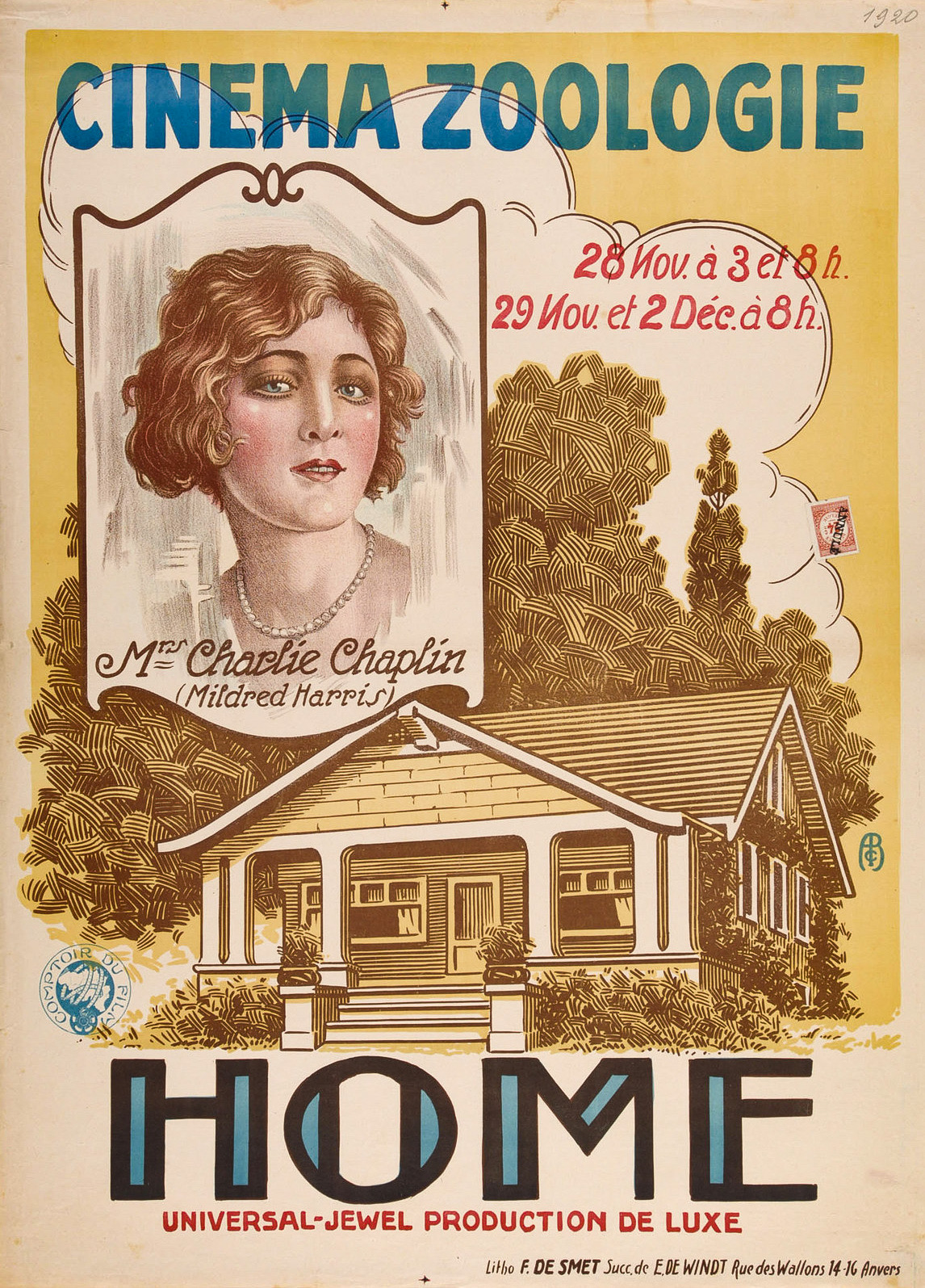
The 1917 production of The Double Standard takes this a step further by challenging the legal and moral hypocrisies of its time. By promising "equal justice for all" in the dives and cabarets of the city, the film critiques the very society it depicts. This spirit of defiance is what defines the cult movie soul. It is not enough for a film to be weird; it must also, in some way, stand in opposition to the prevailing winds of "polite" society. The cabaret, the dive bar, the midnight theater—these are the sanctuaries where the double standards of the world are stripped away.
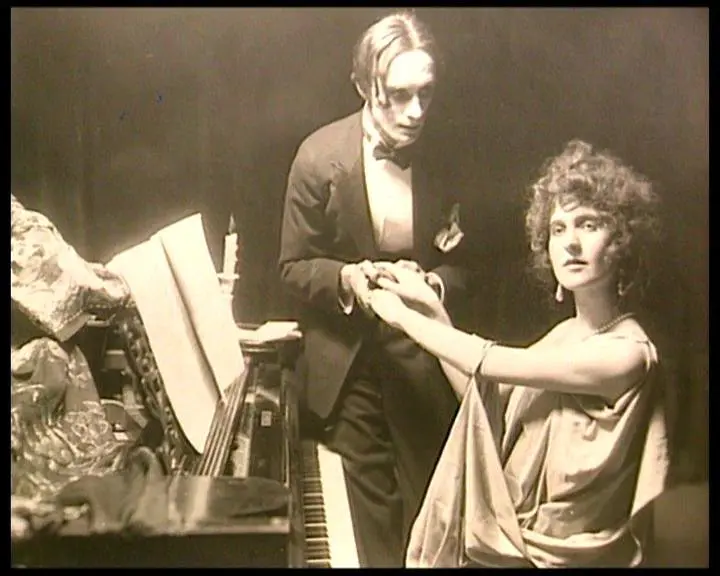
The Secret Societies of the Silver Screen
One cannot discuss cult cinema without mentioning the allure of the secret. The 1917 thriller The Silent Master introduces us to a leader of a band of Parisian Apaches who mete out their own private justice. This concept of a subterranean world, operating by its own rules, is a foundational element of cult obsession. We don't just watch these films; we join their tribes. We become part of the "band of Apaches," the secret society of viewers who know the codes and the handshakes.
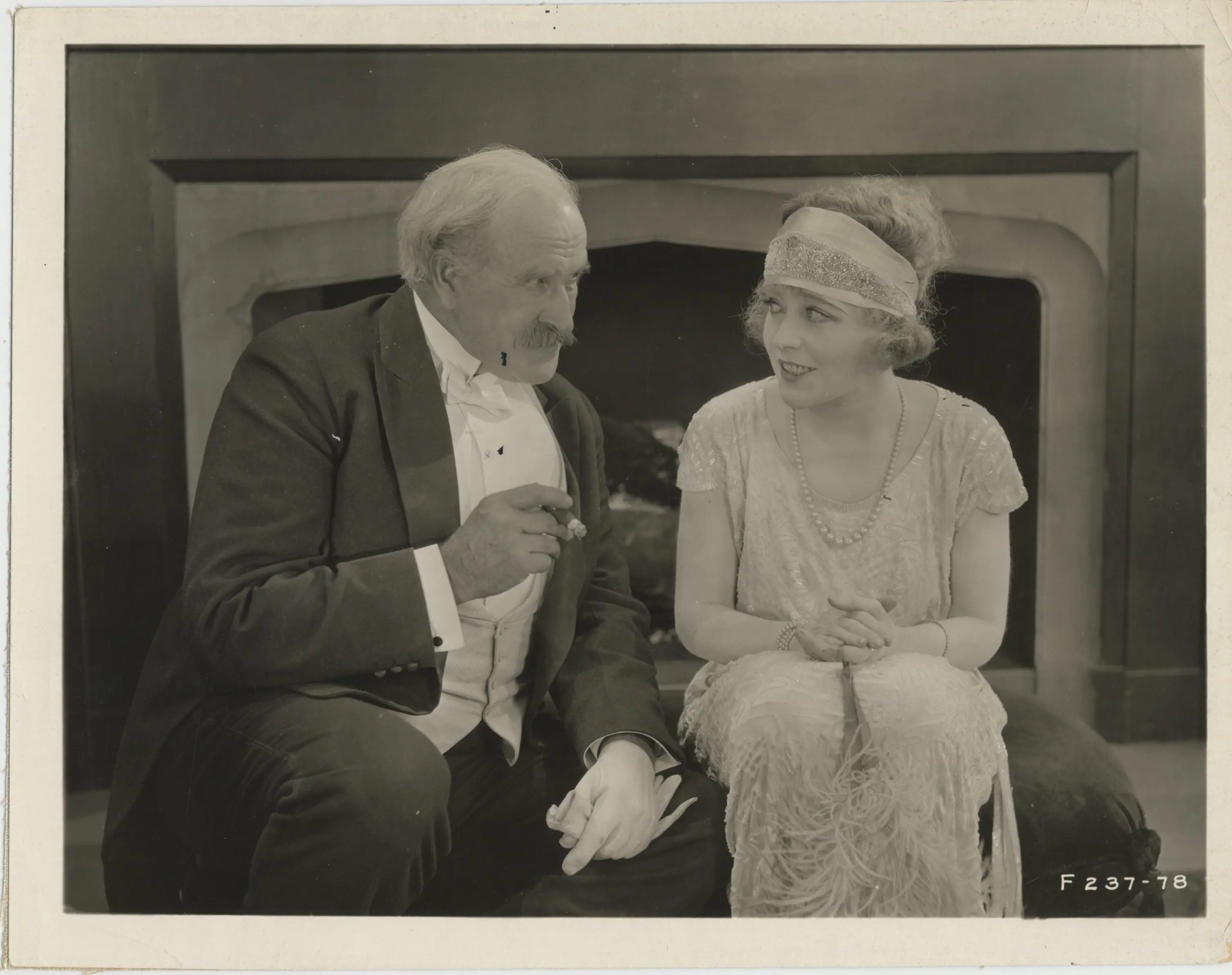
This sense of mystery is echoed in The Unseen Witness (1920), where a murder in a library points to a secretary who was fired for a secret engagement. The "unseen" is the operative word here. Cult cinema is the art of the unseen—the hidden gems, the suppressed reels, the films that were too dangerous or too strange for the general public. When we watch The Flash of an Emerald (1915), we are witnessing the tragic end of a crook who becomes "hopelessly lost." There is a certain romanticism in that loss, a fascination with the characters who fall through the cracks of the narrative and the world.
Genre Mutants and the Birth of the Midnight Mindset
The 50 films that serve as our context are a testament to the sheer variety of early cinema, a variety that would eventually be narrowed down by the studio system. In these early days, genre was a fluid, mutating thing. A Fight for Millions (1918), a 15-episode serial, represents the ancestors of the binge-watching culture. The serial format, with its cliffhangers and repetitive rituals, is the direct progenitor of the "event" cinema that characterizes cult fandom.
Even the comedies of the era, such as Number, Please? (1920) or Peck's Bad Girl (1918), displayed a level of anarchy that modern mainstream comedy often lacks. Minnie Penelope Peck, the "village scamp," is a rebel without a cause, a precursor to the punk-rock protagonists of later cult classics. These characters didn't just exist to make us laugh; they existed to disrupt the status quo. Too Fat to Fight (1918) takes a physical attribute and turns it into a heroic journey, prefiguring the way cult cinema celebrates the non-traditional body and the underdog.
The Ritual of the Legend: Chûshingura and Cultural Memory
While Western cult cinema often focuses on the individual rebel, Eastern traditions bring a sense of ritual and collective memory to the table. The 1910-1917 versions of Chûshingura, the legend of the 47 ronin, represent the earliest surviving feature film depictions of a story that has become a cult obsession in its own right. The repetition of this story—through Mizoguchi, Inagaki, and others—mirrors the way cult fans re-watch their favorite films. It is not about the surprise of the ending; it is about the ritual of the telling.
This ritualistic quality is also found in Aladdin and the Wonderful Lamp (1917), which utilized child actors to tell a classic tale. There is something inherently "cult" about seeing familiar stories told through an unfamiliar lens. It forces the viewer to look at the world with new eyes, to see the magic in the mundane and the strange in the familiar. This is the essence of the unconventional canon.
The Geography of the Fringe: From the Rancho to the Frontier
The settings of these early films often mirrored their status as outliers. The Girl of the Rancho (1918) and A Modern Musketeer (1917) take us to the edges of civilization—the ranch, the western frontier. These are places where the rules of the city don't apply, where a person can reinvent themselves or disappear entirely. This "frontier logic" is essential to the cult film aesthetic. Whether it's the post-apocalyptic wasteland or the neon-drenched streets of a future city, cult cinema always takes place on the edge.
In The Hoosier Schoolmaster (1831 setting, 1914 film), we see that "l'arnin'" is a key to survival in a brutal world. For the cult fan, "learning" is the deep knowledge of film history, the ability to cite directors, cinematographers, and obscure trivia. Our knowledge is our armor in a world that doesn't value our obsessions. We are the schoolmasters of the Flat Creek Districts of the internet, teaching the gospel of the overlooked.
The Melancholy of the Lost: Mother Eternal and The Marriage Price
There is a profound sadness in many of these early works that resonates with the cult sensibility. Mother Eternal (1921) tells a story of a child given up and later neglected, a drama of epic emotional proportions. The Marriage Price (1919) pits a "tough fellow from out West" against a "smarmy high-society type." These are stories of class conflict and emotional betrayal that strike a chord with those who feel marginalized by the modern world.
Cult films are often the "children" that were given up by the industry—films that were deemed too sad, too slow, or too weird for a wide release. When we discover a film like The Little Girl That He Forgot (1917), we are performing an act of cinematic resurrection. We are saying that this face, this story, this "beautiful face and affectionate nature," still matters. We are the guardians of the celluloid sanctuary.
The Comedy of the Grotesque and the Absurd
Finally, we must acknowledge the role of the absurd in the birth of cult cinema. Baron Olson (1920) and Dandy navigateur (1917) offer a glimpse into a world of high-grade bachelors and maritime mishaps that feel entirely disconnected from reality. This disconnection is a hallmark of the cult experience. When a film like That's Good (1919) features a man who answers "That's good" to everything—including his own fleecing—we are entering the realm of the surreal.
The absurdity of Petticoats and Pants (1917) or Somebody Lied (1917) reminds us that cinema was once a playground for the strange and the experimental. Before the rules of continuity and logic were firmly established, filmmakers were free to follow their wildest impulses. Cult cinema is, in many ways, an attempt to return to that state of primal creativity, to find the "rube" within ourselves and embrace the madness of the screen.
Conclusion: The Eternal Flicker
The 50 films listed here, from Mr. Dolan of New York to Arrah-Na-Pogue, are more than just historical curiosities. They are the genetic material of a movement that would eventually transform the way we consume art. They taught us that the hero can be a crook, that the waif can be a saint, and that the most important stories are often the ones that are whispered in the dark.
As we continue to explore the unseen currents of film history, we must remember that every cult masterpiece was once a forgotten reel, and every forgotten reel has the potential to become a cult masterpiece. The Deviant's Altar is always open, and the flicker of the fringe will never truly fade. Whether it's a 15-episode serial or a short comedy about a fat man in the YMCA, these films remind us that the heart of cinema beats strongest when it beats for the outcasts.
In the end, we are all like Madge Dow in Home Wanted. We are all looking for that lighted room, that moment of connection, that beautiful mother-figure of a film that will tuck us into bed and tell us that our weirdness is, in fact, our greatest strength. And in the world of cult cinema, we finally find it.
Community
Comments
Log in to comment.
Loading comments…