
Film History
The Domestic Masquerade: How Early Cinema’s Fake Families Scripted the Cult of Suburban Subversion
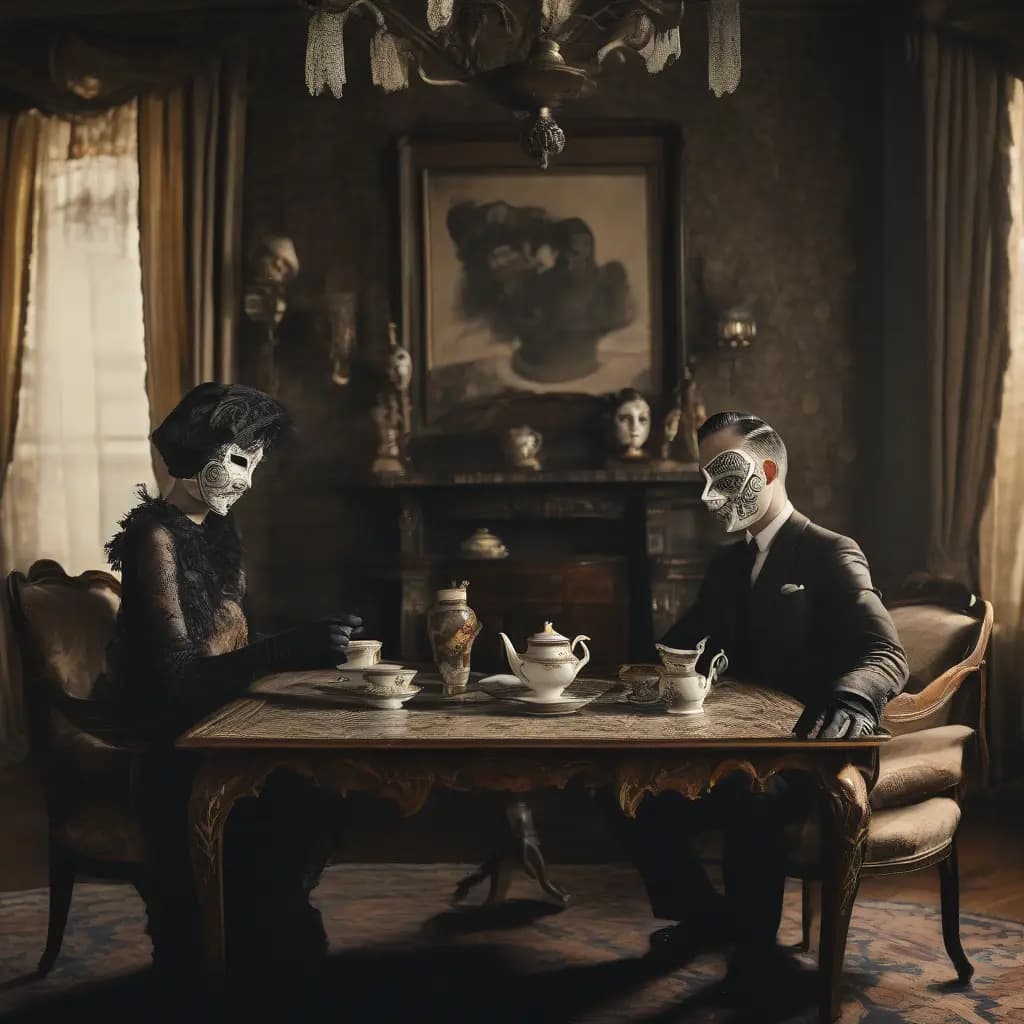
“Long before the dark underbelly of suburbia became a cult cinema staple, the silent era was already dissecting the performative nature of the 'perfect home' through tales of criminal ruses and tactical marriages.”
We are often told that the cult of 'suburban subversion'—that delicious, voyeuristic tearing down of the white picket fence—began with the neon-drenched nightmares of the 1980s or the Lynchian surrealism of the 1990s. We look at movies like Blue Velvet or The People Under the Stairs as the genesis of the idea that the domestic sphere is a stage for the grotesque. But as a historian of the fringe, I find the true blueprints much earlier, buried in the nitrate dust of the 1910s and 20s. Long before the suburbs existed in their modern form, early cinema was already obsessed with the Domestic Masquerade: the terrifying, often hilarious realization that the 'family' is not a sacred bond, but a tactical performance.
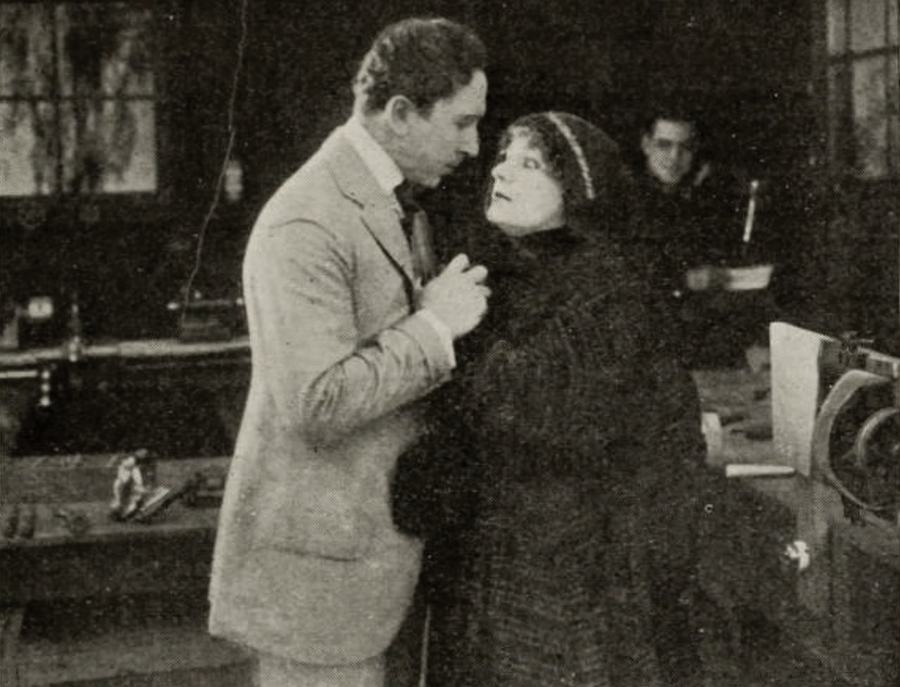
In the early twentieth century, as the middle class expanded and social mobility became both a promise and a threat, the screen became a mirror for our deepest anxieties about identity. If you could buy the right clothes, learn the right accent, and rent the right house, could you simply become someone else? This question birthed a subgenre of proto-cult films that treated the home not as a sanctuary, but as a site of elaborate subterfuge. These films didn't just entertain; they whispered to the audience that everyone, from the neighbor to the spouse, might be running a long con.
The Grifter’s Parlor: Social Mimicry in Cheating Cheaters
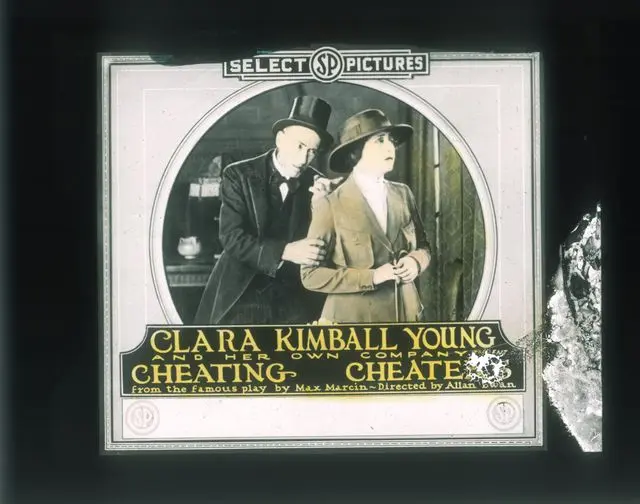
Consider the 1919 gem Cheating Cheaters. The premise is pure cult gold: two gangs of sophisticated crooks move into adjacent suburban mansions. Each gang believes the other is a fabulously wealthy, legitimate family. They spend their days performing the rituals of the high-society elite—tea parties, polite conversation, displays of refined taste—all while secretly plotting to rob their neighbors blind. It is a hall of mirrors where the 'domestic' is entirely hollow, a shell constructed out of stolen manners and rented furniture.
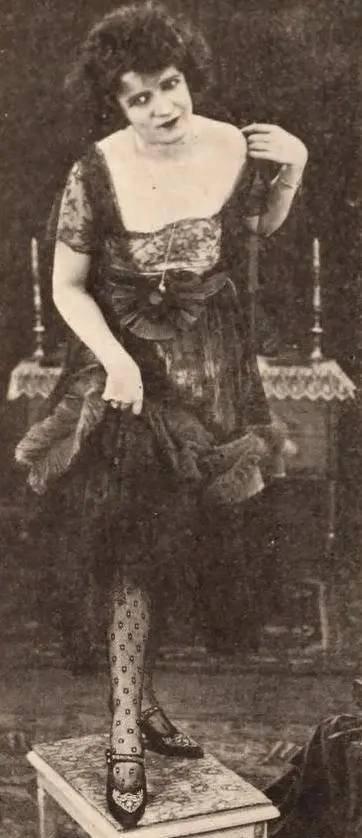
This is where the 'cult of the double life' finds its footing. The humor in Cheating Cheaters comes from the audience's awareness of the artifice. We aren't rooting for the criminals to go straight; we are fascinated by their ability to mimic the 'respectable' family unit so perfectly. It suggests that respectability itself is a kind of heist. When we watch modern cult favorites about imposters or social climbers, we are seeing the direct descendants of this 1919 satire. The film posits that the only difference between a 'good' family and a 'bad' gang is the quality of the script they are following.
Transactional Intimacy: The Tactical Marriage
If the home was a stage, then marriage was often the ultimate prop. Early cinema frequently explored the 'marriage of convenience' not as a romantic trope, but as a cold-blooded survival strategy. In The Mad Marriage (1921), we see a struggling Greenwich Village artist, Jerry, who marries his studio helper, Jane Judd, specifically because he believes she won't 'interfere' with his work. It is a domestic arrangement stripped of sentimentality, a tactical contract that mirrors the way modern cult cinema often deconstructs the 'nuclear family' as a tool for social control.
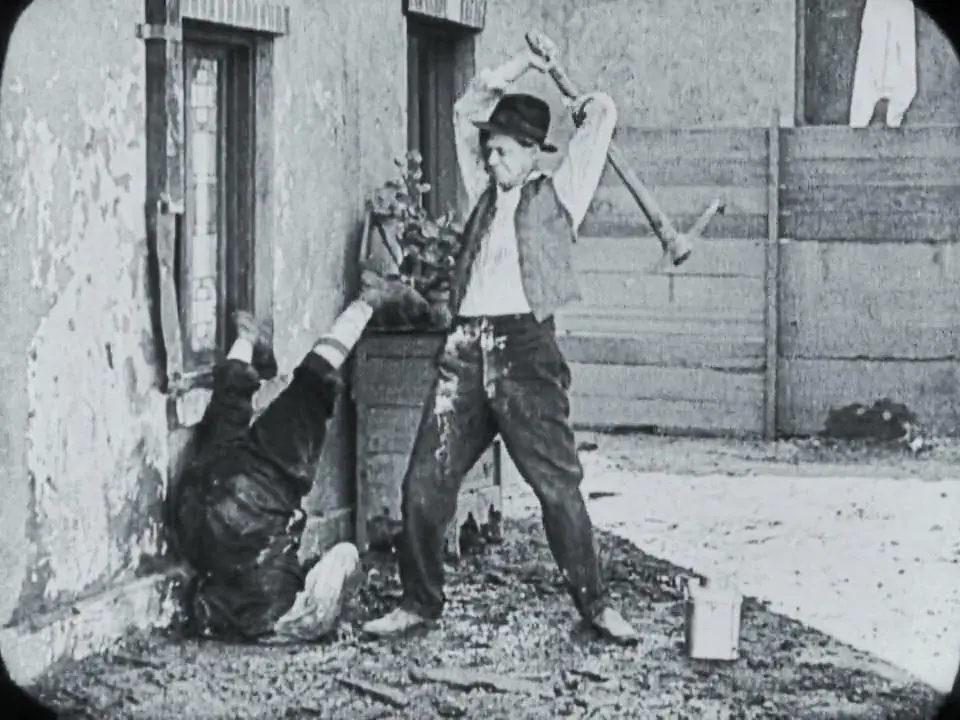
The domestic sphere in these films is never a destination of the heart; it is a fortress of the ego or a shield against the scrutiny of the law.
Similarly, in The Firing Line (1919), Sheila Cardross Malcourt is trapped in a loveless marriage with Louis Malcourt. She refuses to divorce him not out of love, but out of a performative duty to her foster parents. The 'family' here is a cage built from the expectations of others. These narratives prefigure the 'unhappy housewife' or 'trapped husband' archetypes that would later fuel the transgressive energy of 1970s and 80s cult horror. They suggest that the most dangerous place in the world is not the dark alleyway, but the breakfast table where two people are pretending not to hate each other.
The Inherited Stain: When the Underworld Goes Straight
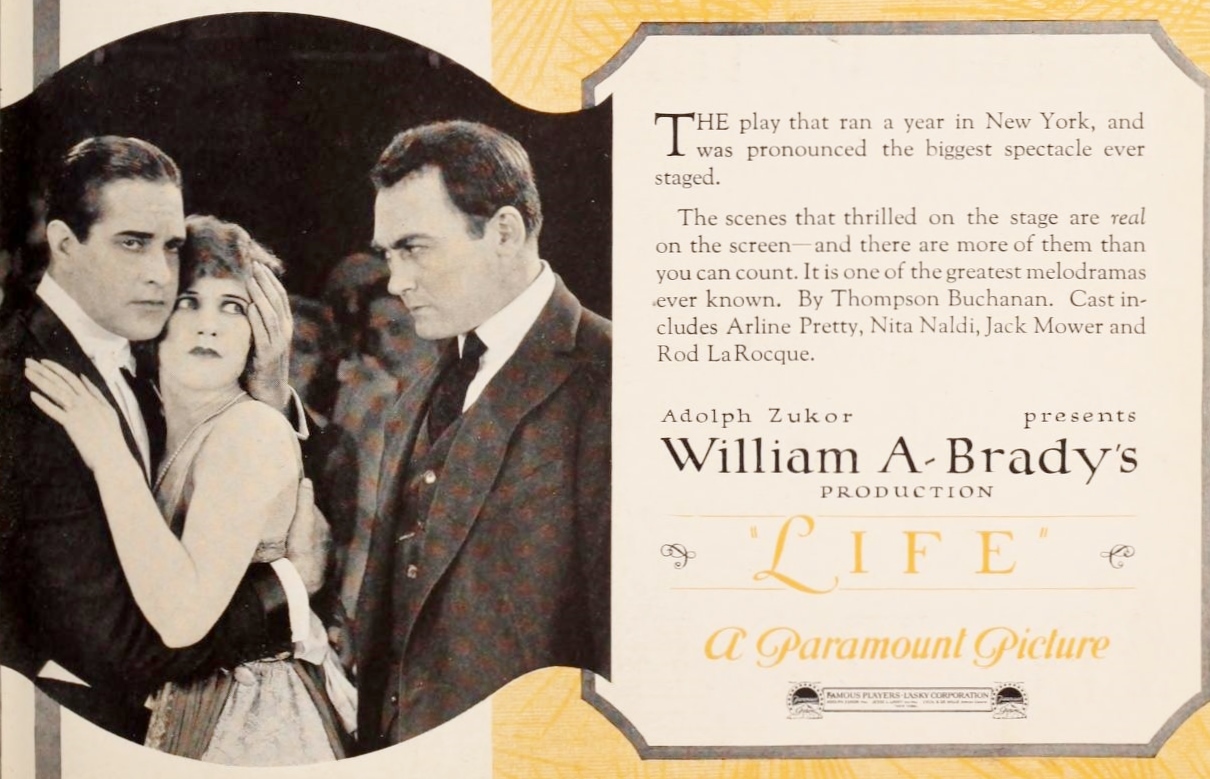
One of the most recurring themes in this proto-cult era is the 'reformed' criminal attempting to buy their way into domestic bliss. In White and Unmarried (1921), an underworld figure inherits a fortune and immediately tries to become a 'respectable businessman.' The comedy, and the underlying tension, comes from the fact that his past—his true self—is always lurking just beneath the surface. He is a man wearing a costume, and the audience is waiting for the fabric to tear.
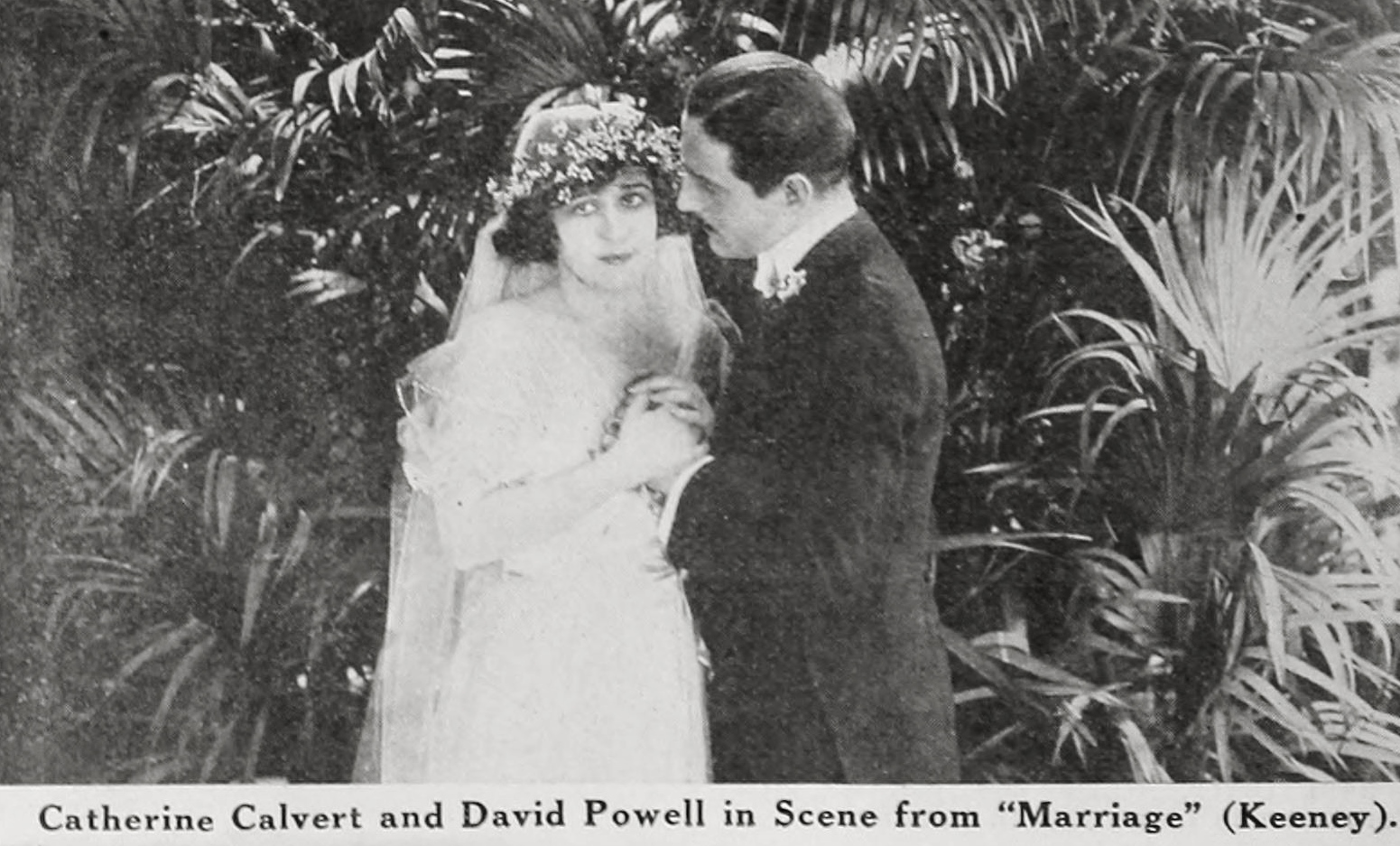
This 'inherited stain' is a foundational element of the cult mindset. It’s the idea that your origins define you more than your current performance. We see this in films like The Evil Women Do (1916), where Ernestine Bergot, a child of the Paris streets, is 'adopted' by a student. The attempt to 'civilize' or 'domesticate' the wild element of society is a recurring obsession. The cult appeal lies in the inevitable failure of this domestication. We want to see the 'underworld' break through the 'upper world.' We want to see the scullery maid in The Magic Cup (1921) find the silver goblet that proves she’s more than just a servant, but we also relish the friction of her being out of place.
The Broken Hearth and the Cruelty of Kin
Perhaps the most transgressive aspect of these early films is their willingness to depict the family as a source of literal, physical cruelty. In Grim Justice (1916), a wealthy father goes to psychopathic lengths to destroy his son's marriage, even forcing his daughter-in-law to marry a 'drunken wastrel.' This isn't just melodrama; it’s a precursor to the 'family-as-cult' dynamic seen in movies like The Texas Chain Saw Massacre or Dogtooth. It posits that the patriarch is not a protector, but a tyrant who uses the domestic structure to exert absolute power.
In Embers (1916), the domestic space is defined by trauma and separation. The death of a child at birth leads to a doctor’s decree that the wife must never conceive again, forming a permanent, icy rift between the couple. The home becomes a mausoleum for a relationship that died with the infant. This level of psychological darkness in 1916 is staggering. It challenges the notion that early cinema was 'simpler' or more 'wholesome.' These were films that looked at the hearth and saw only cold ash.
Liminal Spaces: The Studio and the Geisha House
To understand the cult of the Domestic Masquerade, we must look at the spaces where these performances are negotiated. In films like The Door Between (1917), much of the action takes place in 'liminal' spaces—the Geisha house where the protagonist meets the intoxicated Crocker. These are spaces outside the traditional home where the 'truth' of a man's character is revealed. The 'door' between the public performance and the private vice is a recurring visual metaphor. Cult cinema thrives in these doorways, in the transition between the respectable facade and the hidden reality.
- The Studio: In The Mad Marriage, the artist's studio is a space where the rules of society are suspended, allowing for a 'fake' marriage to be born.
- The Boarding School: In The Painted World (1919), the school is a factory for 'respectability,' where a burlesque dancer sends her daughter to hide her 'shameful' origins.
- The Laundry: Even in comedy, like Stan Laurel's Collars and Cuffs (1923), the site of cleaning the public's 'dirty laundry' becomes a site of slapstick chaos, mocking the very idea of domestic order.
The Legacy: Why the Silent Masquerade Still Haunts Us
Why does this matter to the modern cult film enthusiast? Because it proves that our obsession with 'suburban darkness' is not a response to modern life, but a fundamental human suspicion that has existed since the dawn of the moving image. We are inherently fascinated by the unmasking. When we watch a contemporary cult film about a family with a dark secret, we are participating in a ritual that began with the 'Cajun' outcasts of Scars of Jealousy (1923) or the disinherited heirs of A Misfit Earl (1920).
The silent era understood that the 'perfect family' was the greatest fiction ever sold. By depicting the home as a place of ruses, tactical contracts, and hidden histories, these early filmmakers created the DNA for everything that followed. They taught us to look at the smiling neighbor and wonder what they are hiding in the basement. They taught us that the most 'respectable' people are often the most successful crooks. Most importantly, they taught us that the masquerade is only fun as long as the mask is slipping.
The next time you find yourself captivated by a film that peels back the layers of a 'perfect' life, remember that you are walking a path cleared by the nitrate pioneers. The picket fence was never white; it was just a fresh coat of lead paint over a rotting structure, and we have been staring at the cracks for over a century.
Community
Comments
Log in to comment.
Loading comments…