
Deep Dive
The Domestic Panopticon: How Silent Era Jealousy and Professional Paranoia Scripted the Cult of the Observed Life

“Decades before the 'Truman Show' or the surveillance of the digital age, silent cinema's obsession with domestic spying and professional deception forged the blueprint for the modern cult of the observed self.”
There is a specific, claustrophobic chill that belongs exclusively to the nitrate era—a feeling not of ghosts or monsters, but of curtains twitching in a parlor room. Long before the digital panopticon of the 21st century or the suburban paranoias of the 1950s, the silent screen was already obsessed with the terrifying mechanics of the observed life. In the flickering frames of the 1910s and 20s, we find the true origin of the cult of the 'periphery': a cinematic space where characters are not just protagonists, but prisoners of the social gaze, forced into elaborate masquerades by the crushing weight of domestic jealousy and professional expectation.
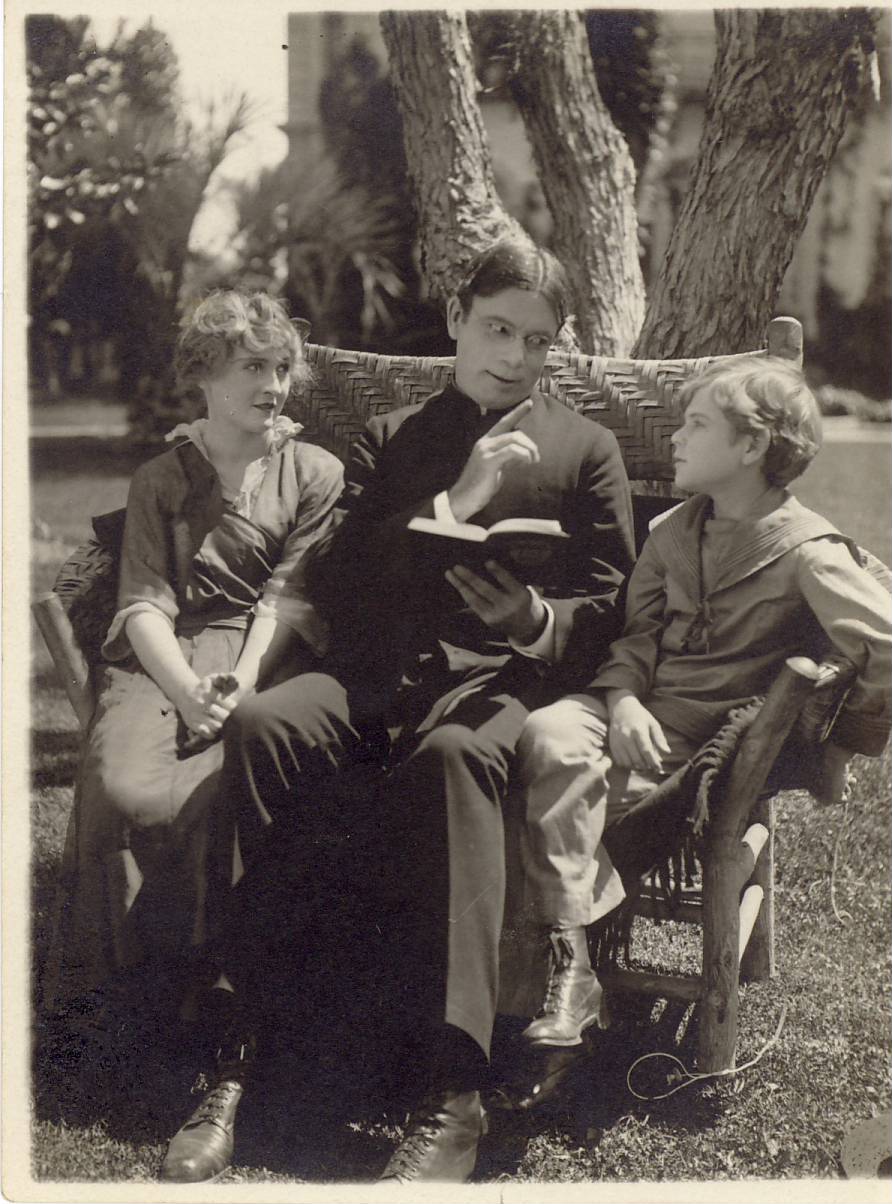
As a historian of the fringe, I have often argued that the most transgressive cult films aren't always the ones with blood on the walls; they are the ones that capture the quiet rot of the 'normal' life. When we look at early works like Bill’s Opportunity or the high-society suffocations of As Men Love, we aren't just seeing antique melodramas. We are witnessing the birth of a specific cult archetype: the individual who must fracture their own identity to survive the scrutiny of the hearth and the office. This is the architecture of the domestic panopticon, a structural obsession that would eventually evolve into the surrealist nightmares of David Lynch and the identity-erasure of modern psychological thrillers.

The Lingerie Trap: Professional Advancement as Social Suicide
Take, for instance, the fascinating case of Bill’s Opportunity. On the surface, it’s a narrative of upward mobility—a poor, overworked bookkeeper promoted to manager. But the 'opportunity' is poisoned by the specific gendered paranoias of the era. Bill is promoted to the lingerie department, a move that should be a triumph but instead becomes a catalyst for a secret life. Because his wife is pathologically jealous, Bill is forced to perform a role, to censor his own success, and to navigate a world of 'unmentionables' under the constant threat of domestic exposure.
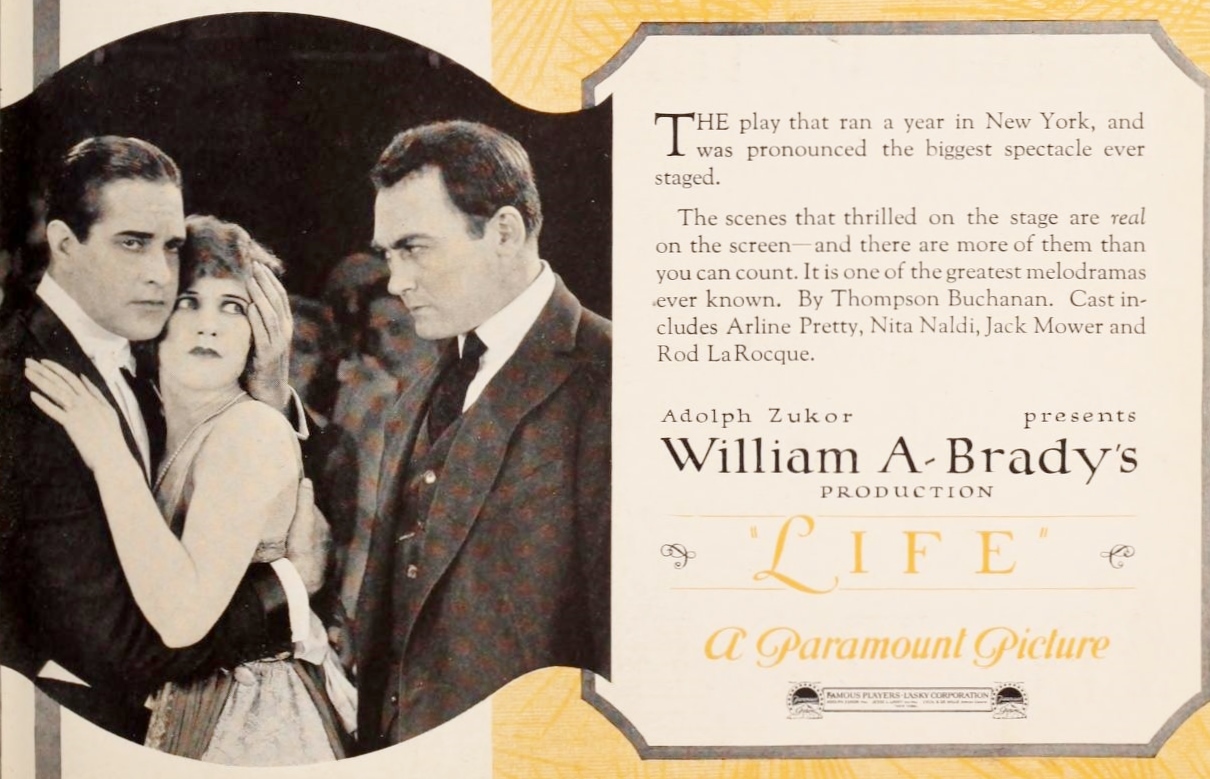
This isn't just a comedy of errors; it is a primal scream about the surveillance of the professional self. The cult appeal here lies in the absurdity of the situation—the idea that one’s livelihood is contingent upon a successful domestic deception. It mirrors the modern cult fascination with characters like Patrick Bateman or Walter White, individuals who must maintain a 'bureaucratic' mask while navigating a reality that their peers would find scandalous or unacceptable. Bill is the silent era’s first corporate fugitive, hiding not from the law, but from the judgment of the breakfast table.
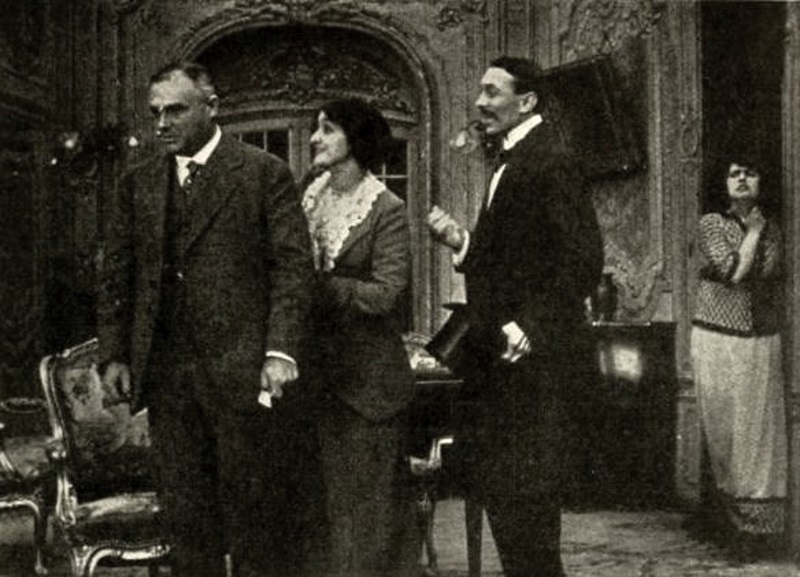
The silent screen didn't just show us lives; it showed us the cages we build out of lace, ledgers, and the fear of being seen.
The Financial Gothic: Love as a Wall Street Liability
If Bill’s Opportunity explores the absurdity of the workplace, Dorian’s Divorce (1916) takes us into the dark heart of the 'Financial Gothic.' Here, the domestic panopticon is powered by the ticker tape. Dorian Keene is a broker who has lost his fortune, and his wife Florence’s dissatisfaction is not merely emotional—it is a market reaction. The film presents a world where the 'self' is a commodity that can be devalued overnight.
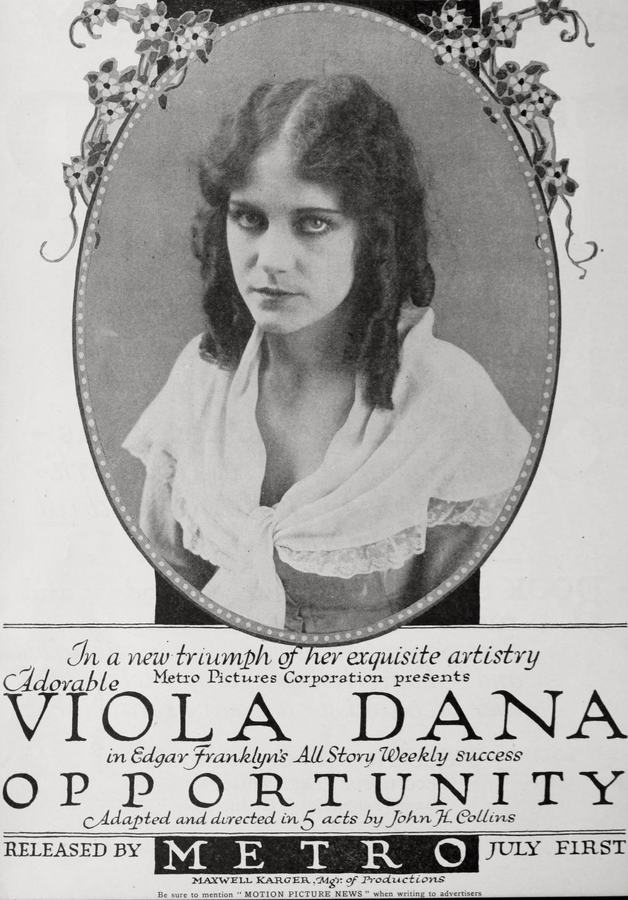
The cult significance of Dorian’s Divorce lies in its bleak portrayal of the marriage contract as a literal contract. When Dorian agrees to let Florence go out of a misguided sense of love, he isn't just ending a marriage; he is participating in the liquidation of his own social identity. This theme of 'the bankrupt soul' is a recurring motif in transgressive cinema, from the desperate social climbers of 1940s noir to the hollowed-out yuppies of the 1980s. The silent era understood, perhaps better than we do today, that the most terrifying form of surveillance is the one that tracks our net worth as a proxy for our human value.
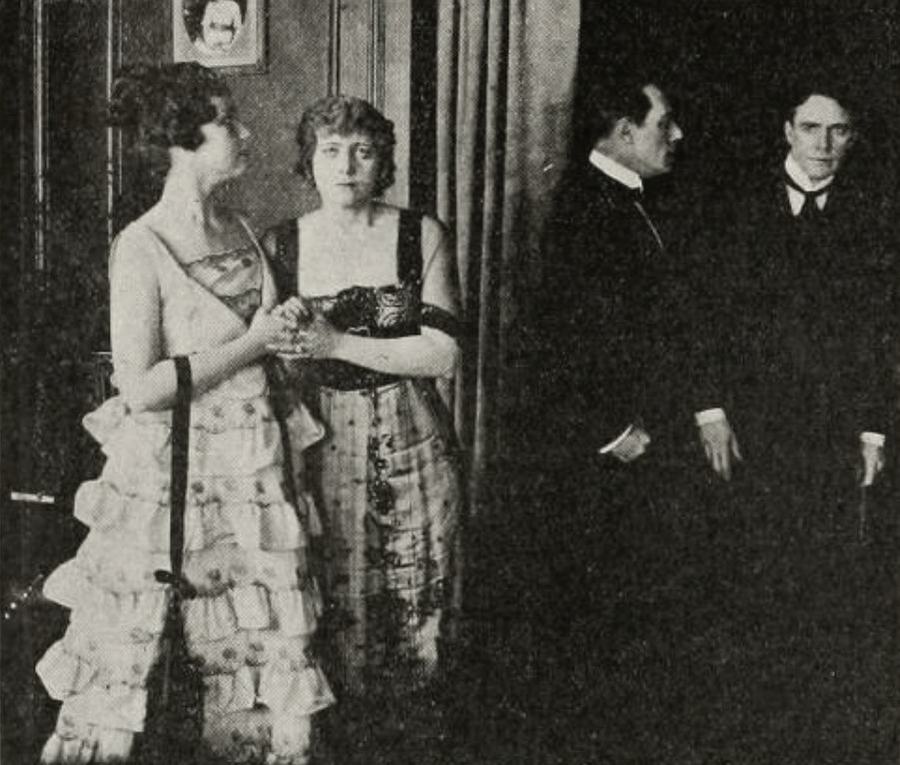
The Socialite’s Guillotine: Geometry of Betrayal in ‘As Men Love’
In the high-society melodrama As Men Love (1917), the panopticon moves into the drawing room. The plot is a dizzying square of desire: Diana Gordon loves Dr. Paul Russell, who is her husband’s best friend, while Russell loves the husband’s sister. It is a masterclass in the geometry of betrayal. But what makes this film a proto-cult masterpiece is the way it visualizes the 'peer gaze.' Every character is a witness to the other's potential ruin.
In these films, the camera often lingers on the way a character looks at another from across a crowded room—a gaze that is half-desire and half-prosecution. This is the essence of the 'observed' cult: the tension of being caught in the act of being oneself. In the world of As Men Love, the socialite's life is a constant performance where a single slip of the tongue or a misplaced glance can act as a guillotine. It’s the same energy we find in the cult of the 'Mean Girl' or the 'Social Pariah'—the visceral fear that our private desires are being broadcast to a hostile audience.
The Institutionalization of the Individual
We see a different facet of this surveillance in The Ordeal of Elizabeth. Bereft of parents and left to a 'matronly aunt,' Elizabeth is a character whose very identity is curated by the older generation. This is the 'stifling of the self' by institutional decree. The 'ordeal' isn't just a series of plot points; it is the process of having one’s personality sanded down by the expectations of heritage and guardianship. Cult cinema has always worshipped the orphan and the outcast because they are the only ones who can theoretically escape the panopticon, yet as Elizabeth discovers, the 'aunt' (the surrogate for society) is always watching.
The Ritual of the Secret: Why the ‘Observed’ Cult Endures
Why do these silent-era domestic paranoias continue to resonate with the modern cult spectator? Because they tap into a universal anxiety that has only intensified in the age of social media: the feeling that we are perpetually auditioning for our own lives. Whether it is Bill hiding his promotion or Dorian managing his divorce like a stock portfolio, these characters are the ancestors of our modern digital avatars.
The ritual of the cult movie often involves a collective identification with the 'misfit'—the person who doesn't fit the frame. In the silent era, the 'frame' was literal. The iris shots, the vignettes, and the static camera placements created a sense of entrapment. When we watch Mrs. Dane’s Defense, where a woman tries to hide her past behind a cousin’s identity, we are watching the original 'identity theft' thriller. It is a reminder that the cult of the transgressive is often born out of a desperate need to find a space where the panopticon cannot see us.
- The Performative Decency: The constant need to act 'normal' in the face of absurd circumstances.
- The Domestic Proscenium: Treating the home not as a sanctuary, but as a stage for social survival.
- The Bureaucratic Shadow: The way our professional titles (manager, broker, clerk) can become masks that erase the human soul.
- The Gaze of the Other: The terrifying realization that we are always being evaluated by a 'jury of our peers.'
Conclusion: The Nitrate Roots of Modern Paranoia
The silent era was not a time of innocence; it was a time of intense, flickering scrutiny. The films of the 1910s and 20s didn't just invent film language; they invented the psychological vocabulary of the modern cult. By focusing on the 'Domestic Panopticon,' early filmmakers captured the essential horror of the human condition: the fact that we are social animals who are simultaneously terrified of being alone and terrified of being seen.
As we look back at the 'lingerie managers' and 'bankrupt brokers' of the nitrate past, we see the first outlines of the cult anti-hero. They are the ones who blink under the spotlight, the ones who try to hide in the shadows of the parlor, and the ones who eventually realize that the only way to escape the gaze of the world is to burn the theater down. In the end, the cult of the observed life is a cult of liberation—a reminder that beneath the lace and the ledgers, there is a self that no camera, no matter how sharp, can ever truly capture.
Community
Comments
Log in to comment.
Loading comments…