
Cult Cinema
Echoes of the Avant-Garde: Unearthing Cult Cinema's Enduring Blueprint in Early Film
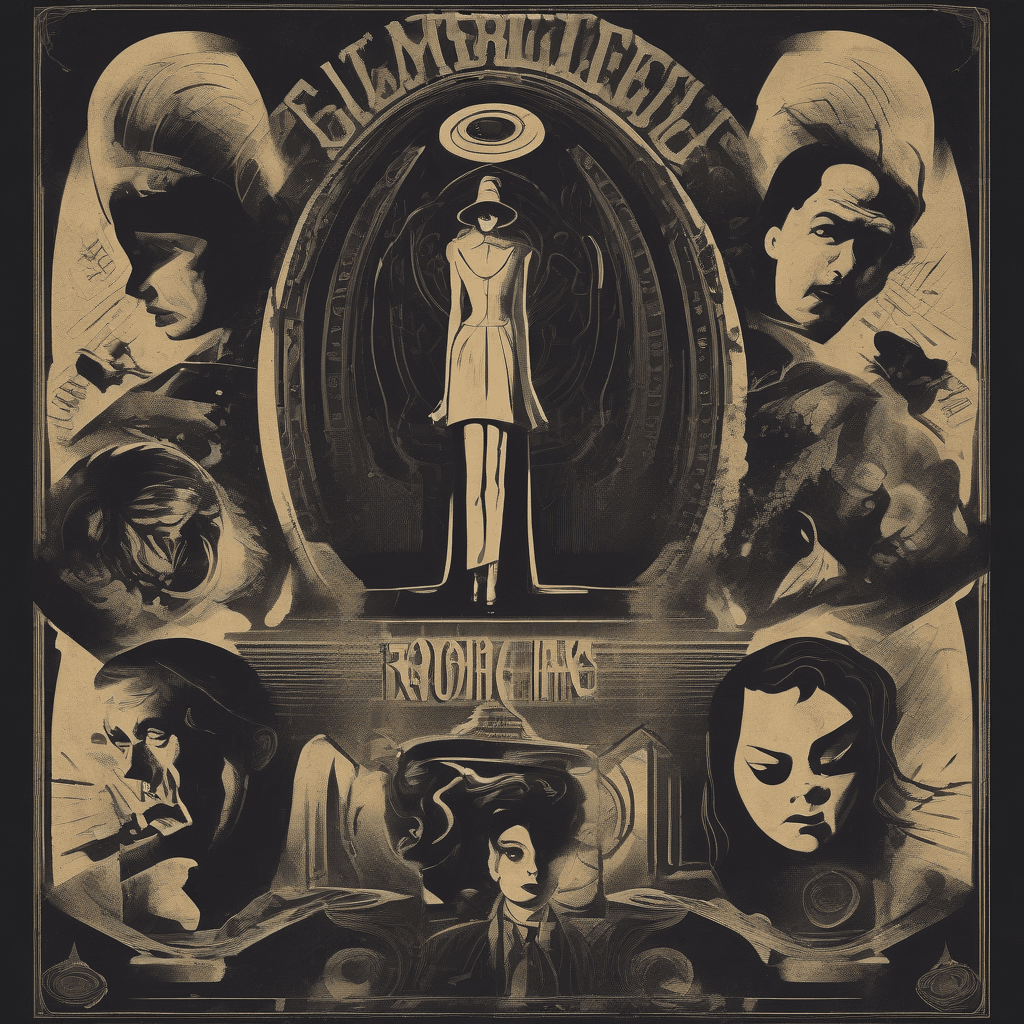
“Long before midnight screenings and devoted fan conventions, the seeds of cult cinema were sown in the silent era's bold, transgressive narratives. This article explores how early cinematic anomalies laid the foundational blueprint for films that defy mainstream appeal yet forge undying fan devotion…”
In the vast, ever-expanding universe of cinema, certain films refuse to fade into obscurity. They are not merely watched; they are experienced, revered, and endlessly dissected by devoted followers. These are the cult films, cinematic anomalies that often defy conventional categorization, challenge societal norms, and build passionate communities around their unique visions. While the term 'cult cinema' often conjures images of '70s midnight movies or contemporary indie oddities, its true genesis lies much deeper, echoing through the flickering frames of early film. The foundational elements of what we now recognize as cult appeal – transgressive themes, unconventional narratives, bold aesthetics, and a magnetic pull towards the marginalized – were all present and pulsating in the nascent decades of filmmaking, establishing an enduring blueprint that continues to shape cinematic counter-culture.

To understand the enduring allure of cult cinema, we must first peel back the layers of its modern manifestations and journey back to a time when cinema itself was an experimental art form. The early 20th century was a wild west for filmmakers, where rules were being written and broken simultaneously. This fertile ground allowed for an unprecedented degree of creative freedom and narrative daring that, perhaps unintentionally, laid the groundwork for future cult classics. These early cinematic ventures, often produced outside the burgeoning studio system's more commercial constraints, frequently explored themes considered provocative or unsettling, forging a direct lineage to the transgressive spirit that defines cult cinema today.

The Crucible of Creativity: Defining Early Cult Sensibilities
What makes a film a 'cult' phenomenon? It's rarely universal acclaim or box office dominance. Instead, it's a potent cocktail of artistic audacity, narrative eccentricity, and a capacity to resonate deeply with a specific, often niche, audience. These films are often misunderstood by mainstream critics, initially overlooked, or even condemned, only to be rediscovered and championed by a loyal following. The silent era, with its evolving visual language and nascent storytelling techniques, inadvertently produced many such proto-cult works. Filmmakers, unburdened by established conventions, experimented with narrative structures, character archetypes, and visual metaphors that were, for their time, profoundly avant-garde and sometimes unsettling.
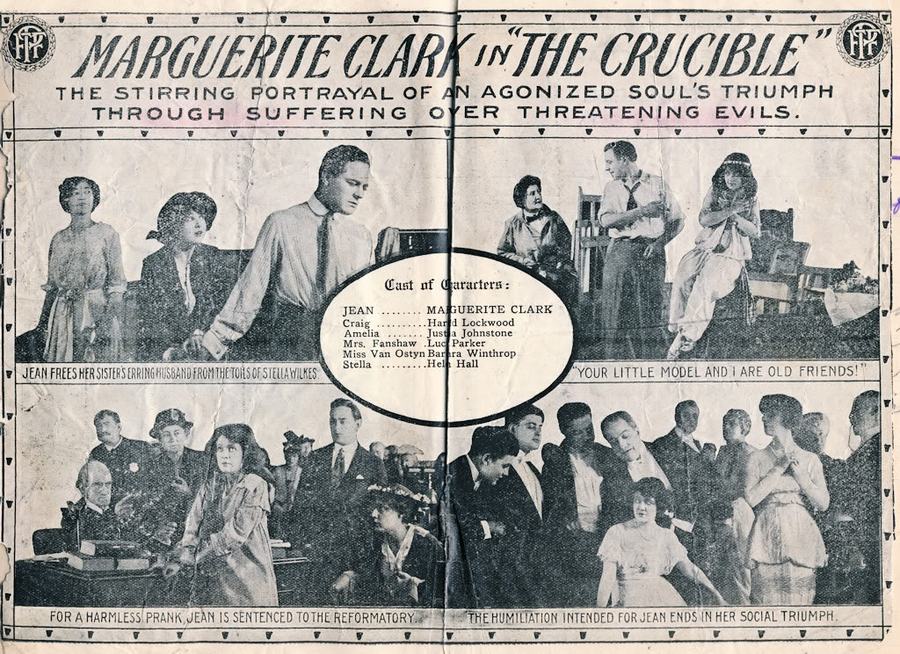
Consider the pervasive themes of societal transgression and moral ambiguity that permeate early cinema. Films like The Notorious Mrs. Sands and Transgression, for instance, delved into illicit affairs, social climbing, and the dark undercurrents of human desire, challenging the rigid moral codes of the era. Their narratives, often melodramatic, provided audiences with glimpses into forbidden worlds, fostering a sense of shared subversion among those who dared to watch. Similarly, Die Sünde (The Sin) or Man's Plaything, by their very titles, suggest explorations of forbidden desires and moral downfall, themes that would become hallmarks of later cult hits. These films, by pushing boundaries and depicting characters outside the moral mainstream, invited viewers to engage with cinema on a more visceral, less didactic level, laying the groundwork for the embrace of the 'outsider' narrative inherent in cult films.
Psychological Depths and Unsettling Visions
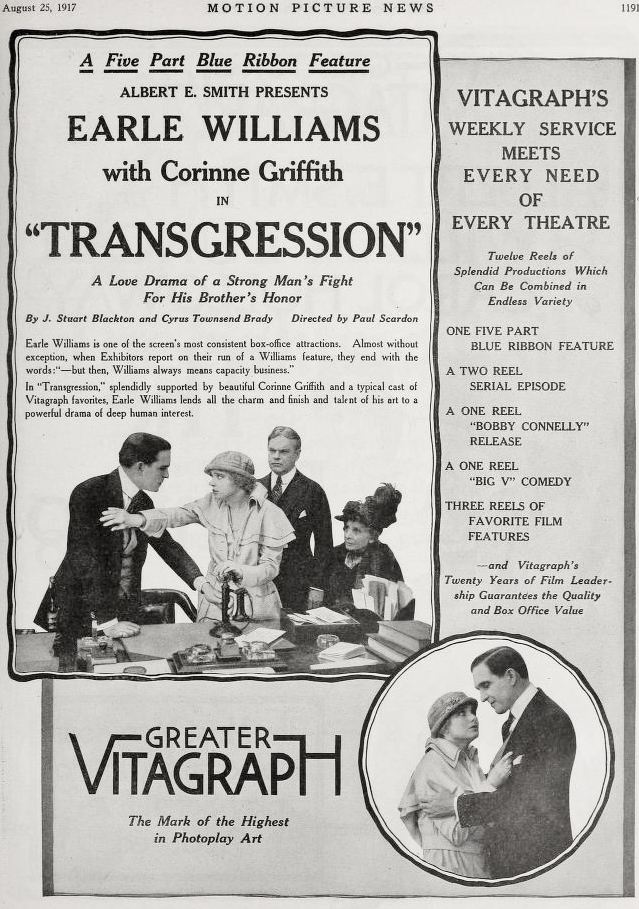
Beyond mere moral transgression, early cinema also plumbed the depths of the human psyche, offering narratives that were often disturbing, complex, and open to interpretation – key ingredients for cult status. The Star Rover, for example, explores a prisoner's ability to project his mind through time and space while confined in a straitjacket. This journey into altered states of consciousness and mental escape from physical torment is a profoundly psychological concept, resonating with audiences who appreciate cinema that challenges perceptions of reality. Such narratives, which defy simple categorization or easy understanding, often spark intense discussion and repeated viewings, fostering the kind of obsessive engagement characteristic of cult fandom.

Another powerful example is Erich von Stroheim's monumental Greed. Though famously butchered by the studio, its surviving fragments reveal a brutal, unflinching examination of human avarice and moral decay. Its stark realism and tragic scope were revolutionary, and its sprawling, uncompromising vision alienated many contemporary viewers while captivating others. The film's troubled production history and its eventual truncation only added to its mystique, transforming it into a legendary 'lost' masterpiece – a narrative that often accompanies films that achieve cult status. The themes of obsession, psychological breakdown, and the dark side of humanity, as depicted in films like A Bill of Divorcement (dealing with insanity and sacrifice), provided a rich tapestry for audiences seeking more than simple entertainment. These films were not just stories; they were experiences that lingered, disturbed, and provoked thought, planting the seeds for the kind of intellectual and emotional investment that defines cult appreciation.
Social Commentary and the Maverick Spirit
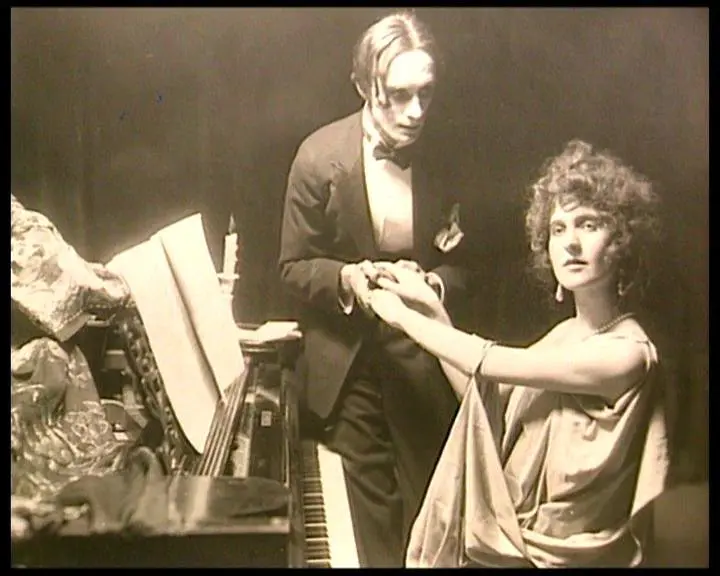
Cult cinema often serves as a mirror, albeit a distorted one, reflecting societal anxieties, injustices, and the yearning for rebellion. Early films, despite their often melodramatic trappings, were no strangers to incisive social commentary. Whom the Gods Would Destroy, with its narrative of an inventor repelled by aspects of German society during wartime, offers a potent anti-war sentiment and a critique of nationalistic fervor. Such bold thematic choices, especially in a nascent medium, demonstrated a willingness to tackle controversial subjects, a trait that would become a cornerstone of cult filmmaking.

Similarly, films like Souls in Bondage, which portrays a protagonist as an outcast living in the shadow of a spoiled sister, tapped into universal feelings of marginalization and injustice. These narratives of the underdog, the misunderstood, or the socially ostracized often find a powerful resonance with audiences who feel similarly alienated, forming the bedrock of cult communities built on shared outsider status. East Is East, with its depiction of a rough-tongued, quick-tempered, yet generous working-class woman, celebrated a defiance of polite society and an authenticity that would appeal to those seeking alternative heroes. These early cinematic efforts, by giving voice to the voiceless or critiquing prevailing social structures, fostered a sense of solidarity that would grow into the communal spirit of cult fandom.

Genre Bending, Eccentricity, and the Proto-Midnight Movie
The fluid nature of early filmmaking also meant that genre boundaries were often blurred, leading to unique and often bizarre combinations that would later be celebrated by cult audiences. The very concept of a 'midnight movie' – a film that finds its true audience in late-night screenings, often due to its unconventional nature – has roots in these early eccentricities. Films like Brownie's Doggone Tricks or The Skipper's Narrow Escape, with their quirky premises (a dog teaching tricks, a skipper brewing illegal raisin cider during Prohibition), represent a kind of cinematic playfulness and absurdity that defies easy classification. They are the cinematic equivalents of curiosity cabinet pieces, intriguing and memorable precisely because of their deviation from the norm.
Even early animation, like Felix in Love, with its whimsical magic lamp premise, contributed to this atmosphere of the delightfully unusual. These films, often short and experimental, were not bound by the narrative conventions that would later ossify into Hollywood formulas. They were free to be strange, to be silly, to be profoundly unique. This embrace of the unorthodox and the genuinely weird is a direct ancestor of films like David Lynch's oeuvre or the works of John Waters, which thrive on their distinctiveness. The early cinematic landscape was a playground for the peculiar, allowing for a diverse range of stories and styles that, while not always financially successful, left an indelible mark on the burgeoning medium and its future cult followers.
The Aesthetic of the Unconventional: Visual Language as Cult Catalyst
Beyond thematic content, the visual language of early cinema played a crucial role in establishing its cult potential. Without synchronized sound, filmmakers relied heavily on expressive cinematography, dramatic lighting, exaggerated performances, and innovative editing to convey emotion and narrative. This often resulted in a heightened, almost surreal aesthetic that could be both captivating and unsettling. The stark contrasts of black and white, the use of chiaroscuro, and the theatricality of silent acting styles contributed to an otherworldly quality that resonates with audiences seeking something visually distinctive.
Consider the atmospheric tension in mystery films like The Voice on the Wire or The Hunting of the Hawk. Their reliance on visual suspense and dramatic staging created an immersive experience that transcended simple plot mechanics. The nascent special effects, though primitive by today's standards, also contributed to a sense of wonder and the bizarre. The dreamlike sequences in The Star Rover, or the fantastical elements in early comedies, might have seemed crude to some, but to others, they offered an escape into imaginative realms. This emphasis on bold visual storytelling and unique stylistic choices is a cornerstone of cult cinema, where aesthetic distinctiveness often trumps conventional beauty or realism. These early films, by necessity, developed a visual grammar that was often unconventional, laying the groundwork for future cinematic artists who would prioritize personal vision over commercial palatability, thus ensuring their eventual cult embrace.
From Obscurity to Reverence: The Enduring Legacy
The journey of many early films from initial obscurity or critical indifference to eventual cult reverence highlights a crucial aspect of cult cinema: its ability to transcend its original context and find new meaning with successive generations. Films like Ready Money, a Western with themes of fraud and quick riches, or The Hidden Truth, exploring dark secrets in a mining town, might have been seen as genre fare in their time. Yet, their underlying themes of moral compromise, hidden identities, and the struggle against societal forces possess a timeless quality that resonates with audiences long after their initial release. The narratives of The Fires of Youth or The Town That Forgot God, despite their dramatic conventions, often grappled with intense human emotions and societal pressures, making them ripe for reinterpretation and cult appreciation.
The very act of rediscovering these early works, often through archival efforts or specialized screenings, mirrors the way cult films are often unearthed by dedicated fans. The devotion to preserving and celebrating these cinematic oddities and forgotten gems is a testament to their enduring power. It’s a process of collective excavation, where enthusiasts become archaeologists, unearthing treasures that mainstream history might have overlooked. This tradition of seeking out the unconventional, of valuing artistic integrity over commercial success, and of building communities around shared cinematic passions, all began in the flickering shadows of the silent era. The early filmmakers, in their audacious experimentation, unknowingly crafted the very DNA of cult cinema, a lineage that continues to thrive in the fringes and beyond.
Conclusion: The Unseen Thread of Cinematic Rebellion
Ultimately, cult cinema is not a modern invention but a deeply woven thread in the rich tapestry of film history, with its origins firmly planted in the experimental, often anarchic, landscape of early cinema. The films of the silent era, from psychological dramas like Greed and The Star Rover to social commentaries and quirky comedies, collectively formed a blueprint for cinematic rebellion. They pushed boundaries, explored forbidden themes, embraced stylistic eccentricities, and, perhaps most importantly, demonstrated the profound power of film to resonate with audiences on a level far beyond mere entertainment.
These early cinematic efforts, often produced without the benefit of established formulas or the pressure of mass market appeal, were pure expressions of artistic vision. They dared to be different, to be challenging, to be unapologetically unique. It is this pioneering spirit, this willingness to venture into uncharted narrative and aesthetic territories, that forged the enduring appeal of cult cinema. So, the next time you find yourself drawn to a film that defies explanation, that sparks fervent debate, or that gathers a devoted following, remember its distant ancestors. Remember the flickering images of early film, where the seeds of cinematic obsession were first sown, creating an unseen sanctuary for the unconventional and a timeless legacy for the truly maverick visionaries of the silver screen. The echoes of their avant-garde audacity continue to reverberate, inviting us to look beyond the mainstream and discover the enduring magic of films that refuse to be forgotten.
Community
Comments
Log in to comment.
Loading comments…