
Cult Cinema
The Echoing Fringe: How Cinema's Outliers Forge Timeless Devotion and Subversive Legacies

“Cult cinema thrives in the shadows of the mainstream, cultivating fervent communities around films that defy convention and resonate deeply with discerning audiences. This long-form editorial delves into the magnetic allure and enduring power of these cinematic outliers, tracing their subversive spi…”
In the vast, ever-expanding galaxy of cinematic art, there exists a peculiar constellation known as cult cinema. These are not merely films; they are phenomena, artifacts of obsession, magnets for fervent devotion that often defy conventional critical acclaim or commercial success. They are the cinematic outliers, the misunderstood masterpieces, the transgressive visions that, over time, coalesce into something far greater than their initial reception might suggest. What is it about these films – from the silent era's bold narratives to modern-day midnight movie staples – that grants them an enduring allure, fostering a unique bond with their audiences?
The journey into cult cinema is not a casual stroll; it is an initiation, a discovery of a shared secret language among those who seek something beyond the polished mainstream. It’s about finding a mirror in the strange, a truth in the taboo, and a community in the unconventional. This article explores the very essence of what makes a film a cult classic, tracing its lineage from the nascent days of cinema, when the seeds of subversion were first sown, to the vibrant, global phenomenon it represents today.

The Genesis of the Maverick: Early Cinema's Proto-Cult Sparks
Before the term "cult film" existed, there were films that, by their very nature, challenged the sensibilities and expectations of their time. These early cinematic experiments, often driven by melodrama, social commentary, or sheer spectacle, laid the groundwork for what would become the cult aesthetic. Consider the thematic undercurrents present in films from the early 20th century: tales of societal judgment, forbidden desires, and individuals struggling against oppressive forces. These were the proto-cult sparks.
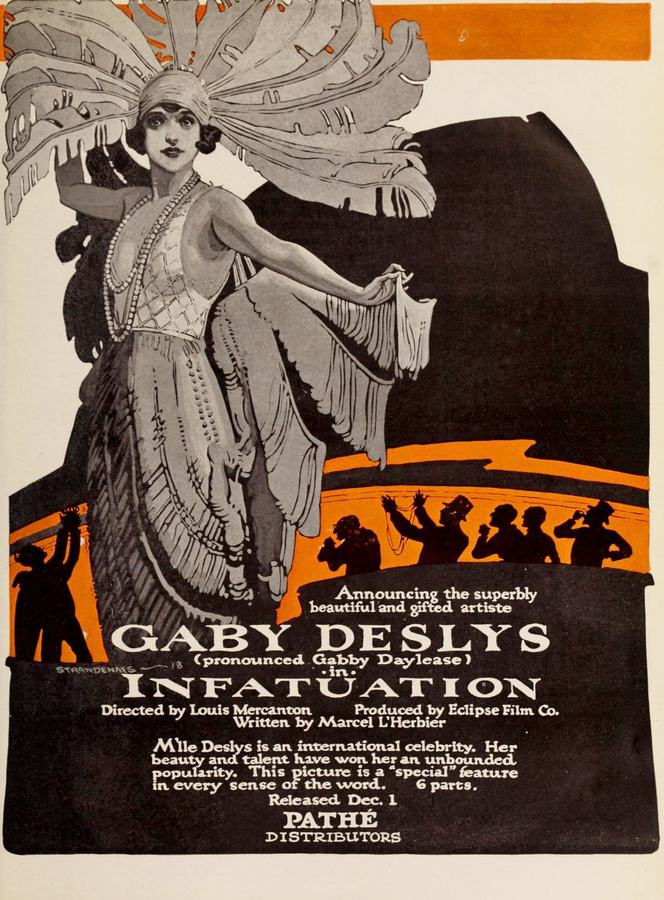
Films like Why Women Sin (1920) or Infatuation (1918) hint at narratives that pushed boundaries, exploring moral ambiguities and the complexities of human desire. Such titles suggest a fascination with transgression, with characters navigating societal taboos or succumbing to illicit passions. Even in their original contexts, these films might have resonated more deeply with specific segments of the audience, those who felt alienated by prevailing social norms or who sought vicarious experiences of rebellion.

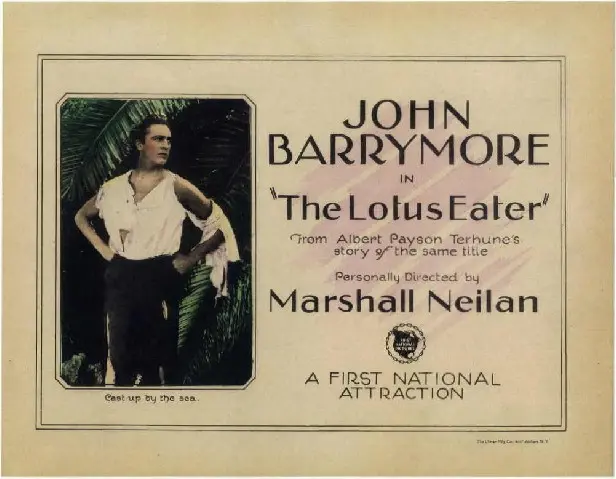
The idea of escape and alternative realities also emerges in early works. The Lotus Eater (1921), for instance, speaks to disillusionment and the search for a peaceful, perhaps utopian, existence away from the mundane. This quest for an alternative, a departure from the ordinary, is a hallmark of cult appeal – films that transport viewers to worlds both familiar and profoundly strange. Similarly, the mythical and fantastical, as perhaps explored in the seemingly lost Lilith and Ly (1919), involving an inventor bringing a statue to life, taps into a primal fascination with the supernatural and the uncanny, often a rich vein for cult followings.
Even within established genres, certain films exhibited a maverick spirit. The Western The Mysterious Rider (1921) or the crime drama The Last of the Mafia (1919) might have presented characters whose moral compasses were skewed, or whose actions challenged the simplistic hero/villain dichotomy. These early explorations of narrative complexity and moral ambiguity were crucial in laying the groundwork for films that would later be embraced for their refusal to conform.

The Unconventional Canvas: Characteristics of the Cult Object
What elevates a film from mere obscurity to the revered status of a cult classic? It’s rarely a single factor, but rather a confluence of elements that coalesce into a uniquely compelling experience. At its core, cult cinema often presents a transgressive vision. These films dare to explore themes, aesthetics, or narratives that are considered outside the mainstream, often pushing the boundaries of taste, decency, or cinematic convention. They might feature explicit violence, sexuality, or delve into psychological depths that unsettle and provoke.
Aesthetic uniqueness is another vital component. Cult films often possess a distinctive visual style, a jarring tonal shift, or an experimental narrative structure that sets them apart. Think of the surrealism that pervades certain underground works, or the deliberate campiness that defines others. This stylistic audacity, initially bewildering to general audiences, becomes a badge of honor for initiates, a secret handshake among those who 'get it.'

Narrative ambiguity also plays a significant role. Many cult films resist easy categorization or definitive interpretation. Their plots might be convoluted, their characters enigmatic, or their endings open-ended, inviting viewers to engage in active interpretation and discussion. This encourages repeated viewings, as fans pore over every frame, searching for hidden meanings and forging personal connections to the material. Films that initially baffled critics, like some of the dramas listed, such as Peacock Alley (1920) or The Heart of Romance (1918), may have contained elements that, in retrospect, offered a richness beyond their surface narratives.
Rebellion Against the Norm: From Spartacus to Bondwomen
The spirit of rebellion, whether against political tyranny, social strictures, or personal oppression, resonates deeply within the cult film canon. The narrative of Spartacus (1914), even in its earliest cinematic form, embodies this struggle. The story of a slave rising against an empire is universally compelling, but when filtered through a lens that emphasizes the visceral struggle and the cost of freedom, it can inspire a fervent following among those who identify with the fight against systemic injustice.
Similarly, films that challenge gender roles or societal expectations often find their niche. Bondwomen (1919), with its premise of a wife rebelling against a patriarchal husband, speaks to an enduring desire for emancipation and self-determination. These narratives, which might have been controversial or ahead of their time, are often later celebrated for their prescience and their bold depiction of characters who dare to defy the status quo. The power of these films lies in their ability to articulate unspoken frustrations and to offer a sense of solidarity to those who feel marginalized.
The Celluloid Congregation: The Power of Community and Reappropriation
Perhaps the most defining characteristic of cult cinema is the passionate community it fosters. Unlike blockbusters, which are consumed broadly and often forgotten quickly, cult films generate an intense, lasting engagement. This engagement often manifests in ritualistic viewings, fan conventions, academic analyses, and creative reappropriations of the material.

The concept of the "midnight movie" is synonymous with cult cinema. These late-night screenings, often held in independent theaters, became sacred spaces where fans could gather, dress up, recite dialogue, and collectively celebrate their shared obsession. This communal experience transforms film viewing from a passive activity into an active, participatory event, forging unbreakable bonds among strangers who share a common devotion.
Fans of cult films are not just viewers; they are custodians, evangelists, and often, co-creators. They keep these films alive through word-of-mouth, online forums, fan art, and critical reappraisals. A film that might have been dismissed by mainstream critics upon its release can be resurrected by its dedicated audience, who find depths and nuances that were initially overlooked. This process of reappropriation and re-evaluation is central to the cult phenomenon, demonstrating that a film's true value isn't always immediately apparent, but rather grows and evolves over time.

The very act of discovering a cult film often feels like unearthing a hidden treasure. It’s a personal journey that leads to a collective revelation. Whether it’s the dark allure of The Sea Wolf (1926) or the tragic romance of The Love Girl (1916), these films become more than just stories; they become touchstones, shared experiences that define a particular subgroup of cinephiles. The initial obscurity often adds to their mystique, making the discovery feel all the more exclusive and rewarding.
Beyond Genre: The Eclectic Pantheon of Obsession
One of the most fascinating aspects of cult cinema is its utter disregard for genre boundaries. A film can achieve cult status regardless of whether it's a horror flick, a drama, a comedy, a musical, or a sci-fi epic. The common thread isn't the genre itself, but the way the film transcends or subverts its genre conventions, offering something unexpected and profoundly memorable.
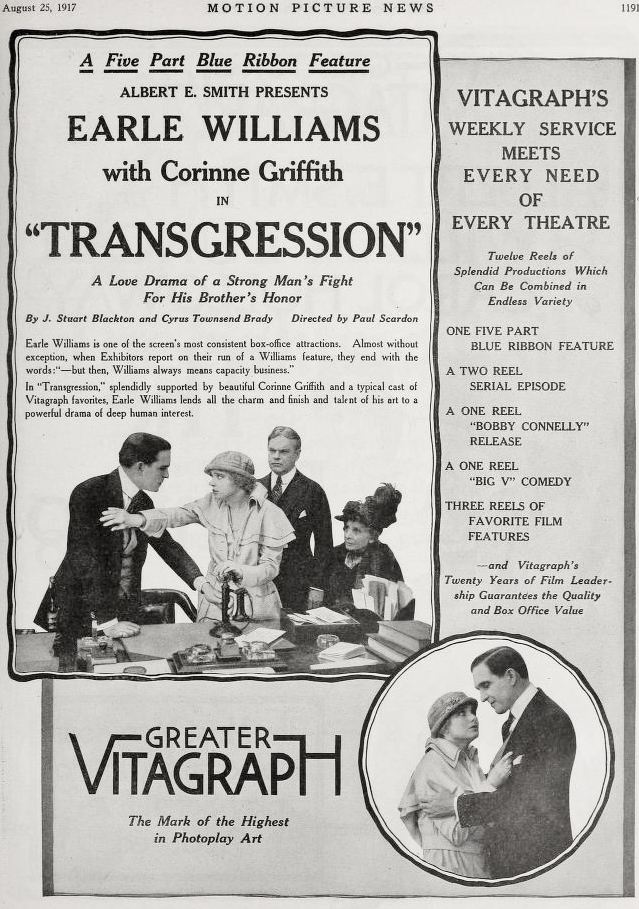
From silent era dramas like No Defense (1918) or Shall We Forgive Her? (1917) – which likely explored complex moral dilemmas or social transgressions – to comedies like Youth's Desire (1917) that might have featured unconventional humor or character arcs, the range is immense. What unites them is their ability to leave an indelible mark, to provoke thought, laughter, or discomfort in ways that mainstream films often shy away from.
Even seemingly straightforward narratives can harbor cult potential. A film like Blind Justice (1918), despite its potentially generic title, might have presented a protagonist whose moral journey was so twisted, or a justice system so flawed, that it sparked intense debate and fascination. The beauty of cult status is that it is not conferred by critics or box office; it is organically grown, nurtured by the audience that finds a unique resonance within its frames.
It's a testament to the power of these films that they can emerge from any corner of the cinematic landscape. Whether it's the quirky charm of a short like Sweet Patootie (1918) or the ambitious scope of a historical epic, the key is the ability to connect with an audience on a deeper, often more visceral, level than standard fare. This connection often stems from themes of alienation, identity, societal critique, or simply a bizarre, unforgettable aesthetic.
The Enduring Resonance: Why Cult Films Captivate Generations
The enduring power of cult cinema lies in its timeless themes. While cinematic techniques and societal norms evolve, the fundamental human experiences of alienation, rebellion, longing, and the search for meaning remain constant. Cult films often tap into these universal anxieties and desires, presenting them through a unique, often distorted, lens that resonates with successive generations.

Many cult classics serve as cultural time capsules, reflecting the anxieties and aspirations of the era in which they were made, yet transcending those specific contexts to speak to broader truths. A film exploring the dark side of ambition, like Blackie's Redemption (1919), or the complexities of marriage, as hinted at in Modern Husbands (1919), might have initially been seen as sensationalist. Yet, through the cult lens, they become profound commentaries on human nature, revealing societal fault lines that persist across decades.
Furthermore, cult films often offer a sense of belonging to those who feel like outsiders. They validate unconventional perspectives and celebrate individuality. The characters in these films are often misfits, rebels, or dreamers, much like the audiences who embrace them. This shared sense of identity creates a powerful bond, turning mere viewership into a form of self-affirmation.
The cyclical nature of discovery also contributes to their longevity. A new generation of cinephiles, disenchanted with the predictability of contemporary blockbusters, will inevitably delve into the cinematic past, unearthing forgotten gems that speak to their sensibilities. This continuous rediscovery ensures that the flame of cult devotion never truly extinguishes, but rather burns brighter with each passing decade.
The Unseen Narratives: From Obscurity to Iconography
The journey from obscurity to iconography is a common narrative for many cult films. What was once a box office flop or a critical pariah can, through the slow burn of word-of-mouth and the passionate advocacy of its fans, become a beloved cultural touchstone. This transformation is a testament to the power of art to find its audience, even if it takes years, or even decades.
Films like The Silver Girl (1921), The Mystery Girl (1918), or The Light (1919) might have initially been viewed as ephemeral entertainment. However, if they contained elements of genuine artistic vision, compelling characterizations, or a narrative boldness that defied their era, they possessed the latent potential for cult status. It is the audience, the dedicated few, who ultimately elevate these works, recognizing their inherent value and championing their place in cinematic history.
This process is a beautiful example of how cultural value is not solely dictated by commercial success or mainstream critical consensus, but also by the sustained, fervent engagement of niche communities. The "fringe" films, the "outliers," are often the ones that leave the most lasting impact, precisely because they dare to be different.
Conclusion: The Unyielding Pulse of Cinematic Obsession
Cult cinema, in its myriad forms, represents the beating heart of cinematic experimentation and audience passion. It is a testament to the idea that art, however unconventional or initially misunderstood, will always find its tribe. From the melodramatic provocations of early 20th-century cinema, which subtly laid the groundwork for future subversions, to the explosive, boundary-pushing films of today, the cult phenomenon continues to thrive.
It is a space where the rules are rewritten, where aesthetic risks are celebrated, and where the bond between film and viewer transcends mere entertainment to become a profound, often life-altering, experience. The echoing fringe of cinema, with its timeless devotion and subversive legacies, reminds us that the most powerful stories are often found not in the brightest spotlights, but in the compelling shadows where true cinematic magic resides. These are the films that refuse to be forgotten, forever etched in the collective consciousness of those who dare to look beyond the mainstream, finding their own truths in the unconventional and the extraordinary.
Community
Comments
Log in to comment.
Loading comments…