
Cult Cinema
The Electric Ghost of the Fringe: How Early Cinema’s Genre Anomalies Invented the Midnight Mindset

“Explore the transgressive roots of cult devotion through the lens of early cinema’s most daring outcasts and narrative mutations.”
To understand the modern phenomenon of the cult film, one must look beyond the neon-soaked midnight screenings of the 1970s and dive into the flickering, nitrate-scented shadows of the early 20th century. Cult cinema is not merely a collection of weird movies; it is a sacred bond between the unconventional creator and the obsessive spectator. Long before the term 'cult classic' was coined, the seeds of this devotion were sown by a collection of genre anomalies, moral rebels, and visual experiments that defied the rigid structures of the nascent Hollywood machine. These films, ranging from the gothic revenge of The Woman in Black to the meta-cinematic absurdity of The Original Movie, provided the genetic blueprint for a century of cinematic rebellion.
The Architecture of the Outlaw Narrative
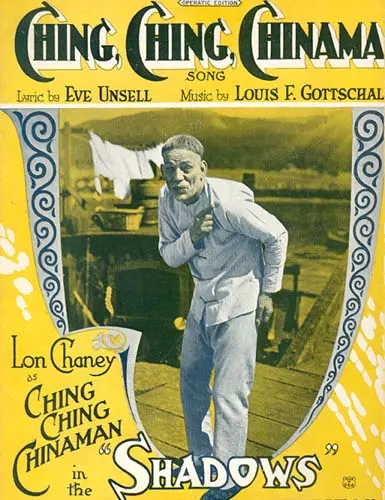
At the heart of any cult obsession lies the figure of the outsider. Early cinema was rife with characters who existed on the periphery of polite society, mirroring the status of the films themselves. Consider the dark, gritty world of Pay Me! (1917). In this visceral narrative, Joe Lawson, a corrupt gold miner, commits the ultimate transgressions—murdering his partner and abandoning his own child—to establish an outlaw town. This is not the sanitized West of later decades; it is a landscape of moral decay that prefigures the gritty anti-heroes of modern cult classics. The film’s focus on the consequences of corruption and the creation of a literal sanctuary for the lawless speaks to the cult audience's desire for worlds that operate by their own primal rules.
Similarly, The Crimson Skull (1922) introduces a visual motif that would become a staple of cult aesthetics: the masked enigma. By having a cowhand don a skeleton costume to strike fear into a gang of rustlers, the film taps into a primal, superstitious energy. This blend of Western tropes with proto-horror imagery creates a jarring, unforgettable experience. It is this very 'unforgettableness'—the image that haunts the viewer long after the credits roll—that transforms a standard production into a piece of cult iconography. The skeleton-clad rider is a direct ancestor to the masked slashers and costumed vigilantes that dominate the niche fandoms of today.
Social Mutants and the Rejection of the Status Quo
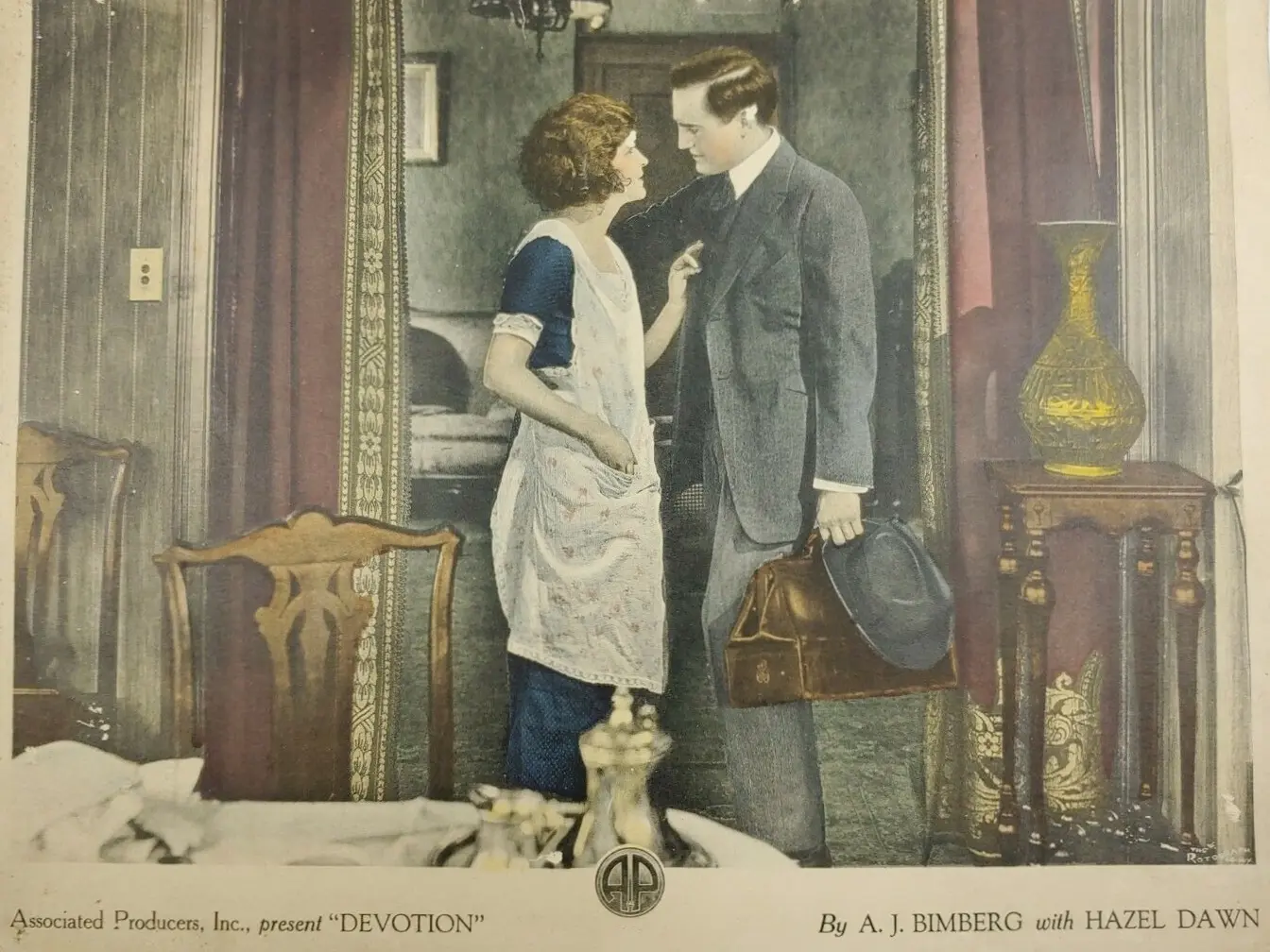
Cult cinema often serves as a refuge for stories that reject the domestic and the mundane. In The City of Illusion, we see the internal conflict of Claire, a Southern girl trapped in the tradition of a plantation, dreaming of the electric chaos of New York City. Her desire to escape her wealthy husband Paul for the lawyer Douglas represents a transgressive yearning for a life outside her prescribed social station. This theme of urban longing and the rejection of the 'home' is a recurring motif in films that find a second life in the underground circuit.
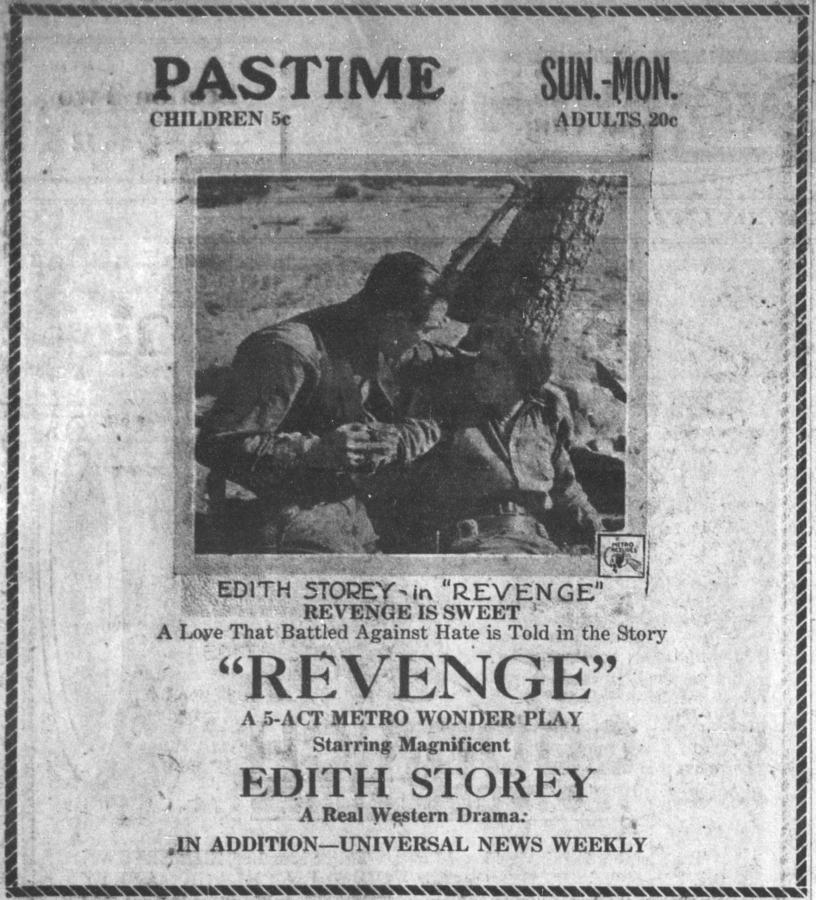
The rejection of societal expectations is even more pronounced in Eden and Return (1921). When Betty Baylock is forced by her stockbroker father to choose a husband from three unwanted suitors, she chooses none. Her defiance is a comedic but firm strike against patriarchal control. This spirit of 'choosing none' or 'choosing the other' is the lifeblood of cult fandom. Cult films are often the ones that 'refused' to play by the rules of the box office or the Hays Code, much like Betty refuses to play by the rules of her father’s house. They represent an unconventional odyssey toward self-definition, a journey that resonates deeply with audiences who feel like misfits in their own lives.
The Gothic Heart and the Woman in Shadow
Melodrama in the silent era often touched upon themes so dark and vengeful that they bordered on the transgressive. The Woman in Black (1914) is a masterclass in this early cult energy. The story of Mary, a gypsy girl seduced and abandoned, only to seek revenge alongside her mother Zenda, the titular 'Woman in Black,' explores themes of exile and retribution. The archetype of the 'woman in black'—a figure of mourning and vengeance—is a powerful visual symbol that transcends simple narrative. It is an image of spectral power that would later influence the gothic horror subgenre, from the works of Mario Bava to the modern folk-horror movement.
This gothic sensibility is also present in The Port of Doom (1913), where a detective uncovers a plot involving a doomed voyage orchestrated by a jealous rival. The concept of the 'doomed voyage' is a metaphor for the cult film itself—a project often destined for commercial failure but carrying within it a cargo of strange, beautiful, and dangerous ideas. These films don't just tell stories; they cast shadows that the mainstream is too afraid to touch.
Meta-Cinematics and the Anarchic Spirit
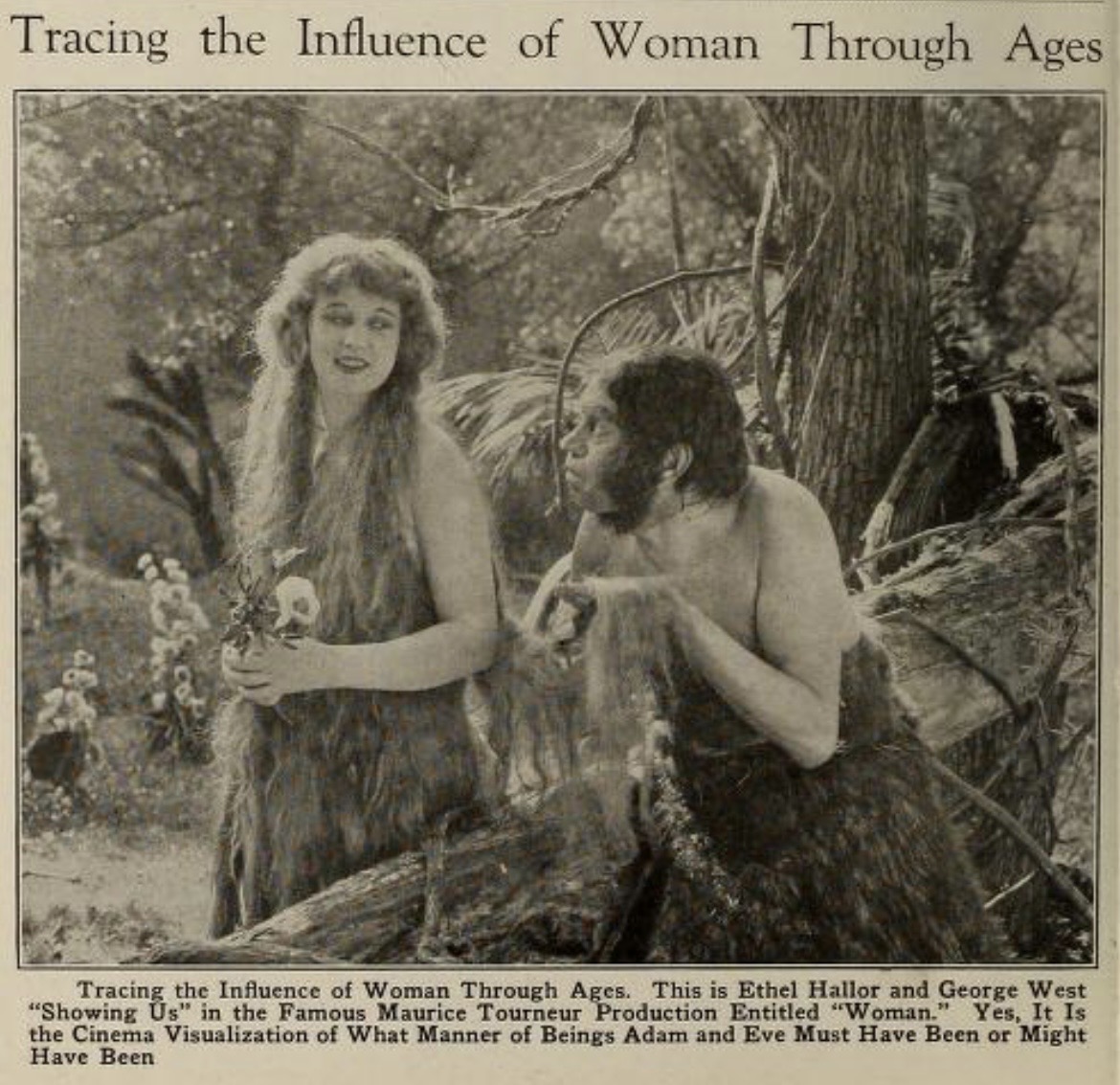
Perhaps the most surprising root of cult cinema is its early penchant for self-reflection and absurdity. The Original Movie (1922) provides a prehistoric look at the filmmaking process, complete with a writer dropping off a script at the 'Stonehenge Film Company.' By satirizing its own industry, the film invites the audience to peek behind the curtain. This meta-textual awareness is a key component of the cult experience; fans of cult cinema aren't just watching a movie; they are engaging with the mythology of the production itself.
In the international sphere, films like Die goldene Pest (1921) introduced high-concept anarchy. The plot involves an anarchist attempting to flood the world market with artificial gold. This blend of political thriller and speculative fiction creates a sense of 'genre-blurring' that is essential to the cult identity. When a film refuses to stay in its lane—is it a crime drama? A political manifesto? A surrealist nightmare?—it forces the viewer to engage with it on a deeper, more personal level. It becomes a cinematic anomaly that demands multiple viewings to decode.
The Comedy of the Awkward and the Absurd
Cult cinema is also the home of the 'uncomfortable laugh.' In Bican Efendi vekilharç (1921), we follow an awkward steward who arranges a forbidden musical night. The humor is derived from social friction and the breaking of rules, a precursor to the 'cringe comedy' that often finds a home in niche circles. Similarly, Help Wanted - Male (1920) features a woman investing her legacy into a scheme to catch a rich husband by posing as a widow. These narratives of deception, performance, and social climbing highlight the artificiality of social norms, a theme that cult audiences—often those who feel the weight of those norms most heavily—find endlessly fascinating.
Conclusion: The Enduring Pulse of the Silent Fringe
The films mentioned here—from the football gambling stakes of The Craving to the tragic sisters of My Little Sister—may seem like disparate relics of a bygone age. Yet, they are the foundational stones of the cult cinema cathedral. They explored the themes of obsessive love, moral ambiguity, visual transgression, and social rebellion long before the midnight movie was a recognized cultural ritual.
To be a fan of cult cinema is to be an archaeologist of the strange. It is to find beauty in the 'failed' experiment of The Man Who Stole the Moon or the prehistoric satire of the Stonehenge Film Company. These early works remind us that cinema has always had a 'rebel heart.' The electric ghost of the fringe continues to haunt our screens, beckoning us toward the shadows where the most interesting stories are always told. As we look back at these silent-era misfits, we don't just see old movies; we see the birth of a lifelong obsession, a testament to the power of the unconventional to shape the soul of the medium.
Community
Comments
Log in to comment.
Loading comments…