
Cult Cinema
The Forbidden Reels of 1910-1920: How Early Cinema’s Genre Anarchy Birthed the Modern Cult Obsession

“Explore the forgotten foundations of cult cinema, where nitrate shadows and early transgressive narratives paved the way for a century of niche devotion and cinematic rebellion.”
To the modern cinephile, the term "cult cinema" often evokes images of neon-lit midnight screenings, 1970s grindhouse exploitation, or the campy aesthetics of the 1980s VHS boom. However, the genetic blueprint of the cult film—the transgressive, the misunderstood, and the fiercely idiosyncratic—was actually forged in the flickering nitrate of the early 20th century. Long before the term was coined, directors and actors were experimenting with themes of psychological deviance, social taboo, and narrative anarchy that would eventually define the cult movie soul. By revisiting the era of the 1910s and early 1920s, we uncover a treasure trove of cinematic outliers that refused to conform to the burgeoning Hollywood system, instead opting for a path of beautiful, often bizarre, non-conformity.
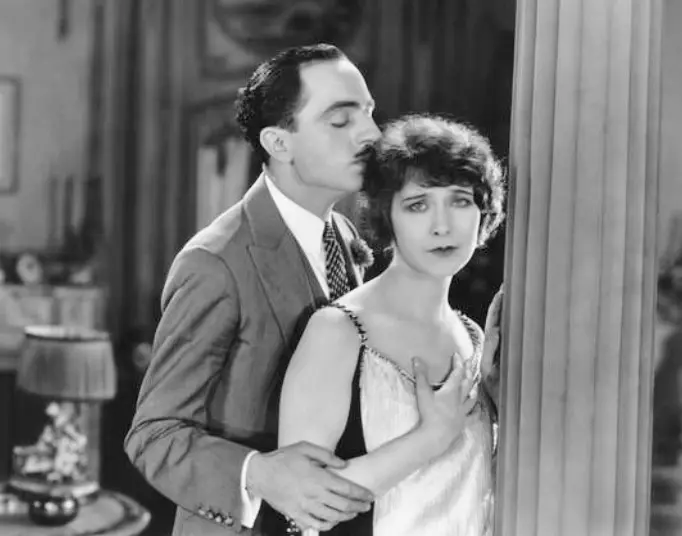
The Mark of the Outcast: Physiological Transgression in Early Seriality
One of the most profound examples of early cult DNA can be found in the 1915 serial The Red Circle. This film introduced a concept that would become a staple of cult horror and suspense: the physical manifestation of inner turmoil. The heroine possesses a birthmark—a red circle on her hand—that becomes visible only during moments of extreme stress, compelling her to steal. This isn't just a plot device; it is a precursor to the body horror and psychological thrillers of the modern era. It suggests a lack of agency, a theme that resonates deeply with cult audiences who often feel at odds with the societal "normal." The Red Circle dared to present a protagonist who was biologically hardwired for deviance, challenging the moral binaries of early 20th-century storytelling.
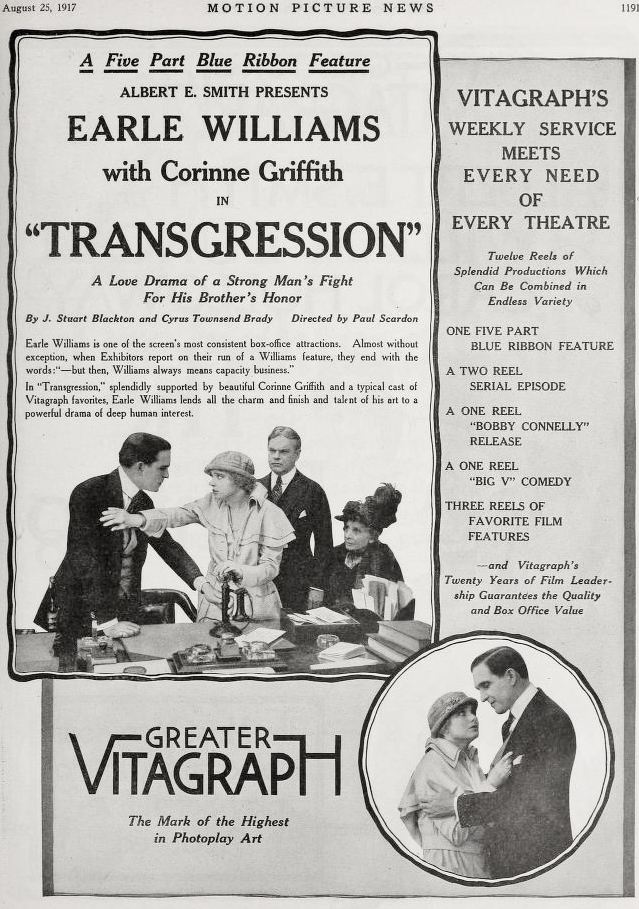
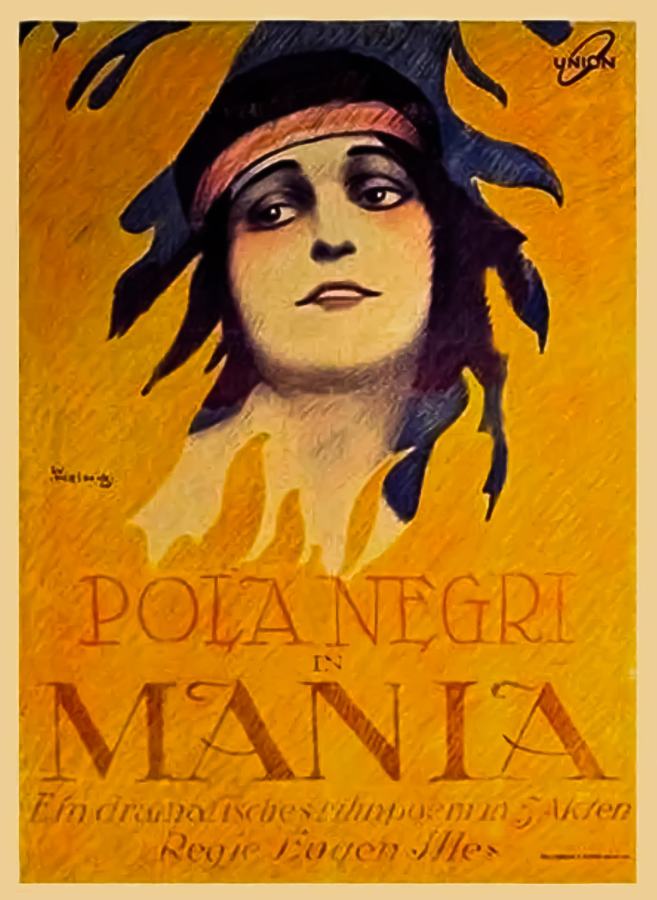
The Siren and the Marketing Machine: Mania (1918)
In the same vein, the 1918 film Mania. Die Geschichte einer Zigarettenarbeiterin, starring the legendary Pola Negri, explored the intersection of obsession and commercialism. When a simple cigarette factory worker becomes the face of a marketing campaign, she ignites a firestorm of male obsession. This film predates our modern fascination with the "it-girl" and the destructive nature of the celebrity cult. The narrative’s focus on the transformative power of the image—how a face on a poster can drive men to madness—is a meta-commentary on the medium of cinema itself. For the cult enthusiast, Mania represents the primal power of the screen icon, an archetype that would later be occupied by the likes of Tura Satana or Divine.

Psychological Anomalies and the Fractured Mind
Before the psychological thriller became a codified genre, films like The Curious Conduct of Judge Legarde (1915) were already pushing the boundaries of the human psyche. The premise—a judge who suffers a brain injury and develops a dual personality—is a direct ancestor to the Jekyll-and-Hyde tropes that cult cinema loves to deconstruct. By exploring the "moral insanity" of a man of the law, the film subverts the authority figures of the era. This subversion is the heartbeat of cult cinema; it takes the pillars of society and shows them to be as fragile and fractured as the criminals they judge. The narrative dissonance created by a judge who operates on both sides of the law provides exactly the kind of friction that attracts a devoted, niche following.
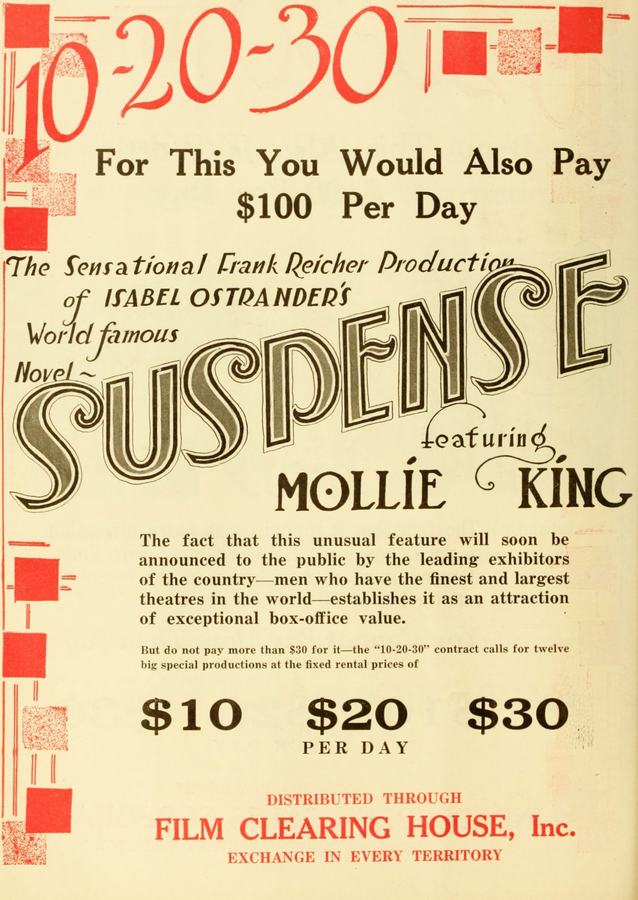
The Sea Wolf: Nietzschean Ambition on the High Seas
Similarly, the adaptation of Jack London’s The Sea Wolf (1913) brought a dark, philosophical weight to the screen. Captain Wolf Larsen is not a standard villain; he is a brutal intellectual, a man who views life as a struggle for dominance. This film’s exploration of the "superman" archetype and the cruelty of the natural world provided a stark contrast to the sentimental melodramas of its time. Cult cinema thrives on these types of anti-heroes—characters who are morally reprehensible yet intellectually fascinating. The claustrophobic setting of the schooner and the relentless psychological warfare between the captain and his victims laid the groundwork for the maritime gothic and the survival horror genres that would follow decades later.
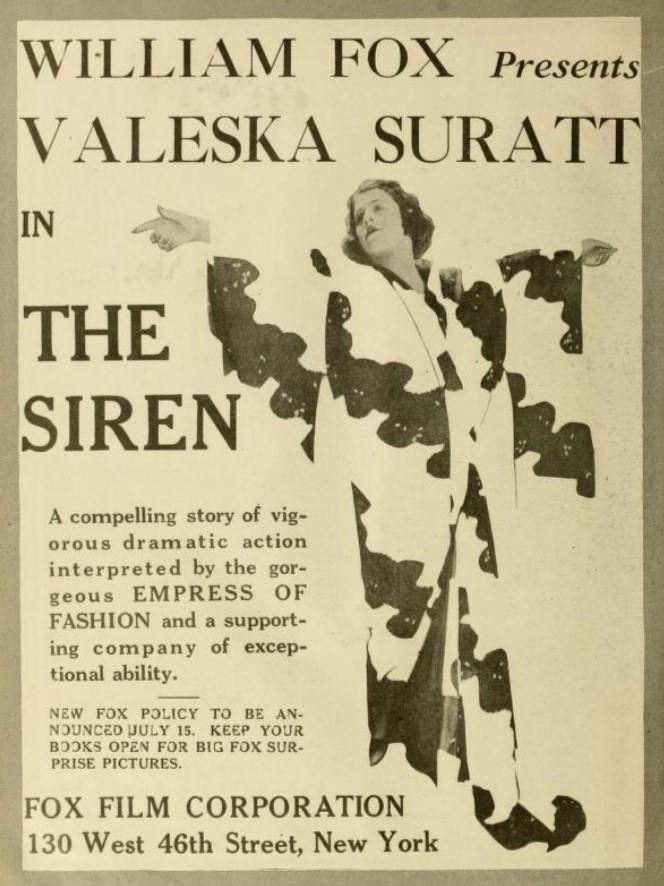
Mythology and the Spectacle of the Otherworld
While Western cinema was grappling with realism and melodrama, the East was producing spectacles of unimaginable scale. The 1920 film Nala Damayanti is a prime example of how early Indian cinema utilized high budgets and ancient mythology to create a sense of cosmic awe. By depicting the heavens of Indra and transformations in the clouds, the film offered a visual language that was entirely distinct from the urban grit of European or American films. This sense of the "otherworld" is a cornerstone of cult fantasy. The ability to transport an audience into a realm of pure myth—where gods walk among men and the laws of physics are suspended—is what transforms a mere movie into a sacred text for its disciples.
The Pulp Roots of The Yellow Menace (1916)
We cannot discuss the origins of cult without acknowledging the pulp serials. The Yellow Menace (1916) introduced Ali Singh, a fanatical scientist and thinker of depth. While modern eyes rightly view the "Yellow Peril" tropes with critical scrutiny, the film’s structure—the episodic nature, the over-the-top villainy, and the blend of science fiction and espionage—is the exact soil in which the cult of the "B-movie" grew. These films were the ancestors of the midnight movie serials, where the plot mattered less than the sheer audacity of the spectacle. Ali Singh is the proto-mad scientist, a figure that would eventually evolve into the iconic villains of 1950s atomic horror and 1970s sci-fi cults.
The Anarchy of Slapstick: Lonesome Luke and the Chaos of the Short
Cult cinema isn't always dark and brooding; it is often found in the margins of chaotic comedy. Harold Lloyd’s early character in The Lucky Number (1917), Lonesome Luke, represents a brand of slapstick that is almost surreal in its violence and absurdity. When Luke wins a mansion in a lottery only for the entire building to immediately blow up, we see the birth of the absurdist comedy. This rejection of logic and the embrace of pure, unadulterated chaos is a trait shared by cult classics like The Rocky Horror Picture Show or the works of the Monty Python troupe. In the world of Lonesome Luke, the universe is a cruel joke, and the only response is a frantic, kinetic energy that defies traditional narrative structure.
Sapho and the Taboo of the Notorious Past
Social transgression also played a vital role in early cult formation. The 1913 film Sapho dealt with a woman of a notorious past who enchants a young student. At the time, such stories were often censored or met with moral outrage. This very outrage is what often fuels a film's transition into cult status. By centering a narrative on a woman who refuses to be shamed by her history, Sapho challenged the Victorian sensibilities of its audience. Cult cinema has always been a sanctuary for the "fallen" and the marginalized, providing a space where the social pariah is the protagonist rather than the cautionary tale.
Nitrate Shadows and the Enduring Legacy
The films of this era—whether it was the vigilante justice of Sunlight's Last Raid, the cabaret-infused drama of Das schwarze Gesicht, or the war-torn tragedy of Vive la France!—all contributed to a cinematic landscape that was far more diverse and daring than history often remembers. These were not just precursors to modern movies; they were the first experiments in a type of filmmaking that prioritizes vision over commercial safety. When we watch the bizarre transformations in Nala Damayanti or the psychological unraveling in The Curious Conduct of Judge Legarde, we are witnessing the birth of the cult aesthetic.
Why do these films endure in our collective subconscious? It is because they speak to the universal experience of being an outlier. Whether it is the physical mark of the Red Circle or the social isolation of the Man Hater in the 1917 film of the same name, these early works captured the essence of the human condition in all its weird, messy glory. They remind us that before there was a "mainstream," there was only the wild, untamed frontier of the moving image. For the cult cinema devotee, these forbidden reels are not just historical artifacts; they are the living, breathing ancestors of every midnight movie that has ever dared to defy the status quo.
The Preservation of the Strange
As we move further into the digital age, the preservation of these early nitrate films becomes more critical than ever. Many of the films that defined the "proto-cult" era are lost or fragmented. Yet, the influence of The House of Hate or The Red Circle remains visible in the DNA of modern genre cinema. The masked killers, the secret formulas of The Lost Express, and the tomboyish rebellion of Bubbles (1917) all persist in the tropes we celebrate today. To truly understand the power of cult cinema, one must look back at these first pioneers—the mavericks who realized that the camera was not just a tool for recording reality, but a weapon for distorting it into something wonderful and strange.
In conclusion, the cult movie didn't start in the 1970s. It started the moment a director decided that a birthmark should glow, that a mansion should explode for no reason, and that a judge could be as mad as the men he sentenced. The Forbidden Reels of the early century are the foundation upon which the entire temple of cult cinema is built—a temple dedicated to the beautiful, the bizarre, and the eternally rebellious.
Community
Comments
Log in to comment.
Loading comments…