
Cult Cinema
The Fringe of the Flicker: Mapping the Genetic Oddities of Cinema's First Cult Wave
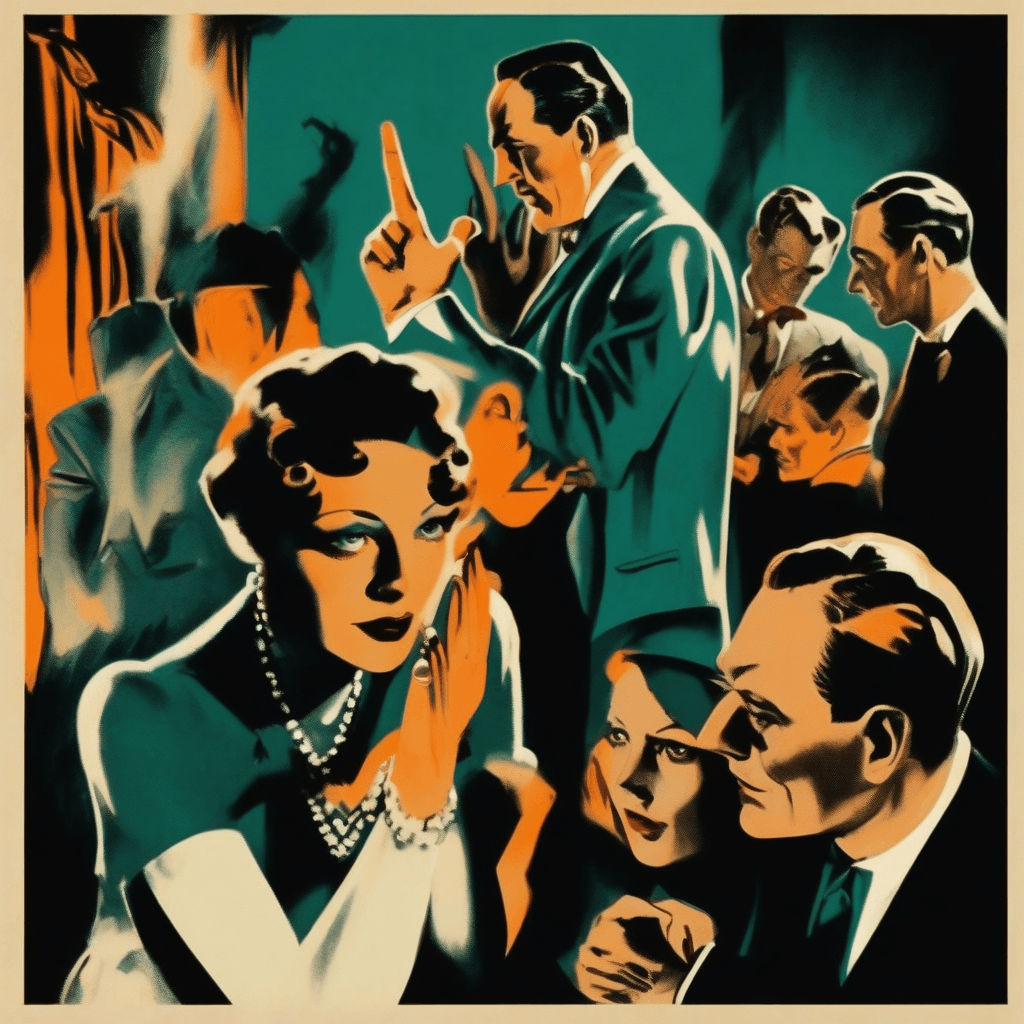
“An exploration of how early silent-era anomalies and transgressive narratives established the blueprint for modern cult cinema devotion.”
In the shadowed corridors of film history, there exists a subterranean layer of celluloid that defies the standard trajectory of the mainstream machine. Long before the term 'cult movie' was codified in the midnight madness of the 1970s, the early 20th century was already teeming with the genetic markers of the transgressive. These films, often relegated to the dusty corners of archives or lost entirely to time, represent a primal era of experimentation where the boundaries of taste, logic, and genre were routinely shattered by visionaries and outsiders alike.
The Altar of the Unusual: Rituals and Secret Societies
One cannot discuss the birth of the cult mindset without acknowledging the sheer narrative anarchy of the 1910s. Consider the 1912 curiosity The New Member. This short film presents a street fight that escalates into the discovery of the 'Royal Order of the Wriggle Fingers,' a bizarre Satanic cult operated by the police and endowed with magical powers. This is not merely a comedy; it is a proto-surrealist exploration of the subversive undercurrents that would later define the works of Jodorowsky or Lynch. The obsession with secret hand signals and hidden hierarchies reflects a deep-seated human desire for the esoteric, a core component of cult fandom.

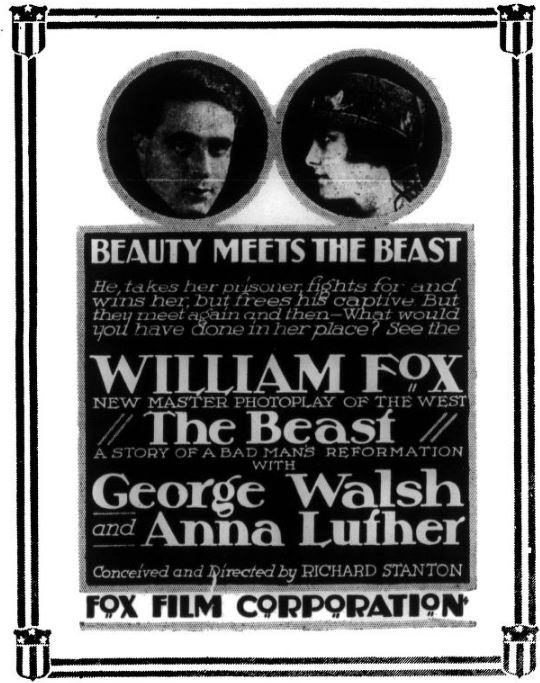
Similarly, the 1916 production Beauty and the Beast takes a mundane setting—a theater—and injects it with a singular, inexplicable obsession: a patron methodically unraveling a girl's woolen vest. It is this kind of hyper-focused, slightly uncomfortable absurdity that creates the 'cult' experience. It is the cinema of the hyper-specific, where the plot takes a backseat to the sheer, tactile strangeness of the image.
The Resurrection of the Outcast: From Death to Defiance
The 'cult hero' is almost always a figure of resurrection or social alienation. In Ultus, the Man from the Dead (1915), we see the archetype of the vengeful wraith. Ultus, left for dead by a scheming partner, returns from the void to reclaim his life. This theme of the 'undead' or the 'unseen' man resonates through films like The Clouded Name, where a protagonist known only as 'Bill' must navigate a world that views him as illegitimate. These characters are the spiritual ancestors of the drifters and outlaws that populated the grindhouse era.
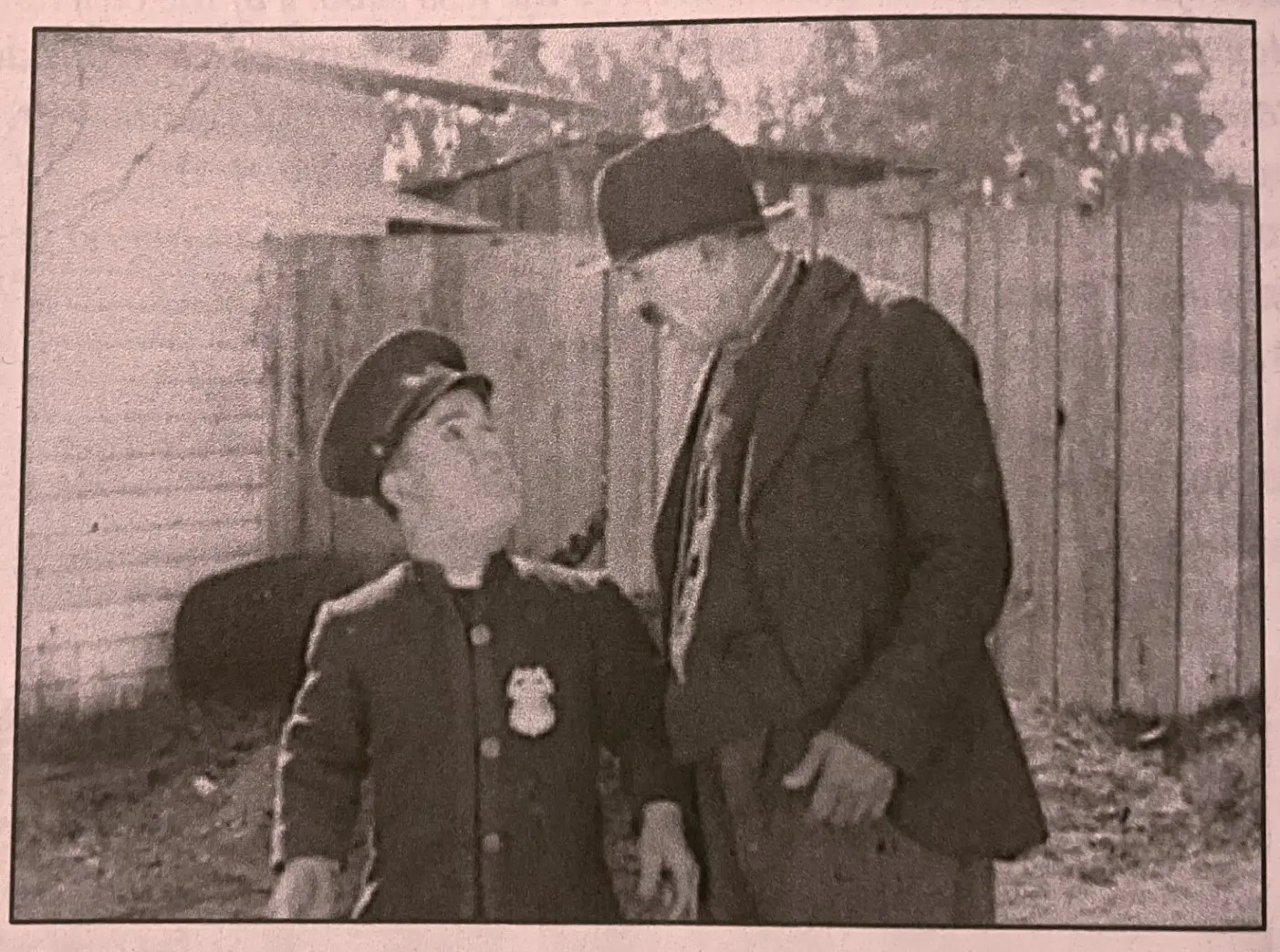
In Cassidy (1917), we find a derelict suffering from tubercular lungs, stranded in San Francisco and desperate to return to New York. His journey is one of terminal grit, a narrative of the marginalized soul fighting against the inevitability of the end. This 'loser-as-hero' trope is a cornerstone of cult cinema, where the audience identifies more with the struggle of the doomed than the triumph of the righteous.
Genre Anarchy and the Comedy of the Macabre
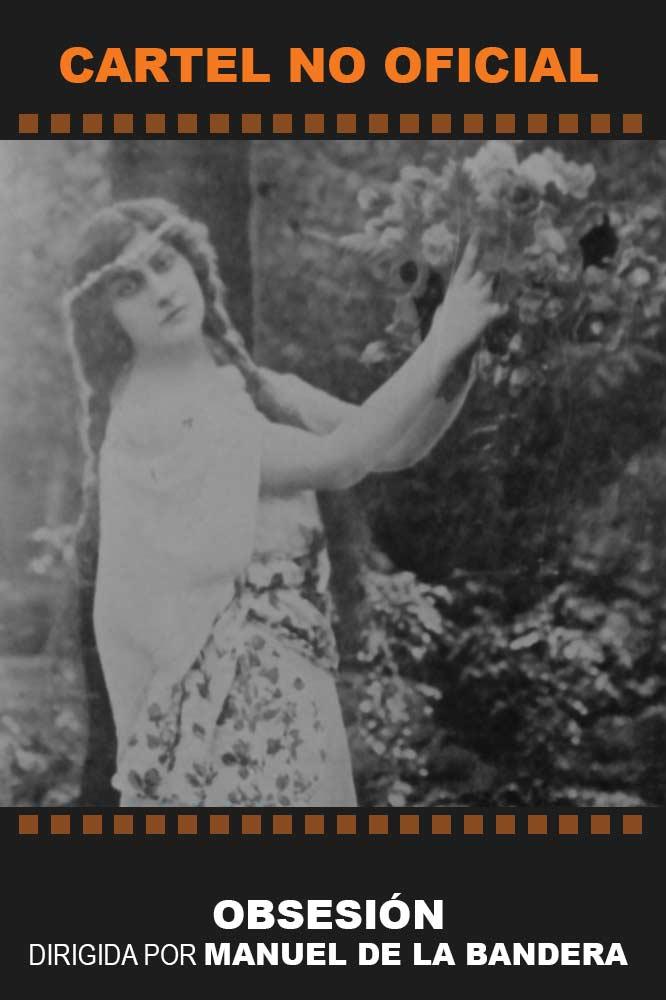
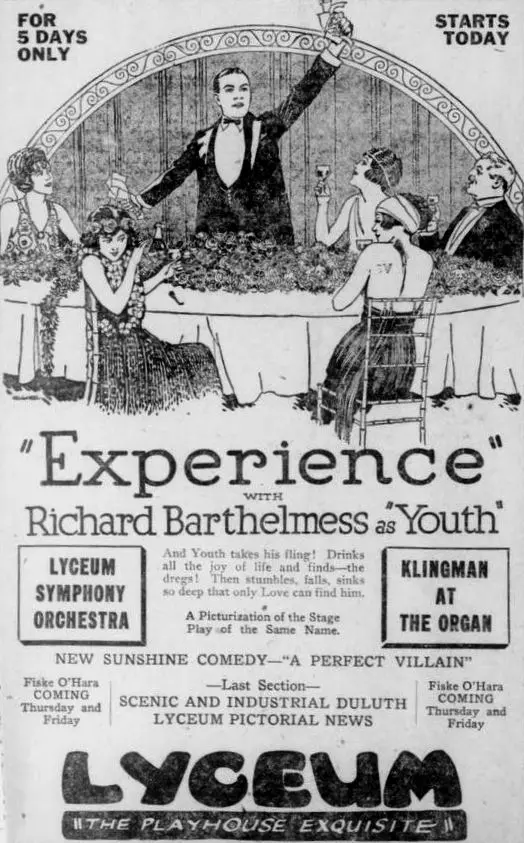
Cult cinema often thrives in the intersection of genres, where the lines between comedy, horror, and drama are blurred beyond recognition. Some Liar (1919) features a traveling salesman who sells both coffins and cradles—a morbidly hilarious juxtaposition that captures the cyclical nature of existence. His motto, 'catches 'em coming and going,' is a perfect encapsulation of the dark humor that would later define the cult aesthetic.
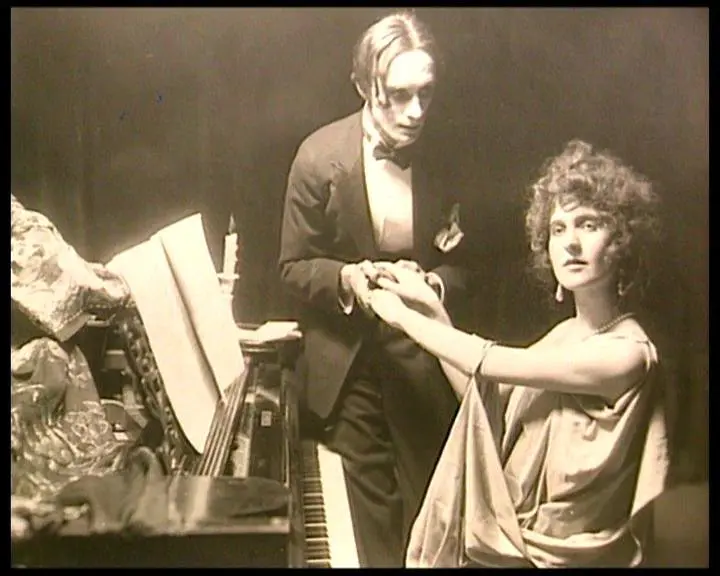
Even the short-form comedies of the era, like Jazz and Jailbirds or A Jungle Gentleman, pushed the envelope of logic. In the latter, a doctor's obsession with baseball leads to a scheme involving the 'Female Giants' to save his dwindling bankroll. This kind of narrative non-sequitur is the lifeblood of the 'midnight movie,' where the experience is predicated on the viewer's willingness to embrace the illogical.
The Gothic Pulse and Sexual Subversion
The darker side of the cult spectrum is found in films like The Dance of Death (1919). This apparently lost film utilized a beautiful dancer's sexual allure as a weapon, wielded by an evil cripple to lure men to their doom. The combination of disability, eroticism, and fatality is a classic 'cult' cocktail, pre-dating the transgressive explorations of the 1960s underground. It taps into the primal fears and desires that the mainstream often seeks to sanitize.
The obsession with 'The Strangler's Grip' or the 'The Clouded Name' suggests a fascination with the hidden and the forbidden. Even in dramas like Into the Light, where a 'Spider' lusts after a girl mistreated by her stepfather, the focus is on the predatory nature of human relationships, filtered through a lens of melodrama that borders on the operatic. This heightened reality is what allows cult films to transcend their temporal boundaries.
Global Conspiracies and Future Shocks
Early cinema was also obsessed with the 'what if' of global catastrophe and technological terror. The Flying Torpedo (1916) imagined a 1921 where the United States was defenseless against foreign alliances, leading to a desperate search for a million-dollar superweapon. This proto-science fiction, much like Elusive Isabel and its world-conquering diplomats, reflects the paranoia that often fuels cult-fringe narratives.
In The Volcano (1919), we see a New York schoolteacher confronting 'Bolshevist' threats and undernourished children, a social drama that feels both urgent and stylistically aggressive. These films were not just entertainment; they were reactions to a world in flux, capturing the anxieties of the era in ways that were often too raw for the 'respectable' audience of the time.
The Domestic Oddity: Marriage and Misunderstanding
Even the domestic sphere was not safe from the 'cult' touch. Wedding Bells (1921) uses a case of measles as a catalyst for a marital breakdown, while Let's Elope features an author so engrossed in his writing that he becomes blind to his wife's loneliness. These films, along with Mixed Twixt Wives and Do You Love Your Wife?, take the standard romance and inject it with a sense of frantic, almost hysterical energy. They portray the institution of marriage not as a sanctuary, but as a labyrinth of miscommunication and absurdity.
The 'Bunty' of Bunty Pulls the Strings is a master manipulator in a small Scottish village, controlling the men in her life through 'diplomatic tactics.' This subversion of the 'quiet daughter' trope is another example of how early cinema was quietly dismantling social expectations, paving the way for the rebel icons of the future.
The Legacy of the Lost and the Misunderstood
Many of these films, such as Das Todesgeheimnis or Fange no. 113, exist now only as whispers in filmographies or fragments in private collections. Yet, their influence is undeniable. They established the midnight mindset: the idea that a film can be more than just a story; it can be a ritual, a secret code, or a challenge to the status quo. Whether it is the 'stone-hearted' John Glayde in John Glayde's Honor or the kidnapped girl in Poor Little Peppina, these characters represent the diverse, often contradictory impulses of early cinema.
We see the roots of the 'maverick' director in the bizarre choices made in The Ringtailed Rhinoceros, where John Carter's alcoholism leads to hallucinations of the titular beast. This use of visual metaphor to depict internal decay is a sophisticated narrative tool that would become a staple of the psychological cult film. The 'rhinoceros' is not just a creature; it is the manifestation of the character's 'good fellowship' turned into a curse.
Ultimately, cult cinema is about the beauty of the fringe. It is found in the 'unwelcome mother' living in a lighthouse, the 'wild girl' raised by gypsies, and the 'vicar of Wakefield' jailed for debt. These are the stories of the overlooked and the unusual. From the high-stakes gambling of Queen of Spades to the gritty realism of Jim Bludso on the Mississippi River, the early era of film provided a rich tapestry of 'misfit' reels that continue to haunt and inspire the cinematic subconscious.
As we look back at these fifty anomalies, we recognize that the 'cult' was never a modern invention. It was there from the beginning, flickering in the darkness of the nickelodeons and the silent palaces, waiting for an audience that was willing to look beyond the marquee and into the strange, subversive heart of the medium. The 'Royal Order of the Wriggle Fingers' is still out there, beckoning to those who seek the unconventional.
Community
Comments
Log in to comment.
Loading comments…