
Cult Cinema Deep Dive
The Fringe’s First Spark: Decoding the Early Cinema Misfits That Invented the Cult Ethos

“An exploration into the forgotten relics of early filmmaking and how their narrative deviance forged the modern cult movie obsession.”
Cult cinema is often defined by its relationship with its audience—a bond forged in the fires of obscurity, misunderstanding, and radical devotion. While the modern concept of the 'midnight movie' was solidified in the 1970s, the genetic blueprints of cinematic rebellion were actually drafted decades earlier. To understand the maverick heartbeat of the fringe, we must look back at the silent era and the early talkies, where films like Who Loved Him Best? and The Hunchback and the Dancer first experimented with the themes of transformation and social alienation that define the cult aesthetic today.
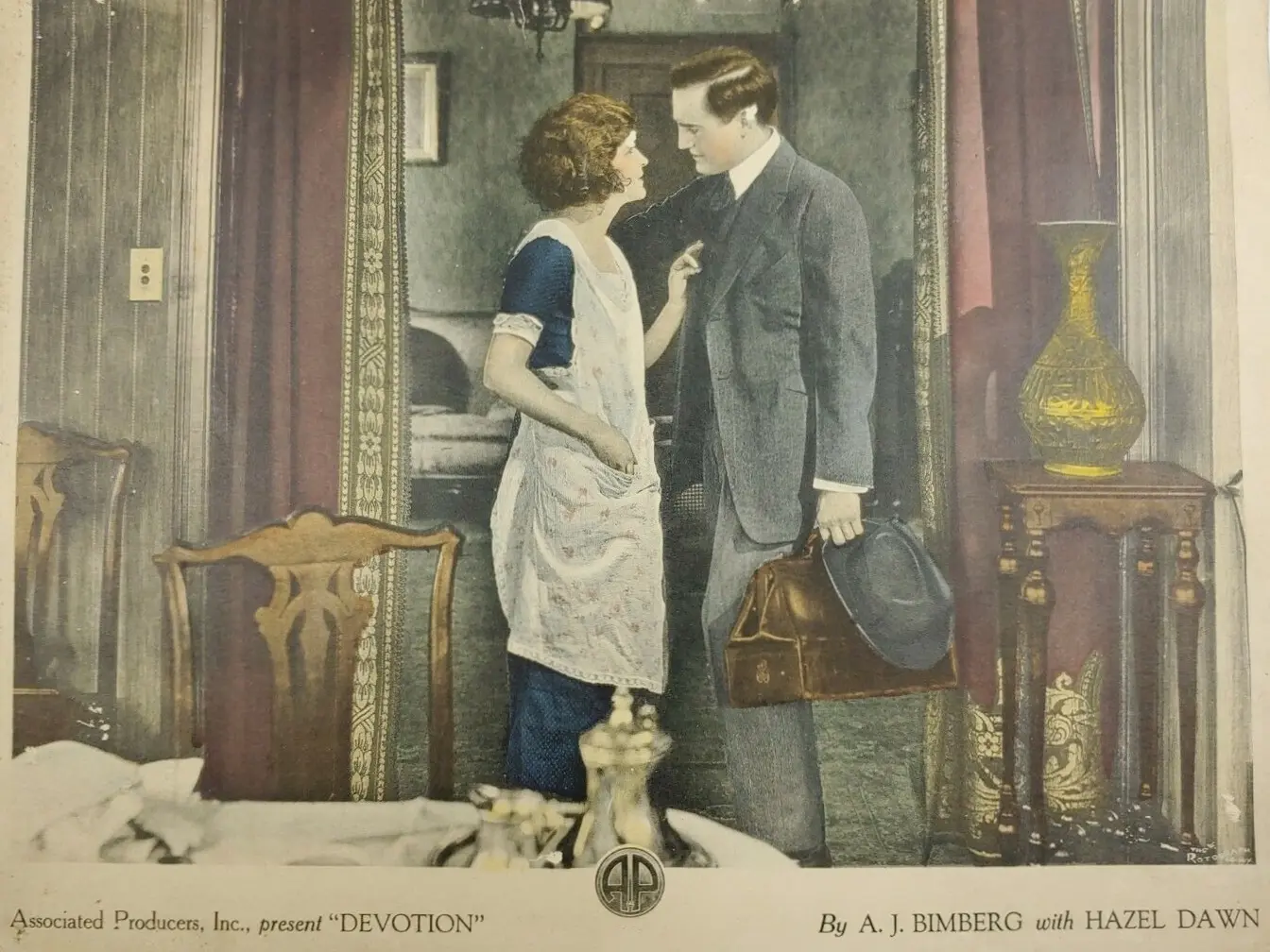
The Architecture of the Abnormal: Why We Worship the Misfit
The cult film is, at its core, a sanctuary for the outcast. This tradition began with narratives that centered on characters who defied social norms or survived against impossible odds. Consider the 1913 production of The Betrothed, where a couple is separated by a local tyrant and a literal pestilence. This sense of being 'against the world' is a foundational pillar of cult cinema. It resonates with the disenfranchised viewer who sees their own struggle reflected in the flickering nitrate shadows.
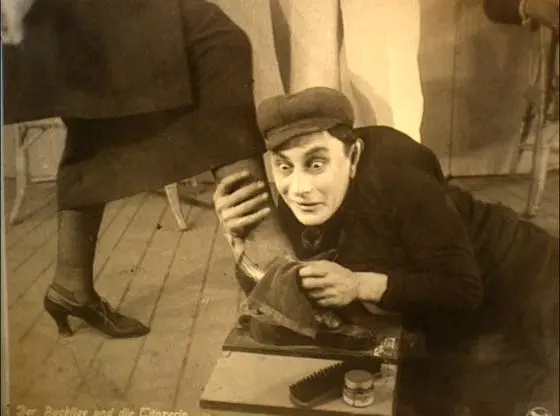
In The Hunchback and the Dancer, we see a proto-cult masterpiece. Wilton, a man scorned for his physical appearance, returns from Java with a diamond mine. This narrative of the 'grotesque' finding power through unconventional means is a recurring motif in cult history. It challenges the viewer to look past the surface, a hallmark of the deep-dive fandom that characterizes the cult community. These early films weren't just entertainment; they were exercises in empathy for the 'other,' a theme that would later explode in the works of filmmakers like David Lynch or John Waters.
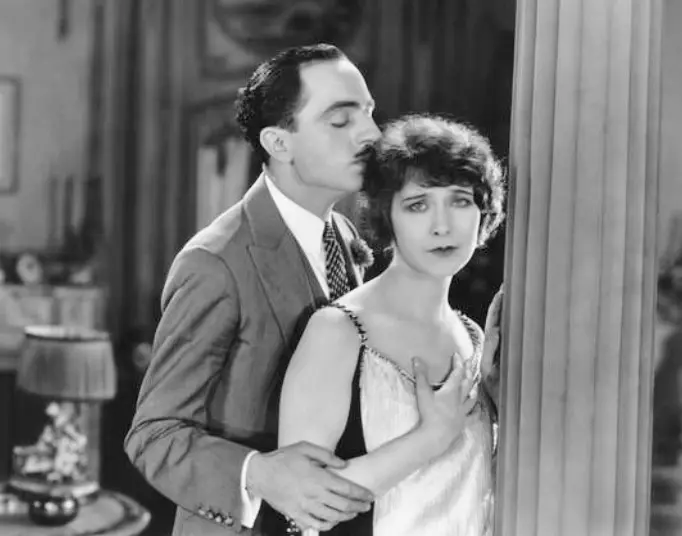
Subverting the Domestic: Wedlock and The Lily and the Rose
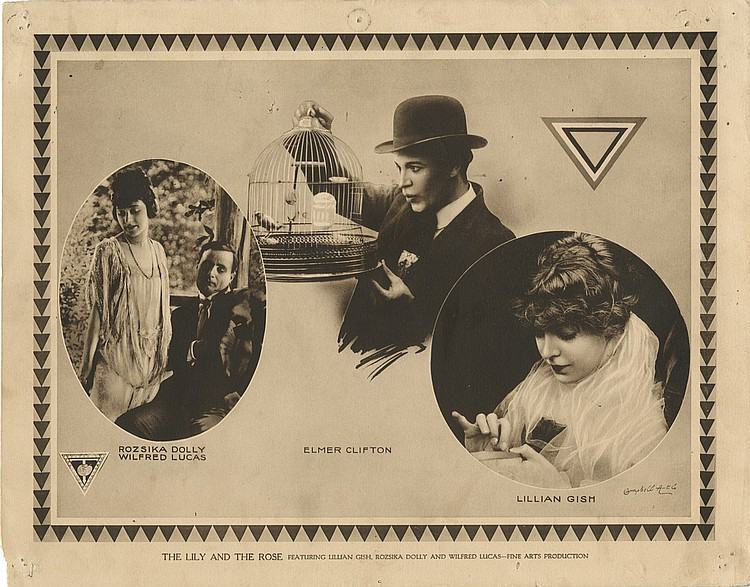
Cult cinema thrives on the subversion of traditional family structures. Early films like Wedlock and The Lily and the Rose explored the friction between personal desire and societal expectation. In Wedlock, the secret marriage of a wealthy man to a telephone operator creates a class-based tension that feels remarkably modern. Similarly, The Lily and the Rose examines the fallout of a marriage between a 'bookworm' and a 'football star,' highlighting the inherent incompatibility of different social archetypes.
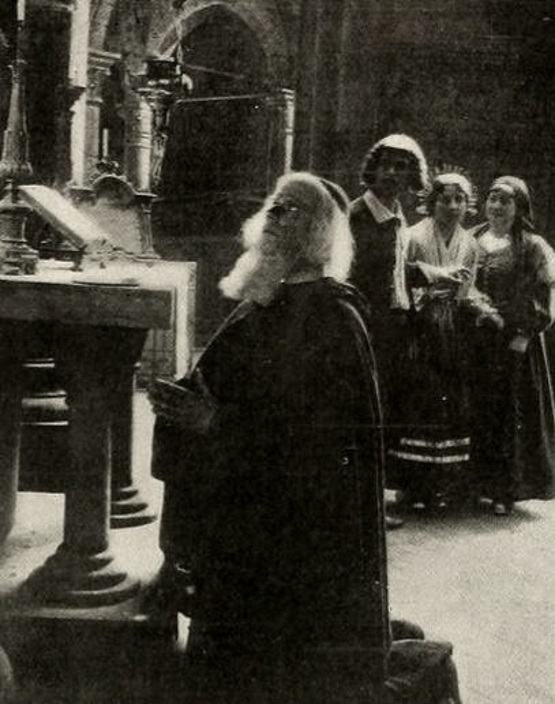
These narratives of domestic discord provided a template for the transgressive family dramas of the late 20th century. By showcasing characters like Jane's fiancé in Wedlock or the tragic Allison Edwards in The Lily and the Rose, early cinema began to dismantle the myth of the perfect home. This deconstruction is vital to the cult experience, as it allows the audience to find solace in the 'broken' and the 'unconventional.'
The Comedy of Chaos: Absurdism and the Early Short
If cult cinema is defined by its weirdness, then the early 20th-century short film is its primal scream. Titles like His Musical Sneeze and A Good Scout embraced a level of narrative anarchy that would make modern surrealists blush. In His Musical Sneeze, a simple rabbit hunt devolves into a chaotic encounter with a dog, a lion, and a beautiful woman. This logic-defying progression is the very essence of cult appeal—the delight in the unexpected and the utterly bizarre.
Similarly, What Happened to Jones offers a look at the professor of anatomy, Ebenezer Goodly, whose life is upended by a visit from his brother. These films relied on a frantic, almost desperate energy, often because they were produced under tight constraints. This 'guerrilla' style of filmmaking—seen again in Yap and Ship Ahoy—is a direct ancestor to the low-budget, high-concept cult hits of the 1980s. When a film like Betty's Green-Eyed Monster or His Fatal Bite leans into its own absurdity, it invites the audience to become part of an 'inner circle' that 'gets' the joke.
The Gender-Bending Frontier: The Stampede and The Girl Angle
One of the most radical aspects of early cult cinema is its willingness to play with gender roles. The Stampede features Tex Henderson, a Western woman so proficient at horse riding that she is rejected by the man she loves for being 'too mannish.' This exploration of gender performance and societal rejection is a cornerstone of queer and feminist cult theory. Tex’s participation in the land rush is not just a plot point; it is a rebellion against the restrictive binaries of the early 1920s.
In The Girl Angle, we meet Maud Wainwright, a 'confirmed man-hater' homesteading in the Southwest. The film’s focus on her independence and her refusal of traditional suitors like Sheriff Steve Kennedy or the bandit 'Three Gun Smith' marks it as a proto-feminist outlier. Cult audiences have always gravitated toward characters who refuse to conform, and Maud Wainwright stands as a silent sentinel for the rebellious spirits that would follow in the decades to come.
Technological Fetishism and the Thrill of the New
The cult of the machine is another recurring theme in the fringe archive. Films like Sky-Eye and Across the Continent centered their narratives around the burgeoning technologies of aviation and the automobile. In Across the Continent, the conflict between a father’s low-priced car and a son’s preference for a rival’s model serves as a vehicle for a high-stakes thriller. This obsession with the machine—the 'speed' and the 'danger' of the new world—is a precursor to the gear-head cult films like *Mad Max* or *Vanishing Point*.
Sky-Eye, with its wealthy oil magnate and aerial schemes, tapped into the public's fascination with the 'maverick' inventor and the daring pilot. These films weren't just about the stories; they were about the spectacle of the technology itself. For the cult viewer, the medium often is the message, and the grain of the film, the hum of the projector, and the mechanical precision of the stunts in The Rail Rider all contribute to a sensory experience that transcends traditional narrative.
The Tragedy of the Performer: When Do We Eat? and The Messenger
Cult cinema often turns its lens inward, examining the desperation and the 'otherness' of the artist. When Do We Eat? tells the story of Nora, an actress in a third-rate production of *Uncle Tom's Cabin* who can barely afford a meal. This depiction of the 'starving artist' and the failure of the theatrical dream is a recurring theme in the cult canon, which often celebrates the 'beautiful losers' of the industry.
In The Messenger, we see Billy, whose 'seriousness' as a leading man nearly results in disaster. This meta-commentary on the nature of performance and the thin line between success and mockery is a hallmark of cult appreciation. We love the films that try too hard, the actors who are 'too serious,' and the productions that are 'too ambitious' for their budgets. From The Fortunes of Fifi to Her Soul's Inspiration, the early cinema archive is full of these portraits of artistic yearning that resonate with the obsessive fan.
Class Warfare and the Social Outcast: Passers-by and The Debt
The friction of class differential has always provided fertile ground for cult storytelling. Passers-by (1920) examines a romance sabotaged by a stepsister who cannot abide the 'class differential.' This sense of social injustice and the 'forbidden' nature of the relationship creates a narrative tension that cult audiences find irresistible. Similarly, The Debt uses a disrupted engagement and a worthless mine to highlight the fragility of social standing.
Films like Barnaby Rudge, featuring a murderer's 'idiot son' jailed as a rioter, take this social alienation to its extreme. By centering the story on those at the very bottom of the social ladder, early cinema established the 'underdog' archetype that is so prevalent in cult classics. Whether it’s the struggle of Jo Morey in Silent Years or the cynical quest of John Douglas in The Quest, the theme of finding one's place in a hostile world is a universal cult constant.
Conclusion: The Eternal Flame of the Fringe
The 50 films discussed here—from the historical curiosity of Marie, Queen of Rumania to the absurdist comedy of Meatless Days and Sleepless Nights—represent the primordial soup from which the modern cult movie emerged. They were the anomalies, the misfits, and the mavericks of their time. They dared to be weird, they dared to be transgressive, and they dared to speak to the audience in a language that the mainstream often ignored.
Today, when we watch Edelsteine or The Slim Princess, we aren't just looking at relics of a bygone era. We are looking at the roots of our own obsession. We are seeing the first flickers of the rebellion that continues to drive the cinematic underground. The cult of the fringe is not a modern invention; it is a century-old tradition of finding beauty in the bizarre and divinity in the deviant. As long as there are filmmakers willing to make movies like The Woman and the Beast or Raffles, the Amateur Cracksman, the cult cinema flame will never go out. It will only burn brighter in the darkness of the midnight theater.
Community
Comments
Log in to comment.
Loading comments…