
Film History
The Gilded Grifter: How 1920s 'High-Society' Melodramas Invented the Cult of the Social Outlaw
“Beyond the fringe and the flapper, the 1920s birthed a dark obsession with the 'Lounge Lizard' and the bored heiress, creating the blueprint for cinema's most enduring social rebels.”
Long before the neon-soaked nihilism of the 1970s or the gritty anti-heroes of the New Hollywood era, there was a different kind of darkness brewing in the flickering light of the Jazz Age. We often remember the 1920s through a soft-focus lens of glitter and Gatsby, but for the discerning historian of the fringe, the era’s true power lay in its jagged social friction. It was a decade of profound identity crisis, where the industrial machine was minting new fortunes and crushing old souls in equal measure. This wasn't just 'entertainment'; it was a laboratory for the modern cult of the social outlaw.
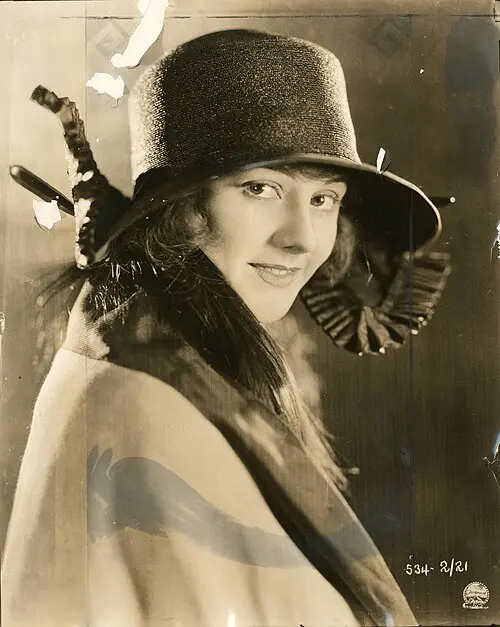
At Dbcult, we tend to look for the 'transgressive' in the shadows of horror and exploitation, but the real transgression of the 1910s and 20s occurred in the drawing rooms and jazz clubs of the 'Social Problem' film. These movies didn't just depict class; they weaponized it. They introduced us to the Lounge Lizard—that sleek, parasitic grifter who moved through high society like a virus—and the Bored Heiress, who saw her own privilege as a gilded cage. By dissecting the rot within the 'Blue Blood' and the desperation of the social climber, early cinema scripted the DNA of the devotional obsession we now reserve for the misfits and the damned.
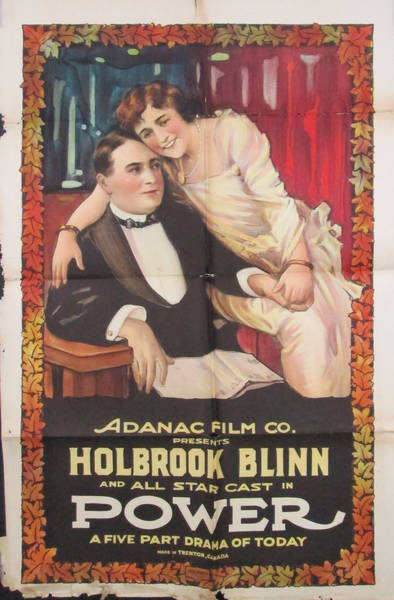
The Anatomy of the Lounge Lizard: Austin Trull and the Parasitic Anti-Hero
To understand the modern cult of the charming sociopath, one must look at the 1923 drama Wandering Daughters. While the title suggests a moralizing tale about wayward youth, the film’s magnetic center is Austin Trull—the quintessential 'lounge lizard.' Trull represents the first iteration of the cinematic grifter: an artist-adjacent drifter who preys on the boredom of the upper class. In the film, Bessie Bowden, the daughter of straitlaced parents, finds herself irresistibly drawn to Trull’s 'fast set.' This isn't just a story of rebellion; it is a study in the allure of the performative self.
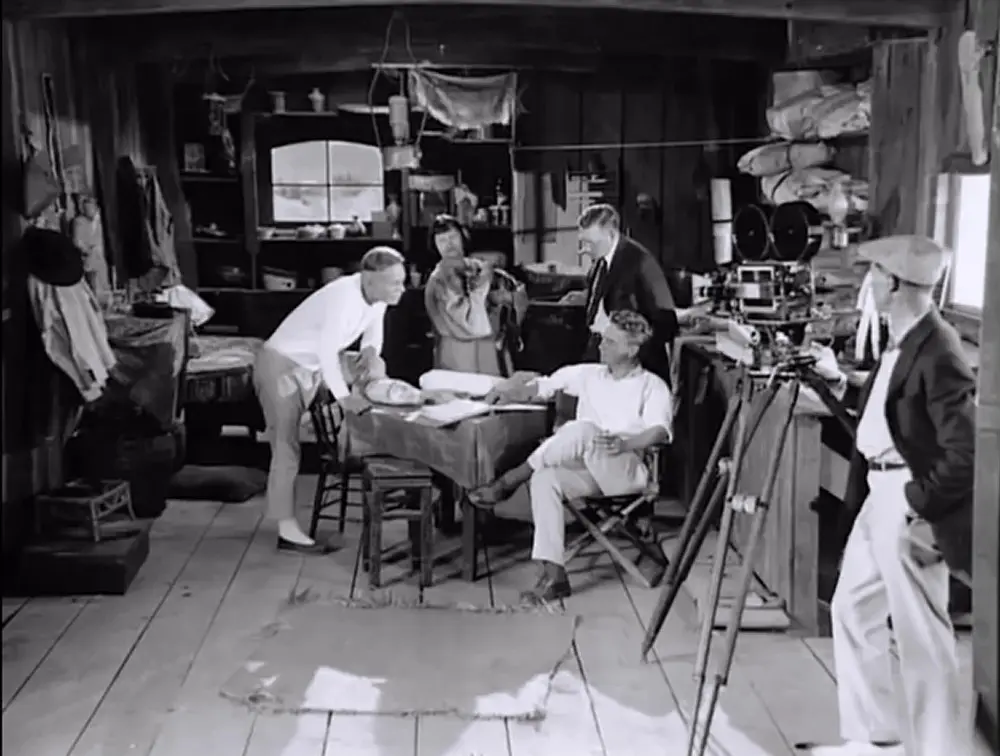
Trull is the ancestor of Tom Ripley and Patrick Bateman. He exists in the liminal space between classes, using his aesthetic sensibilities to mask a lack of moral core. For the 1920s audience, he was a figure of both terror and envy. He represented the 'New Money' anxiety—the fear that anyone could put on a tuxedo and infiltrate the inner sanctum of the elite. This 'masking' of identity is a cornerstone of cult cinema, from the noir shadows of the 40s to the identity-theft thrillers of today. In Wandering Daughters, the 'fast set' isn't just a group of friends; it’s a cult of personality centered around the rejection of the mundane, hard-working values represented by characters like John Evans.
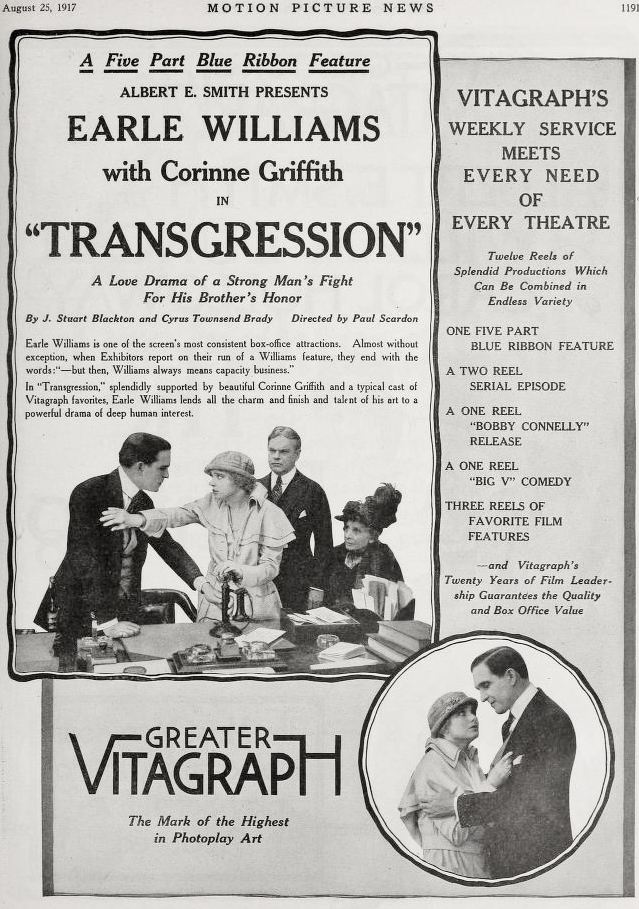
"The 1920s 'Social Problem' film didn't just depict class; it weaponized it, introducing the world to the sleek, parasitic grifter who moved through high society like a virus."
The Great Marital Mutiny: 'Wine of Youth' and the Death of Domesticity
If the Lounge Lizard was the predator of the era, the 'New Woman' was its most radical insurgent. King Vidor’s Wine of Youth (1924) is a startlingly modern piece of cinema that questions the very validity of marriage. Mary the Third, the protagonist, looks at the generations of women before her—women who used 'every trickery to secure husbands'—and finds the entire charade repulsive. She is a seeker of adventure, not a seeker of security.
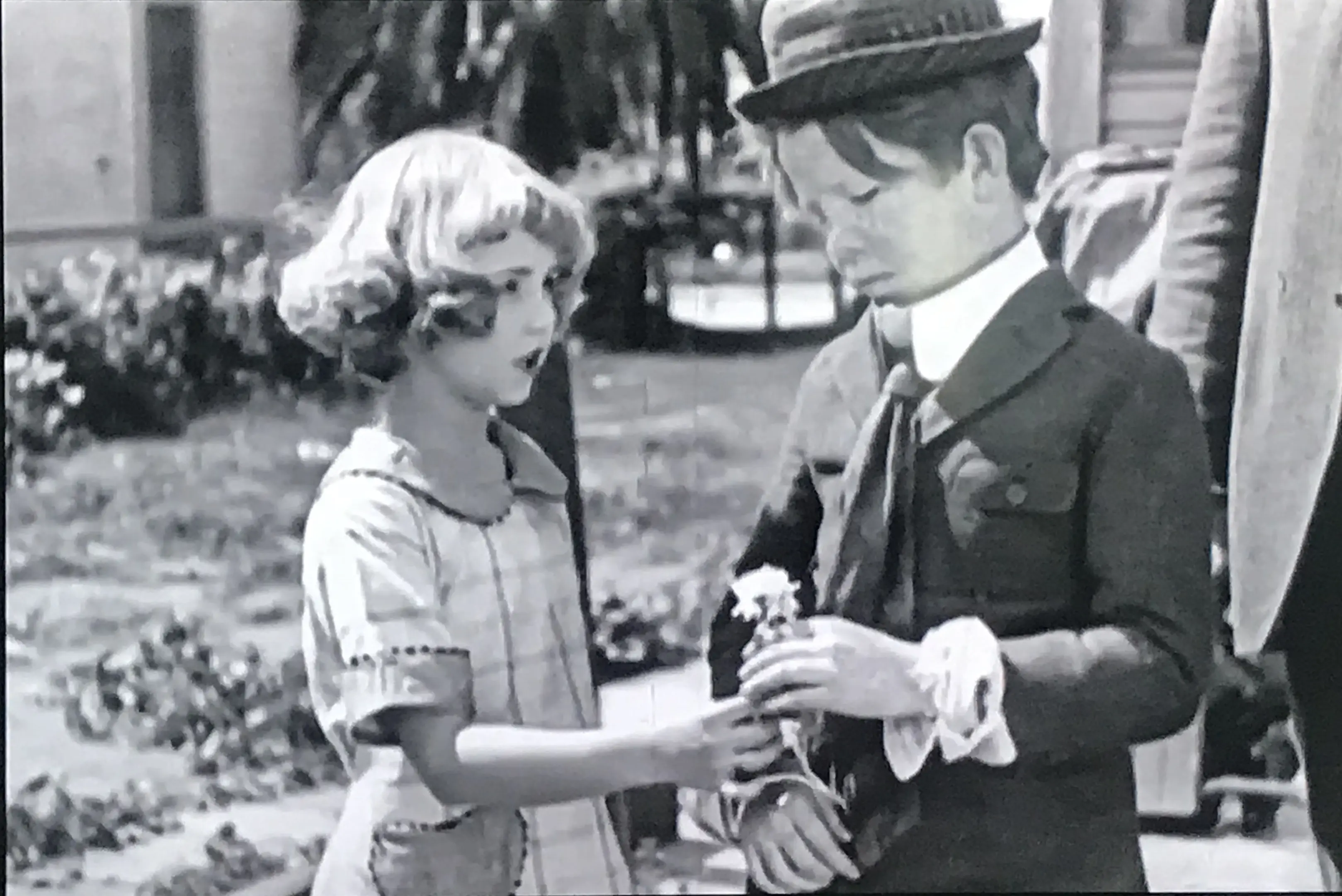
This film is crucial to the cult canon because it depicts the 'trial marriage'—a concept that was explosive at the time. Mary’s refusal to choose between the quiet, polite Lynn and the more exciting, albeit dangerous, suitors is a direct challenge to the domestic status quo. Cult cinema often thrives on the rejection of the nuclear family, and Wine of Youth provides the blueprint for the 'unruly woman' who would later evolve into the femme fatale or the transgressive heroine of the underground. It posits that the 'adventure' is worth more than the 'vow,' a sentiment that resonates deeply with the midnight movie crowd's preference for the chaotic over the curated.
The Pathology of Prestige: Syphilis, Paresis, and the Rotting Elite
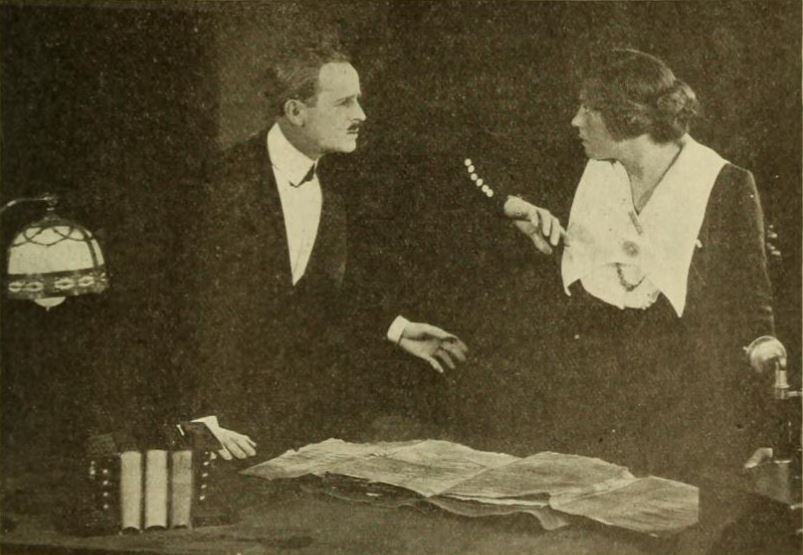
Perhaps the most visceral example of the 'Gilded Rot' is found in the 1914 film Blue Blood. Here, the horror isn't a ghost or a monster, but a medical reality: paresis, a late-stage manifestation of syphilis. Spencer Wellington is a wealthy young man who, despite his physician's warnings, marries Grace Valient while carrying a disease that will inevitably destroy him. This isn't just a cautionary tale; it is a brutal indictment of the 'Blue Blood' philosophy.
The film suggests that the very concept of 'Blue Blood' is a lie—that beneath the fine clothes and inherited wealth lies a decaying, infectious reality. This 'body horror' of the elite is a recurring theme in cult cinema (think of the high-society mutations in Brian Yuzna’s Society). By linking social status with physical corruption, Blue Blood tapped into a primal fear of the early 20th century: that the leaders of society were biologically and morally bankrupt. For the cult spectator, this film offers the catharsis of seeing the 'perfect' social facade crumble into a mess of clinical symptoms and professional dishonor.
The City as a Trap: 'Silk Husbands and Calico Wives'
The tension between the 'honest' small town and the 'corrupt' city is a trope as old as time, but the 1920 film Silk Husbands and Calico Wives adds a layer of psychological cruelty that feels remarkably modern. When Deane Kendall, a small-town attorney, is lured to the city by a prestigious firm, he brings his wife Edith with him. Edith, however, is 'Calico'—she doesn't fit the 'Silk' world of the urban elite. The film chronicles her systematic alienation and the pressure on Deane to discard his 'unfashionable' life for a shot at prestige.
This film explores the cult of 'fitting in' and the violence of social assimilation. The city isn't just a place; it’s a machine that demands you sacrifice your soul for a title. This theme of the 'urban labyrinth' swallowing the innocent is a hallmark of cult noir and psychological thrillers. The tragedy of the 'Calico Wife' is that she is a relic of a world that the 'Silk' world has decided is obsolete. It’s a haunting, often overlooked masterpiece of social anxiety that speaks to anyone who has ever felt like an outsider in a room full of performative wealth.
The Counterfeit Identity: From Wall Street to the Underworld
The 1920s were obsessed with the 'Impostor'—the figure who could cross the class divide through sheer force of will or deception. In The Impostor (1921), we see a vagabond and crook who ingratiates himself with a rich lumberman using a stolen letter of introduction. Similarly, in The $5,000,000 Counterfeiting Plot (1914), the danger isn't just the crime itself, but the way the 'counterfeit' money infiltrates the domestic sphere, ending up in the hands of an innocent daughter who spends it on a dress.
These films reflect a deep-seated paranoia about the stability of reality in a rapidly changing economy. If money can be forged, if a vagabond can become a gentleman through a letter, then what is real? This obsession with the 'forged self' is the bedrock of the cult anti-hero. Whether it’s the political power plays in The Prince of Avenue A or the unscrupulous speculators in The Greater Sinner, the 1920s cinema was fixated on the idea that success was a performance, and the best performers were often the most dangerous.
The Legacy of the Gilded Outlaw
The cult of the social outlaw didn't end when the stock market crashed in 1929. Instead, it evolved. The Lounge Lizard of Wandering Daughters became the smooth-talking gangsters of the 30s. The rebellious Mary of Wine of Youth became the independent, cigarette-smoking icons of the 40s. But the core tension remains the same: the conflict between who we are told to be by society and the 'fast,' dangerous, and authentic selves we discover in the shadows.
- The 'Lounge Lizard' as a precursor to the modern grifter archetype.
- The rejection of traditional marriage in favor of 'adventure' and 'trial.'
- The physical rot of the elite as a metaphor for moral bankruptcy.
- The urban city as a predatory force that demands the erasure of the 'authentic' self.
When we watch these 'forgotten' melodramas today, we shouldn't see them as dusty relics. We should see them as the first drafts of our own modern obsessions. They are the stories of people trying to survive a world that values 'Silk' over 'Calico,' and 'Status' over 'Soul.' That struggle is the heart of every cult film ever made. It’s the reason we keep returning to the fringe—to find the people who, like Mary the Third or even the villainous Austin Trull, refused to play by the rules of the drawing room.
The Jazz Age was the first time cinema truly looked at the 'Social Outlaw' and said, 'This is where the real story is.' And we’ve been watching that same story ever since, just with different clothes and louder music.
Community
Comments
Log in to comment.
Loading comments…