
Film History
The Gospel of the Unveiled: How Silent Cinema’s Obsession with ‘Truth’ and ‘Vice’ Created the Prototypical Cult Spectator
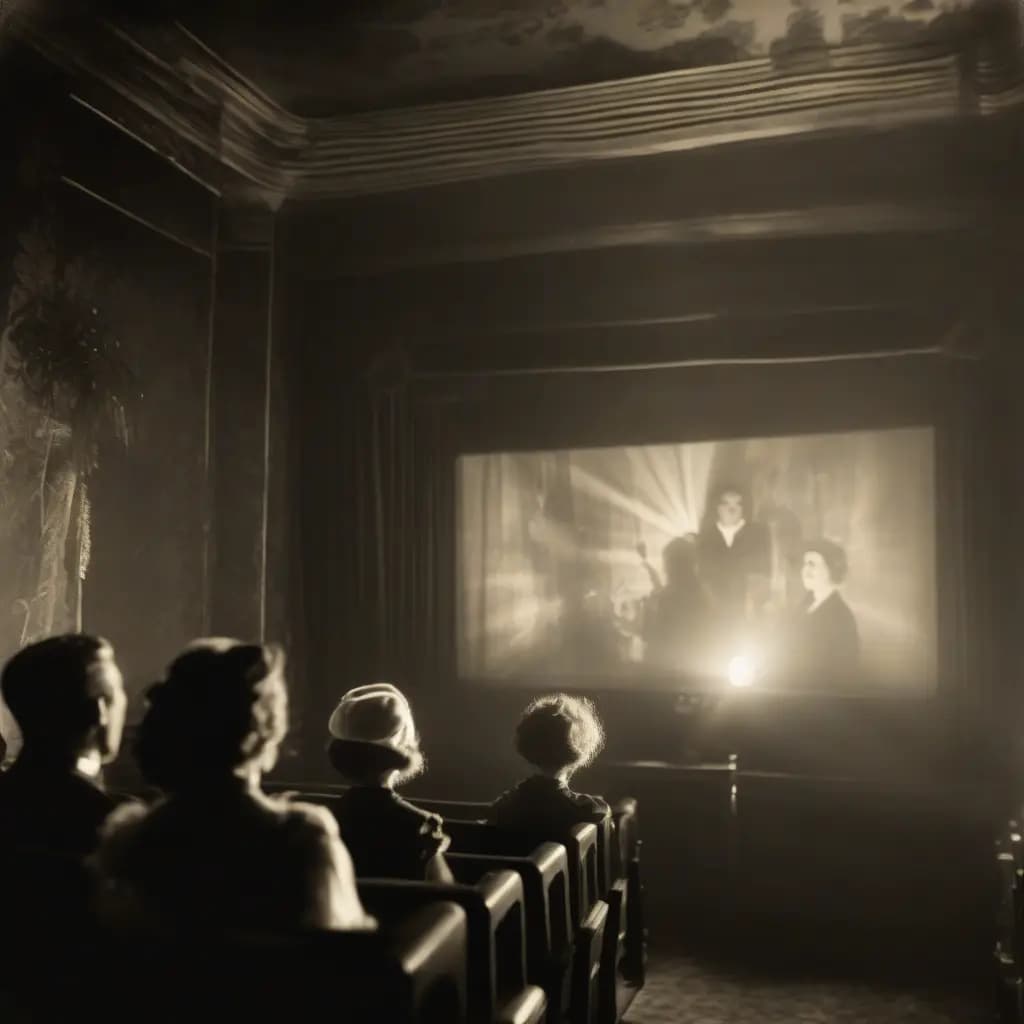
“Long before the midnight movie era, silent cinema’s dangerous flirtation with social taboos and naked allegories forged the DNA of the modern cult obsessive.”
We often trace the lineage of cult cinema to the smoke-filled basements of the 1960s or the neon-drenched grindhouses of the 1970s. We speak of the midnight movie as if it were a post-war invention, a byproduct of the counterculture’s hunger for the weird and the wired. But the truth—that elusive, shimmering thing that filmmakers have chased since the first hand-cranked cameras began to whir—is far older. The modern cult spectator, that discerning seeker of the forbidden and the misunderstood, was actually born in the flickering light of the silent era. It was during these formative decades that the medium first realized its power not just to entertain, but to scandalize, to preach, and to peel back the skin of polite society.
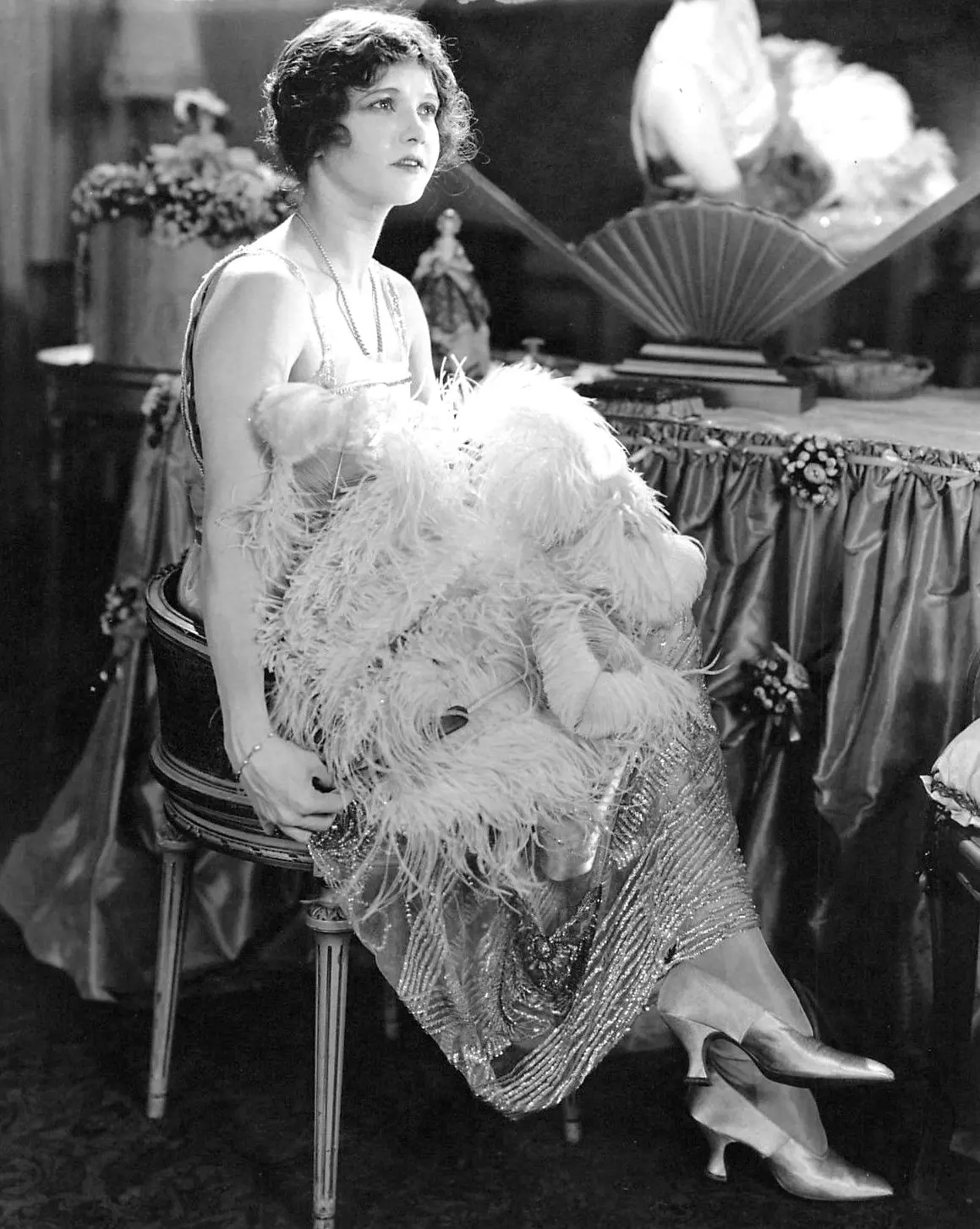
At the heart of this evolution lies a peculiar obsession with the concept of 'Truth.' Not the objective truth of a newsreel, but a symbolic, often dangerous Truth that challenged the stifling morality of the early 20th century. When we look at the films that survived the nitrate fires and the shears of the censors, we find a blueprint for every transgressive movement that followed. These were the original 'forbidden' films, works that used the guise of social hygiene or moral allegory to smuggle images of vice, decadence, and raw human ferocity into the darkened theaters of a burgeoning world.
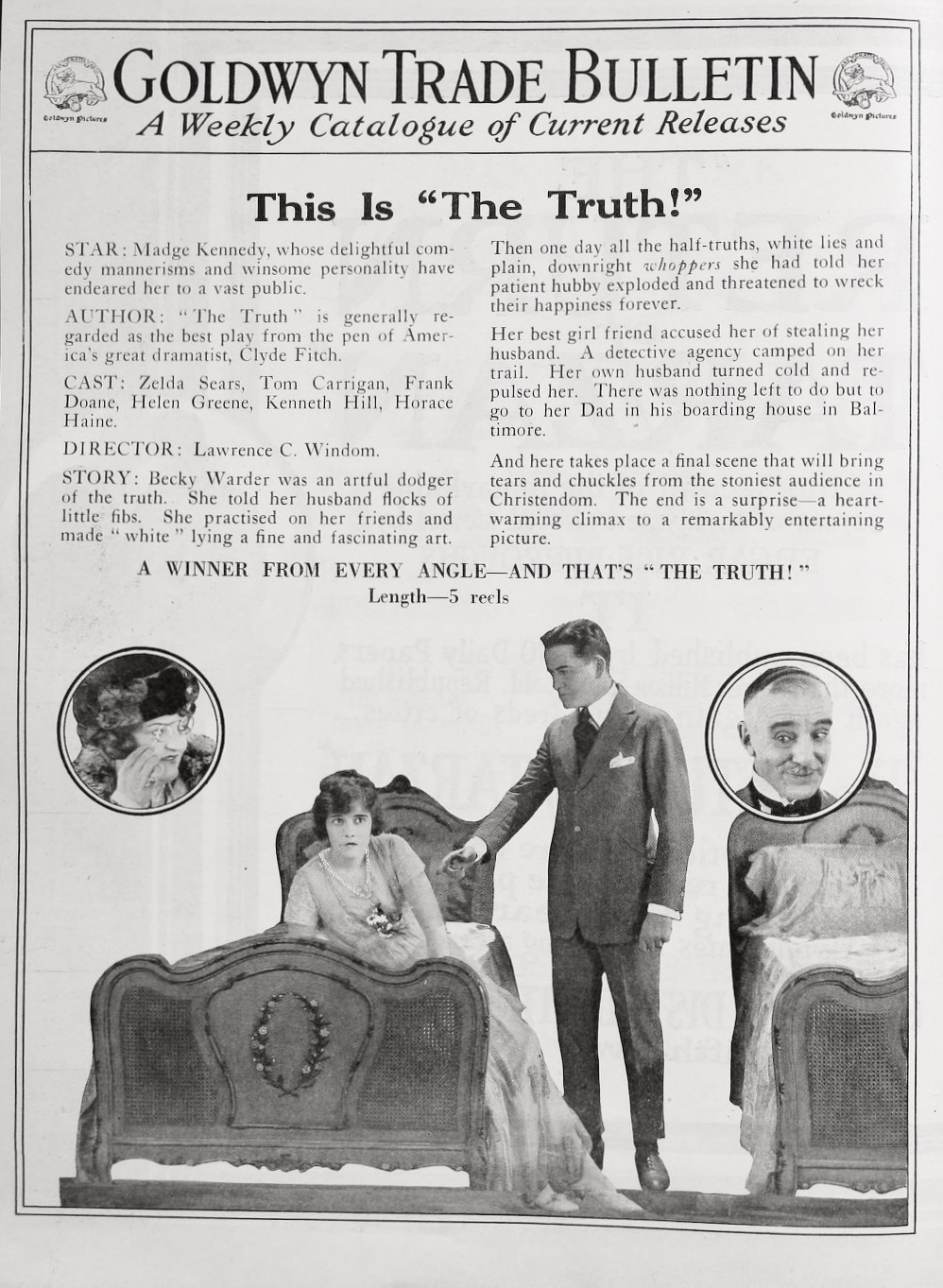
The Naked Allegory: Lois Weber and the Birth of the Forbidden
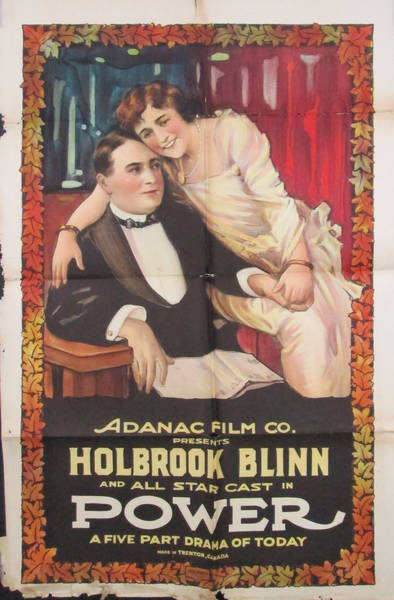
If there is a single moment where the 'cult' sensibility crystallized in the silent era, it is arguably found in Lois Weber’s Hypocrites (1915). Weber, a filmmaker of immense intellectual depth and technical sophistication, did something that would remain a hallmark of cult cinema for the next century: she used a radical visual metaphor to provoke a visceral reaction. The film presents parallel stories—one of a medieval monk, Gabriel the Ascetic, and another of a modern preacher. Gabriel is murdered by a mob for carving a statue that represents 'Truth.' The scandal? The statue is a nude woman.
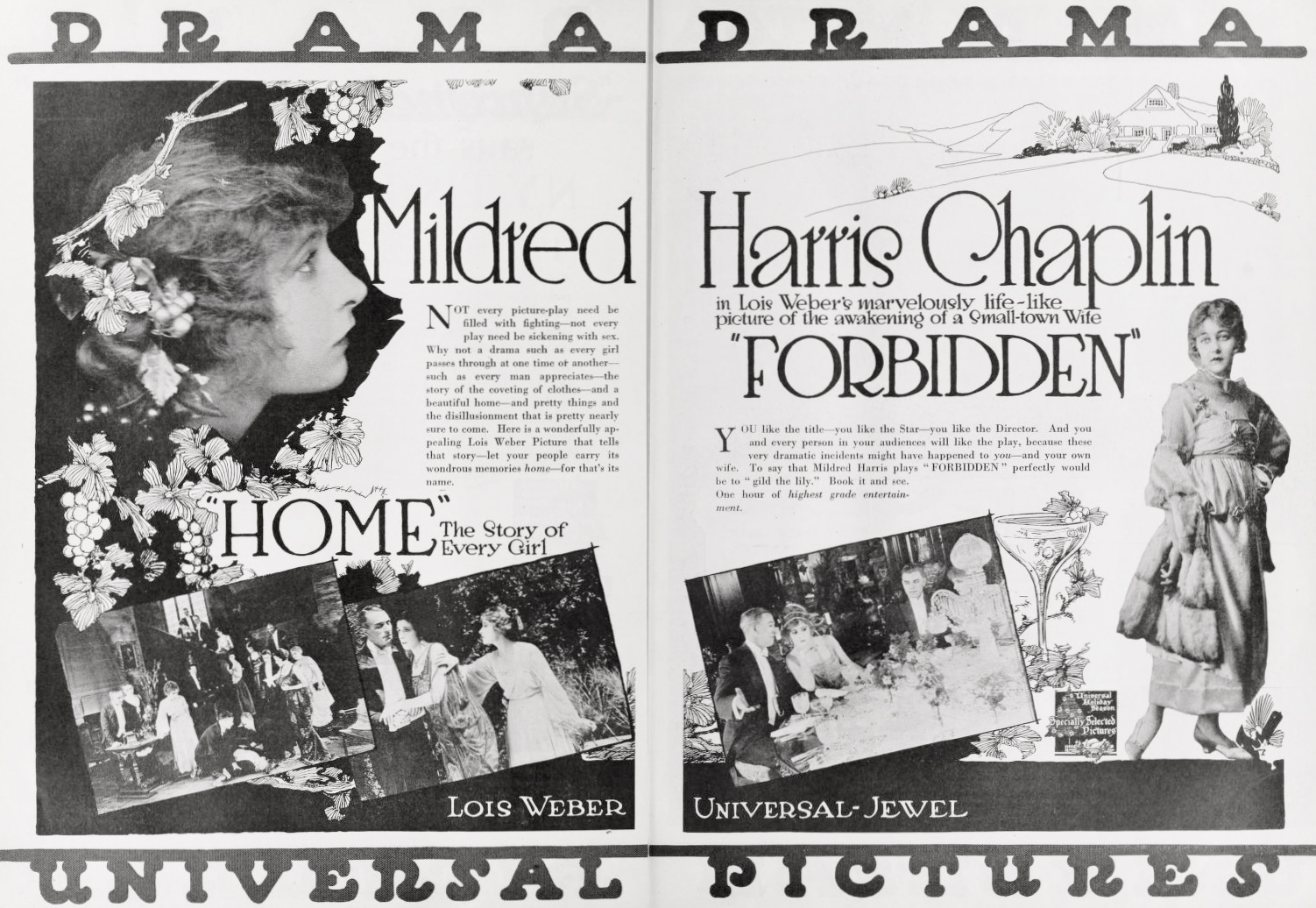
This wasn't just nudity for the sake of titillation; it was a ghostly, double-exposed figure that haunted the frame, representing a reality that society was too cowardly to face. The reaction was predictably explosive. Riots, bans, and heated debates followed its release. But for the audience members who sat in the dark and felt the weight of Weber’s critique, the experience was transformative. They weren't just watching a movie; they were participating in a secret ritual of revelation. This is the fundamental 'cult' experience: the feeling that you are seeing something the rest of the world wants to bury. Hypocrites didn't just depict a mob; it challenged the mob in the theater, creating a divide between the 'enlightened' viewer and the 'ignorant' masses.
The Vice Wave: Exploitation in the Guise of Education
As the 1910s progressed, a new subgenre emerged that would provide the structural DNA for the exploitation films of the 1960s. These were the 'vice' films—cautionary tales that claimed to expose the rot of the city while simultaneously indulging in its most lurid details. Films like The Finger of Justice (1918) were marketed as crusades against political corruption and the 'social evil' of the underworld. They depicted the rampant sin of the city with a level of detail that would have been impossible in a standard drama.
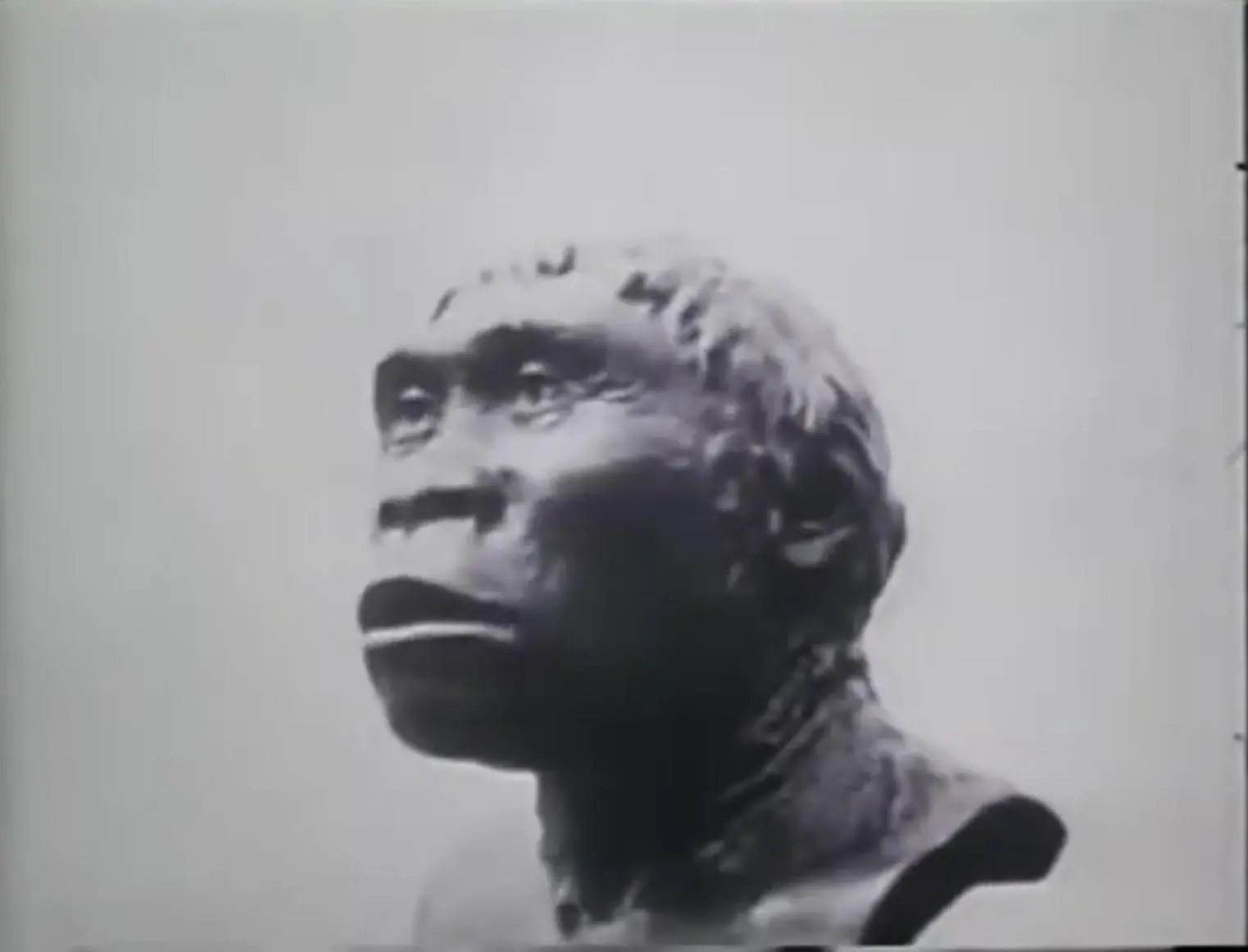
This duality—the moralistic framing used as a shield for transgressive content—is the cornerstone of what we now recognize as cult cinema. The viewer of The Finger of Justice was invited to look at the 'forbidden' under the pretext of being a concerned citizen. It created a voyeuristic thrill that was both socially acceptable and privately exhilarating. We see this same mechanism at work in later cult classics like *Reefer Madness* or the 'mondo' documentaries. The silent era taught the audience how to enjoy the spectacle of ruin while pretending to learn a lesson. It was a sophisticated game of cat-and-mouse between the filmmaker, the censor, and the spectator.
The Architecture of Ruin and the Pitfall of Choice
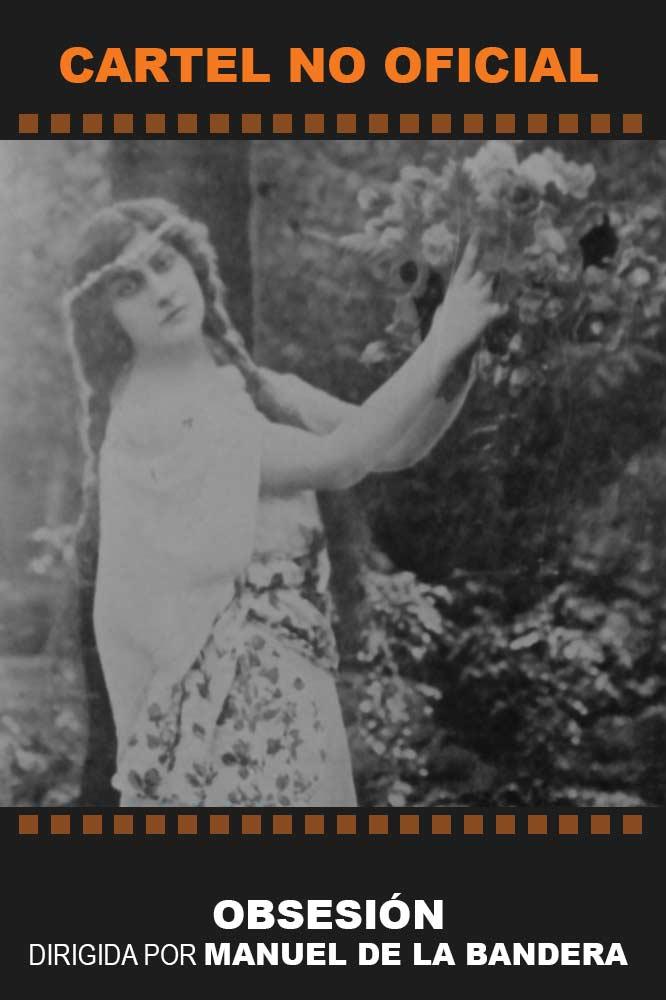
In films like The Pitfall, the narrative often focused on the irreversible descent into 'ruin.' A woman marries a man to save her father from financial disaster, only to find herself trapped in a life of misery. These films explored the psychological toll of social structures, a theme that resonates deeply with the cult cinema tradition of the 'outsider' or the 'misfit.' The protagonists of these silent dramas were often victims of a system they couldn't control, their lives becoming a slow-motion car crash for the audience’s fascination. This aesthetic of despair, of the 'beautiful loser,' is a recurring motif in the cult canon, from the noir-drenched streets of the 1940s to the punk nihilism of the 1980s.
The Decadent Elite and the Cult of Excess
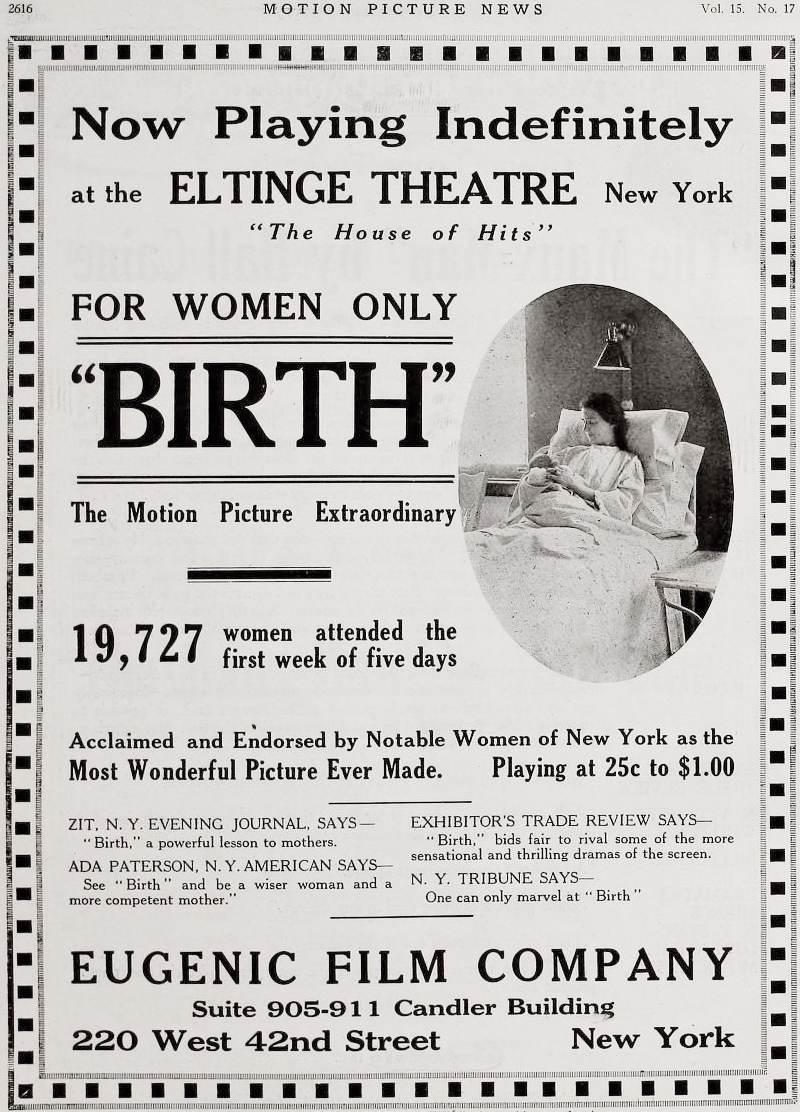
If the vice films focused on the lower depths, another strand of silent cinema looked upward at the rotting opulence of the aristocracy. The 1920s brought a wave of films that explored the 'cult of excess.' Extravagance (1921) and the torrid Three Weeks (1924) offered a glimpse into a world of sable coats, Swiss retreats, and illicit romances that flouted every convention of the time. These films weren't just stories; they were lifestyle fantasies that bordered on the fetishistic.
"The cult film is not merely watched; it is inhabited. It offers a world so distinct, so heightened, that the viewer becomes a citizen of its strange geography."
The obsession with high-class decadence in films like Extravagance—where a simple purchase of a fur coat leads to a spiral of moral decay—prefigures the camp and glam aesthetics that would later define cult figures like John Waters or Kenneth Anger. There is a specific kind of devotion that arises from watching the beautiful and the damned destroy themselves on screen. The silent era’s fascination with the 'fallen' aristocrat or the 'dangerous' socialite created a template for the cult of the personality, where the star's off-screen scandals were as much a part of the text as the film itself.
Primordial Ferocity: The Body as a Cult Object
Cult cinema is often defined by its physicality—the grit, the sweat, the raw power of the human form pushed to its limits. We see this early on in Samson (1915), where Maurice Brachard, a dock laborer, rises to become a 'Samson of finance.' The film emphasizes his 'primordial ferocity,' a quality that felt dangerous and untamed in the context of the early 20th century. This wasn't the refined heroism of a Victorian novel; it was something older, more guttural.
This focus on the 'primitive' or the 'atavistic' is a key element of the cult mindset. Whether it's the muscle-bound heroes of 80s action cinema or the body horror of David Cronenberg, cult audiences have always been drawn to the spectacle of the body in extremis. The silent era used these physical archetypes to explore the tension between civilization and the raw animal instinct. When we watch the dock laborer in Samson tear down the structures of power, we are witnessing the birth of the 'anti-hero'—the figure who doesn't play by the rules and who commands a fanatical following because of their refusal to be tamed.
The Ritual of the Misfit: From Gish to Keaton
Even within the more mainstream genres of the silent era, we find the roots of cult devotion. The work of Dorothy Gish in Children of the Feud or Buster Keaton’s surrealist masterpieces like Sherlock Jr. offered a different kind of cult appeal: the cult of the 'misfit.' Keaton, in particular, with his stone-faced resilience in the face of a chaotic, often hostile universe, became a patron saint for the alienated viewer. His films weren't just comedies; they were existential puzzles that invited multiple viewings to decode. The meticulousness of his stunts and the dream-logic of his narratives (like stepping into a movie screen in Sherlock Jr.) are the very things that drive modern cult fandom—the need to analyze every frame and worship the technical audacity of the creator.
The Nitrate Legacy: Why We Still Worship the Silent Shadows
The films mentioned here—from the allegorical nakedness of Hypocrites to the urban rot of The Finger of Justice—are more than just historical curiosities. They are the primary source code for everything we love about cult cinema. They taught us that the screen can be a mirror for our darkest impulses, a window into forbidden worlds, and a platform for radical truth-telling. The silent era didn't have the benefit of sound, but it had the power of the primal image, and those images were often more transgressive than anything that followed the implementation of the Hays Code.
When we watch a modern cult film, we are participating in a tradition of spectatorship that began over a century ago. We are looking for that same feeling of discovery, that same 'unveiling' of a hidden reality. The silent era’s obsession with vice and virtue wasn't just about morality; it was about the thrill of the forbidden. It was about the audience that wanted to see what happened when the bonds were loosed and the mask of society was stripped away. As we continue to dig through the archives of film history, we find that the 'midnight' mindset was always there, waiting in the shadows of the nitrate era, ready to be rediscovered by a new generation of devotees.
The 'cult' is not a genre; it is a relationship. It is the bond between a film that dares to be different and an audience that demands to see the world as it truly is—naked, dangerous, and utterly mesmerizing. From the first flicker of a silent reel to the latest underground discovery, that bond remains unbroken. We are still the same mob, still gathered in the dark, still waiting for the Truth to be unveiled.
Community
Comments
Log in to comment.
Loading comments…