
DbcultAccessing Vault...
Film History
Archivist John
Senior Editor

In the flickering shadows of the early 20th century, cinema was often seen as both a marvel and a moral menace. As the medium gained popularity, so too did the anxieties surrounding its influence, particularly on impressionable minds. This era gave birth to a peculiar subgenre: the 'social problem film,' designed not for entertainment alone, but as a didactic tool, a cinematic sermon meant to warn against the perils of modern life – from drug addiction and white slavery to jazz-induced delinquency and venereal disease. Yet, in their fervent attempts to preach, these films often committed the ultimate cinematic sin: they made the forbidden irresistible. This, I contend, is where the true, dark heart of cult cinema first began to beat, not in the artistic rebellion of the avant-garde, but in the accidental voyeurism of the moral crusader.
The silent era's social problem films emerged from a deeply puritanical and reformist impulse. Progressive Era reformers, temperance leagues, and public health advocates saw the burgeoning film industry as a powerful, if dangerous, vehicle for societal improvement. They believed that by graphically depicting the consequences of vice, they could scare audiences straight. What they failed to grasp, however, was the inherent magnetism of the forbidden. The very act of 'exposing' a social ill required its depiction, often in a manner far more sensational than any dry lecture could achieve.
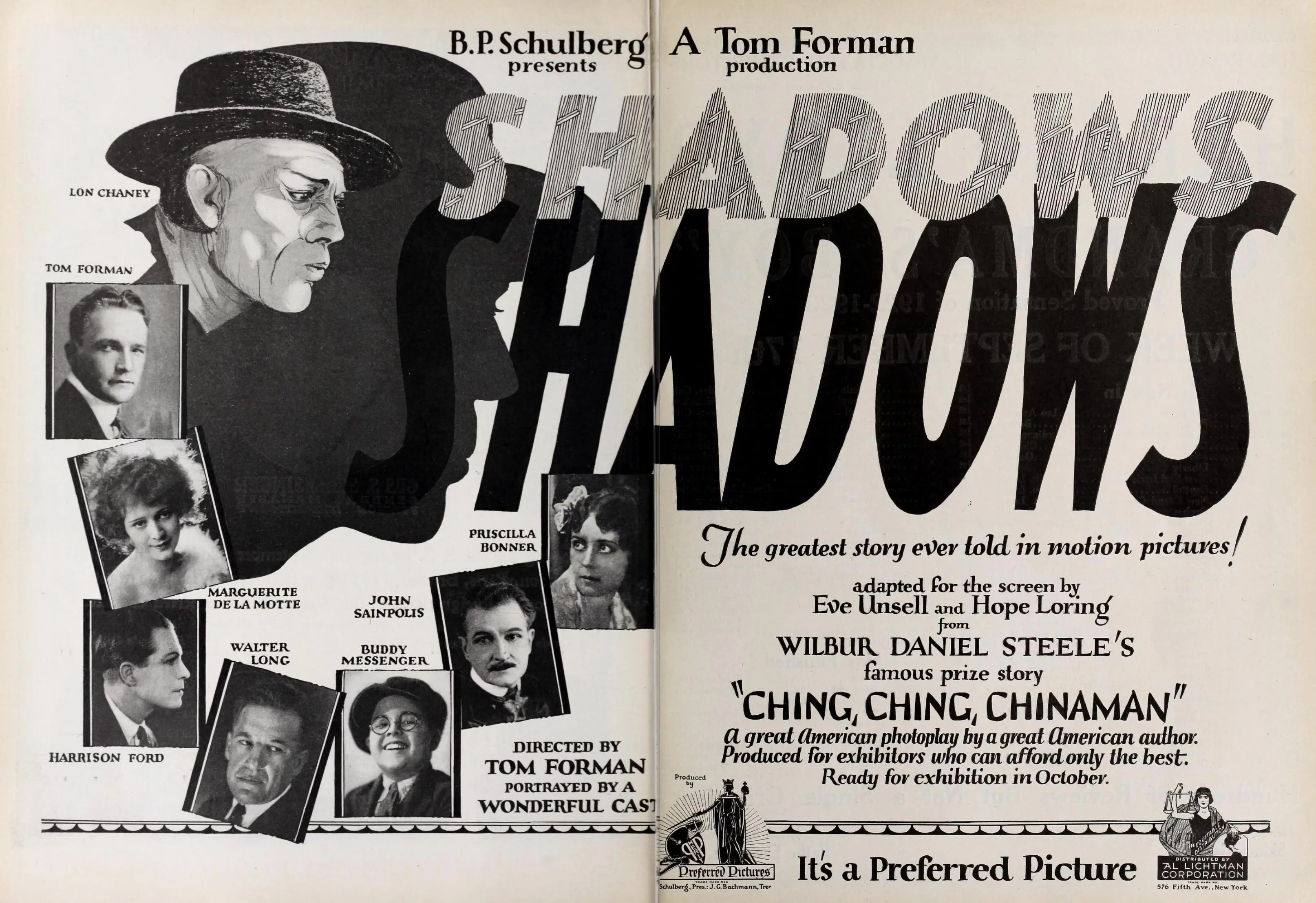
Consider the notorious Traffic in Souls (1913), a film that boldly tackled the terrifying concept of 'white slavery.' Its intent was clear: to shock parents into protecting their daughters and to ignite public outrage against organized prostitution. Yet, its scenes of young women being lured into brothels, drugged, and exploited were, for many viewers, their first cinematic glimpse into such a dark underworld. The film’s dramatic tension wasn't solely in the rescue, but in the lurid details of the trap. The audience, ostensibly there to be educated and appalled, was also undeniably captivated by the spectacle of transgression. It’s a classic example of the medium’s initial struggle with its own power; the more effectively you show the 'evil,' the more compelling it becomes as a visual narrative, irrespective of the moralizing voiceover.
It's a bitter irony that many of these 'educational' films were, in essence, the progenitors of exploitation cinema. They promised enlightenment but delivered sensation. Films like Where Are My Children? (1916), co-directed by Lois Weber and Phillips Smalley, bravely (and controversially for its time) delved into topics like abortion, birth control, and eugenics. While advocating for responsible parenthood and condemning reckless lifestyles, it presented these taboo subjects with a frankness that drew massive crowds. The allure wasn't just the moral lesson; it was the chance to witness discussions and depictions of topics strictly off-limits in polite society.

I firmly believe that the most potent form of censorship isn't external but internal: when filmmakers, in their earnest desire to do good, inadvertently create a blueprint for the very 'bad' they seek to eradicate. These films were the original cinematic bait-and-switch.
Another quintessential example is The End of the Road (1919), a public health film explicitly addressing venereal disease. Funded by the American Social Hygiene Association, it featured graphic (for the era) illustrations of syphilis and gonorrhea, alongside a narrative about a young woman's descent into promiscuity and illness. While intending to terrify viewers into abstinence and caution, the film's explicit nature, its frank discussion of topics rarely mentioned aloud, made it a whispered-about sensation. Audiences flocked to these screenings not solely for the medical advice, but for the thrill of seeing the unseeable, hearing the unhearable. The shock value was the true currency, whether the reformers admitted it or not.
The repetitive viewing, the hushed discussions, the sheer 'forbidden fruit' aspect of these films cultivated a proto-cult following decades before the term 'midnight movie' was coined. These weren't films lauded for their artistic merit in the way a D.W. Griffith epic might be; they were revered (or reviled) for their content. They offered a glimpse behind the curtain of polite society, a voyeuristic peek into the dark alleys and hidden sins that the mainstream media often ignored or sanitized.
Take Does the Jazz Lead to Destruction? (1920s, exact date debated), a title that perfectly encapsulates the era's moral panic. While the film itself is largely lost, its very existence and title speak volumes. It was designed to warn against the 'degenerate' influence of jazz music and the associated 'flapper' lifestyle – dancing, drinking, premarital sex. By framing these activities as a path to ruin, the film inadvertently advertised them, showcasing the very behaviors it condemned. For many young people, seeing these 'destructive' acts on screen, even with a moralistic overlay, was an initiation into a world they were told to fear but secretly yearned to understand. This is the very essence of cult appeal: the allure of the transgressive, the desire to experience the forbidden, however vicariously.
Even films with less overtly sexual themes, but equally stark moralizing, found this accidental cult status. Ten Nights in a Barroom (various silent versions, notably 1921), based on the popular temperance novel, brutally depicted the ravages of alcoholism on a family, culminating in the tragic death of little Mary. While its message was clear, the raw melodrama and emotional manipulation were sensational. Audiences were drawn to the spectacle of human suffering and moral decay, a visceral experience that transcended mere cautionary advice. It was a shared experience of shock and moral outrage, the foundational elements of a cult following.
These early social problem films, with their often heavy-handed narratives, inadvertently sketched out the archetypes that would populate cult cinema for decades to come: the innocent corrupted, the insidious villain, the morally ambiguous world where good struggles against overwhelming evil. They proved that audiences had an insatiable appetite for the darker corners of the human experience, even when presented with a veneer of moral instruction.
Consider the Mexican silent film El puño de hierro (The Iron Fist, 1927). This action-drama delves into the horrifying world of drug addiction, depicting an evil doctor who manipulates a young man into drug dependency while preying on his girlfriend. The film's stark portrayal of drug use, manipulation, and sexual threat, even within a narrative framework meant to condemn, offered a potent, visceral experience. It tapped into societal fears about vice and corruption, presenting them in a way that was both shocking and deeply engaging. This isn't just a warning; it's a descent into a nightmare, and audiences, then as now, are drawn to the abyss.
Similarly, The Fear Market (1920) exposed the seedy world of blackmail, with the startling twist of a father being the ringleader. Such a narrative, dissecting social anxieties and moral decay, was presented as a 'problem' to be solved, but its dramatic weight lay in the exploration of the transgression itself. The film invited viewers to peer into the rot beneath the surface of society, an invitation that few, despite their moral compass, could refuse. This voyeurism, packaged as social critique, became a powerful, albeit accidental, engine for cult fascination.
The reformers, in their rigid adherence to 'truth,' inadvertently created the first great cinematic lies: that depicting vice could somehow sanitize it. Instead, they immortalized it.
The clumsy sincerity of these early 'social problem' films, far from being a flaw, is precisely what makes them ripe for ironic cult appreciation today. They are earnest failures that reveal more about their era's anxieties and hypocrisies than any slick, self-aware production ever could. The 'fallen woman' archetype, for instance, became a staple, seen in countless films from The Road to Divorce (1920) where a mother's devotion to children is seen as a marital problem, to Flapper Wives (1926), which, despite its title, explores the dangers of a 'broad-minded' rector and a divorcée's perceived carelessness. These characters, often doomed by their choices or societal judgment, became tragic figures that audiences rooted for or against with intense passion, blurring the lines between moral judgment and emotional investment.
Even prohibition-era films like The Bootleggers (1922) exemplify this paradox. While ostensibly a warning against the dangers of illegal alcohol, the film features a gang leader preying on shop girls, luring them into a dangerous underworld. The narrative presents a clear moral lesson, but its power lies in the exploration of the illicit, the dangerous, and the morally compromised. It's a dive into an underworld with clear villains and victims, offering a thrill alongside the tsk-tsk of moral condemnation. This dynamic, where the didactic intent provides cover for the exploration of the sensational, is a foundational pattern in cult cinema.
The legacy of the silent era's social problem films is an uncomfortable one. They were born of good intentions, yet their method of delivery—the raw, often melodramatic depiction of societal ills—unwittingly created a cinematic language of transgression. They taught audiences to look, to stare, and to be fascinated by what was considered morally depraved, even as they were told to recoil. This accidental invitation to voyeurism, wrapped in a blanket of moral righteousness, forged a crucial pathway for cult cinema. The desire to see the forbidden, to explore the boundaries of taste and decency, was not invented by the midnight movie circuit of the 70s; it was meticulously, if unknowingly, cultivated in the darkened halls of early cinema, under the guise of saving souls. And for that, we, the devoted acolytes of cult cinema, owe these earnest, misguided sermons an ironic debt of gratitude.