
Deep Dive
The Invisible Altar: How Early Cinema’s Misfit Masterpieces Defined the Cult Aesthetic
“Explore how the silent era's most daring and forgotten films established the transgressive themes and obsessive fandoms that define modern cult cinema.”
When we discuss the roots of cult cinema, the mind often drifts to the midnight movie craze of the 1970s, the neon-soaked transgressions of the 80s, or the indie revolution of the 90s. We think of The Rocky Horror Picture Show or Eraserhead. However, as an expert film journalist, I contend that the true genetic sequence of the cinematic outlier was mapped much earlier. Long before the term 'cult film' was coined, the silent era was already producing works of such profound eccentricity, narrative deviance, and visual audacity that they demanded a specific, devoted kind of worship. These were the films that lived in the shadows of the mainstream, speaking to the disenfranchised, the obsessive, and the dreamers.
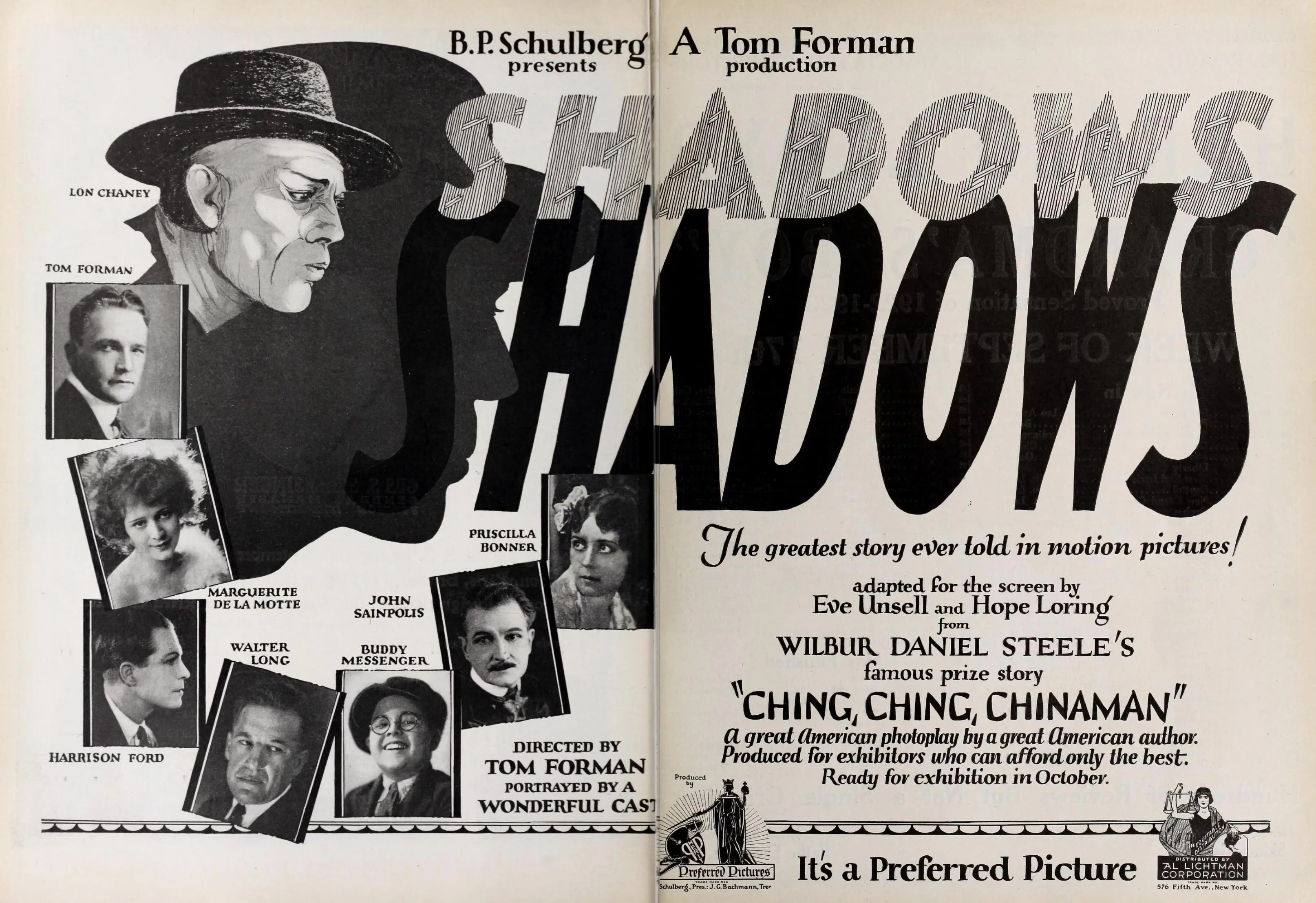
The Anarchist’s Pulse: Lon Chaney and the Secret Societies of 1921
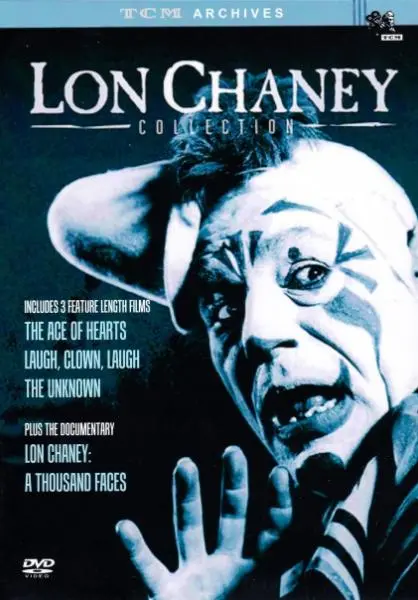
One cannot speak of cult devotion without addressing the magnetic power of the secret society. In The Ace of Hearts (1921), we see a primal example of the cult narrative. This isn't just a crime drama; it is an exploration of collective obsession and the high stakes of fringe belonging. Lon Chaney, the 'Man of a Thousand Faces,' brings a level of intensity to this secret anarchist group that mirrors the very devotion of the fans who would later rediscover his work. The film’s focus on revenge and the internal mechanics of a radical cell provides a blueprint for the 'us versus them' mentality that defines cult fandom. It asks the viewer to step into a hidden world, a recurring theme in films that find their tribe through shared secrets.
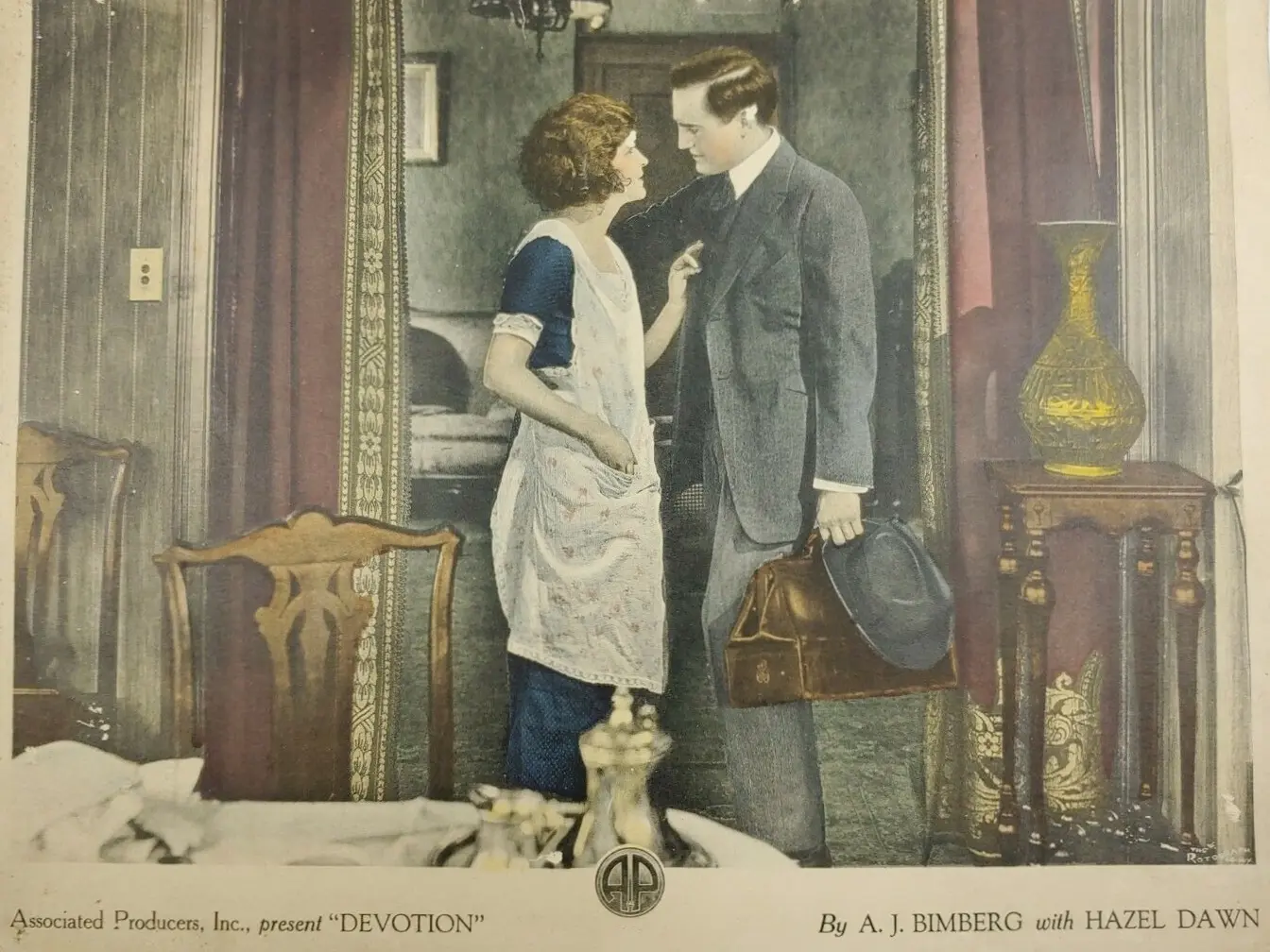
The Transgressive Melodrama: Shattering the Puritanical Lens
Cult cinema often thrives on the subversion of social norms. Consider Hail the Woman (1921), where Oliver Beresford, a stern and uncompromisingly rigid father, bans his daughter Judith from his home based on shameful stories. This narrative of the 'moral outcast' is a cornerstone of cult storytelling. It resonates with audiences who feel alienated by traditional authority. Similarly, The Silent Witness (1917) deals with the heavy themes of children born out of wedlock and presumed deaths—narrative risks that pushed the boundaries of what was acceptable in the early 20th century. These films weren't just stories; they were challenges to the status quo, much like the transgressive cinema of John Waters or Todd Solondz decades later.
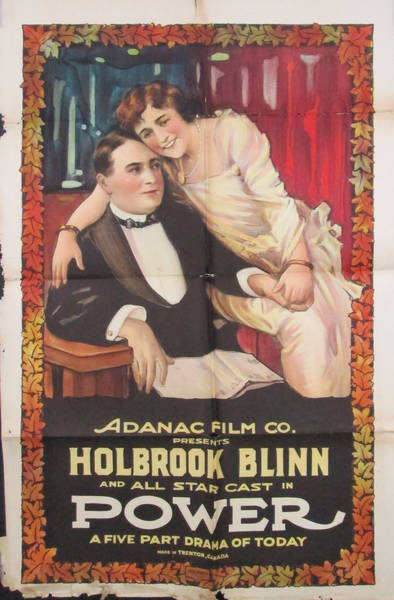
Atmospheric Anarchy: International Visions and the Gothic Fringe
The cult aesthetic is often defined by its atmosphere—a mood so thick it becomes a character itself. Sir Arne's Treasure (1919), directed by the legendary Mauritz Stiller, is a masterclass in this. Set in 16th-century Sweden, it follows three Scottish mercenaries whose crime forever alters a coastal town. The imagery of the mercenaries trapped in the ice is as haunting as any modern psychological thriller. This film, along with the Hungarian silent version of The Merry Widow (1917), demonstrates that the cult impulse was a global phenomenon. Whether it was the mistaken identity in a Franz Lehar operetta or the grim fate of a vicar’s family, these international works offered a visual language that transcended borders and spoke to a niche, artistically-minded audience.
We also see the roots of cult horror and the uncanny in The Star of Bethlehem (1921). Lotte Reiniger’s silhouette animation style is the epitome of the 'cult of the craft.' Her intricate, shadow-play aesthetic creates a world that feels both ancient and avant-garde. It is a reminder that cult cinema is often defined by its unique visual signature—a way of seeing the world that cannot be replicated by the mainstream machine.
The Obsession with the Image: Mania and Marketing
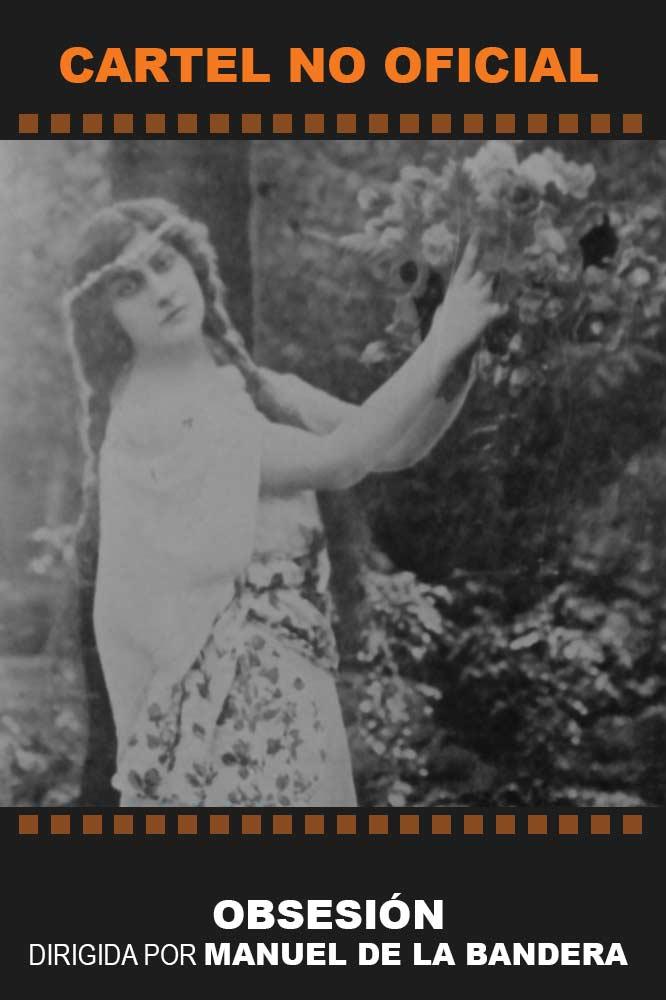
In Mania. Die Geschichte einer Zigarettenarbeiterin (1918), the plot itself mirrors the cult obsession with the 'icon.' A beautiful factory worker becomes the face of a marketing campaign, attracting the attention of both a young composer and a rich patron. This meta-narrative about the power of the image and the dangers of obsession is a precursor to the way cult icons are manufactured and worshipped today. The film understands that to be a 'cult' figure is to be both a face and a symbol, a vessel for the audience’s desires and projections.
The Outlaw and the Vigilante: Genre Mutations
Cult cinema has always loved the 'Rough Shell, Golden Heart' archetype. Look at Bull Arizona (1919), where a bank-specialized outlaw becomes a hero, or Drag Harlan (1920), featuring William Farnum as a tough cowboy vigilante. These characters operate outside the law, much like the films themselves operate outside the standard industry expectations. In Drag Harlan, the quest for a gold mine and the protection of a dying man's daughter creates a narrative of rugged individualism that has been a staple of cult Westerns and action films for a century. The vigilante is the ultimate cult hero because they represent the individual's power against a corrupt or indifferent system.
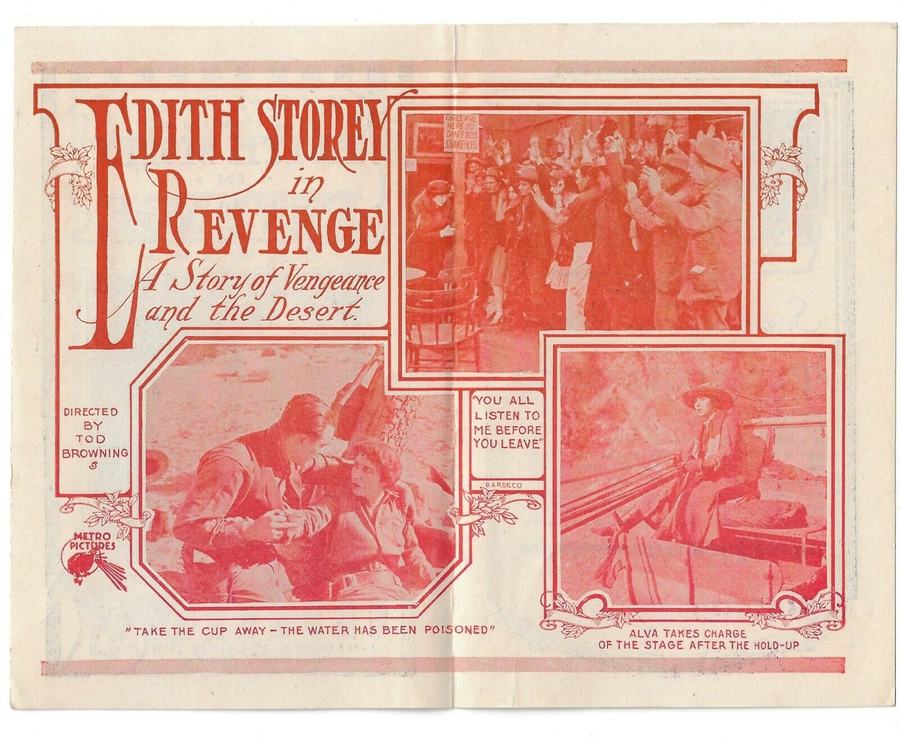
Even the more traditional genre pieces of the era had 'cult' DNA embedded in their execution. The Man Hunter (1919) takes the revenge trope across two continents, fueled by a betrayal from a former friend. This level of obsessive pursuit—the 'man on a mission'—is a narrative engine that drives countless cult classics. It is the intensity of the pursuit, rather than the goal itself, that captures the cult imagination.
The Fantastic and the Dream-State
Perhaps the most enduring branch of cult cinema is the one that touches the surreal and the fantastical. Forever (1921), with its story of an architect and his childhood sweetheart reuniting through a dream-like love, predates the ethereal romanticism of films like Portrait of Jennie or even Somewhere in Time. By blurring the lines between reality and the subconscious, these early films invited audiences into a shared hallucination—a key component of the 'midnight movie' experience. When a film like The Divine Sacrifice (1918) explores the complexities of unhappy marriages and secret identities in Europe, it uses melodrama to touch on psychological truths that feel almost operatic.
The Architecture of Tragedy: Orphans, Outcasts, and the Blind
D.W. Griffith’s The Two Orphans (1921) provides another layer to the cult foundation: the spectacle of suffering and the triumph of the innocent. The story of Henriette and the blind Louise wandering the streets of Paris during the French Revolution is a masterclass in emotional manipulation—a trait often found in the 'tear-jerker' cult classics. The stark contrast between the libertine Marquis de Presles and the defenseless orphans creates a moral landscape that is easy to navigate but impossible to forget. Similarly, Oliver Twist (1916) brought the gritty reality of London’s criminal underbelly to the screen, showing a household of boys trained to steal. This focus on the 'underclass' and the survival of the marginalized is a recurring theme that draws in audiences who feel like orphans of the mainstream themselves.
The theme of sacrifice for love is also prevalent. In Eyes of the Soul (1919), a restaurant entertainer gives up her happiness to marry a blinded soldier who needs her. This kind of extreme altruism, often framed within a tragic or melodramatic context, creates a 'secular hagiography' in cult cinema, where characters are worshipped for their suffering and their devotion to an ideal.
The Rogue's Gallery: From Gamblers to Monks
The sheer variety of the early 'fringe' is staggering. V Lapah Zheltago Dyavola (1918), a criminal drama in four parts, introduces us to the 'Yellow Devil's Web' and a mysterious system of happiness called 'Iron Hand.' This kind of serialized, pulp-inflected storytelling is the direct ancestor of the cult TV show and the modern multi-part franchise. It thrives on mystery, revenge, and a touch of the esoteric. Meanwhile, Gambling Inside and Out (1919) and Count Your Change (1919) brought a more cynical, street-wise energy to the screen, focusing on the vices and small victories of the common man.
Even the short subjects of the era contributed to the cult canon. Day at the Park (1921), featuring Farmer Al Falfa in a rollerskating misadventure with a clothes-stealing monkey, represents the 'absurdist' branch of cult cinema. It is the kind of bizarre, bite-sized comedy that would eventually pave the way for the surrealist humor of Monty Python or Adult Swim. In the silent era, these shorts were the experimental lab where the rules of logic were first dismantled.
Conclusion: The Eternal Return of the Misfit
As we look back at films like The Great White Trail (1917)—with its harrowing story of a mother driven to madness after being wrongly cast out—or The Whirl of Life (1915), which blended autobiography with melodrama, we see a pattern. Cult cinema is not a genre; it is a relationship between a film and its audience. It is the process of finding beauty in the 'broken' or 'unconventional' frame. The 50 films from this era weren't just products of their time; they were the first sparks of a fire that still burns in the hearts of cinephiles today.
Whether it is the secret anarchist groups of The Ace of Hearts, the vigilante justice of Drag Harlan, or the silhouette dreams of The Star of Bethlehem, the silent era proved that the 'fringe' was always where the most interesting stories were told. These films defined the cult aesthetic by embracing the transgressive, the melodramatic, and the visually unique. They taught us that cinema could be a sanctuary for the misunderstood and a ritual for the devoted. As long as there are films that dare to be different, there will be an invisible altar where the disciples of the unconventional gather to worship the light on the screen.
In the end, the journey from In the Shadow (1915) to the modern cult classic is a straight line. It is a line drawn by the hands of mavericks like Stiller, Reiniger, and Chaney. It is a line that connects the 'Yellow Devil's Web' to the digital fringes of the 21st century. To understand cult cinema, one must look back at these silent rebels, for they were the ones who first taught us how to love the films that the rest of the world forgot.
Community
Comments
Log in to comment.
Loading comments…