
Cult Cinema, Deep Dive
The Maverick's Blueprint: Tracing Cult Cinema's Enduring Allure from Early Film's Depths
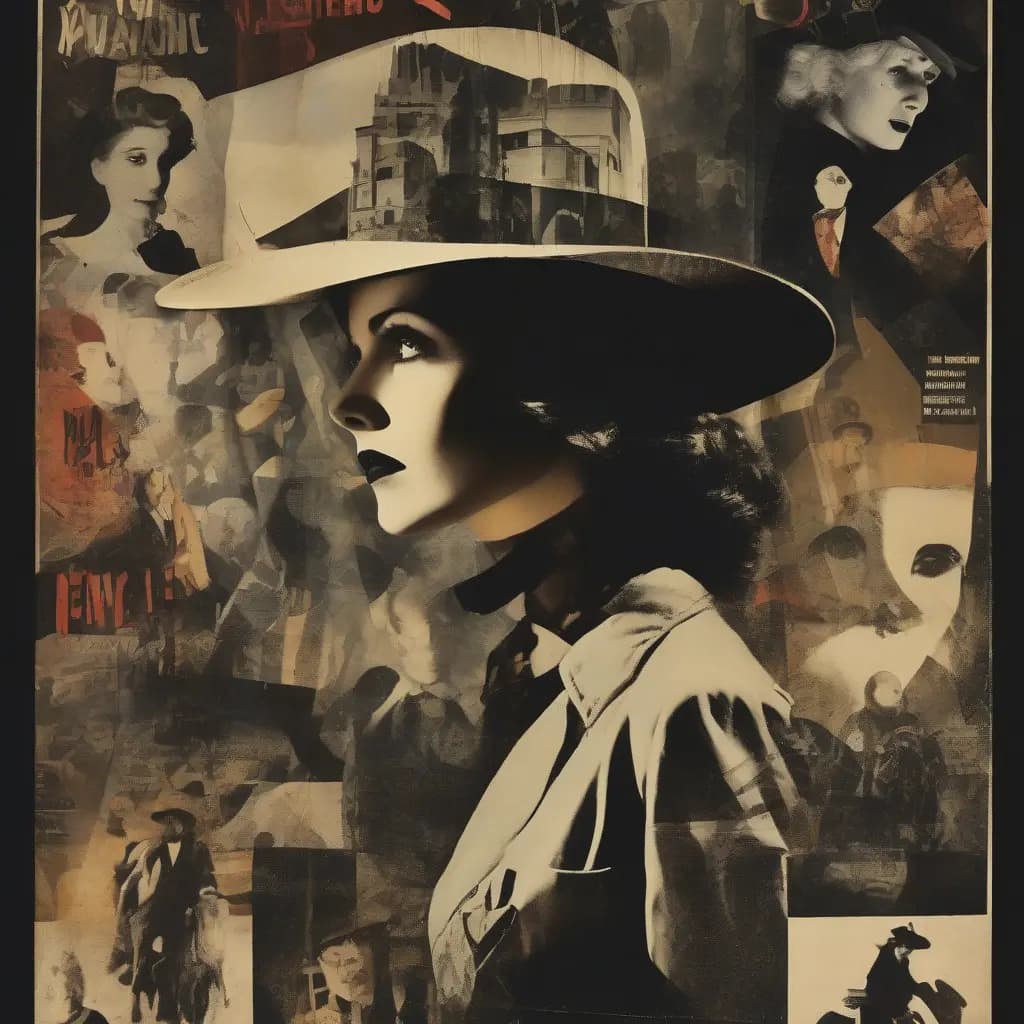
“Dive into the unconventional origins of cult cinema, exploring how early film's transgressive narratives and aesthetic innovations laid the groundwork for today's most beloved fringe masterpieces. This deep dive unearths the primal DNA of cinematic rebellion, revealing how overlooked visions ignite …”
In the vast, ever-expanding universe of cinema, certain films defy easy categorization. They eschew mainstream appeal, often baffle critics upon release, yet somehow burrow deep into the collective consciousness of devoted audiences, fostering fervent, almost religious followings. This is the realm of cult cinema, a fascinating landscape where the unconventional reigns supreme, and artistic freedom often triumphs over commercial viability. But what defines a cult film, and where did this intriguing phenomenon truly begin? To understand its enduring allure, we must venture beyond the midnight screenings and fan conventions of recent decades, peering into the flickering shadows of early film history, where the seeds of cinematic rebellion were first sown.
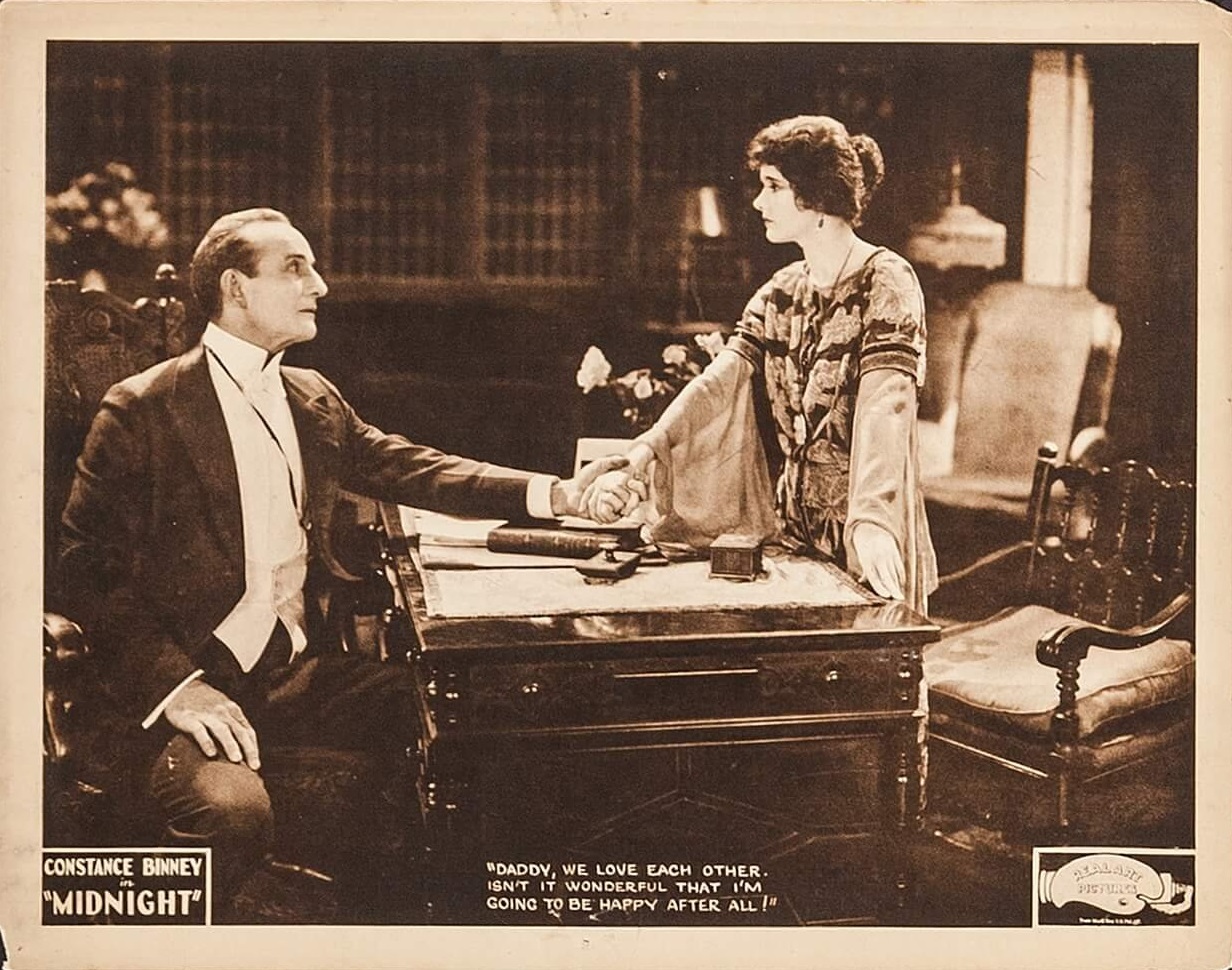
Cult cinema isn't merely about box office failure turned belated success; it's about a profound, often personal connection between a film and its audience. It's about films that speak to the marginalized, the misunderstood, or simply those seeking something profoundly different from the sanitized offerings of the mainstream. These are the fringe films that challenge norms, provoke thought, and often demand active participation from their viewers, transforming passive consumption into a communal ritual. From the bizarre to the beautiful, the morally ambiguous to the wildly experimental, cult films offer an alternative canon, a cinematic rebellion that continues to redefine taste and push artistic boundaries.
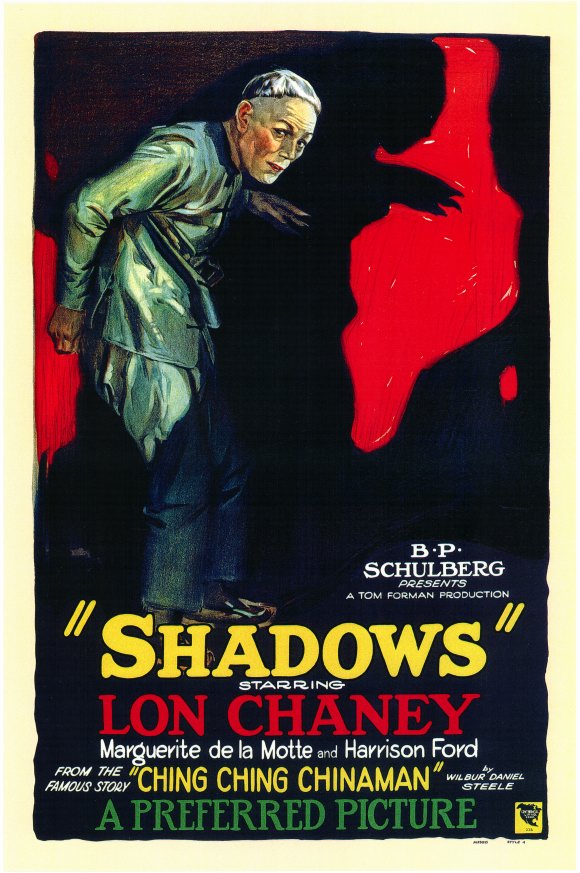
The Genesis of the Unconventional: Early Cinema's Maverick Spirit
While the term 'cult film' gained prominence in the latter half of the 20th century, the foundational elements – transgressive themes, unconventional narratives, and a distinct aesthetic – can be traced back to cinema's nascent years. The early decades of film, often perceived as a period of innocent storytelling, were in fact a fertile ground for experimentation, where filmmakers, unburdened by established conventions, often stumbled upon ideas that would later resonate with niche audiences. These overlooked masterpieces and forgotten gems, though not explicitly 'cult' in their time, contained the DNA of what would become a powerful cinematic force.
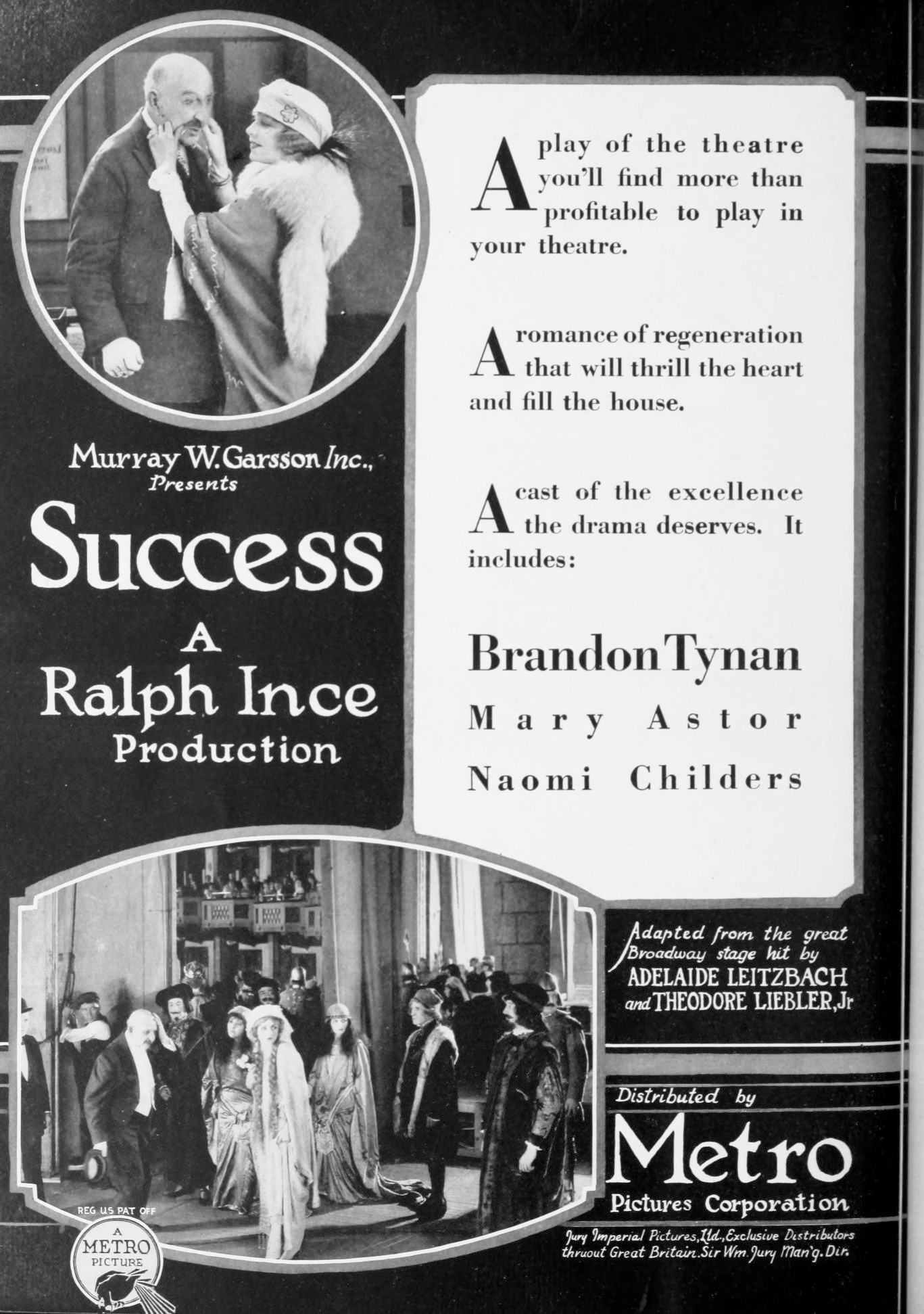
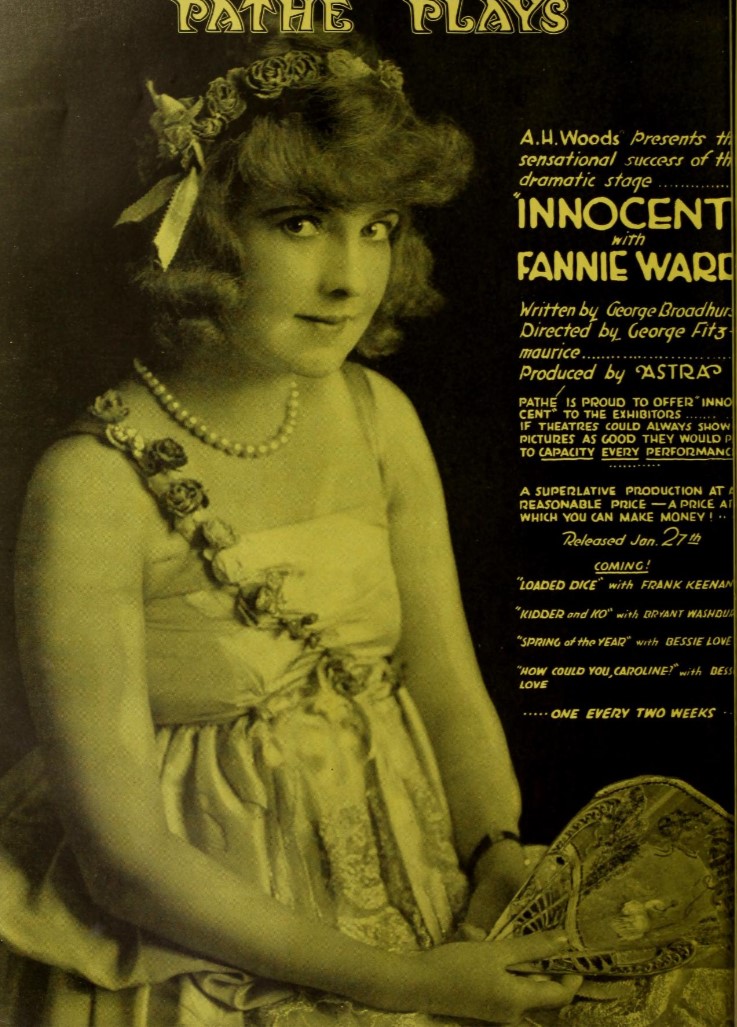
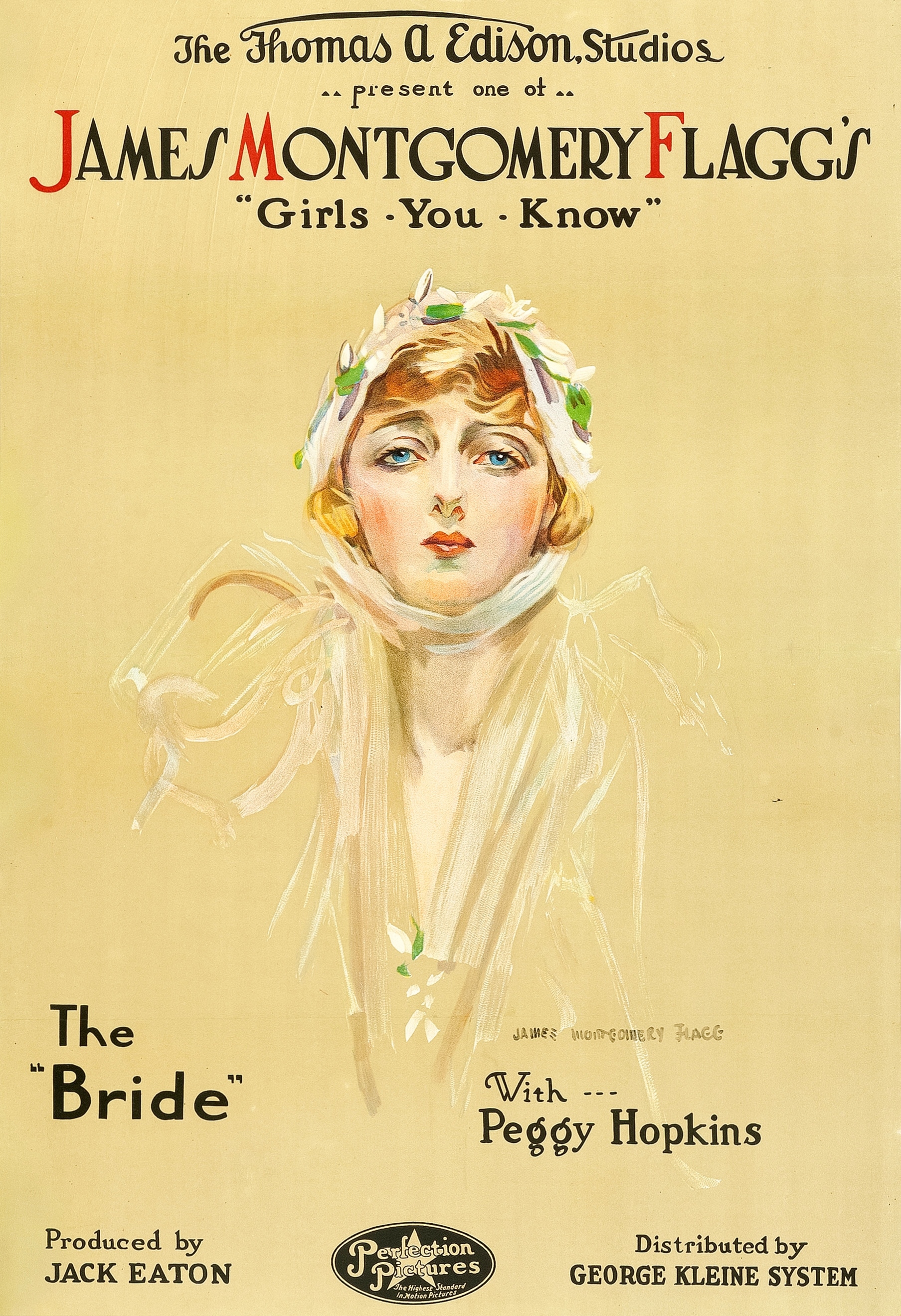
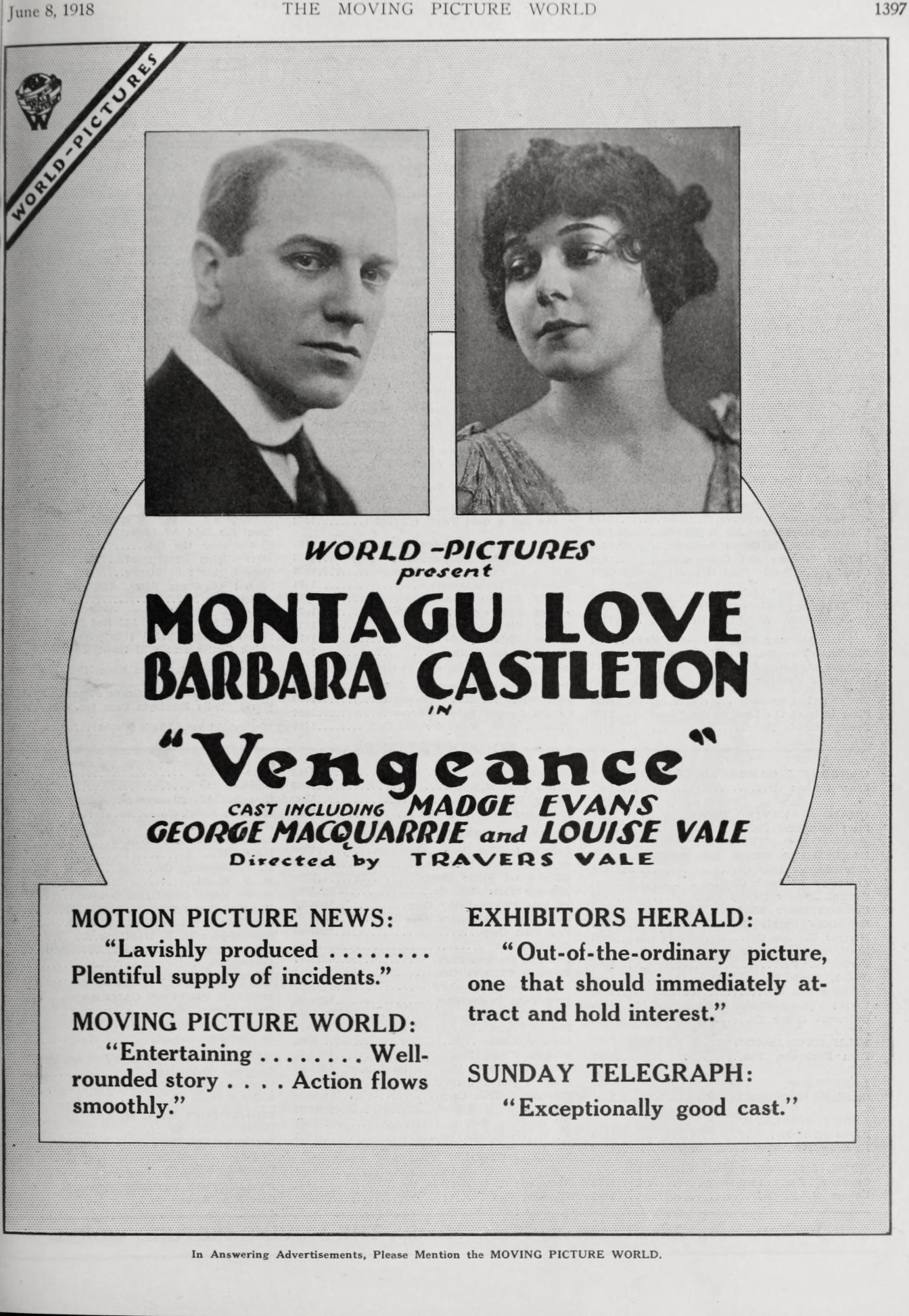
Consider the myriad of narratives from the silent era, which, even in their simplicity, often hinted at complex human conditions. Films like The Bride's Silence or The Straight Way, with their melodramatic plots of false accusations, lost memories, and moral quandaries, explored themes of injustice and individual struggle against overwhelming odds. These narratives, while perhaps designed for popular appeal, offered glimpses into the darker facets of human nature and societal pressures. Similarly, tales of vengeance and intrigue, such as those found in The Soul of Kura San, where a Japanese art dealer seeks retribution, or the intricate web of espionage in The Burden of Proof, delved into moral ambiguity and the consequences of obsession, themes that would become hallmarks of later midnight movies.
Crime, Mystery, and the Allure of the Forbidden
The silent era was not shy about exploring the darker side of life. Crime dramas and mysteries, often tinged with thrilling suspense, provided an early canvas for genre subversion. Films like The Man with the Limp, part of a serial involving the nefarious Dr. Fu-Manchu and his secret society, or The Ace of Hearts, which depicted a secret anarchist group taking revenge, showcased narratives that toyed with societal fears and anti-establishment sentiments. These were stories of hidden dangers, shadowy figures, and the breakdown of order – elements that continue to captivate devoted fandoms of cult cinema.
The thrill of the unknown, the unraveling of a complex plot, and the confrontation with the morally ambiguous were powerful draws. Even films with seemingly straightforward premises like Intrigue, involving a boy thrown into a train compartment and a grand duchy, presented audiences with a world of clandestine operations and high stakes. These early forays into complex plotting and transgressive cinema laid the groundwork for future films that would challenge audiences to question authority and conventional morality.
Outsiders, Eccentrics, and the Search for Identity
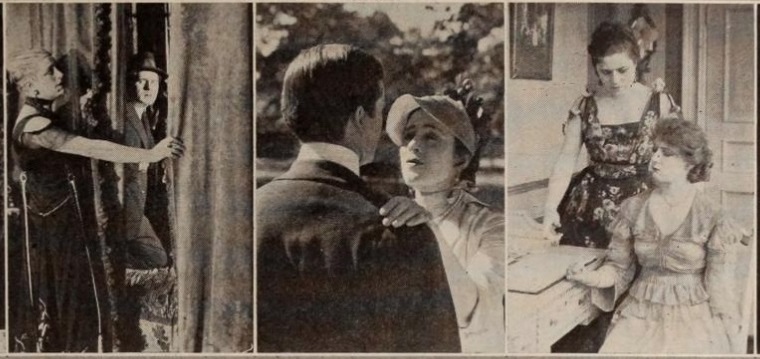
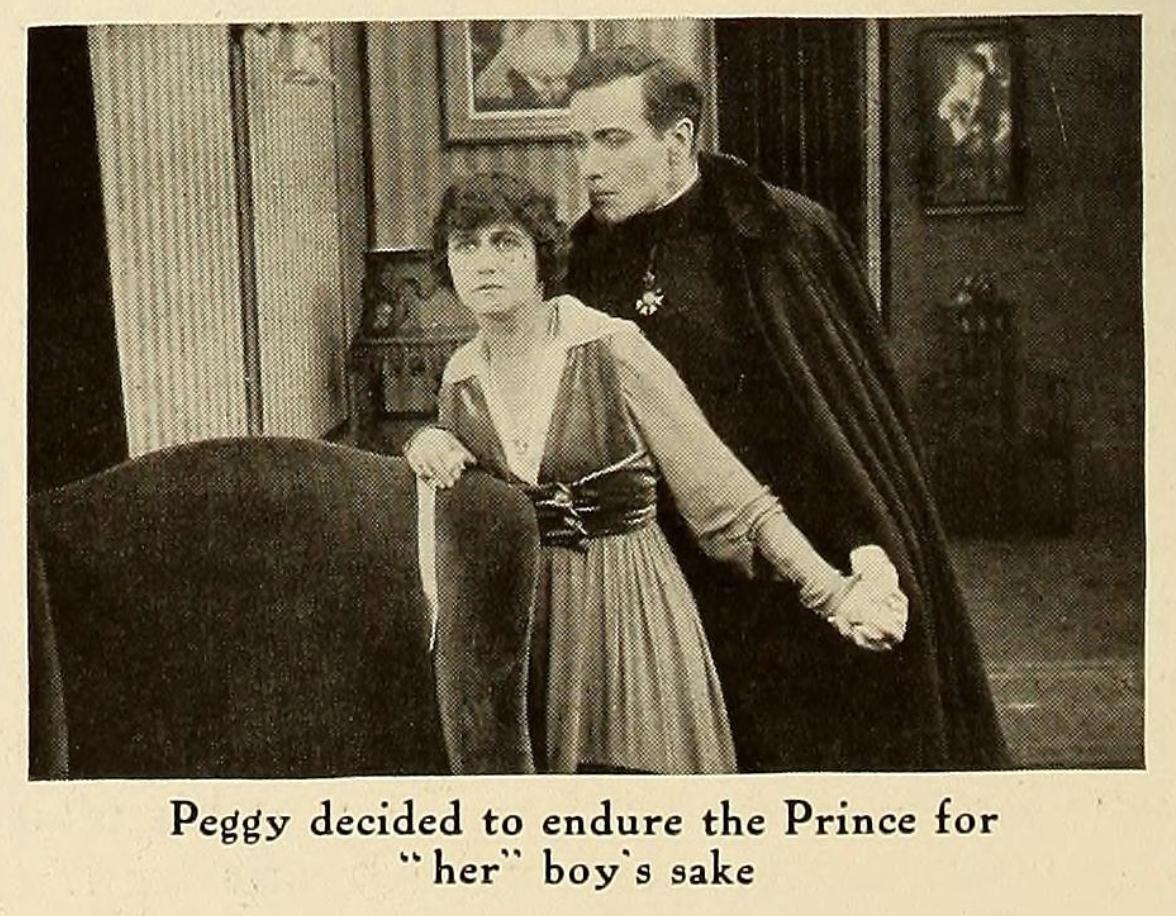
A recurring motif in cult cinema is the focus on the outsider, the misfit, or the individual at odds with society. This thematic thread is surprisingly prevalent even in early films. Consider The Lady of Red Butte, where a theology student's mind becomes unbalanced, leading him to believe he is 'God's savior' in a mining town. This portrayal of mental strain and a protagonist detached from reality resonates with the alienated figures often celebrated in cult classics. Similarly, films like A Soul Without Windows, depicting a girl adopted by Shakers after a tragedy, or Prunella, about a girl guarded from the world who encounters strolling players, explored themes of isolation, unconventional upbringing, and the yearning for a different life.
These narratives, whether intentional or not, offered audiences a mirror to their own feelings of otherness. The struggles of characters like the 'worthless' Sunny Wiggins in The Habit of Happiness, who ultimately finds his place, or the socialite Diana Gordon in As Men Love, entangled in forbidden love, touched upon universal desires for acceptance, identity, and personal freedom. This early exploration of complex character psychology and outsider art created a fertile ground for the later blossoming of cult films that would explicitly champion the marginalized.
Aesthetic Boldness and Narrative Anarchy: Pushing the Boundaries of the Frame
Beyond thematic content, the very form of early cinema often contained elements that would later be embraced by cult directors. The nascent art form was a playground for visual experimentation. From the simple, almost surreal animated advertisements like Das Wunder to the slapstick comedies such as His Blooming Bloomers or Rip & Stitch: Tailors, filmmakers were constantly inventing, often without a clear rulebook. This period of aesthetic innovation laid the foundation for films that would prioritize unique visual styles and unconventional storytelling over conventional polished narratives.
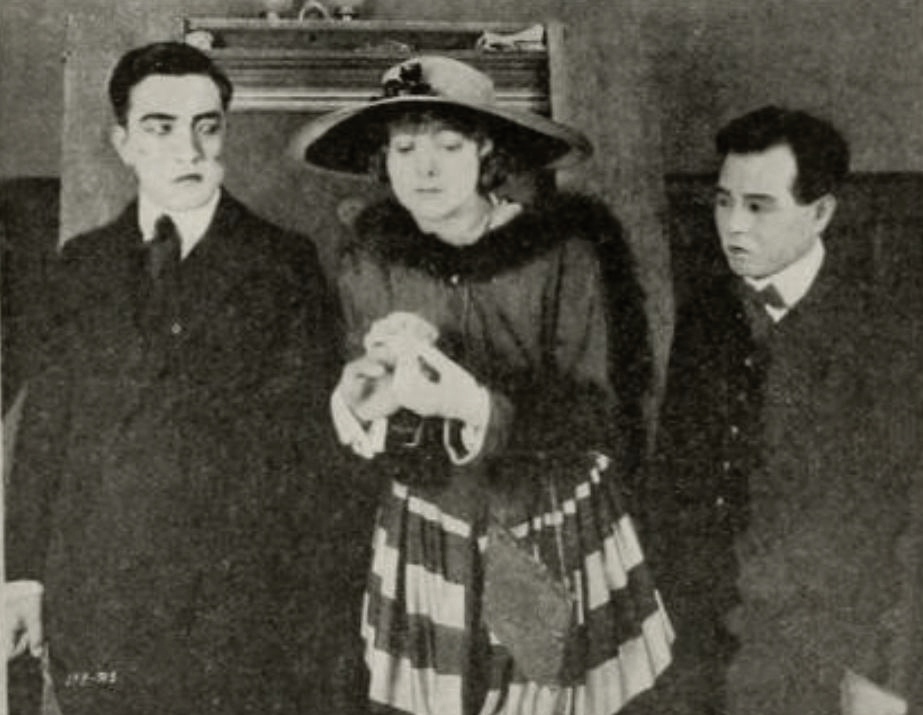
The sheer variety of genres also speaks to this experimental spirit. Westerns like Chimmie Fadden Out West, with its absurd railroad scheme and gold discovery ruse, or Roarin' Dan, featuring a wild cowboy and a schoolteacher, offered a blend of action, romance, and moral lessons within a rugged, lawless setting. These films, while popular, often embraced exaggerated characters and dramatic situations that bordered on the theatrical, a quality later appreciated in many cult films. Even travelogues like Beautiful Lake Como, Italy or expedition films like Pirate Haunts, while documentary in nature, presented audiences with exotic, often visually stunning, and sometimes unsettling glimpses of the world beyond their immediate experience, fostering a sense of wonder and the unknown.
The Absurd and the Uncanny: Humor and Horror's Early Manifestations
Cult cinema often thrives on a sense of the absurd, a willingness to embrace the strange and the unconventional. Early comedies, particularly those involving physical humor and outlandish situations, were precursors to this. Films like Edgar's Country Cousin, where city-slicker Edgar tries to impress his rural relatives, or Among Those Present, featuring an ambitious coat-room checker impersonating an English nobleman, highlight a comedic tradition that reveled in misunderstandings, social faux pas, and exaggerated characters. This embrace of the ridiculous, often with a subtle critique of societal norms, is a direct lineage to the dark humor and surrealism found in many modern cult classics.
Furthermore, the seeds of the uncanny and the unsettling were present. While not overtly horror, the psychological dramas and thrillers of the era, such as A Rough Passage or Die Stimme des Toten, hinted at deeper anxieties and fears. The notion of a 'soul without windows' or the burden of proof in a world of spies and secrets, created a subtle sense of dread and unease. This early exploration of psychological tension and moral ambiguity paved the way for films that would deliberately subvert audience expectations and delve into the more disturbing aspects of the human condition.
From Obscurity to Oracle: The Power of Re-discovery and Community
Perhaps the most defining characteristic of cult cinema is its ability to find its audience, often years or even decades after its initial release. Many early films, though they might not have generated dedicated fanbases in the same way modern cult films do, faced similar challenges of being misunderstood, overlooked, or simply lost to time. Yet, the enduring power of a unique vision means that these films, when rediscovered, can resonate with new generations.
The silent era, with its vast output and often ephemeral nature, is a treasure trove of films awaiting re-evaluation. A film like Seven Keys to Baldpate, a mystery-comedy that plays with identity and reality, might have been a popular diversion in its time, but its meta-narrative elements could easily lend themselves to a cult following today. The intricate plotting of Great Expectations, a classic literary adaptation, also showcases a depth of character and narrative ambition that transcends its era. These films, and countless others, demonstrate that the potential for devotional fandoms has always existed, waiting for the right moment and the right audience to unlock their hidden power.
The spirit of cinematic re-discovery is central to the cult experience. Whether it's an animated short like Springtime pushing the boundaries of its medium, or a drama like The Life Line exploring themes of class and belonging, these films, when viewed through a contemporary lens, reveal layers of meaning and artistic merit that may have been missed or unappreciated during their initial run. They become unconventional canons, cherished by those who seek cinema beyond the predictable, finding profundity in what was once dismissed as peculiar.
The Enduring Legacy: Cult Cinema as a Mirror of Our Psyche
Ultimately, cult cinema is more than just a collection of niche films; it's a reflection of our collective desire for authenticity, rebellion, and a sense of belonging. It speaks to the human need to find meaning in the unconventional, to celebrate the outcast, and to challenge prevailing tastes. The diverse array of films from the silent era – from comedies like Her Unwilling Husband and The Marriage Market to dramas of societal critique like That Sort and A Woman's Triumph – provided an early, rich tapestry of human experience, laying the groundwork for the complex, often challenging narratives that would later define the cult phenomenon.
The fringe films of today owe a debt to these early cinematic explorers who, consciously or unconsciously, injected their works with a maverick spirit. They proved that cinema could be more than just entertainment; it could be a vehicle for social commentary, psychological exploration, and aesthetic experimentation. The unwavering devotion of cult audiences is a testament to the fact that true artistic vision, even if initially misunderstood or deemed transgressive, will always find its champions. In a world increasingly dominated by algorithms and mass appeal, cult cinema stands as a vibrant, essential reminder of the power of the unique, the unconventional, and the utterly unforgettable.
As we continue to explore the vast film history, unearthing overlooked masterpieces and re-evaluating forgotten narratives, we gain a deeper appreciation for the complex lineage of cult cinema. It is a legacy built on daring, a commitment to artistic freedom, and an enduring belief that the most profound cinematic experiences often lie far beyond the mainstream. The blueprint was there from the beginning, etched into the celluloid of cinema's earliest, most daring creations, waiting for generations of devoted fandoms to discover its enduring magic.
Community
Comments
Log in to comment.
Loading comments…