
Cult Cinema, Deep Dive
The Maverick's Midnight Canvas: Painting Cult Cinema's Enduring Legacy of Subversion
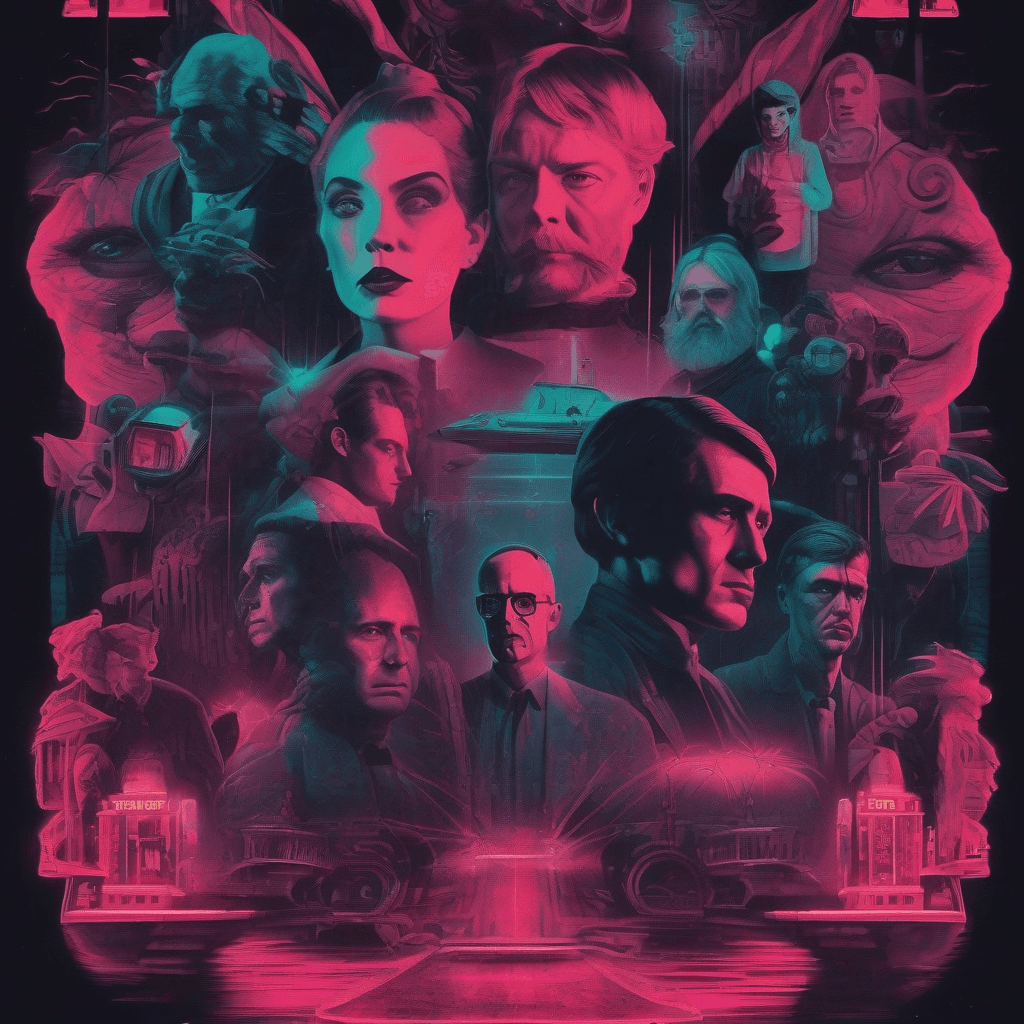
“Cult cinema exists in the liminal spaces of film, a vibrant ecosystem where artistic rebellion and unconventional narratives forge indelible connections with devoted audiences. This deep dive explores the magnetic forces that propel these cinematic outliers from obscurity to enduring iconography.”
In the vast, shimmering tapestry of cinematic history, there exist threads woven with a different kind of dye – darker, more vibrant, sometimes unsettling, but always compelling. These are the threads of cult cinema, a fascinating realm where films initially dismissed, misunderstood, or even suppressed find an enduring afterlife. It’s a space not defined by box office receipts or critical consensus, but by the fervent, almost spiritual devotion of its audience. From the avant-garde experiments that challenged nascent narrative structures to the melodramas that dared to expose society’s underbelly, cult films are the rebel heart of the cinematic experience.

What transforms a mere motion picture into a cult phenomenon? It’s more than just a dedicated fanbase; it’s a shared understanding, a secret handshake among those who recognize something profoundly resonant in the unconventional. These films often defy easy categorization, pushing boundaries of genre, taste, and storytelling. They are the cinematic outliers, the ones that refuse to conform, and in their refusal, they carve out an indelible niche in the cultural consciousness. Their journey from fringe oddity to revered classic is a testament to their inherent power and the unique bond they forge with their viewers.
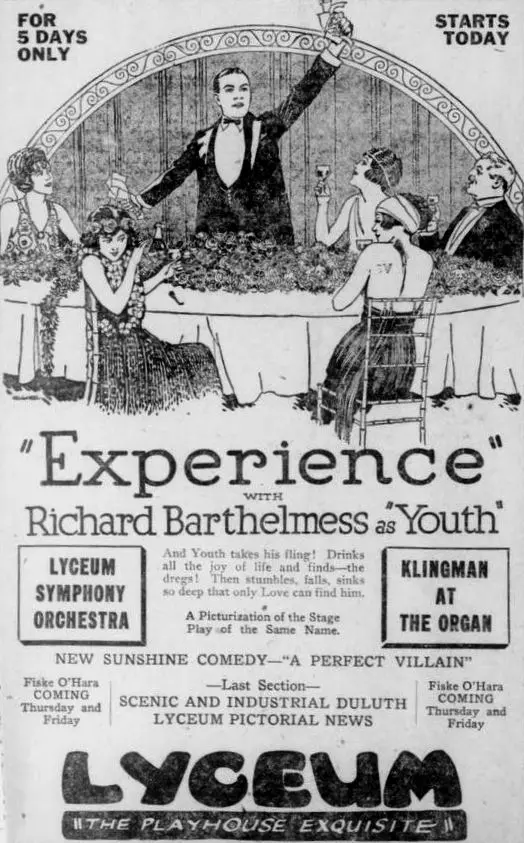
The Genesis of the Unconventional: Early Sparks of Rebellion
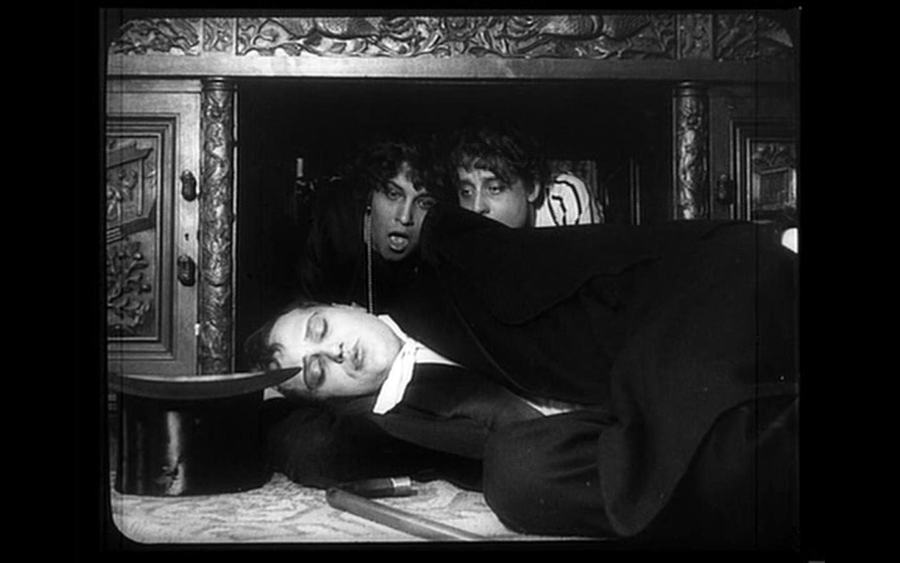
Tracing the lineage of cult cinema requires a journey back to the very dawn of the moving image, where the seeds of genre defiance were first sown. Even in the silent era, filmmakers experimented with narratives and aesthetics that would later be recognized as hallmarks of the cult sensibility. Consider the audacious spirit behind early experimental works like Drama v kabare futuristov No. 13, which, despite its obscurity, speaks to a primal urge for artistic subversion. These were films that didn't just tell stories; they challenged the very notion of what a story could be, or how it could be presented.
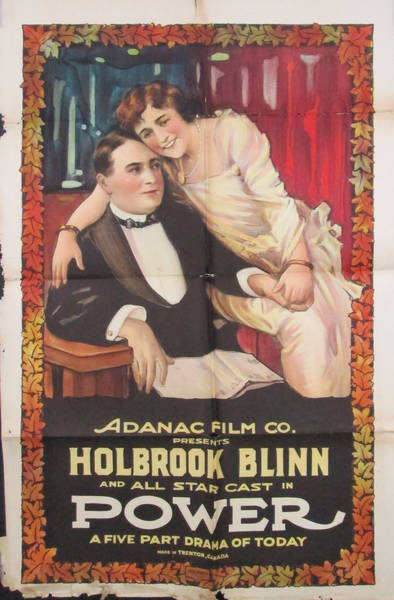
The early 20th century saw the rise of serialized thrillers and grand melodramas that, while often mainstream in their time, contained elements that would resonate with future cult audiences. Works like Les Vampires, with its intricate criminal underworld and enigmatic secret society, captivated audiences with its sprawling narrative and shadowy intrigue, far exceeding the typical cinematic fare. Similarly, films exploring societal critiques and moral complexities, such as The Merry Jail or War Brides, tackled themes of deception, gender roles, and the devastating impact of conflict with a frankness that could be unsettling for their era. This willingness to confront uncomfortable truths, to explore the psychological depths of characters grappling with wrath of love or the grasp of greed, laid crucial groundwork.

The nascent film industry also produced works that pushed the boundaries of visual storytelling and character portrayal. The early presence of Lon Chaney in films like The Gilded Spider hinted at a fascination with the grotesque, the tragic, and the transformative power of performance – elements that would become central to many cult classics. Even seemingly innocuous comedies or westerns, like The Decorator or The Sheriff's Oath, might have contained an underlying absurdity or a character defying genre archetypes that, in retrospect, contributed to an evolving cult aesthetic. The sheer novelty of the medium itself allowed for a period of wild experimentation, where the rules were still being written, and thus, easily broken.

The Allure of the Taboo and the Transgressive
A significant cornerstone of cult cinema is its fearless engagement with the taboo and the transgressive. These are films that dare to touch upon subjects deemed inappropriate, shocking, or simply too strange for mainstream consumption. From psychological studies of addiction, as hinted by The Spirit of the Poppy, to the exploration of illicit desires and social outcasts, cult films provide a mirror to society's suppressed anxieties and hidden fascinations. They invite audiences to explore the darker corners of the human psyche, often without the comforting moralizing found in more conventional storytelling.
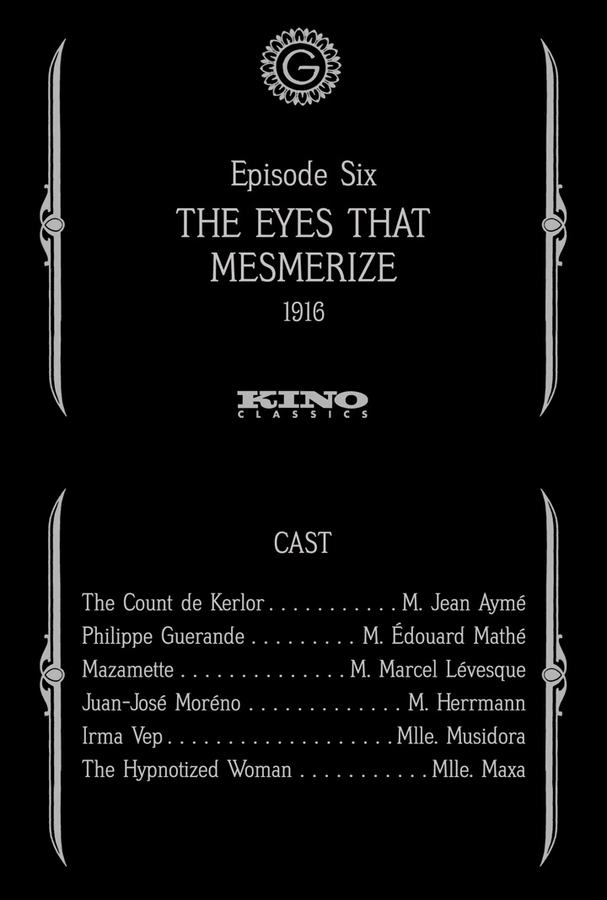
Consider the narrative daring required to portray a woman's fall from grace or a man's moral decay, as seen in the thematic echoes of films like Life's Blind Alley or And the Law Says. These stories, though perhaps melodramatic by modern standards, confronted issues of responsibility, consequence, and societal judgment head-on. The exploration of forbidden love, unconventional relationships, or even the uncanny, as suggested by the premise of The Doll, speaks to a desire for narratives that challenge accepted norms of romance, family, and even humanity itself. This willingness to venture into uncomfortable territory is precisely what makes these films so compelling to audiences seeking something beyond the predictable.

The visual and thematic audacity of cult films often stems from their disregard for commercial viability. Freed from the pressures of broad appeal, filmmakers could indulge in more personal, idiosyncratic visions. Whether it was the stark realism of a social drama or the fantastical elements of an adventure in a hidden valley, the common thread was a commitment to an unfiltered artistic expression. This raw honesty, even in its most exaggerated forms, creates a powerful connection with viewers who feel alienated by polished, mass-produced entertainment. They find solace and excitement in narratives that reflect their own sense of 'otherness.'
The Power of Rediscovery and Niche Worship
Many films destined for cult status are not immediate successes. They often languish in obscurity, misunderstood by critics, ignored by audiences, or simply ahead of their time. Their journey to recognition is often a slow burn, fueled by word-of-mouth, academic re-evaluation, or the serendipitous discovery by a new generation of viewers. This process of rediscovery is crucial to the cult phenomenon, transforming forgotten gems into revered artifacts.

The internet and home video revolution have been instrumental in this process, allowing films like the intricate mysteries of The Microscope Mystery or the dramatic character studies of Polly Ann to find new life. What might have been a fleeting curiosity in its initial release can, decades later, be recognized for its pioneering techniques, its prescient themes, or its sheer, unadulterated weirdness. The niche worship that follows is a testament to the film's ability to speak to a specific, often passionate, segment of the audience that the mainstream overlooked.
This re-evaluation often highlights aspects of films that were once considered flaws. A perceived lack of polish, an overly theatrical performance, or a narrative that veers wildly off course can be reinterpreted as charming eccentricities or deliberate artistic choices. The intensity of performances, whether from a no-good guy trying to escape his reputation or a model's confession of a secret life, takes on new meaning when viewed through the lens of cult appreciation. It's a collective act of reclamation, where audiences become the ultimate arbiters of a film's lasting value, forging a cinematic sanctuary for these unconventional narratives.
Building Communities: The Midnight Movie Experience and Beyond
Perhaps one of the most defining characteristics of cult cinema is its capacity to build fervent, dedicated communities. The midnight movie phenomenon, in particular, provided a sacred space for shared experiences, transforming solitary viewing into a communal ritual. Audiences would gather, often dressed as characters, reciting lines, and interacting with the screen, creating an immersive, participatory event that transcended mere spectatorship.
This communal aspect fosters a deep sense of belonging among fans, uniting individuals who might otherwise feel marginalized by mainstream culture. The shared appreciation for films that explore themes of tangled fates, social climbing (The Climbers), or the enduring power of sacrifice (The White Sister), creates a powerful bond. Whether it's dissecting every frame of a surreal animation like Perpetual Motion or debating the moral ambiguities of a complex drama, the discussion around cult films is often as rich and multilayered as the films themselves.
These communities are not passive consumers; they are active participants in the film's ongoing legacy. They champion their favorites, introduce new converts, and ensure that these maverick visions continue to resonate across generations. This active engagement transforms films from simple entertainment into cultural touchstones, symbols of rebellion, artistic freedom, and shared identity. The obscure adventures of a character in Up and Going or the dramatic revelations of a Midnight Bride become more than just stories; they become shared mythologies.
The Enduring Legacy of the Maverick Vision
The impact of cult cinema extends far beyond its immediate fanbase, subtly influencing mainstream filmmaking and popular culture. What begins as a fringe aesthetic or a transgressive narrative often seeps into the broader cinematic lexicon, inspiring new generations of filmmakers to push their own boundaries. The visual audacity of early European films like Sturm or Figaros Hochzeit, with their dramatic intensity and innovative staging, can be seen as precursors to later cinematic movements that challenged conventional realism.
The very definition of a 'good' film is often challenged by cult classics. They remind us that artistic merit isn't solely determined by technical perfection or universal appeal, but by authenticity, originality, and the capacity to evoke a powerful, albeit sometimes polarizing, response. Films that might have been dismissed as 'bad' cinema, like those featuring exaggerated plots or over-the-top performances, are re-evaluated for their unique charm and often unintentional genius. The dramatic stakes in films such as The Destruction of Carthage or the intricate personal struggles in The Marriage of William Ashe, when viewed through a cult lens, reveal layers of artistic intent and cultural commentary that were perhaps overlooked upon their initial release.
Ultimately, cult cinema is a celebration of the unique, the strange, and the unyielding spirit of artistic independence. It is a testament to the idea that some stories are not meant for everyone, but for those who find them, they become everything. These films, whether they depict the dramatic revelation of an artist's muse, the complex morality of a vicar of Wakefield, or the desperate measures taken by women men forget, resonate because they speak to an authentic human experience, however distorted or exaggerated it may be. They are the cinematic echoes of our collective subconscious, forever whispering from the fringes, inviting us to look closer, to feel deeper, and to find our own tribe in the darkness of the movie theater.
The enduring appeal of cult cinema lies in its promise of discovery – the thrill of unearthing a hidden gem, the satisfaction of belonging to a select group, and the profound connection forged with a work of art that truly 'gets' you. It is a vibrant, ever-evolving canon of films that defy easy categorization, yet stand united by their audacious spirit and the unwavering devotion of their fans. In a world increasingly homogenized, the maverick's midnight canvas continues to paint bold, unforgettable strokes, ensuring that the rebel heart of cinema beats on, strong and true.
Community
Comments
Log in to comment.
Loading comments…