
Cult Cinema
The Mercury Pulse: How the 1910s Underground Sculpted the Modern Cult Obsession
“Explore how the transgressive narratives and genre-bending anomalies of the 1910s silent era laid the foundational DNA for modern cult cinema and midnight movie devotion.”
To understand the modern cult film, one must look past the neon-soaked midnight screenings of the 1970s and the VHS-fueled obsessions of the 1980s. The true genetic code of cinematic subversion was written much earlier, in the flickering nitrate shadows of the 1910s. This was a decade of profound industrial transition, where the rules of storytelling were still being forged in a crucible of experimentation. It was here that the Mercury Pulse of the underground first began to beat, giving life to the genre-bending rebels and moral outcasts that would eventually define the cult movie ethos. These films, often dismissed as mere curiosities by mainstream historians, represent a primal anarchy that continues to haunt the contemporary cinematic psyche.
The Occult Blueprint: Metaphysical Assaults and Early Horror
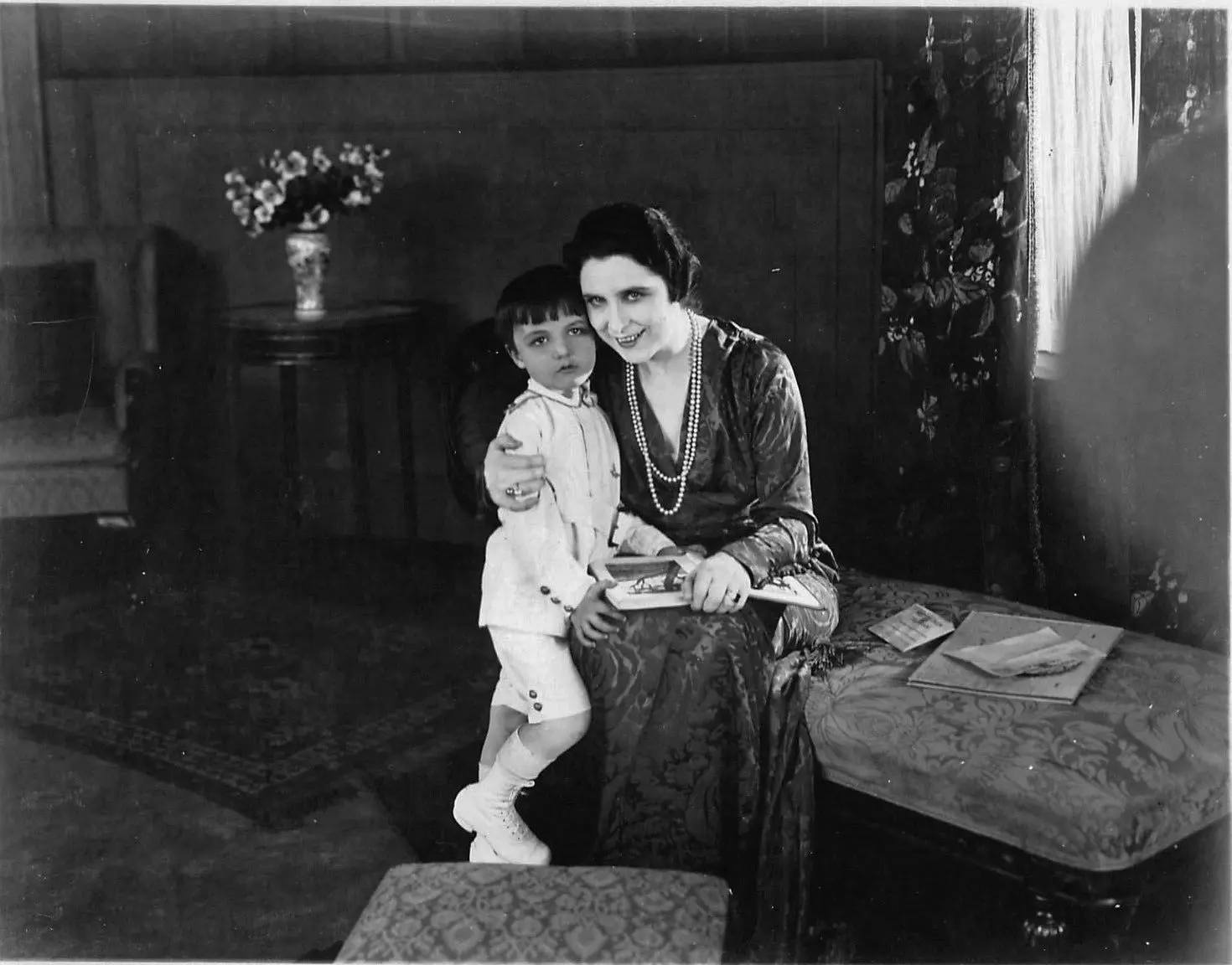
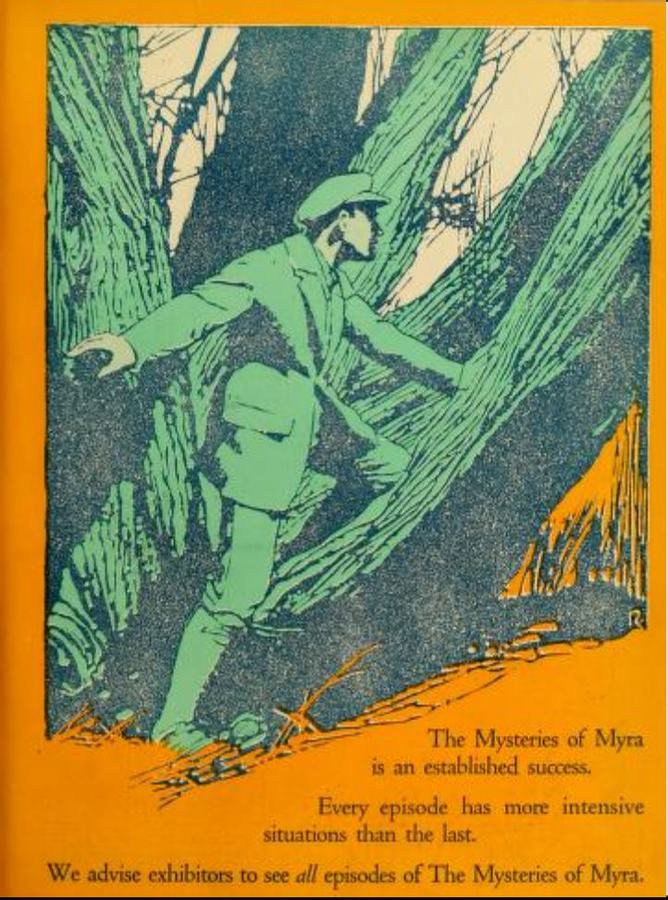
The roots of cult cinema are inextricably linked to the occult and the macabre. Long before the rise of folk horror or the psychedelic dread of the 1960s, the 1910s produced works that challenged the boundaries of the physical world. A primary example is The Mysteries of Myra (1916). This serial was not merely a thriller; it was a deep dive into the metaphysical, featuring a protagonist plagued by the Black Order, a secret organization utilizing magic and curses. This focus on secret societies and supernatural warfare prefigured the niche devotion that modern audiences feel toward films that explore hidden realms and esoteric knowledge.
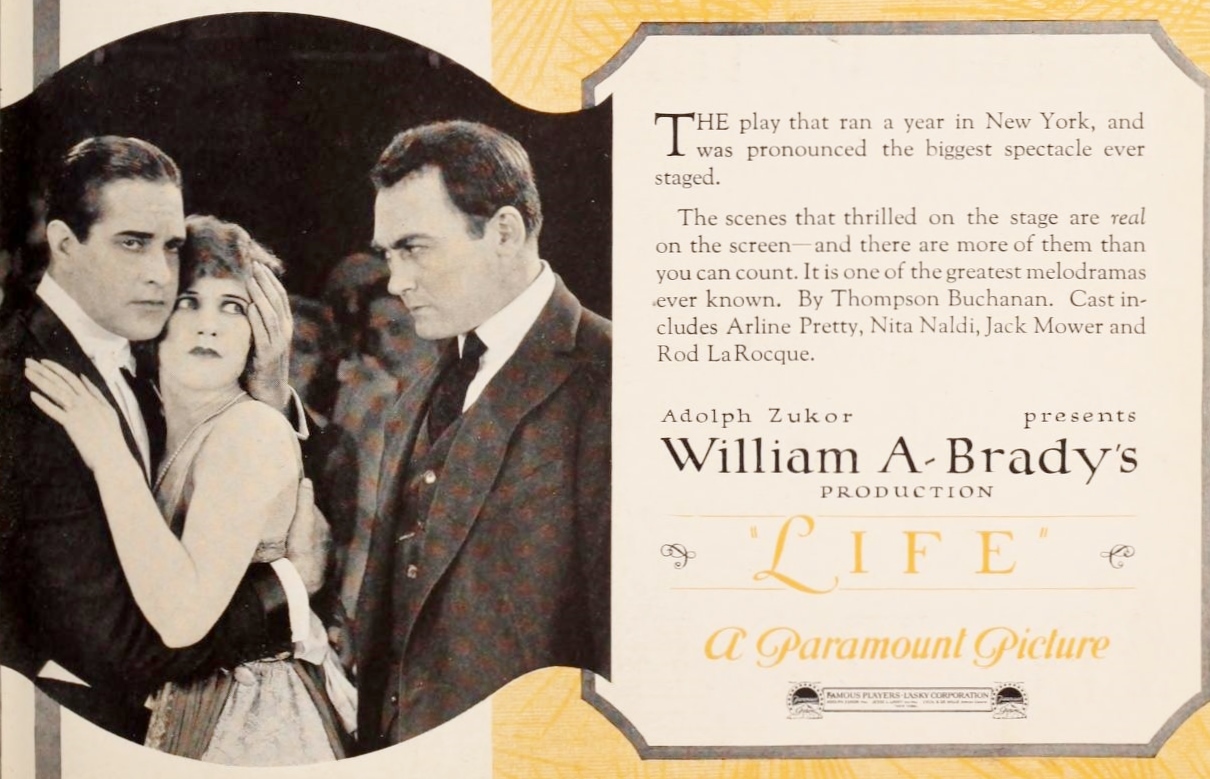
Similarly, The Mysteries of Souls presented a narrative where greed and unnatural relationships collided with the spiritual. In these early reels, we see the birth of the midnight movie aesthetic: a fascination with the forbidden, the dark, and the unexplained. These were films that didn't just entertain; they initiated the viewer into a world of shadows. Even Satan's Private Door (1917) utilized the imagery of moral decay and familial isolation to create an atmosphere of dread that would later be refined by directors like David Lynch or Kenneth Anger.
The Diva and the Demon: Stylized Performance as Subversion
Cult cinema is often defined by its larger-than-life performances—acting that transcends traditional realism to reach a level of operatic intensity. In the 1910s, this was embodied by the "diva" films of Europe. Tigre reale (1916) showcased Frau Menichelli as a Russian countess with a tragic, revolutionary past. Her performance was not just acting; it was a spectacle of emotion and style that commanded a specific, devoted following. This type of performance-centric cinema laid the groundwork for the cult of personality that surrounds icons like Divine or Tilda Swinton today.
Moral Outlaws and the Social Pariah
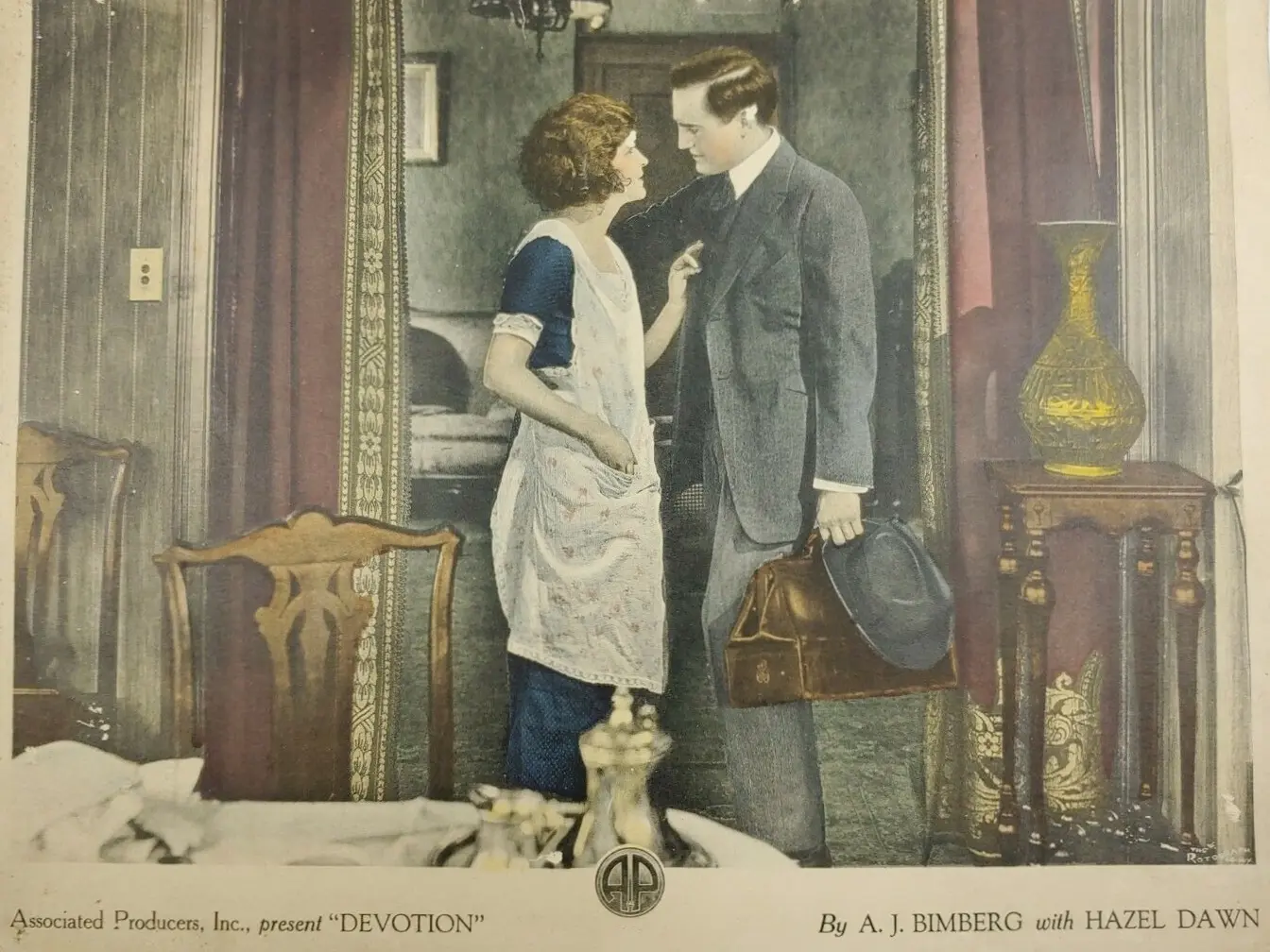
If the cult film is a sanctuary for the misfit, the 1910s provided the first blueprints for the cinematic outcast. The era was obsessed with the idea of the "fallen" individual and the possibility of redemption outside of societal norms. In The Single Code (1917), we witness a protagonist who falls into the toils of an adventuress, only to have his manhood awaken through a struggle for integrity. This narrative of the moral outlier—someone who operates on a different frequency than the status quo—is a hallmark of the cult genre.
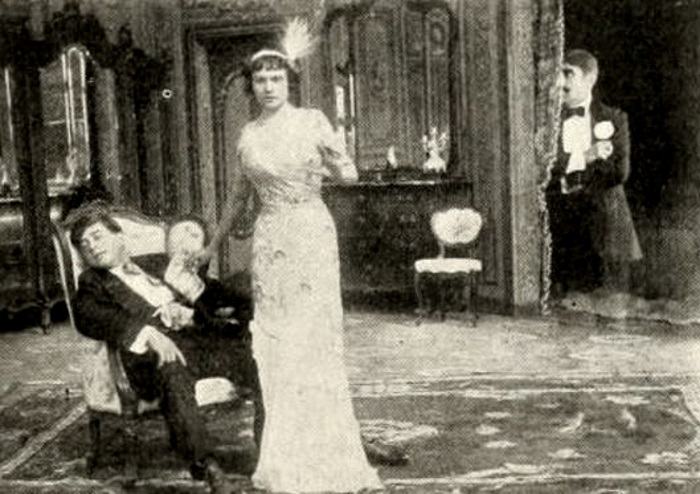
The figure of the reformed criminal also emerged as a powerful archetype in Alias Jimmy Valentine (1920). Here, a safe-cracker maintains his innocence despite his guilt, eventually finding a path to righteousness through the influence of love. This moral ambiguity—the hero who is also a villain—resonates deeply with the cult sensibility, which often seeks to humanize the transgressive. These films challenged the Victorian morality of their time, offering a more complex, albeit melodramatic, view of the human condition.
Rebellion Against the Factory Life
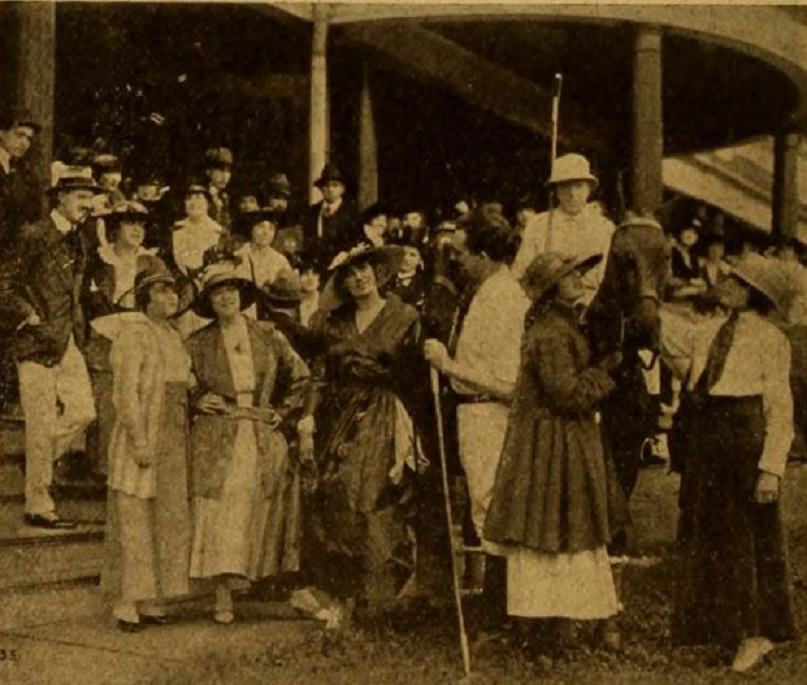
Social rebellion was another key ingredient in this early cult stew. Fires of Rebellion (1917) depicted a woman dreading the "drab and loveless factory life," a sentiment that echoes the anti-establishment themes of 1970s punk cinema. By refusing a marriage proposal from a foreman she fears will become a "brute," the protagonist Madge Garvey becomes a proto-feminist icon of the underground. This rejection of the mundane in favor of a more authentic, if dangerous, existence is the very heartbeat of the Mercury Pulse.
Surrealism, Fantasy, and the Absurd
Before the Surrealist Manifesto was even written, the 1910s were experimenting with the bizarre and the fantastic. Alf's Button (1920) is a prime example of the "weird" comedy that would later influence the likes of Terry Gilliam. The concept of a soldier's tunic button being made from Aladdin's lamp—granting wishes in the midst of the mundane—is a perfect example of the genre-bending that cult fans crave. It blends the gritty reality of the era with the limitless potential of the imagination.
On the more radical end of the spectrum, we find El apóstol (1917), an Argentinian animated film that depicted the president burning a city using Jupiter's thunderbolts. This kind of political satire, delivered through a medium that was still in its infancy, represents the ultimate in cinematic subversion. It was an anomaly—a film that didn't fit into any pre-existing box, much like the midnight movies that would follow decades later.
The Comedy of the Grotesque
Even the short comedies of the time, such as Should Tailors Trifle? (1917), exhibited a penchant for the absurd. The image of a dog named Brownie tearing the pants of unsuspecting victims in "Hokum Alley" points toward a style of slapstick that is both chaotic and slightly mean-spirited—a precursor to the transgressive humor of John Waters. These films thrived on a sense of play that disregarded the "proper" way to make a movie, favoring instead the raw energy of the gag.
Genre-Bending and the Birth of Niche Devotion
What makes a film "cult" is often its refusal to stay within the lines of a single genre. The 1910s were full of these hybrids. Riders of the Dawn (1920) blended the Western with elements of crime and social drama, focusing on a soldier returning to a homeland despoiled by conflict. The Barbarian (1920) took a college professor and thrust him into the Canadian wilderness, creating a narrative that was part survivalist drama and part social critique.
These films created a space for niche devotion because they spoke to specific interests that weren't always addressed by the massive studio epics. Whether it was the dog-racing drama of The Northern Trail (1910) or the romanticized biography of Loves and Adventures in the Life of Shakespeare (1914), these films catered to audiences looking for something beyond the standard fare. They were the first "shared secrets" of the cinema-going public.
The Legacy of the Forgotten Reel
Many of these films, like Johannes Goth or The Fatal Marriage, have slipped into the cracks of history, their titles known only to the most dedicated archivists. Yet, their influence is felt in every frame of modern cult cinema. They established the idea that film could be a tool for exploration—of the self, of society, and of the supernatural. The Mercury Pulse of the 1910s was a signal sent out into the future, a reminder that the most interesting stories are often found on the fringe.
Conclusion: The Enduring Allure of the Silent Fringe
As we look back at the 1910s, we see more than just old movies; we see the birth of a movement. The Mercury Pulse was the sound of a medium discovering its power to shock, to provoke, and to inspire fanatical devotion. From the occult mysteries of Myra to the social rebellions of the factory floor, the silent era's anomalies engineered the very soul of the cult film. They taught us that the "weird" is not something to be feared, but something to be celebrated. In the dark of the theater, or the quiet of a late-night streaming session, we are all still searching for that same spark of rebellion—the flickering light of the silent fringe that continues to burn with an unquenchable fire.
The next time you find yourself captivated by a strange, low-budget masterpiece or a film that defies every convention of the modern blockbuster, remember that you are part of a lineage that stretches back over a century. You are listening to the echo of the 1910s, a decade where the outlaws, the dreamers, and the heretics first took control of the camera and changed the way we see the world forever. The cult is not just a category; it is a connection to the primal, anarchic roots of the cinematic experience.
Community
Comments
Log in to comment.
Loading comments…