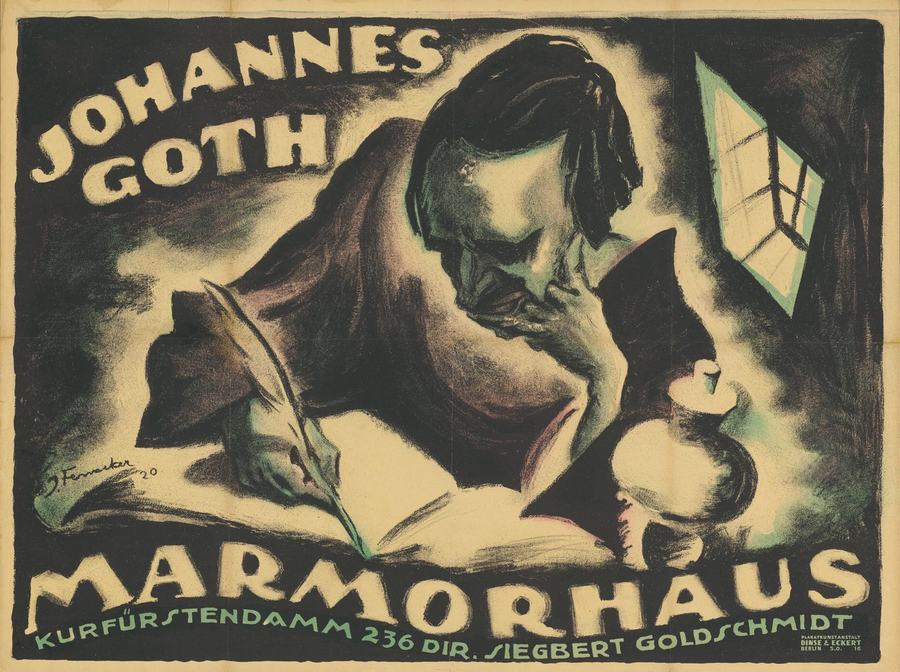
There is a moment, roughly forty-three minutes into Johannes Goth, when the film itself appears to inhale. The iris-in halts mid-shrink, the grain swells, and for a heartbeat the screen becomes a living scab. Most viewers attribute the jolt to print damage; I prefer to believe the celluloid is gasping at its own auda...
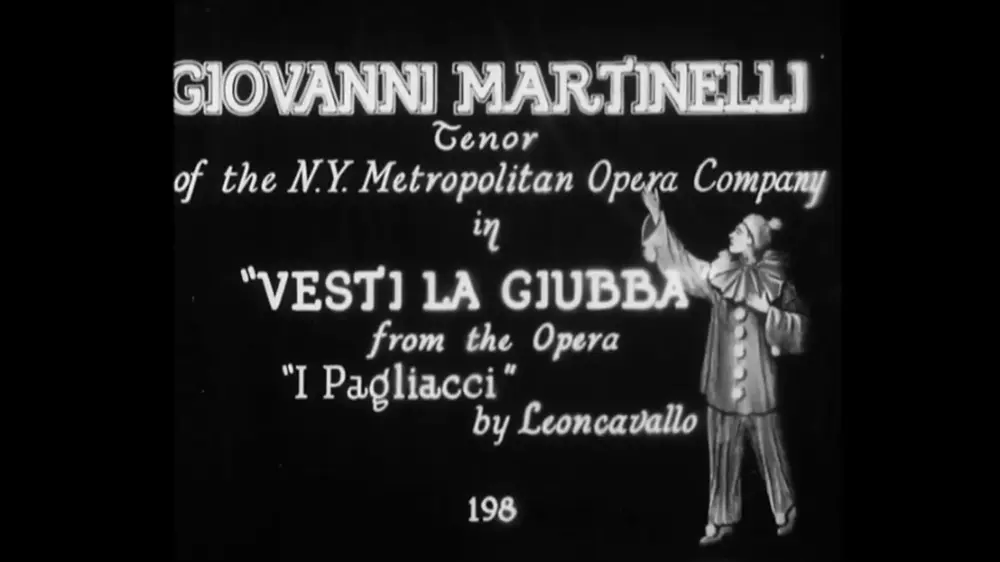
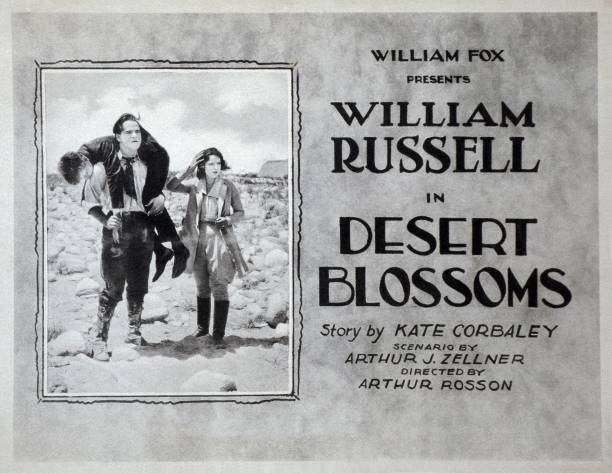
Comparing the cinematic DNA and archive impact of two defining moments in cult history.
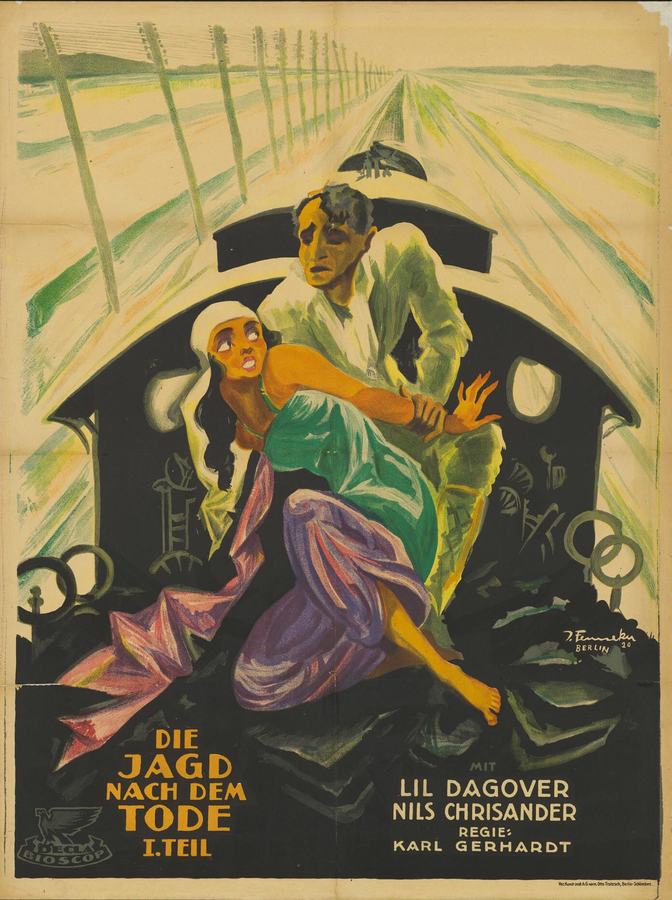
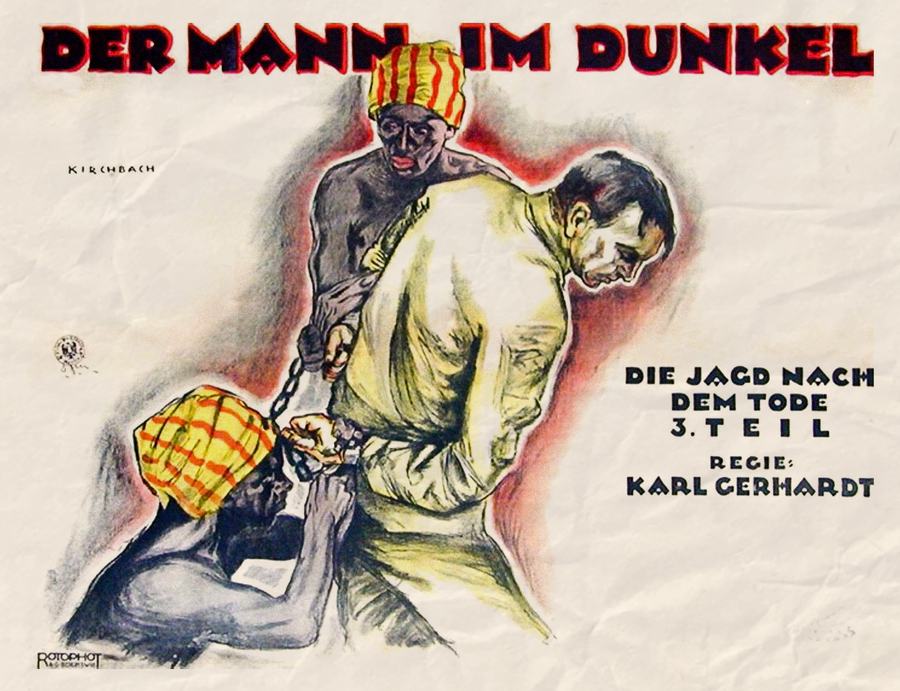
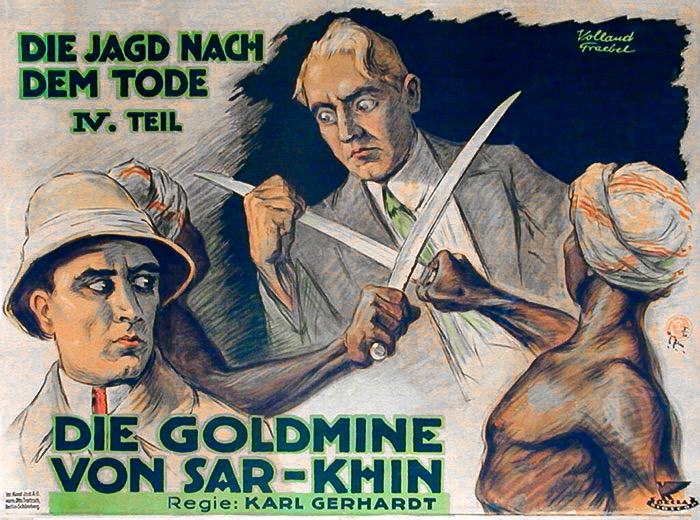
Karl Gerhardt
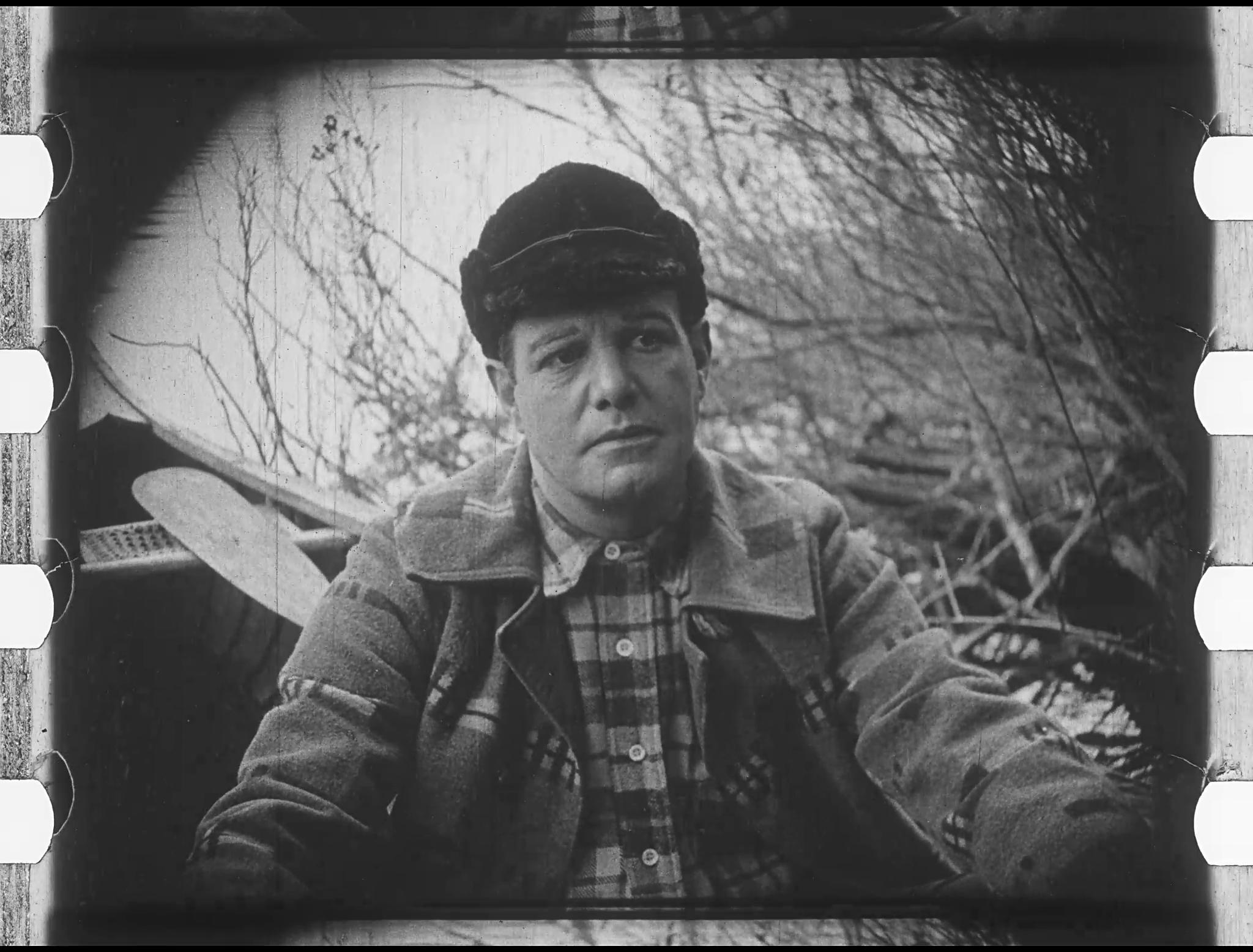
Edgar Jones
Community
Log in to comment.
" There is a moment, roughly forty-three minutes into Johannes Goth, when the film itself appears to inhale. The iris-in halts mid-shrink, the grain swells, and for a heartbeat the screen becomes a living scab. Most viewers attribute the jolt to print damage; I prefer to believe the celluloid is gasping at its own audacity. Carl Mayer, the scenarist who once gave The Cabinet of Dr. Caligari its crooked spine, here detonates narrative so completely that time becomes a currency traded by children ..."
Carl Mayer
Germany
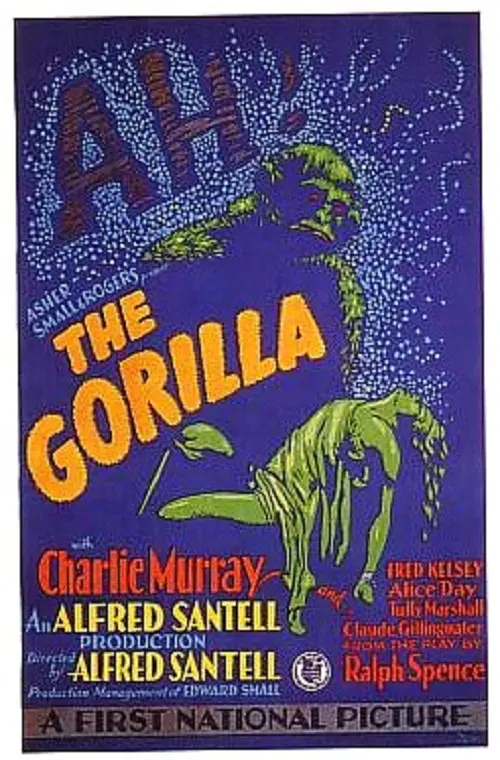
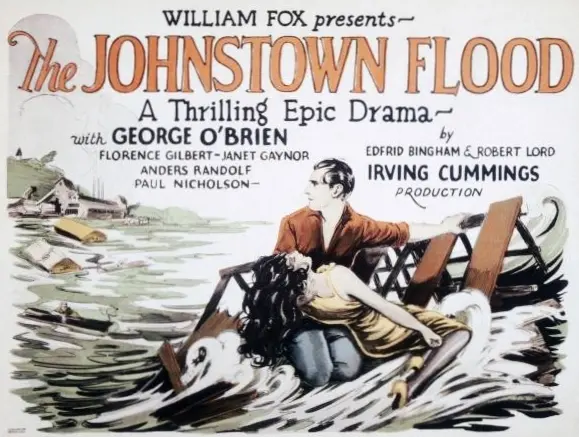
Deep dive into the cult classic
Discover similar cinematic experiences
A Directorial Spotlight on Karl Gerhardt