
Film History
The Mesmeric Eye: How Early Cinema’s Obsession with Psychic Control Birthed the Cult of the Uncanny
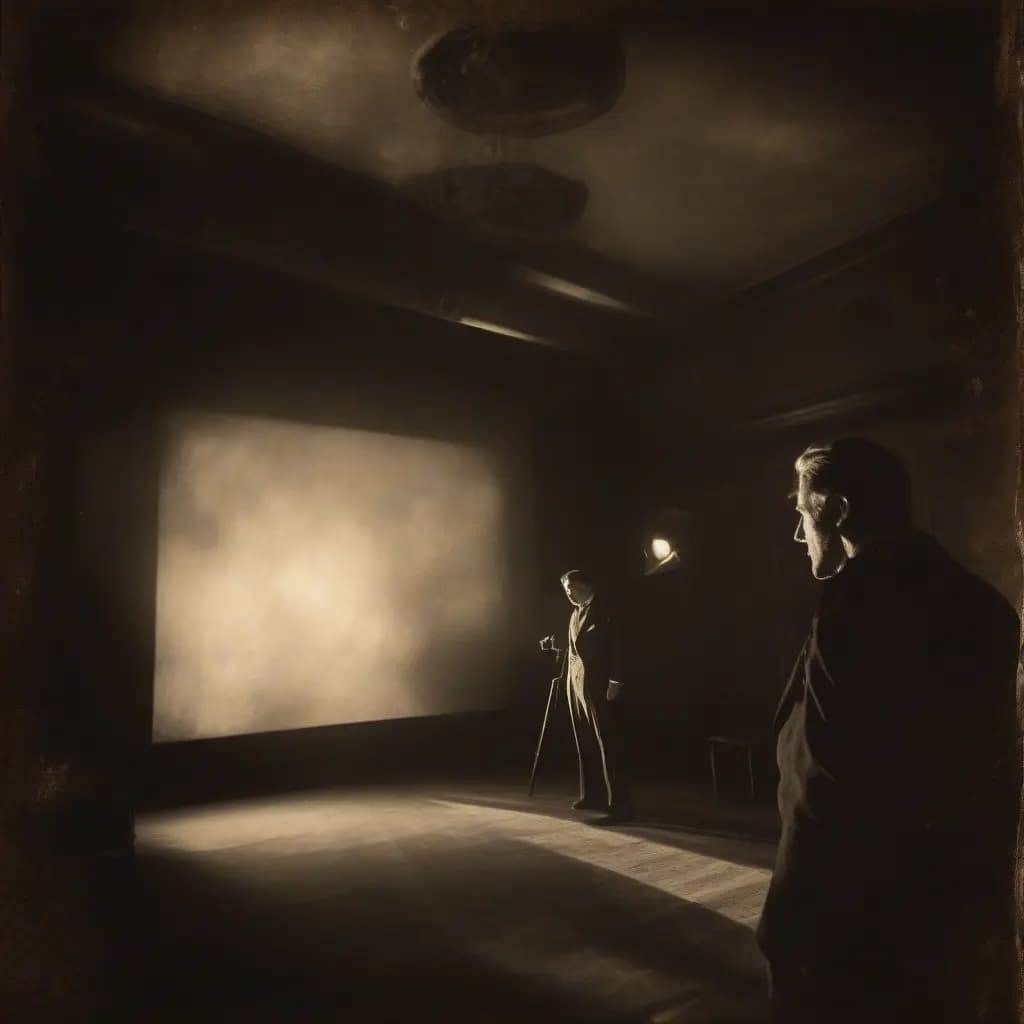
“Long before the midnight movie era, the nitrate reels of the 1910s were already experimenting with psychological manipulation, moral decay, and the hypnotic power of the screen.”
To understand the modern obsession with the 'weird,' one must first acknowledge that the cinema screen has always been a tool of mass hypnosis. Long before the 1970s midnight movie circuit turned transgressive art into a secular religion, a darker, more jagged energy was flickering through the nickelodeons and grand palaces of the early 20th century. We often mistake these silent artifacts for quaint relics, but if you look closer—past the scratches and the chemical rot—you find a cinema of profound psychological disturbance. The early masters weren't just telling stories; they were exploring the terrifying possibility that a human mind could be hijacked by a melody, a gaze, or a flicker of light. This was the birth of the cult of the uncanny, a movement that prioritized the visceral sensation of being 'unsettled' over the comforts of traditional narrative.
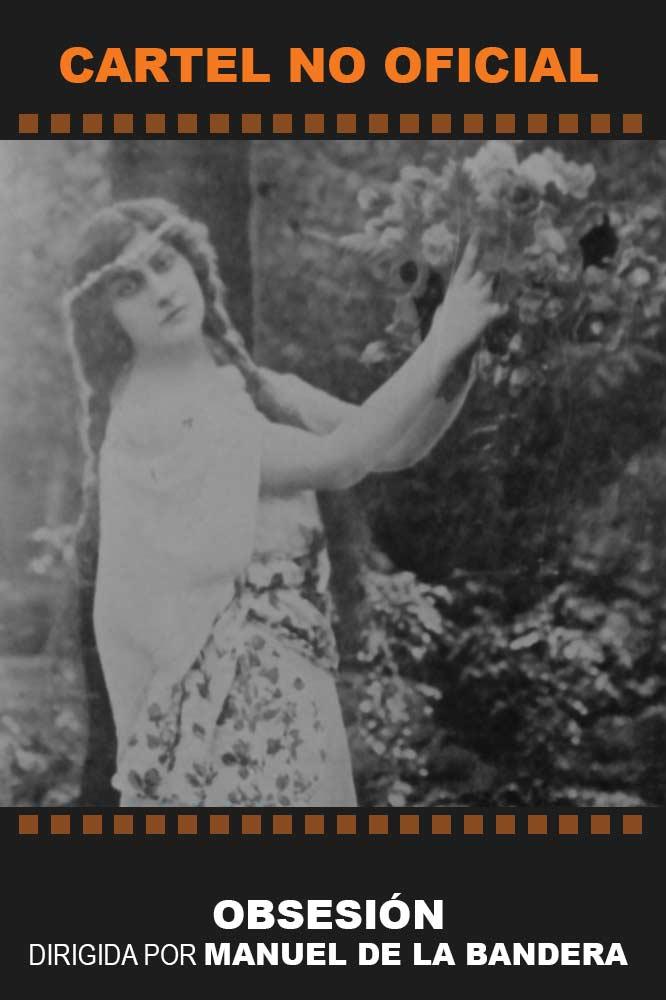
The Puppet Master: Zigo and the Architecture of Control
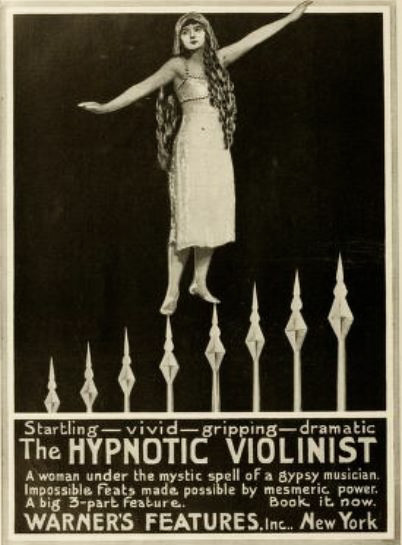
Consider the 1914 rarity The Hypnotic Violinist. In this film, we encounter Zigo, a gypsy orchestra leader who possesses the ability to mesmerize his audience through his music. While the plot involves the domestic drama of Dr. Crampton and his wife, the true core of the film is the power of the performer over the spectator. Zigo is not merely a musician; he is an avatar for the film director himself. In the 1910s, the very act of sitting in a dark room and surrendering one's senses to a moving image was a radical, almost occult experience. The film captures the era's deep-seated anxiety regarding personal agency. If a violinist could strip a woman of her will, what could a moving image do to an entire nation?
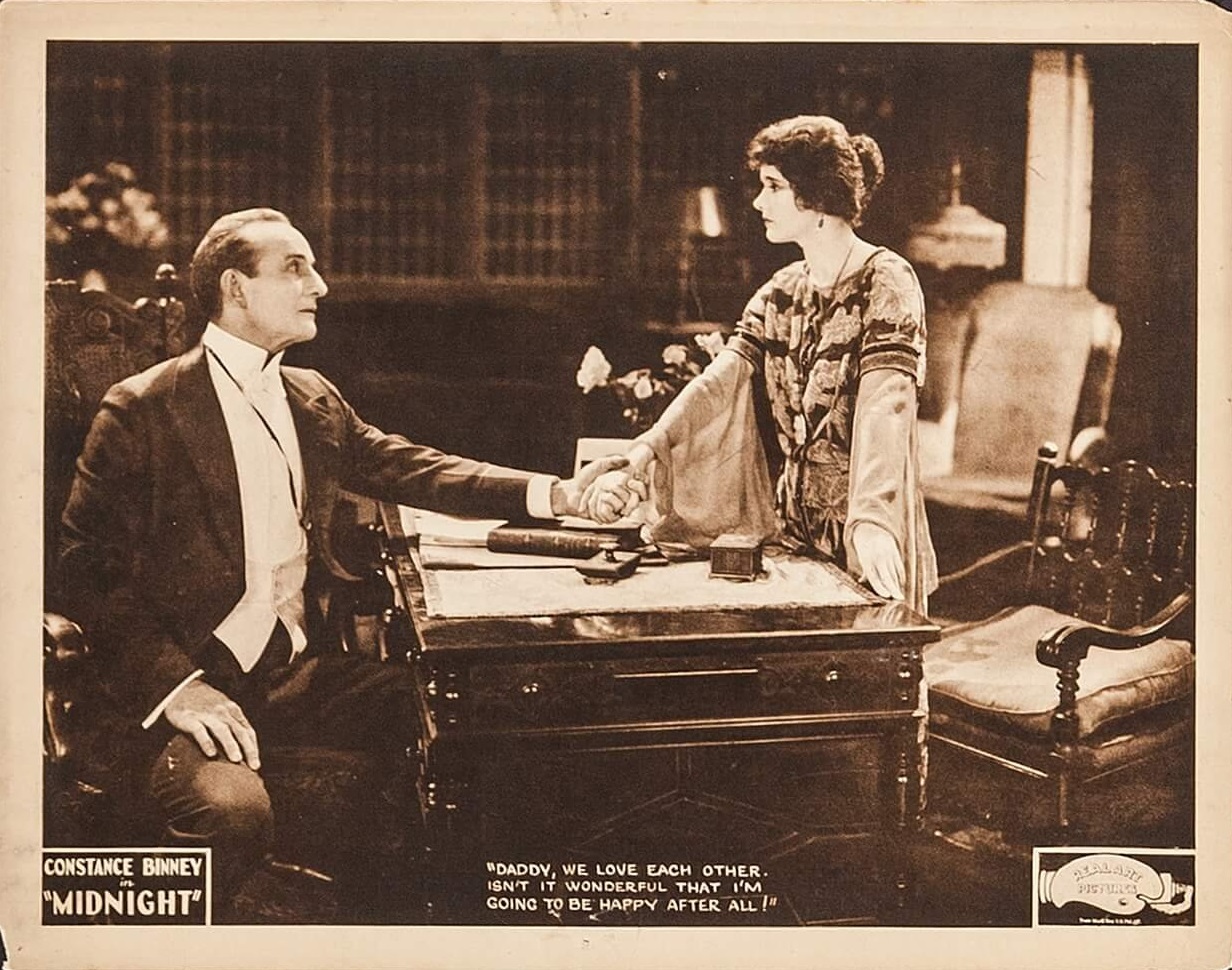
This theme of psychic intrusion is a foundational pillar of cult cinema. From the brainwashing of The Manchurian Candidate to the sensory overload of Videodrome, the fear of being 'reprogrammed' by an external force is a recurring nightmare. The Hypnotic Violinist serves as the proto-text for this obsession. It suggests that our internal worlds are fragile and that art—be it a violin solo or a nitrate reel—is the skeleton key that can unlock our most guarded impulses. It is this specific type of vulnerability that draws us to cult films; we want to be overwhelmed, to have our perceptions shifted by something that feels slightly dangerous.
The Outlaw’s Redemption: Redefining the Moral Misfit
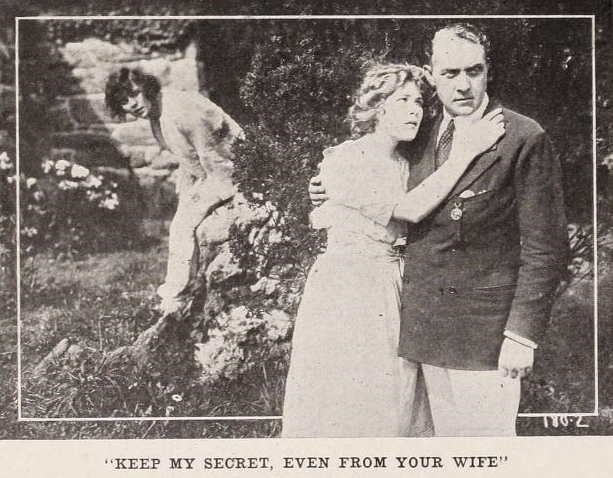
While some films explored the loss of will, others focused on the individuals who lived outside the boundaries of 'polite' society—the characters who would eventually become the anti-heroes of the cult canon. In the silent era, the 'misfit' was often depicted with a surprising amount of nuance, subverting the black-and-white morality of the time. Take Bull Arizona, a film centering on a bank-robbing outlaw who possesses a 'rough shell and a golden heart.' This isn't just a Western trope; it is the beginning of our fascination with the noble deviant.
Cult cinema thrives on the fringes. We champion the characters that the mainstream rejects. In A Black Sheep, we see the town of Tombstone through the eyes of Goodrich Mudd, a man labeled as the titular black sheep. These films provided a sanctuary for the 'unwanted.' By centering the narrative on the pariah, early filmmakers were laying the groundwork for the transgressive heroes of the 1960s and 70s. The audience isn't meant to judge Bull Arizona or Goodrich Mudd; they are meant to identify with their alienation. This shift in perspective is what separates a standard commercial product from a work with cult potential. It requires an alignment with the 'other,' a rejection of the moral majority that feels as fresh today as it did in 1915.
The Domestic Gothic: Trauma and the Locked Room
If cult cinema is defined by its willingness to go where others fear to tread, then the early exploration of domestic trauma is its most fertile soil. The 1918 film The Locked Heart offers a harrowing glimpse into the psychological wreckage of grief. After his wife dies in childbirth, Harry Mason locks away not just his feelings, but the physical room associated with the tragedy, refusing even to look at his child. This is pure Gothic horror disguised as melodrama. The 'locked room' is a potent metaphor for the repressed psyche, a theme that would later be explored by directors like Roman Polanski or Ari Aster.
Early cinema understood that the most terrifying monsters aren't the ones lurking in the woods, but the ones we create within the architecture of our own homes.
Similarly, The Unseen Witness (1920) uses the framework of a mystery—the murder of a milk magnate—to delve into the instability of truth and the weight of false accusation. These films weren't satisfied with simple resolutions. They lingered on the 'scars' left by the narrative. In the world of cult cinema, the resolution is often less important than the atmosphere of dread and the exploration of the character's internal collapse. The silent era’s ability to convey this through visual shorthand—a shadowed doorway, a lingering close-up on a trembling hand—is where the aesthetic of the 'psychological cult' was truly forged.
The Seduction of Decay: Transgression and the Pierrot Persona
Transgression is the lifeblood of the cult experience, and few archetypes embody this better than the tragic, often debauched figure of the clown or the mime. Pierrot the Prodigal (1917) presents a young, naive protagonist who is led into a spiral of drinking and gambling by an 'evil wine merchant.' This isn't just a cautionary tale; it's a dive into the aesthetics of decadence. The image of the pale, painted face of Pierrot descending into a world of vice is a haunting visual that resonates with the 'beautiful losers' of later underground cinema.
Then there is The Traitress, a film that explores the dark side of romantic obsession. When a woman is rejected by an officer, she betrays his regiment out of spite, only to be consumed by regret. This is a far cry from the 'maiden in distress' tropes of the era. It presents a woman driven by complex, destructive impulses. This willingness to depict the 'ugly' side of human nature—the petty, the vengeful, the obsessive—is what gives these early films their bite. They refuse to offer a comfortable moral center, forcing the audience to grapple with the characters' failings. This moral ambiguity is a prerequisite for any film hoping to achieve cult status; it invites debate, re-watchability, and a deep, often uncomfortable, fascination.
The Future as a Cult Nightmare: 1923 and Beyond
Perhaps the most fascinating outlier of this era is The Last Bottle. Released in the early 1920s but set in the 'future' of 1923, it deals with the world under total liquor prohibition. While framed as a comedy, its premise—the desperate, obsessive hunt for the final remaining bottle of champagne—is a perfect encapsulation of 'cult' logic. It is a story about the fetishization of the rare and the forbidden. In a world where something is banned, it becomes a holy relic. This mirrors the way cult film fans hunt for lost cuts, banned bootlegs, and forgotten masterpieces. The film accidentally satirized the very culture that would eventually preserve it.
- The fetishization of the 'forbidden' object as a narrative driver.
- The use of future-setting to critique contemporary social anxieties.
- The blending of slapstick comedy with a dark, obsessive undertone.
The Ghost in the Projector: Why We Still Worship These Shadows
Why do we return to these flickering, silent nightmares? It isn't just for historical curiosity. It’s because these films captured a specific kind of 'primitive' cinematic energy that the polished, focus-grouped industry of today has largely forgotten. There is a raw, jagged honesty in the way The Hypnotic Violinist or The Locked Heart approach the human psyche. They were created in a time when the rules of cinema were still being written, allowing for a level of experimentation and psychological 'weirdness' that feels incredibly modern.
The cult of the uncanny didn't start with the surrealists of the 1920s or the avant-garde of the 1940s. It started here, in the commercial fringes of the 1910s, where filmmakers were discovering that the camera could do more than record reality—it could distort it. It could hypnotize. It could expose the rot beneath the floorboards of the Victorian home. When we watch a modern cult masterpiece, we are seeing the echoes of Zigo’s violin and the shadows of Harry Mason’s locked room. We are still, all of us, sitting in the dark, waiting to be mesmerized by the next flicker of the uncanny.
Community
Comments
Log in to comment.
Loading comments…