
Deep Dive
The Midnight Chrysalis: Unearthing the Primal Weirdness and Genre Defiance of Cinema’s First Rogue Era
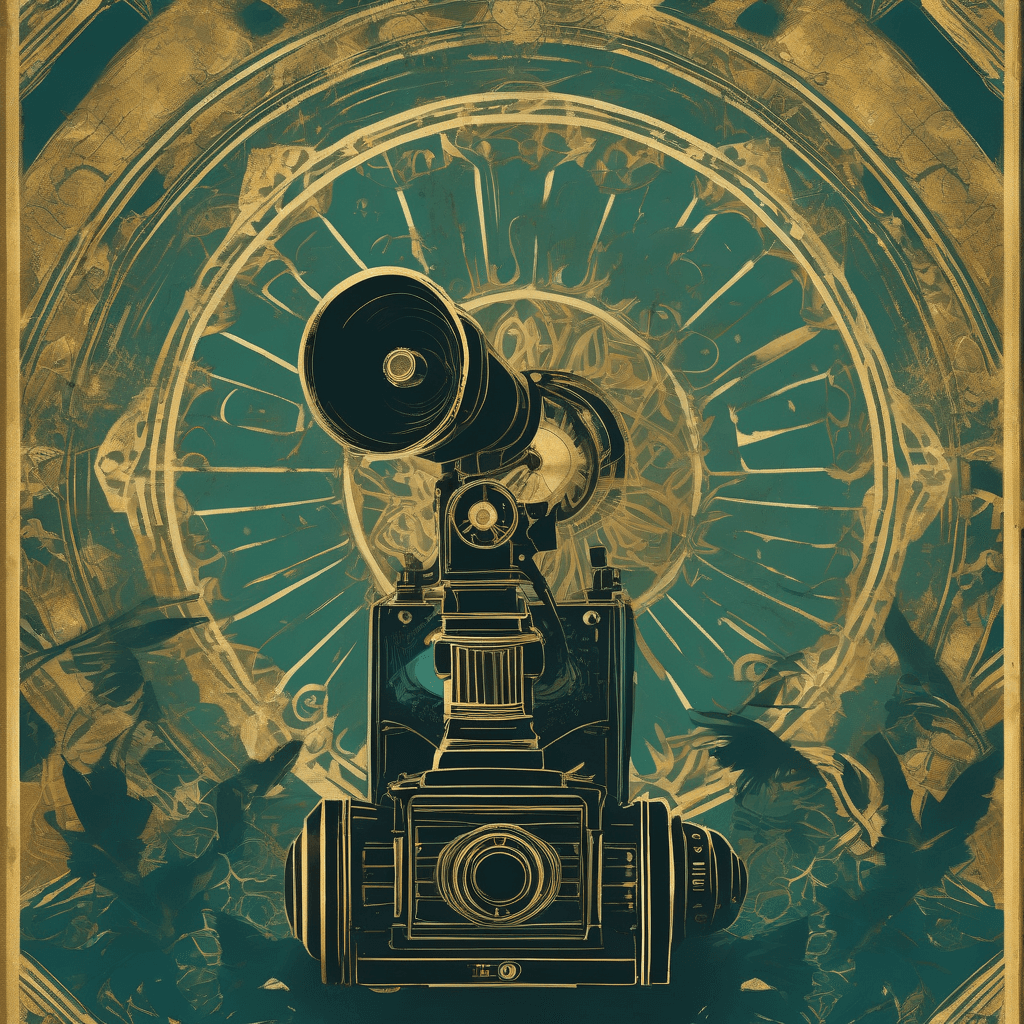
“Journey into the nascent origins of cult cinema through the lens of early 20th-century outliers, where moral ambiguity and genre-bending narratives first took root.”
Long before the term "cult classic" was ever uttered in the smoky, neon-lit corridors of 1970s midnight screenings, the seeds of cinematic deviance were being sown in the nitrate soil of the early 20th century. This was the Midnight Chrysalis—an era where the boundaries of narrative were not yet calcified, and the "fringe" was simply the wild frontier of a new medium. To understand the modern obsession with the strange, the transgressive, and the misunderstood, we must look back at the rogue waves of cinema that dared to challenge the status quo when the medium was still in its infancy.
The Architecture of the Misfit: From Coffee Cake to Social Exile
The cult hero is often defined by their refusal to fit into the polite structures of society. We see this proto-cult energy in The Wooing of Coffee Cake Kate (1914). Kate, a lunchroom operator, is not your typical silent era damsel. She is a woman of business, dealing with troublesome customers and a bizarre romantic proposition from Bud and Kewpie. The film’s logic—that a woman would marry the first man to bring her a ring after they've already tried to woo her for lack of money—hints at the absurdist undercurrents that would later define cult comedies. It is a narrative of transaction and peculiar desire that sits outside the romantic standards of its time.
Similarly, Barriers of Society (1916) gives us Westie Phillips, the son of poor Quaker folk. His rescue of Martha Gorham from a rising tide is not just an act of heroism; it is the beginning of a class-defying obsession. Cult cinema thrives on these inter-class transgressions, where the poor and the simple confront the rigid hierarchies of the elite. These films weren't just stories; they were blueprints for the outsider narrative that would eventually bloom into the counter-culture movements of the later century.
Moral Anarchy and the Supernatural Fringe
The early underground was fascinated by the intersection of the divine and the diabolical. In The Temptations of Satan (1914), we witness a narrative structure that would become a staple of cult horror: the corruption of innocence. Satan, assuming human form to ruin an aspiring opera singer, represents the primal weirdness that early audiences craved. This film, alongside others like Old Brandis' Eyes (1914)—where a young artist is gifted the ability to see into the true, often ugly hearts of others—established a cinematic language of moral skepticism.
This skepticism is further explored in Flesh and Spirit (1916), where a chemist’s atheism and devotion to radium experiments create a conflict between science and soul. This is the genetic material of the "mad scientist" subgenre, a cornerstone of cult film history. The obsession with the alchemical and the forbidden is also reflected in Die Doppelnatur (1910), a German work about a painting that foretells a crime. These films suggest that the world is not as it seems, a core tenet of the cult mindset that seeks hidden truths behind the flickering veil of the screen.
The Surreal and the Absurd: Precursors to the Avant-Garde
Cult cinema is often celebrated for its embrace of the surreal. Look no further than The Evolution of Man (1914), a bizarre adventure where crooks use a "highly trained and uncannily intelligent chimpanzee" to steal jewels. This level of high-concept absurdity is the direct ancestor of the creature features and weird-heist films that dominate the midnight circuit today. It pushes the boundaries of what an audience is expected to believe, demanding a suspension of disbelief that borders on the religious.
Even more surreal is the dream logic found in Captain Kidd's Kids (1919). A wild bachelor party leads to a dream sequence involving a ship seized by a band of female pirates. This playful subversion of gender roles and the use of the dreamscape as a narrative engine are hallmarks of the transgressive imagination. Similarly, Die Insel der Seligen (1913), with its nymphs and gods and their "foul play," represents a rejection of the mundane, offering instead a glimpse into a mythological underworld that feels both ancient and radical.
The Outlaw’s Redemption: Proto-Noir and the Cult of the Criminal
The cult of the "gentleman burglar" or the misunderstood criminal began with characters like Boston Blackie. In Boston Blackie's Little Pal (1918), we see the beginning of the anti-hero archetype. Blackie is a crook, but he is a man of code, a theme that resonates through decades of cult noir. This moral ambiguity is also present in Come Through (1917), where a young man progresses from a Montana mining camp to New York society, living a double life as a dancer and a gentleman burglar. The fascination with the dual identity—the public mask versus the private rebel—is a recurring motif in the cinema of the fringe.
These narratives often intersected with real-world rebellion. The Loyal Rebel (1915) tells the story of the Eureka Stockade, where 12,000 gold miners rose up against the government. This historical defiance is the bedrock of the cult of the underdog. It validates the struggle of the marginalized, turning political history into a cinematic myth that inspires devotion long after the final frame has faded. Whether it’s the miners of Australia or the "enemies of society" in Blandt Samfundets Fjender (1912), early cinema was obsessed with the friction between the individual and the state.
Meta-Narratives and the Re-Imagined West
Perhaps the most sophisticated precursor to the modern cult film is Wild and Woolly (1917). This film is a meta-commentary on the Western genre itself, featuring a town that recreates its "rough and rowdy heyday" to indulge the fantasies of a wealthy newcomer. It is a film about the performative nature of identity and the power of cinematic tropes to reshape reality. This self-awareness—the film looking at itself in the mirror—is a defining characteristic of cult cinema, which often thrives on its own history and the subversion of its own rules.
We see similar genre-bending in A Virgin Paradise (1921), where Pearl White’s character is transplanted from a South Seas island to modern society. It is a clash of cultures that serves as a critique of "civilization," a theme that would later be explored in everything from *Tarzan* to *The Rocky Horror Picture Show*. These films were not afraid to be stylistically jarring, moving from comedy to drama with an ease that frustrated contemporary critics but delighted the burgeoning niche audience.
The Silent Undercurrent: A Legacy of Devotion
As we look back at the nitrate relics of this era, we see a tapestry of human experience that was too strange, too bold, or too specific for the mass market of its day. Films like The Silent Voice (1915), which explores the profound isolation of deafness and the loss of a mother, or The Call of the Soul (1919), which deals with victimization and survival on a marooned island, offered a level of emotional intensity that demanded a deeper level of engagement from the viewer.
This engagement is the essence of cult devotion. It is not just about watching a movie; it is about finding a piece of oneself in the "other." Whether it is the reincarnation-obsessed heroine of Brownie, the Peacemaker (1917) or the street preacher in Livets Stormagter (1916), these characters represent the fractured, the searching, and the rebellious. They are the ghosts in the machine of early cinema, reminding us that the fringe has always been where the most interesting stories are told.
From the bizarre heist of The Evolution of Man to the historical weight of Madame Récamier (1920), the early silent era was a laboratory of the strange. It gave us the Midnight Chrysalis—a protected space where the weird could grow, eventually emerging as the vibrant, defiant world of cult cinema we celebrate today. As we continue to unearth these forgotten reels, we find that the "modern" cult mindset is actually over a century old, rooted in the same desire for the unconventional that drove the pioneers of the silent fringe.
In the end, cult cinema is a testament to the enduring power of the outlier. It is a reminder that even in the dawn of the medium, there were those who looked at the screen and saw not just a story, but a sanctuary for the strange. The Midnight Chrysalis continues to flicker, casting its long, subversive shadow over every film that dares to be different, every director who refuses to compromise, and every audience member who finds their home in the dark.
Community
Comments
Log in to comment.
Loading comments…