
Cult Cinema Deep Dive
The Russet Rebellion: Mapping the Primal Deviance and Genre Mutations of Cinema’s Original Midnight Soul
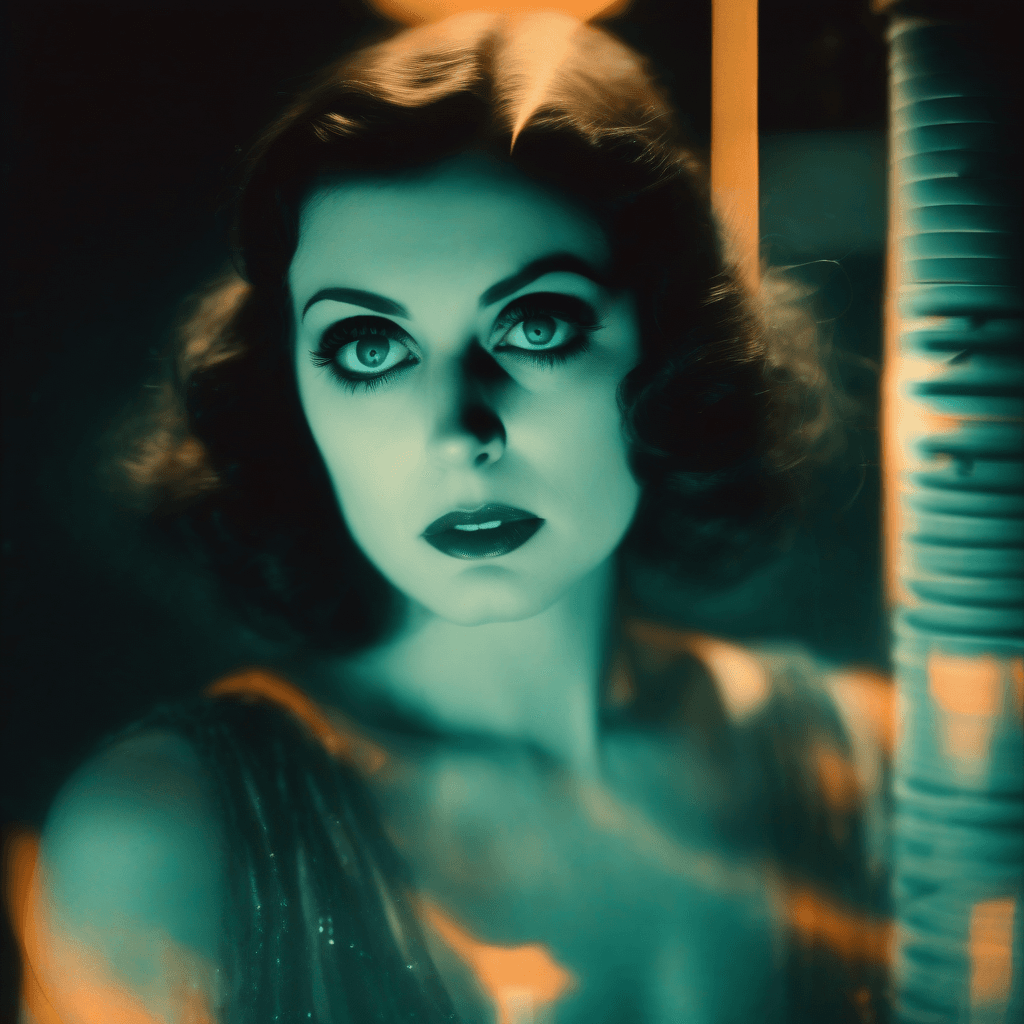
“Explore the transgressive roots of cult cinema through the forgotten masterpieces of the silent era, where moral anomalies and genre-bending rebels first ignited the midnight movie spirit.”
To understand the modern obsession with cult cinema—the kind of fanatical devotion that drives audiences to midnight screenings and obscure digital archives—one must look back beyond the 1970s grindhouse era. The genetic blueprint of the midnight movie was not written in the neon-soaked aisles of the late 20th century, but in the flickering, nitrate-scented shadows of the 1910s and 20s. This was an era of profound experimentation, where the lack of established genre boundaries allowed for a type of visual anarchy that modern filmmakers still struggle to replicate. From the silent rebels of European expressionism to the gritty social dramas of the American fringe, the roots of cult obsession are buried deep in the soil of cinematic deviance.
The Architecture of the Outcast: Defining the Cult Gene
Cult cinema is defined by its relationship with the 'other.' It is a sanctuary for narratives that the mainstream deems too abrasive, too strange, or too morally ambiguous. In the early century, films like Lulu (the story of a circus dancer who lives as a 'thoroughly liberal being') provided a template for the transgressive protagonist. Lulu’s rejection of societal norms and her tragic trajectory through relationships with clowns and noblemen alike mirrored the audience’s own desire for a life outside the rigid structures of the burgeoning middle class. This 'liberal being' archetype is a cornerstone of the cult ethos—a character who exists in a state of perpetual rebellion against the status quo.
Moral Anomalies and the Forbidden Frame
The early cinematic landscape was rife with what we might call 'moral anomalies.' Consider the narrative of At the End of the World, set in the Paper Lantern Café in Shanghai. The protagonist, Cherry O'Day, is instructed to 'play with men to her heart's content' while maintaining a calculated distance. This subversion of the traditional romantic lead—turning the 'ingenue' into a strategic player in a world of vice—is exactly the kind of genre mutation that attracts the cult gaze. It reframes the female experience not as a passive journey toward marriage, but as a survivalist’s gambit in a hostile environment.
Genre Bending: The First Mutations of Cinema
Modern cult classics often defy categorization, blending horror with comedy or sci-fi with noir. This fluidity was a necessity in the early days of film. A work like The Shielding Shadow, with its episodic mystery and atmospheric dread, paved the way for the surrealist serials that would influence everyone from Fritz Lang to David Lynch. Similarly, Sadhu Aur Shaitan showcases an early cross-pollination of crime and comedy, where a bank robbery leads to a desperate flight from the law involving a taxi driver and a case of mistaken identity. These films didn't just tell stories; they built worlds where the rules of reality were as thin as the celluloid they were printed on.
The Subversive Power of the 'Fallen' Narrative
Early cinema often grappled with themes of social disgrace and redemption in ways that felt dangerously close to the edge. The Child Thou Gavest Me and Bought explored the 'scandal' of unwed motherhood and the transactional nature of high-society marriage. In Bought, a rich financier’s daughter must navigate the fallout of a relationship 'not wisely but too well' conducted. These films were the precursors to the 'women in prison' or 'social problem' films of the 60s and 70s, speaking to an audience that found truth in the depiction of societal failure rather than the polished myth of the American Dream.
The Kinetic Rebel: Action and Identity
Action in cult cinema is rarely just about the spectacle; it is about the body as a site of resistance. The Warrior, featuring a soldier of near-superhuman strength, and Captain Starlight, or Gentleman of the Road, emphasize the physical prowess of the outlaw. These characters operate on the fringes of the law, using their strength to right wrongs that the system ignores. This 'superhuman' element, often grounded in the gritty reality of war or survival, creates a sense of mythic resonance that is a hallmark of cult fandom. The cult hero is often a kinetic apostate, someone who breaks the laws of physics and society simultaneously.
Identity and the Masquerade
The theme of the 'double' or the hidden identity is another pillar of the fringe narrative. The Flying Twins uses the trope of twin daughters and an 'undesirable' relationship with a vaudeville acrobat to explore the tension between public reputation and private desire. Likewise, Robinson's Trousseau features a protagonist who lies about being a lightweight champion to win the heart of a girl, only to find himself caught in his own web of deception. These stories of identity mutation resonate with cult audiences who often feel like they are wearing a mask in their own lives, finding solace in characters whose true selves are only revealed through chaos.
The Shadow of History: Subverting the Canon
Cult cinema has always had a fascination with history, but not the history found in textbooks. It is interested in the 'secret' history—the stories of the losers, the executed, and the misunderstood. Anna Boleyn and Nurse Cavell take historical figures and reframe their lives through a lens of tragic defiance. Anna Boleyn, specifically, focuses on the political and religious turmoil born from a single marriage, turning a historical fact into a psychological drama of obsession and power. By focusing on the 'ill-fated,' these films invite the audience to empathize with the martyr, a central figure in the cult pantheon.
The Exotic and the Ethereal
The allure of the 'elsewhere' is a powerful drug in the cult world. Under Two Flags (1922) takes us to the Algiers desert with the French Foreign Legion, while Marie, Queen of Rumania offers a glimpse into royal European life. These films provide an escape into worlds that feel both ancient and alien. The 'cult of the exotic' often relies on this sense of ethereal displacement, where the setting is as much a character as the actors themselves. Whether it's the slums in Sunshine Nan or the northwestern wilderness in Paid in Advance, the environment dictates the moral weight of the story.
Visual Anarchy and the Silent Scream
Without the crutch of dialogue, early silent films had to rely on a primal visual language. This led to a heightened sense of melodrama and expressionism that defines the cult aesthetic. In Le carnaval des vérités, the symbolism of truth and falsehood is played out through a countess’s attempt at blackmail. The visual metaphor of the 'carnival'—a place where everyone wears a mask—is a recurring motif in cult cinema, from Fellini to Lynch. It suggests that reality is a performance, and only the 'misfits' know the script is fake.
The Comedy of the Grotesque
Cult cinema is also the home of the 'weird' comedy. Cured, featuring a monkey nurse/cook/bookkeeper named Rosie, and A He-Male Vamp, which subverts the 'vamp' archetype by applying it to a male protagonist, show an early penchant for the absurd. This willingness to embrace the grotesque and the silly is what separates the cult devotee from the casual viewer. The cult fan doesn't just tolerate the weirdness; they demand it. They find a unique truth in the sight of a monkey running an animal hospital that a million-dollar blockbuster could never convey.
The Perpetual Midnight: Why the Fringe Still Matters
Why do we continue to dig through these archives? Why does a film like Die Minderjährige or The Unapproachable Woman still hold power? It is because they represent a time before the 'algorithm' decided what we should watch. These were films made by nitrate heretics—people who were figuring out the language of cinema as they went along. They were not afraid of being 'too much.' They were not afraid of the scandal, the weirdness, or the tragic ending.
The legacy of the Russet Rebellion is found in every indie filmmaker who chooses a grainier film stock, every artist who writes a 'difficult' female lead like the one in The Sentimental Lady, and every collective that gathers in a dark basement to watch a film that 'shouldn't exist.' We are the descendants of the audiences who first gasped at The Sign on the Door or cheered for the ex-convict in Dice of Destiny. We are the guardians of the flickering flame, the keepers of the midnight soul.
Conclusion: The Unending Reel
In the end, cult cinema is a testament to the enduring power of the outsider. From the A Daughter of the Poor struggling with socialist ideals to the Passionate Friends caught in a lethal romance, these stories remind us that the human experience is messy, contradictory, and often beautifully strange. As we navigate the digital landscape of the 21st century, let us not forget the primal deviants of the silent era. They were the first to walk into the dark, and they are still there, waiting for us to join them at the next midnight screening.
Community
Comments
Log in to comment.
Loading comments…