
Cult Cinema
The Midnight Echoes: Unearthing the Enduring Allure of Cult Cinema's Rebel Heartbeat

“Dive into the enigmatic world of cult cinema, exploring how forgotten gems and transgressive visions from film history have forged enduring fandoms and reshaped cinematic appreciation for generations.”
In the vast, glittering tapestry of film history, certain threads shine brighter not because they were meticulously woven into the mainstream, but precisely because they dared to fray at the edges. These are the films that defy easy categorization, reject conventional wisdom, and often, in their initial release, languished in obscurity. Yet, with time, they find their fervent congregations, their dedicated scholars, and their midnight rituals. This, in essence, is the cult cinema phenomenon: a testament to the enduring power of the unconventional, the subversive, and the profoundly unique. It's a journey from the fringe to a cherished pantheon, where cinematic outcasts become beloved icons, and forgotten reels ignite lifelong obsessions.

The Genesis of Transgression: Early Cinema's Maverick Spirit
The roots of cult cinema stretch back to the very dawn of the moving image, long before the term 'cult film' even entered our lexicon. From the earliest days, filmmakers, whether by intent or accident, produced works that challenged societal norms, experimented with narrative structure, or simply presented visions too idiosyncratic for the mass market. Consider the raw, untamed spirit of early melodramas and adventures, where themes of rebellion, escape, and moral ambiguity frequently surfaced. Films depicting escapes from Siberian exile, like Escaped from Siberia or A Fight for Freedom; or, Exiled to Siberia, resonated with audiences who felt the weight of societal constraints, offering vicarious thrills of defiance against oppressive systems. These narratives, often bordering on the sensational, tapped into a primal human desire for freedom and justice, even if presented through heightened, sometimes crude, cinematic language.
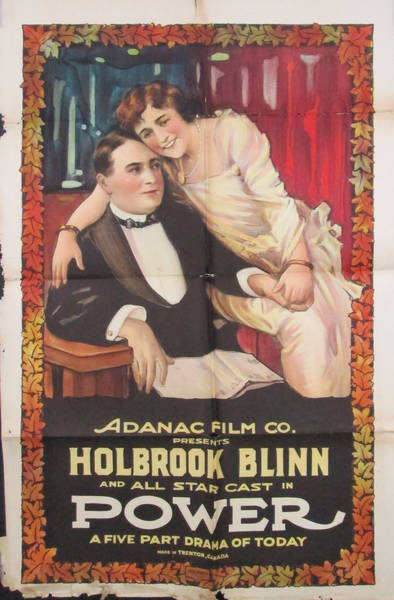
The notion of the 'outcast' or 'rebel' is central to this early genesis. Characters who lived outside the law, like the dashing bandit in Diamond Carlisle, or those who navigated the perilous underworlds of gambling and crime, as seen in Pay Me! and The Half Million Bribe, offered a dark mirror to respectable society. These films, often dismissed by critics of their time, held a strange magnetism. They explored the shadows of human nature, the allure of transgression, and the often-grim consequences, providing a cathartic release for audiences who might have felt stifled by the rigid moral codes of the era. The very act of watching such 'forbidden' stories created a nascent sense of shared experience, a proto-fandom around narratives that dared to be different.
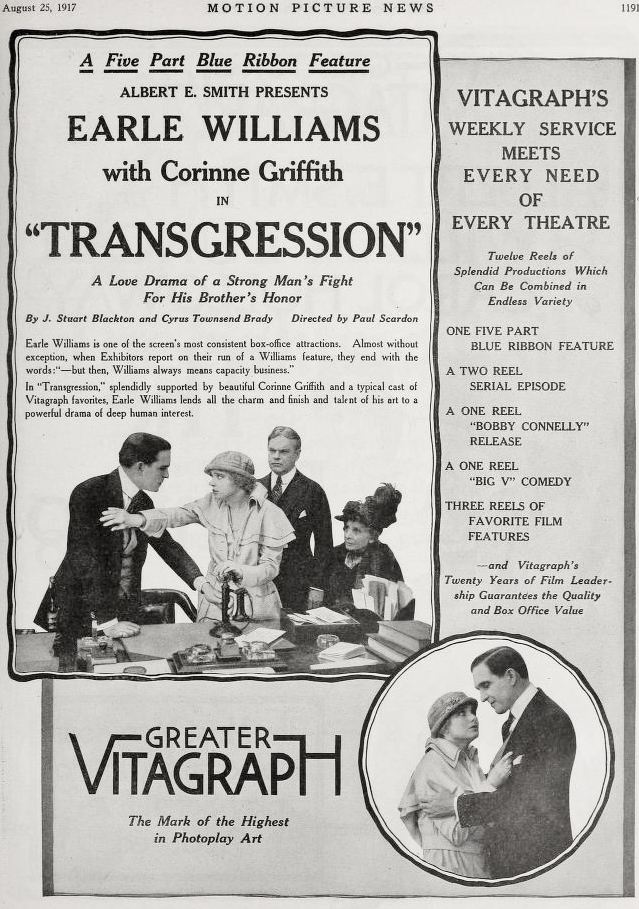
Even films focused on personal drama or social issues could, by virtue of their unflinching gaze or controversial subject matter, lay the groundwork for a cult following. The explicit portrayal of social ills, such as in Prostitution or The Blindness of Divorce, pushed boundaries and sparked conversation. These weren't always comfortable films, but their willingness to tackle taboo subjects ensured they stood apart, demanding a certain level of engagement and reflection from their viewers. This early willingness to engage with the 'uncomfortable' or the 'unconventional' is a hallmark of what would later become the cult film canon.

The Art of the Unconventional: Aesthetics, Narrative, and Taboo
What often elevates a film to cult status is its distinctive aesthetic or its audacious narrative choices. These are films that don't play by the rules, whether through their visual style, their storytelling approach, or their willingness to delve into themes considered provocative or strange. For instance, the gothic romanticism of Stella Maris, with its dual protagonists and exploration of social divides, presented a melodrama with an edge, its emotional intensity and moral complexities setting it apart from more straightforward romances. Similarly, the dramatic intensity of films like Love Aflame or the historical spectacle of The Last Days of Pompeii, while perhaps mainstream for their era, might have contained visual flourishes or thematic undertones that resonated deeply with a specific segment of the audience, fostering a unique appreciation.

Cult films often thrive on a sense of narrative anarchy, where plot conventions are twisted, subverted, or ignored altogether. Stories like The Key to Yesterday, involving mistaken identities and revolutionary intrigue, or The Black Panther's Cub, with its tale of impersonation in a Parisian gambling house, offer intricate, often convoluted plots that demand active viewer participation. This complexity, rather than deterring audiences, can become part of the appeal, encouraging multiple viewings to unravel every layer. The films don't spoon-feed their narratives; they challenge their viewers to engage, interpret, and connect the dots.

Furthermore, the exploration of taboo subjects is a cornerstone of cult cinema. Beyond explicit social commentaries, many films delve into the darker aspects of human psychology, morality, and desire. The femme fatale archetype, embodied in a film like Colomba, or the scandalous lives depicted in Painted Lips, offered glimpses into worlds considered illicit or morally questionable by polite society. These portrayals, often sensationalized, provided a forbidden thrill, a vicarious experience of the transgressive that mainstream cinema typically shied away from. This daring approach, while perhaps shocking to some, was precisely what endeared them to others, creating a loyal following of those drawn to cinema that pushed boundaries.

The Power of the Unseen and the Overlooked
Many films that later gain cult status were initially overlooked or misunderstood. They might have been critical failures, box office bombs, or simply too ahead of their time. Their narratives or visual styles didn't fit neatly into existing genres, or their messages were too nuanced for a broad audience. This initial rejection, however, often becomes a crucial part of their legend. The journey of rediscovery, often through word-of-mouth, academic re-evaluation, or dedicated fan communities, transforms these cinematic orphans into cherished artifacts. The sense of being 'in on the secret' is a powerful bonding agent for cult audiences.

Consider the sheer variety of early films that, while not explicitly 'cult' in their time, contained elements that would resonate with later generations of fans. From the adventure of King Solomon's Mines to the intricate character studies in The Scoffer, these films often possessed a unique flavour, a distinct voice, or a memorable peculiarity that allowed them to transcend their initial reception. Whether it was a bizarre plot twist, an unforgettable character, or simply an atmosphere that lingered long after the credits rolled, these singular qualities laid the foundation for their eventual resurrection as objects of obsessive fandom.

Forging Fandoms: Community, Re-discovery, and Enduring Appeal
The true measure of a cult film lies not just in its intrinsic qualities, but in the community it fosters. Cult cinema is inherently communal. It's about shared experience, deciphering hidden meanings, and celebrating the quirks that others might dismiss. The 'midnight movie' phenomenon, which truly blossomed in the 1970s but has spiritual ancestors in the earliest days of cinema, exemplifies this. Audiences would gather in late-night screenings, often dressed in costume, reciting lines, and actively participating in the cinematic event. This ritualistic viewing transforms passive spectatorship into an active, almost spiritual, communion.
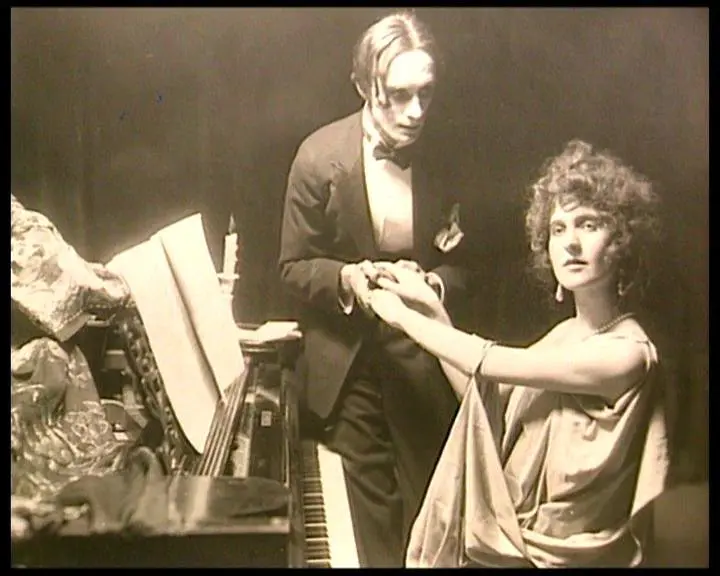
The process of re-discovery is vital to cult cinema's enduring appeal. A film might be dismissed upon release, only to be unearthed decades later by a new generation of cinephiles who see its genius, its subversive power, or its sheer entertainment value. This often happens with films that were simply 'too much' for their contemporary audiences. The passage of time allows for a different lens, a broader understanding of cinematic language, and a greater appreciation for experimental or boundary-pushing narratives. What was once seen as amateurish or bizarre can be re-evaluated as visionary or avant-garde. The internet and home video have only accelerated this process, allowing niche films to find their global tribes.
The films that inspire this devotion often possess a certain indefinable magic. They might be flawed, even objectively 'bad' by conventional standards, but they resonate on a deeper, more personal level. They speak to the viewer's subconscious, offering a sense of belonging or understanding that mainstream fare often cannot. The enduring discussions around films like The Great Lover or Mayblossom, even if from a century ago, highlight how powerful narratives of love, betrayal, and human ambition can transcend time, finding new audiences who connect with their raw emotional core. The melodrama, often derided, can be a potent vehicle for these deep, resonant themes.
The Cult of Personality: Actors and Auteurs
Sometimes, a cult forms not just around a film, but around the personalities involved – an actor, a director, or even a particular style of filmmaking. Certain performers, through their unique screen presence or their willingness to take on unconventional roles, become inextricably linked with the cult aesthetic. Similarly, directors who consistently push boundaries, develop a distinctive visual language, or explore similar thematic territory across their filmography often cultivate a dedicated following. Their 'signature' becomes a beacon for those seeking something beyond the ordinary, creating a loyalty that extends across their body of work.
Even early cinema, with its nascent star system, saw actors and actresses develop personas that could attract a devoted following. The 'studio girl' in The Studio Girl, embodying a daring young country girl, or the 'clever Mrs. Carfax' in The Clever Mrs. Carfax, a newspaper publisher engaging in female impersonation, presented characters who were memorable and distinct, fostering a connection with audiences that went beyond the immediate narrative. These early instances of strong, unconventional characterization paved the way for the charismatic anti-heroes and singular visionaries who would define later cult classics.
A Mirror to Society's Margins: Reflecting the Unseen
Cult cinema often serves as a cultural barometer, reflecting anxieties, desires, and subcultures that mainstream media either ignores or sanitizes. These films provide a voice to the voiceless, a stage for the marginalized, and a mirror for those who feel outside the conventional societal structure. They celebrate otherness, often inadvertently, by presenting characters and situations that deviate from the norm. Whether it's the exploration of alternative lifestyles, the questioning of authority, or the depiction of societal fringes, cult films often resonate most deeply with audiences who themselves feel like outsiders.
The dramatic arcs in films like Milestones, which explores societal and technological changes over generations, or All Man, about a playboy seeking to prove himself, touch on themes of identity, societal expectation, and personal transformation. These narratives, while perhaps appearing straightforward, can contain nuances that speak to specific groups, offering a sense of validation or understanding. The struggles of characters to define themselves against a backdrop of changing worlds or personal challenges are universally relatable, yet in cult films, these struggles are often amplified, stylized, or presented through a unique, often dark, lens.
Even what might seem like simple comedies, such as Boys Will Be Boys or The Jazz Hounds, can possess a cult sensibility. Their humor might be off-kilter, their characters exaggerated, or their portrayal of a specific subculture so vivid that it creates a strong, dedicated following. The sheer joy of watching something truly unique, something that doesn't conform to typical comedic formulas, is a powerful draw. These films often offer a sense of escapism into eccentricity, a welcome respite from the mundane and predictable.
The Timeless Resonance of the Cult Classic
Ultimately, the enduring power of cult cinema lies in its ability to transcend its initial context and connect with successive generations. It's not just about nostalgia; it's about a fundamental human need to find meaning, connection, and excitement in stories that dare to be different. These films, from the silent era's forgotten gems to modern indie oddities, form a vibrant, ever-expanding canon that celebrates cinematic rebellion and artistic freedom.
The journey of a cult film is often one of perseverance – a testament to the belief that true art, no matter how unconventional or initially unappreciated, will eventually find its audience. It's a reminder that critical consensus or box office success are not the sole arbiters of cinematic worth. Instead, the whispers in the dark, the shared passion among a dedicated few, and the enduring resonance of a truly unique vision are what truly define a cult classic. So, the next time you stumble upon a forgotten film, a peculiar narrative, or a cinematic oddity, remember: you might just be standing at the altar of a future cult classic, ready to join the midnight congregation.
From the dramatic intensity of Love's Toll to the adventurous spirit of Pay Dirt, and the intriguing mysteries of The Flash of an Emerald, these films, and countless others like them, represent the diverse and often chaotic landscape from which cult cinema emerged. They are the cinematic outliers, the misunderstood masterpieces, and the beloved oddities that collectively form the rich, rebellious heartbeat of film history. Their legacy is not just in their individual stories, but in the collective narrative of how cinema can challenge, inspire, and unite us in our shared appreciation for the wonderfully strange.
Community
Comments
Log in to comment.
Loading comments…