
Cult Cinema
The Midnight Metamorphosis: Unearthing the Primal Transgressions and Genre Mutations of the Early Century's Cinematic Outcasts
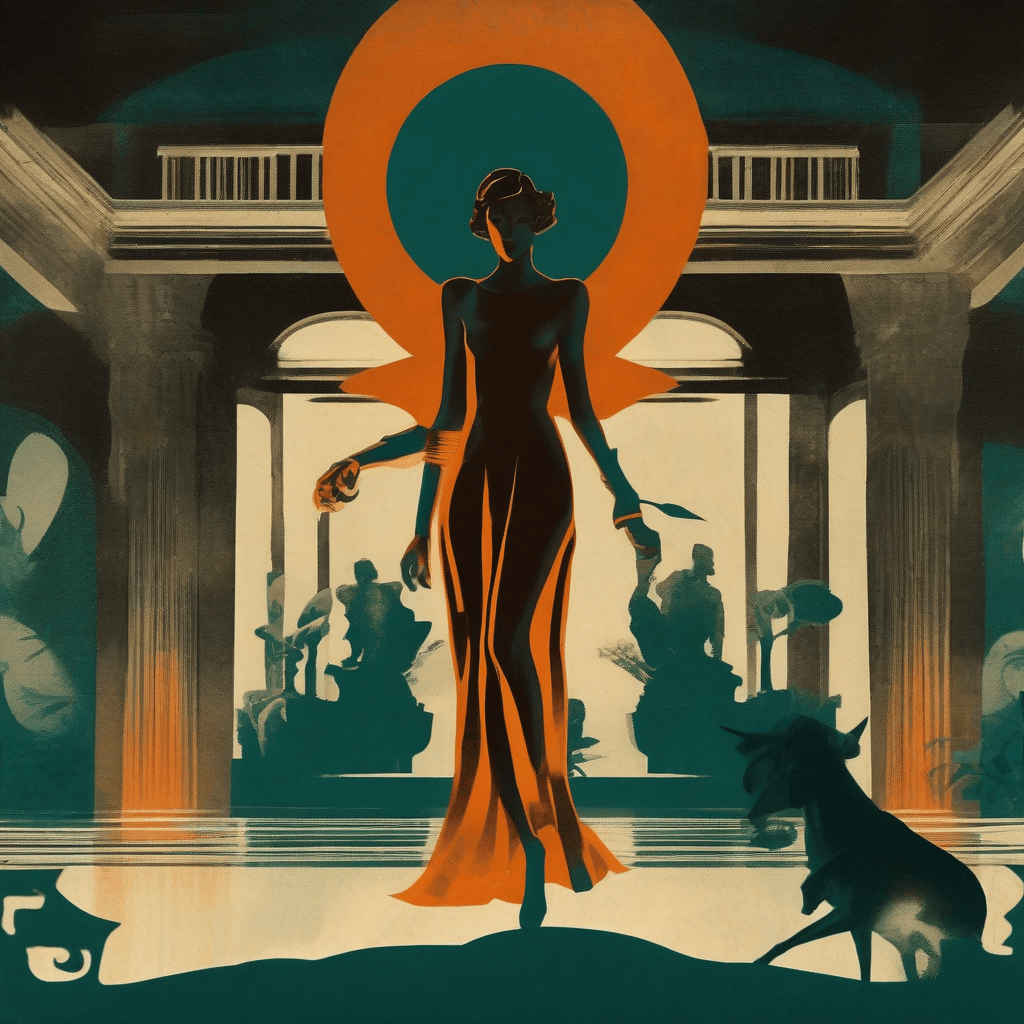
“A deep dive into how the silent era’s most bizarre and transgressive films laid the genetic foundation for modern cult cinema and midnight movie devotion.”
To understand the modern obsession with cult cinema—that specific, feverish devotion to the strange, the transgressive, and the misunderstood—one must look beyond the neon-soaked midnight screenings of the 1970s. Long before the Rocky Horror Picture Show or the grime of 42nd Street, a darker, more primitive flicker was already haunting the screens of the early 20th century. This was the era of the Midnight Metamorphosis, a period where the boundaries of genre were not yet set in stone, and the cinematic medium was a lawless frontier of experimental morality and visual anarchy.
The Genesis of the Weird: Identity and Mysticism
At the heart of any cult film lies a rejection of the status quo. In the early silent era, this often manifested as an exploration of the supernatural and the shifting nature of the human soul. Consider the 1916 production of Avatar. Based on Théophile Gautier’s novel, it delved into the tragic, metaphysical love of Ottavio de Saville. This wasn't merely a romance; it was a precursor to the soul-swapping and identity-bending tropes that would later define high-concept cult sci-fi. By exploring the internal landscape of a man madly in love with the faithful Madame Prascovie Labinska, the film invited audiences to step outside the mundane and into a realm of obsessive, spiritual longing.
This fascination with the 'other' reached a surreal peak in The Centaurs. This early animation featured a female centaur picking flowers, only to be met by a male counterpart in a clearing. In an era of rigid social codes, the depiction of half-human, half-beast entities romancing one another was a radical departure from reality. It tapped into a primal, mythological weirdness that remains a cornerstone of the cult aesthetic: the celebration of the anomalous and the beautiful-bizarre.
The Femme Fatale and the Supernatural Allure
The cult of the 'vampire'—not just the blood-drinker, but the social predator—found its footing in films like Vampire (1920). Here, a female motorist brought to an Adirondacks resort becomes a source of bewitching terror for the male patrons. This narrative of the dangerous, magnetic outsider who disrupts the social order is a primal archetype. It mirrors the way modern cult audiences gravitate toward characters who are 'too much' for polite society to handle. Similarly, the ritualistic beauty of The Lotus Dancer, with its white-clad virgins and solemn priests, established a visual language of the 'sacred strange' that would eventually evolve into the folk-horror subgenre.
Genre Mutations: From Social Outcasts to Proto-Sci-Fi
Cult cinema thrives in the cracks between established genres. In the 1910s, filmmakers were already blending elements of crime, comedy, and social commentary in ways that felt dangerously unpredictable. The Witch Woman (1918) tells the story of Marie Beaupre, a shepherdess cast out of her village after a fleeting love affair. Her survival on the fringes of society is a classic cult narrative: the resilience of the outcast. This theme of moral defiance is echoed in Going Straight, where a couple with a criminal past must confront their former gang to protect their new, respectable life. These films explored the 'grey area' of morality long before the anti-heroes of the 1970s became mainstream icons.
Technological Anxiety and the Future-Past
Perhaps the most fascinating aspect of early cult-adjacent cinema is its prediction of future anxieties. The Flying Torpedo (1916) set its story in the 'future' of 1921, imagining an alliance of foreign countries attacking a defenseless United States. This proto-techno-thriller, involving a million-dollar reward for a defensive weapon, captures the same paranoid energy found in later cult classics like Blade Runner or The Terminator. It shows that the 'midnight movie' mindset—one obsessed with societal collapse and technological overreach—was already present in the minds of silent-era visionaries.
Even the seemingly mundane The Grey Parasol used a hidden formula for 'Coalex'—an inexpensive fuel substitute—as a MacGuffin for a story involving thugs and secret rescues. These narratives focused on hidden knowledge and secret inventions, appealing to the 'conspiratorial' curiosity that often drives niche film fandom. The idea that there is a secret world beneath the surface of the everyday is a recurring motif that binds these early works to the modern cult canon.
The Absurdist Roots of the Cult Comedy
While many associate cult films with horror or sci-fi, the roots of the 'weird' are deeply embedded in the absurdist comedies of the silent era. Stuffed Lions (1921) features a protagonist working for a taxidermist who uses stuffed animals to smuggle illicit liquor. This level of bizarre, situational irony is the direct ancestor of the 'midnight comedy'—films that are funny not because of a punchline, but because of their sheer, committed commitment to a ridiculous premise.
Similarly, Rowdy Ann (1919) subverted gender norms with its 'tough cowgirl' protagonist who beats up her suitors. Her parents send her to college to become a 'lady,' but the cult appeal lies in her refusal to be tamed. Ann is a proto-feminist icon of the fringe, a character who operates with a level of agency and physical prowess that was rare for the time. This subversion of expectation is exactly what a cult audience looks for: the moment the screen reflects a reality that the mainstream refuses to acknowledge.
The Performance of Identity
The theme of 'swapping lives' or performance also plays a major role in early cult fascination. The Beggar Prince (1920) used the lookalike trope to explore the divide between the humble and the egotistical. By having a fisherman and a prince swap lives, the film interrogated the arbitrary nature of power and social standing. This 'masking' of identity is a central pillar of cult cinema, from the drag performances of Pink Flamingos to the identity-erasure of The Holy Mountain. The early century's obsession with the 'double'—seen again in Are You a Mason?, where a man hides his drunken nights behind a false identity—highlights a fundamental human desire to be someone else, a desire that cinema uniquely fulfills.
Conclusion: The Eternal Devotion to the Outcast Reel
The 50 films referenced in this exploration—from the rural struggles of Tess of the Storm Country to the exotic rituals of Bajadser—represent a lost continent of cinematic history. They are the 'outcast reels' that refused to follow the burgeoning rules of Hollywood's Golden Age. Whether it was the exploration of secret marriages in Colonel Carter of Cartersville or the search for a husband in The Man Hunt, these films prioritized the specific, the local, and the strange over the universal and the safe.
Modern cult cinema is not a new invention; it is a revival. It is a return to the Primal Transgressions of the 1910s and 20s. When we watch a 'midnight movie' today, we are participating in a ritual that began over a century ago. We are seeking the same 'breath of a nation'—to borrow a title from the 1919 temperance satire—that breathes life into the unconventional. We are looking for the Lure of the Bush, the mystery of the Velvet Hand, and the anarchy of the Rent Collector. These films are the genetic blueprint of our obsession, the silent shadows that continue to dictate the terms of our cinematic devotion.
In the end, the cult film is a mirror for the misfit. It is a space where the Lone Hand Wilsons and the Rowdy Anns of the world can find a home. As we continue to unearth these forgotten gems, we realize that the 'fringe' was never truly on the edge—it was always the heart of the medium, beating with a strange, irregular, and utterly transfixing rhythm.
Community
Comments
Log in to comment.
Loading comments…