
Cult Cinema Deep Dive
The Azure Apostate: Unearthing the Primal Deviance and Genre Mutations of the Early Century’s Original Midnight Misfits
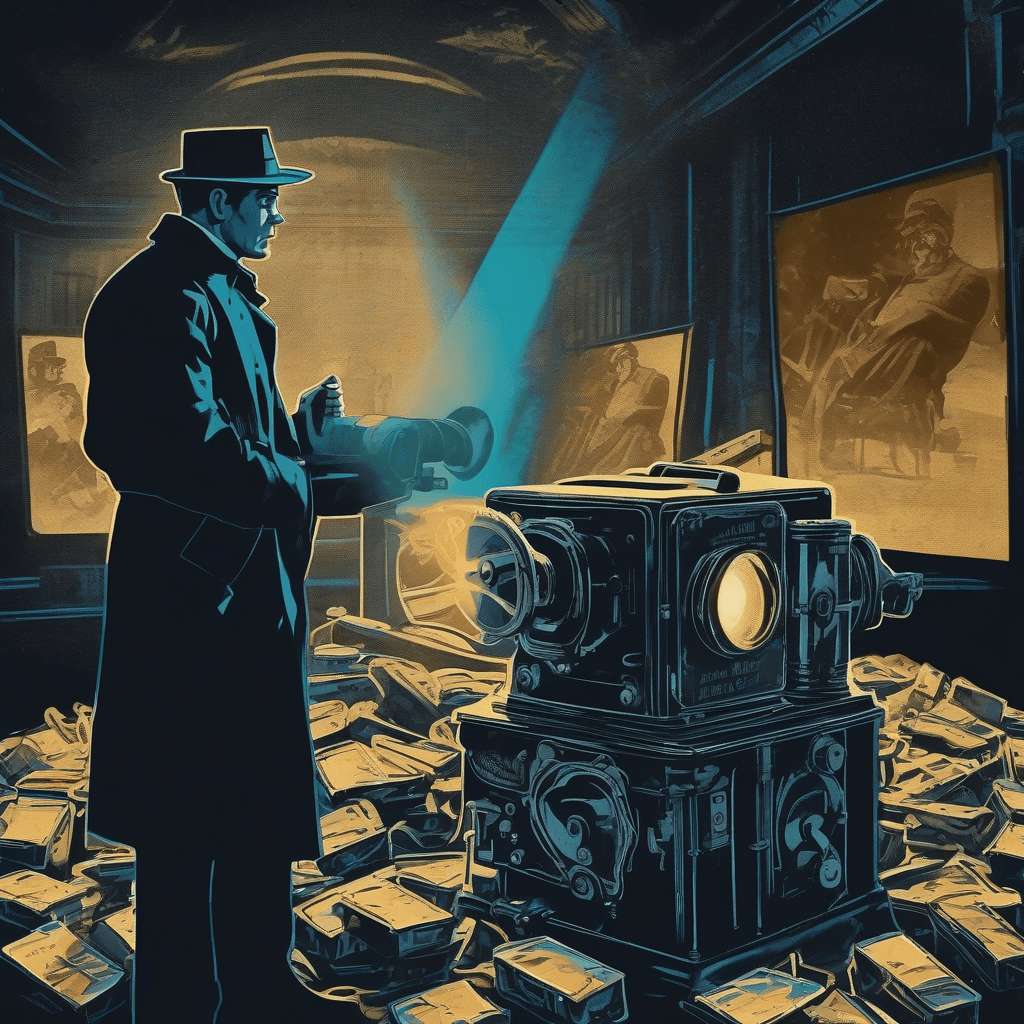
“A deep dive into how the transgressive themes and formal experimentation of 1910s and 1920s silent cinema forged the genetic blueprint for modern cult obsession.”
The history of cult cinema is often told as a mid-century revolution—a product of the 1970s midnight movie circuit or the transgressive underground of the 1960s. However, the true genetic blueprint of the cinematic outlier was drafted much earlier, in the flickering shadows of the 1910s and early 1920s. Long before the term "cult film" entered the lexicon, a wave of maverick narratives and genre-defying experiments were already challenging the moral and aesthetic boundaries of the burgeoning medium. These films, often relegated to the fringes of history, represent what we might call the "Azure Apostate": a collection of rogue works that refused to conform to the emerging Hollywood industrial complex, instead opting for a primal deviance that still resonates with the modern midnight psyche.
The Architecture of the Outlaw: From Bushrangers to Sheriffs
One of the primary pillars of cult cinema is the glorification of the transgressive hero, the individual who exists outside the law. This archetype was perfected in the early silent era with films like Robbery Under Arms (1907 and its 1920 remake). By chronicling the exploits of Captain Starlight and the Marsden brothers, these films tapped into a primal fascination with the bushranger—a figure of rebellion and doomed romanticism. This is the same spirit that would later fuel the biker films of the 60s and the neo-noir anti-heroes of the 90s. The cult appeal lies in the tension between societal order and the chaotic freedom of the frontier, a theme mirrored in A Law Unto Himself, where the striking resemblance between a sheriff and a surveyor creates a dualistic narrative of identity and moral ambiguity.
The Virile Maverick and the Western Mythos
While the outlaw represents the shadow, the "virile" hero of Whispering Smith represents the cult of the rugged individualist. These early Westerns weren't just simple morality plays; they were blueprints for the lone-wolf archetype that dominates niche cinema. Whether it is the tenderfoot in Hurry West or the authorized recorder of deeds in The White Rider, these films established a visual language of isolation and grit. The fascination with the "tenderfoot"—the outsider entering a hostile environment—is a recurring motif in cult cinema, from the horror protagonist entering a haunted house to the urban explorer discovering a subculture.
Social Deviance and the Slum Aesthetic
Cult cinema has always had an obsession with the underside of society, and the 1910s were no different. Films like The Little Liar (1916) provided a startlingly modern look at the psychological coping mechanisms of the impoverished. By portraying Maggie as a compulsive liar trying to escape the bleak reality of the slums, the film prefigures the psychological surrealism that would later define the works of David Lynch or Maya Deren. It is a cinema of the marginalized, one that finds beauty and narrative complexity in the "dreadful surroundings" of Nancy from Nowhere.
The Class Struggle and the Post-War Psyche
The post-World War I era birthed a specific type of social insurrection on screen. A Friend of the People captured the "social storm" of the era, dividing brothers along class lines and ideological fractures. Similarly, The Other Half explored the erasure of class distinctions in the trenches of war. These films were not merely entertainment; they were political manifestos disguised as drama, appealing to the same niche audiences that would later champion the radical cinema of the 1960s. The cult film is often a vessel for the "other," and these early works were the first to give voice to the disenfranchised and the disillusioned.
Technical Alchemies and the Weird Aesthetic
Beyond narrative, the formal experimentation of the early silent era is where the visual DNA of cult cinema truly resides. Consider Kodachrome Two-Color Test Shots No. III. While ostensibly a technical document, its ethereal, unnatural color palette creates a dreamlike quality that is inherently "weird." This accidental surrealism is a hallmark of cult appreciation—finding meaning and beauty in the technological glitch or the experimental fringe. The silent era was a laboratory, and films like Occultism delved into the supernatural and the forbidden, tapping into the same dark curiosities that drive the modern horror and fantasy fandoms.
The Gothic and the Grotesque
The adaptation of Les Misérables (1917) and the Danish adaptation of Great Expectations (Store forventninger) highlighted the era's fascination with the grotesque and the tragic. These are stories of fugitives, orphans, and the "implacable arm of the law." The cult sensibility often gravitates toward these high-stakes, emotionally heightened narratives where characters like Jean Valjean become sacred outcasts. The visual language of these films—heavy shadows, expressive acting, and atmospheric sets—laid the groundwork for the German Expressionist movement, which remains the quintessential "cult" aesthetic.
The Star as Cult Object: The Chaplin Phenomenon
One cannot discuss cult cinema without discussing the cult of personality. The Essanay-Chaplin Revue of 1916 is a fascinating early example of how a star can become a genre unto themselves. By compiling shorts like The Tramp and A Night Out, the industry was already catering to a fanatical audience that demanded more of their chosen icon. Chaplin’s Tramp is the original cinematic deviant—a man who rejects the norms of society, who finds humor in the gutter, and who remains eternally outside the system. This devotion to a specific performer, regardless of the quality of the individual film, is a defining trait of the cult mindset.
Transnational Deviance: The European Fringe
While Hollywood was solidifying its tropes, the European underground was producing works of startling intensity. Carmen of the North reimagined the classic tragedy as a gritty detective story involving a murdered prostitute, blending noir elements with romantic fatalism. Danish films like Balleteusens hævn and Prinsens Kærlighed explored themes of revenge and forbidden love with a frankness that often eluded American censors. These international "misfits" provided a template for the global cult exchange, where films from one culture are rediscovered and fetishized by another for their perceived exoticism or transgressive nature.
The Exotic and the Forbidden
The fascination with the "other" extended to documentary and travelogue films like Kaieteur, the Perfect Cataract and the Persian-set drama The Gift Girl. These films offered a window into worlds that were, for the 1910s audience, utterly alien. In the context of cult cinema, this translates to the quest for the obscure—the drive to see something that no one else has seen, to witness the "perfect cataract" in a remote jungle or the "hidden fires" of a Parisian runaway. The cult fan is, at heart, an explorer of the cinematic unknown.
Genre Mutations: The Birth of the Hybrid
Cult films often thrive in the spaces between genres, and the early silent era was rife with narrative mutations. The Country Cousin mixed rural melodrama with urban social satire, while An Oil-Can Romeo blended small-town comedy with slapstick. Even the war films of the era, such as Over the Top, often incorporated elements of romance and recuperation drama that felt distinct from the standard propaganda of the time. These hybrids—films that refuse to be easily categorized—are the lifeblood of the midnight movie tradition, which celebrates the weird, the messy, and the unclassifiable.
The Legacy of the Forgotten
Many of these films, from Monika Vogelsang to The Opened Shutters, were once considered mainstream entertainment but have now become lost relics. Their rediscovery by film historians and cinephiles is a cult act in itself. The process of unearthing a film like The Deserter or Inherited Passions is akin to a religious experience for the devoted disciple of the fringe. We look back at the The Mother Who Paid or The Blindness of Virtue and see not just old movies, but the sparks of a rebellion that would eventually ignite the entire landscape of independent and niche cinema.
Conclusion: The Eternal Return of the Misfit
The "Azure Apostate" is not just a collection of old films; it is a perpetual state of mind. The same impulses that drove the creators of Robbery Under Arms and Occultism—the desire to shock, to explore the forbidden, and to celebrate the outsider—are the same impulses that drive cult cinema today. By understanding the genetic rebellion of the 1910s, we gain a deeper appreciation for the enduring power of the cinematic fringe. These early century misfits were the original architects of the midnight soul, and their flickering legacies continue to transfix, subvert, and inspire the devoted few who dare to look beyond the marquee.
Community
Comments
Log in to comment.
Loading comments…