
Cult Cinema
The Midnight Monolith: Decoding the Primal Weirdness and Transgressive Rhythms of Early Cinema’s Forgotten Outliers
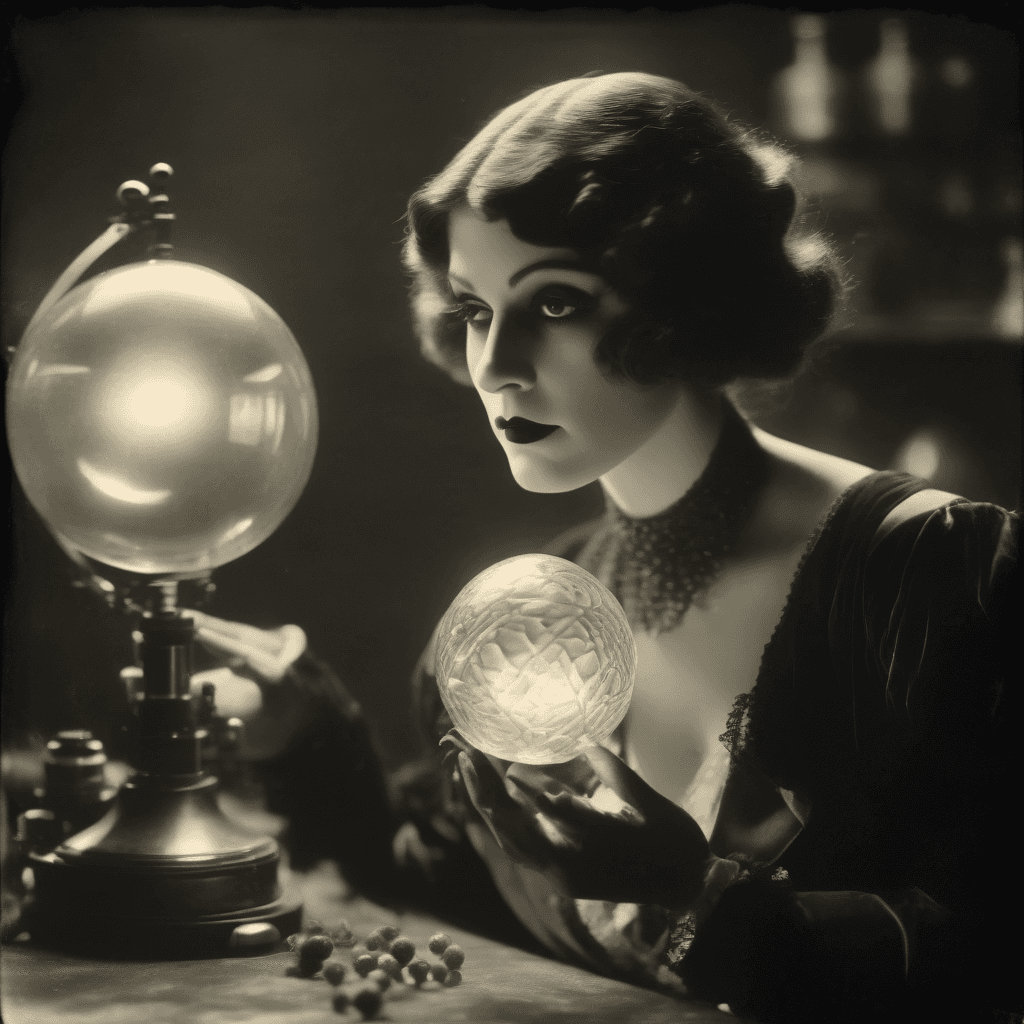
“Journey back to the 1910s to discover how the silent era's most bizarre and rebellious films laid the genetic groundwork for modern cult cinema and the midnight movie mindset.”
The concept of cult cinema is often inextricably linked to the neon-soaked midnight screenings of the 1970s or the transgressive video nasties of the 1980s. However, the true genetic code of the cinematic outlier was written much earlier, in the flickering nitrate shadows of the silent era. Between 1914 and 1920, a period of immense industrial flux, there existed a rogue wave of films that defied the burgeoning Hollywood hegemony. These were the primordial cult classics: films that explored scientific hubris, gender-bending anarchy, and moral ambiguities that would make today’s provocateurs blush. To understand the modern cult mindset, one must look at the forgotten relics like The Invisible Ray or Satana, which provided the blueprint for the weird, the wild, and the wonderful.
The Sci-Fi Genesis and the Death Ray Archetype
Before the atomic age birthed the B-movie boom, the silent era was already experimenting with the terrifying implications of scientific advancement. A cornerstone of this early genre defiance is The Invisible Ray (1920). Here, we see the archetype of the mad scientist—a trope that would become a staple of cult cinema—discovering a literal death ray and locking it away. The narrative tension surrounding the key to this box, and the criminals hunting the scientist’s daughter to obtain it, echoes the pulp sensibilities of later underground hits. This film represents the early genre mutation where science fiction began to bleed into the thriller, creating a hybrid form that mainstream audiences often found jarring, but niche devotees found intoxicating.
Similarly, Madame d' Ora (1918) delves into the search for the very element of life itself. The intersection of hard science and spiritualism in this film reflects a cultural anxiety of the time, yet its execution—focused on jealousy and hypnotic fascination—positions it as a precursor to the psychological horror genre. These films didn't just tell stories; they built atmospheres of unsettling curiosity. They asked the audience to step into the laboratory of the mind, much like the cult audiences of the future would do with films like Eraserhead or The Rocky Horror Picture Show.
Subverting the Status Quo: Gender Anarchy and Outlaw Heroes
One of the most defining characteristics of cult cinema is its willingness to subvert traditional social roles. In the 1910s, this was often achieved through the lens of the Western or the crime drama, but with a transgressive twist. Take, for example, Sheriff Nell's Comeback (1917). The image of a female sheriff subduing an entire police force single-handedly is not just a comedic beat; it is a radical act of gender defiance. Sheriff Nell represents the 'rebel heart' of the silent era, a character who operates outside the expected norms of the period, much like the cult icons of the 1960s underground.
This spirit of rebellion is further echoed in Immediate Lee (1916). While on the surface a tale of ranch life and brand blotting, the film’s focus on the discharge of a loyal man through corrupt influence and his subsequent journey alongside a dance-hall girl named Beulah highlights the theme of the righteous outsider. These characters are the ancestors of the 'cool' outlaws we see in films by Tarantino or Jarmusch. They are individuals pitted against a corrupt system, finding solace in the company of other social pariahs. Even in The Man Trackers (1921), the conflict between a father’s preference for a wealthy civilian and a daughter’s love for a trooper explores the friction between class expectations and primal desire, a recurring motif in the cult of the misunderstood.
The Surreal and the Grotesque: Early Animation and Bizarre Logic
Cult cinema thrives on the 'weird'—the moments where logic fails and the surreal takes over. Perhaps no film captures this better than The Stork's Mistake (1917). The premise of babies being baked in ovens like clay, with their complexions determined by how long they are left inside, is a fever dream of the highest order. This kind of visual anarchy predates the surrealist movements of Europe and suggests that the early American fringe was already experimenting with the grotesque. It is the kind of film that, if discovered in a dusty attic today, would immediately become a viral sensation for its sheer, unadulterated oddity.
We see a different kind of experimentation in The Clown's Pups (1919), which utilizes meta-textual animation. The interaction between the Inkwell Clown and the creator Max, as they draw fighting bulldogs, breaks the fourth wall decades before it became a common trope. This self-referentiality is a hallmark of the cult experience, where the audience is in on the joke, acknowledging the artifice of the medium while simultaneously being enthralled by it. It’s a lineage that leads directly to the meta-narratives of the modern era.
The Moral Grey Zone: Taboo and Transgression
The 'midnight movie' was born out of a desire to see what was forbidden. In the early 20th century, before the strict enforcement of the Hays Code, filmmakers were able to explore moral quagmires with surprising depth. The Curse of Eve (1917) is a prime example, tackling the movement to rescue 'wayward' girls and the fallout of societal judgment. It doesn't offer easy answers, instead focusing on the struggle of Eva Stanley as she navigates a world of rigid morality. This transgressive DNA is what attracts a cult following—the feeling that you are watching something that the 'powers that be' would rather you didn't.
Similarly, Flames of Passion (1922) and The Good-Bad Wife (1920) deal with the consequences of hidden lives and societal shaming. In Flames of Passion, the admission of a secret child in a court of law serves as a climax of high melodrama that borders on the operatic. Cult audiences have always been drawn to this kind of emotional excess. Whether it’s the over-the-top performances or the scandalous subject matter, these films provided a cathartic release for audiences who felt stifled by the polite society of the 1910s. They were the original 'forbidden flickers' that allowed viewers to explore the darker corners of the human experience.
Gothic Shadows and Hypnotic Control
No discussion of cult cinema is complete without the Gothic. Gefangene Seele (1917) introduces us to Violetta, a woman under the hypnotic power of a villainous Baron. The theme of psychic imprisonment and the battle for the soul is a recurring nightmare in cult film history. The use of hypnotism as a narrative device allows for a visual style that is both dreamlike and oppressive, a precursor to the German Expressionist movement that would soon follow. The physician’s quest to rescue her is a classic battle of light versus dark, but it is the darkness—the Baron’s power—that remains the most memorable element for the viewer.
This Gothic sensibility is also found in Der Bär von Baskerville (1915). By taking the familiar Sherlock Holmes and plunging him into a world of family curses and noblemen under threat, the film bridges the gap between the detective procedural and the supernatural thriller. It’s a genre mutation that speaks to the cult fan’s love for seeing established icons in strange, new contexts. These films didn't just entertain; they haunted the imagination, leaving a lingering sense of the uncanny that would eventually evolve into the horror cults of the mid-century.
The Enduring Legacy of the Silent Outcast
Why do we still talk about films like The Ring and the Man (1914) or The Beautiful Lie (1917)? It is because they represent a time when the rules of cinema were still being written. In The Ring and the Man, the command of a 'distinguished dramatic actor' like Bruce McRae brought a level of gravitas to a story of love and politics that felt larger than life. In The Beautiful Lie, the depiction of a marriage crumbling under the weight of alcoholism and infidelity offered a raw, unvarnished look at domestic life that was far removed from the idealized 'happily ever afters' of the mainstream.
These films are the Midnight Monoliths—solid, unyielding structures of creativity that stood against the tide of convention. They are the reason we have a 'cult' today. From the bizarre baby-making of The Stork's Mistake to the religious anthology of Satana (1912), which pitted the Creator against the Savior in a four-chapter epic of cosmic rebellion, the silent era was a hotbed of radical anomalies. These films taught us that the screen could be a place of magic, of terror, and of profound subversion.
As we look back at the obsidian odyssey of these early creators, we realize that the cult film is not a modern invention. It is a perennial human need to seek out the strange, the misunderstood, and the defiant. Whether it is the 'miracle of money' leading to personal transformation in The Miracle of Money (1920) or the high-stakes card games of Le sept de trèfle (1921), these stories resonate because they are fundamentally about the outsider experience. They remind us that even in the silent dark, there were voices screaming to be heard, and visions that refused to be forgotten. They are the ancestors of every midnight movie ever made, and their flickering light continues to guide the rebel spirit of cinema today.
Community
Comments
Log in to comment.
Loading comments…