
Cult Cinema
The Primal Grimoire: Decoding the Forbidden Rhythms and Genre Mutations of Cinema’s Earliest Outcasts
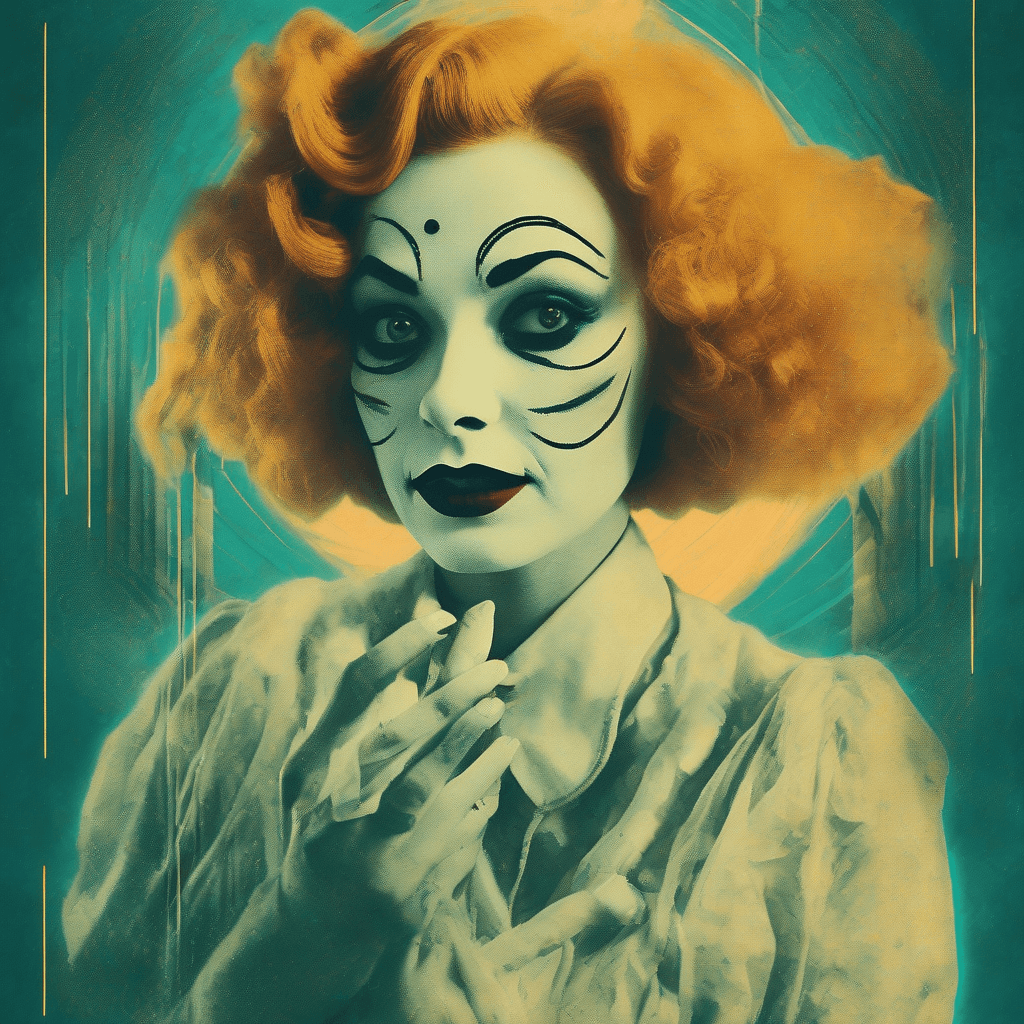
“A deep dive into the transgressive DNA of the silent era, exploring how forgotten gems and genre-defying experiments forged the modern cult movie mindset.”
To the modern eye, cult cinema is often defined by the neon-soaked midnight screenings of the 1970s or the VHS-driven obsession of the 1980s. However, the genetic blueprint of the transgressive, the weird, and the defiantly niche was drafted long before the advent of the talkie. To truly understand the cult movie mindset, we must look back to the celluloid crucible of the early 20th century, where filmmakers were already experimenting with the boundaries of morality, genre, and visual perception. This is where the seeds of rebellion were sown, in a time when the medium itself was an outlaw art form.
The Surrealist Spark: Animation as Anarchy
Long before the psychedelic trips of the counter-culture era, early animators were pushing the limits of the human imagination. Take, for instance, the 1921 short Fishing. While on the surface it appears to be a simple tale of a fisherman and the Inkwell Clown, it represents an early foray into the meta-textual. The clown, pulled into a cartoon fishing hole, encounters sea creatures that defy biological logic before wreaking havoc in the 'real world.' This blurring of the lines between reality and the animated abstract is a direct ancestor to the surrealist cult favorites of today. It challenges the viewer's perception of space and identity, a hallmark of the avant-garde underground.
Similarly, Dreams of the Rarebit Fiend: The Pet offers a glimpse into the primal fears of the early audience. A man’s dream, fueled by a late-night snack, manifests as a creature that grows until it threatens the very fabric of the city. This is proto-kaiju cinema, a genre that would later become a cornerstone of cult devotion. The sheer absurdity of the premise—a pet that consumes everything in sight—taps into an primal anxiety about domesticity and consumption that remains strikingly relevant. These films weren't just entertainment; they were visual manifestos for the strange and the peculiar.
Social Transgression and the Birth of the Taboo
Cult cinema has always thrived on the edge of social acceptability, and the silent era was no stranger to controversy. Films like A Mormon Maid (1917) delved into the 'othering' of religious communities, using the backdrop of the 1850s to explore themes of forced conversion and societal isolation. By modern standards, these narratives are fraught with historical complexities, but as artifacts of transgressive storytelling, they highlight cinema's early power to shock and provoke. The 'secret' life of the caravan and the cabin on the edge of civilization provided a template for the 'outsider' narratives that would eventually define the cult genre.
Morality was often a flexible concept in these early works. The Siren features a protagonist, Cherry Millard, who is unfaithful and indirectly responsible for a murder. Her journey to a Western dance hall isn't a traditional redemption arc but a gritty exploration of survival. This 'femme fatale' archetype, seen also in Thou Shalt Not Covet, where a scientist falls for his neighbor's wife, laid the groundwork for the moral ambiguity of noir. These films dared to suggest that the human heart was a dark, unpredictable place, a theme that resonates deeply with audiences who prefer the shadows to the spotlight.
The Western as a Canvas for Chaos
The Western genre is often seen as the most 'traditional' of American forms, yet in the hands of early rebels, it became a site for genre mutation. LaRue of Phantom Valley introduces us to a mysterious character living in the desert, rumored to possess hidden wealth. The plot, involving a dance hall girl and a gambler's deception, feels like a precursor to the psychological Westerns of the 1960s. The desert isn't just a setting; it's a character—a place where the laws of society are replaced by the primal laws of greed and survival.
We see a similar subversion in West of the Rio Grande and Hearts o' the Range. These weren't just tales of cowboys and rustlers; they were gritty dramas about land disputes, class conflict, and the brutal reality of the frontier. The inclusion of 'cattle rustlers who heighten the problems for both sides' suggests a more complex social hierarchy than the simple white-hat-versus-black-hat narratives often associated with the era. This complexity is exactly what draws the cult obsessive: the sense that there is more beneath the surface than meets the eye.
The Comedy of the Grotesque and the Absurd
If cult cinema is anything, it is a celebration of the 'misfit.' Early comedies like The Eskimo (1920) functioned as meta-parodies of popular feature films, mocking the very industry they were a part of. This self-awareness is a key ingredient in the cult formula. When a film knows it's a film, it invites the audience into a secret club of insiders. Pay Your Dues takes this further by thrusting its hero into a 'kooky fraternal order' through a case of mistaken identity. The initiation rituals and the absurdity of the secret society reflect a burgeoning fascination with the underground and the occult.
Even romance was not safe from the touch of the peculiar. Puppy Love and Heart of Twenty (where a suicide attempt leads to a rescue and a job in a village pond) demonstrate a penchant for blending the tragic with the lighthearted. This tonal whiplash is a defining characteristic of cult classics like *Harold and Maude* or *The Rocky Horror Picture Show*. It challenges the viewer to find humor in the dark and beauty in the broken.
The Global Underground: Beyond Hollywood
The cult impulse was a global phenomenon. In Greece, Golfo offered a tragic tale of eternal devotion and broken vows in the shadow of Mount Chelmos. Its focus on fate and hopeless contemplation of death speaks to a darker, more philosophical tradition of filmmaking. In Bulgaria, Lyubovta e ludost (Love is Madness) explored the comedic obstacles of young love against the backdrop of societal expectations. Meanwhile, Bogatyr dukha captured the tension of the Bolshevik revolution through the lens of an upper-class romance. These films prove that the rebel spirit of cinema was not confined to a single geography; it was a universal response to the constraints of the era.
Intolerance and the Grand Ambition
No discussion of early cinematic outliers is complete without mentioning D.W. Griffith’s Intolerance. While Griffith is a controversial figure, this specific film is a masterpiece of maximalist ambition. By weaving together four historical tales to depict the human struggle against prejudice, Griffith created a structural puzzle that was decades ahead of its time. The sheer scale of the production and its non-linear approach to storytelling made it a difficult sell for contemporary audiences, but it became a sacred text for future generations of filmmakers who sought to break the traditional narrative mold.
This same ambition can be seen in the various adaptations of Othello and the serialized crime-fighting of Beatrice Fairfax. These films weren't afraid to tackle the giants of literature or the burgeoning field of investigative journalism. They were attempts to elevate the medium, to prove that the 'flicker' could carry the weight of the world's greatest stories. Yet, in their execution, they often stumbled into the uncanny valley, creating a visual language that felt both familiar and alien—a perfect recipe for future cult rediscovery.
The Legacy of the Forgotten
Why do we still look back at films like The Last of the Ingrams or Through the Valley of Shadows? It is because they represent a time of pure, unadulterated experimentation. In The Last of the Ingrams, a man seeks solace in drink after being driven from his home—a stark, depressing narrative that refuses the easy comforts of a happy ending. In Through the Valley of Shadows, a doctor cures his wife of 'brain fever' after she stabs her lover. These are plot points that wouldn't feel out of place in a modern psychological thriller or a 'midnight movie' shocker.
The cult cinema of today is built on the bones of these silent era anomalies. Every time a director subverts a genre, every time an audience gathers to celebrate a 'flop,' and every time a forgotten reel is pulled from a dusty archive, the spirit of the 1910s and 20s lives on. We are not just watching old movies; we are communing with the original rebels of the screen. We are decoding a primal grimoire of visual secrets that continues to inform how we see, how we feel, and how we rebel against the mainstream.
The Eternal Allure of the Outlier
Ultimately, the allure of cult cinema lies in its ability to foster community among the outcasts. Whether it's the 'wallflower' in Heart of Twenty or the 'drifter' in the 1922 short of the same name, these characters speak to the part of us that feels out of sync with the world. Early films like Whatever She Wants and All Woman showed women taking control of their destinies in unconventional ways—running offices in secret or inheriting saloons. These were narratives of agency and defiance.
As we navigate the vast landscape of modern streaming, it is easy to forget that the 'niche' was once the only thing there was. Before the industry became a monolith, it was a collection of dreamers, weirdos, and poets. By revisiting the The New Breakfast Food or Die Japanerin, we reconnect with that raw, unpolished energy. Cult cinema is not a destination; it is a journey into the heart of the unconventional. It is a reminder that even in the silent dark, there were voices screaming to be heard, and those voices still echo in the midnight theaters of our minds.
Community
Comments
Log in to comment.
Loading comments…