
Cult Cinema Deep Dive
The Midnight Mosaic: How the Silent Era’s Subversive Shadows Scripted the Cult Cinema Creed
“Discover the hidden origins of cult cinema through the lens of early film's most daring misfits, from banned political allegories to transgressive silent melodramas.”
The history of cult cinema is often told as a post-war phenomenon, a product of late-night television broadcasts and the gritty grindhouses of the 1970s. We think of the midnight movie as a neon-soaked ritual born from the counterculture. However, the true genetic markers of the cult aesthetic—the devotional fervor, the celebration of the transgressive, and the elevation of the cinematic misfit—were etched into the celluloid of the silent era long before the first shadow cast by a Rocky Horror participant. To understand the modern cult obsession, one must peer through the flickering dust of the early 20th century, where films like The Vicar of Wakefield and the lost spectacles of the 1910s first challenged the boundaries of narrative and morality.
The Architecture of the Unconventional
Cult cinema is defined by its relationship with the audience. It is not merely watched; it is worshipped, dissected, and reclaimed. This tradition of reclamation began in the fringes of early Hollywood and global cinema, where stories that didn't quite fit the emerging studio mold found shelter. Consider the 1917 production of Cleopatra. While a major production in its time, its subsequent disappearance and the lingering fragments of its visual audacity have turned it into a holy grail for film historians and niche enthusiasts. It represents the aesthetic of the lost, a primary pillar of cult devotion. When a film is nearly erased by time, its value among the faithful skyrockets, transforming a simple historical drama into a mythic artifact.
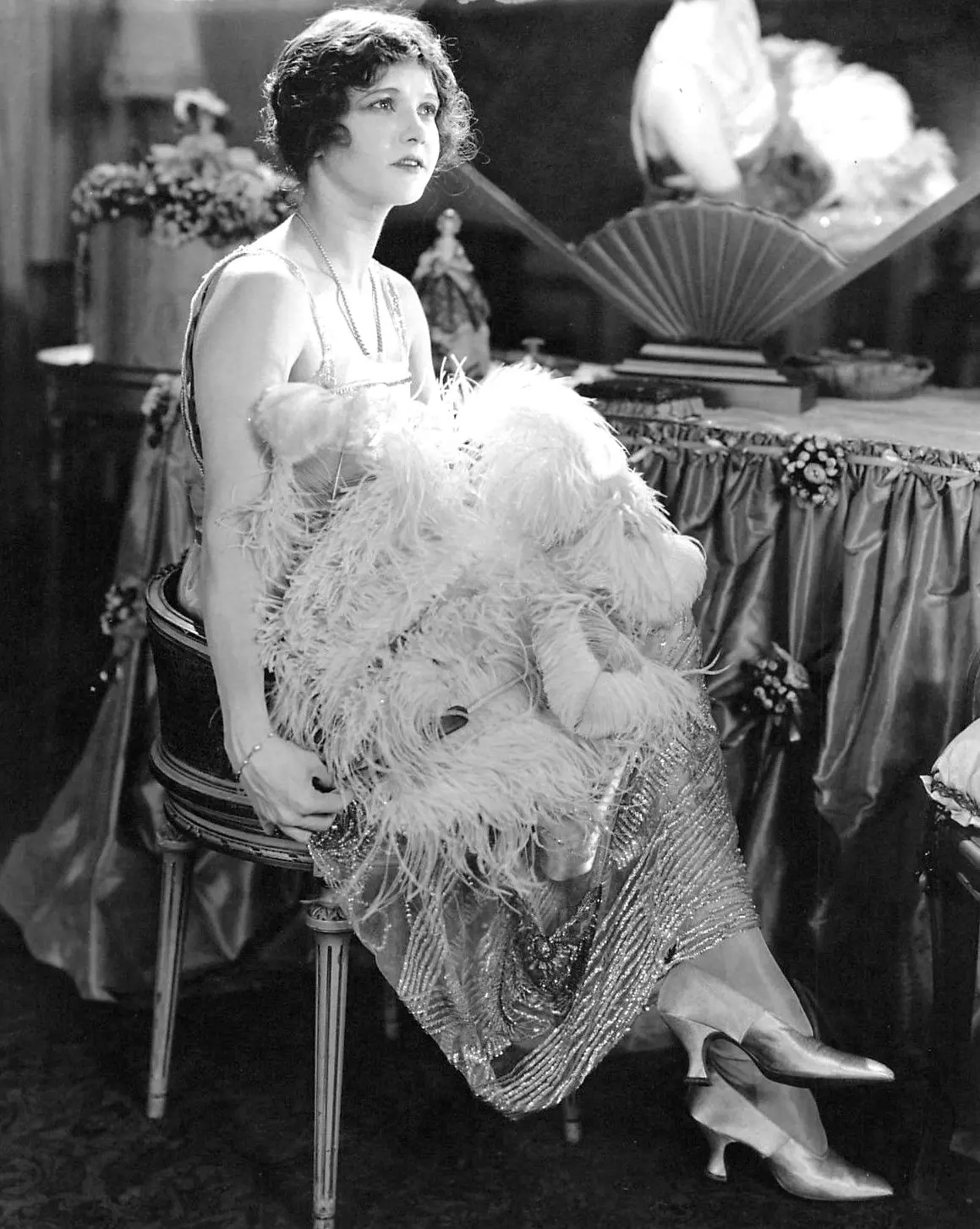
The early era was a laboratory of genre-bending. In 1922, the film Hurricane's Gal introduced Lola, a girl captain of a smuggling schooner who ruled over wild men. This wasn't just an adventure; it was a subversion of gender roles and social hierarchies. Such films provided the blueprint for the 'strong female lead' and the 'outlaw protagonist' that would later define the cult-favorite action and noir genres. The rebel heartbeat of cinema didn't start with Brando; it started with the smugglers, the vamps, and the rogue mariners of the silent screen.
The Transgressive Soul of Early Melodrama
Modern cult films often revel in the 'forbidden' or the 'taboo.' This transgressive spirit was alive and well in the silent melodramas that pushed the limits of the era’s burgeoning censorship. The Tree of Knowledge (1920) presents a chilling narrative of seduction and ruin, where the 'wicked' Belle destroys a man destined for the ministry. This exploration of moral decay and the 'fallen' figure is a recurring theme in cult cinema, from the noir era to the transgressive works of John Waters. The fascination with characters who exist outside the bounds of polite society—like the destitute Lola in Shackled or the 'wayward' Rose in The Bride of Hate—mirrors the modern cult audience's affinity for the disenfranchised and the deviant.
Political Defiance and the Banned Reel
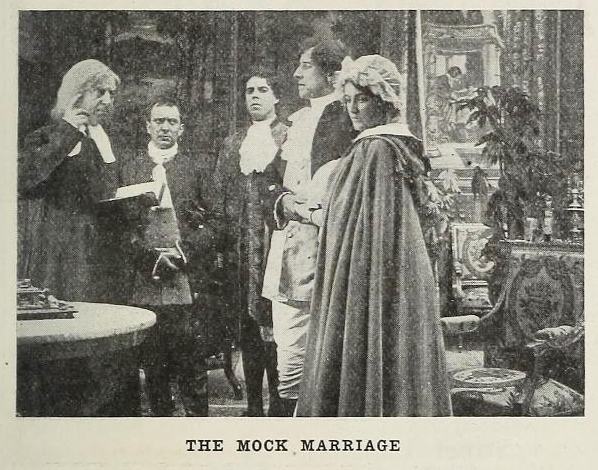
Nothing fuels a cult following quite like a ban. The history of 'banned' cinema is a cornerstone of the midnight movie legacy, and its roots are deeply political. Bhakta Vidur (1921) stands as a landmark in this regard. Banned for political reasons and later re-released as Dharma Vijay, it used mythological allegory to comment on contemporary struggles. This act of cinematic defiance created a 'forbidden' allure, a phenomenon we see repeated with films that were once seized by customs or pulled from theaters. The cult of the censored masterpiece is a direct descendant of these early struggles for creative expression.
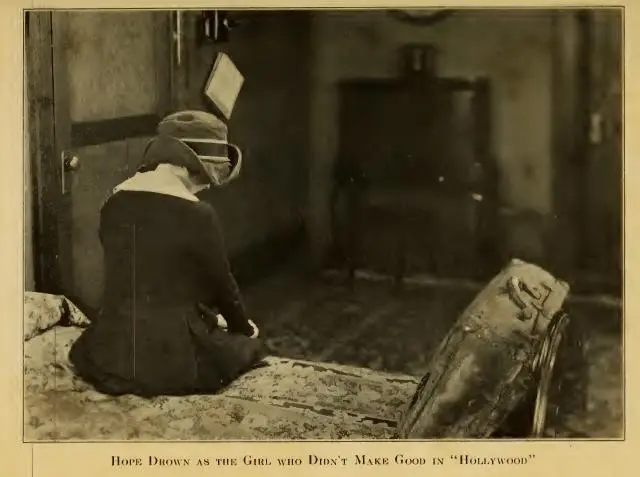
Similarly, Auction of Souls (1919) offered a harrowing, semi-documentary account of the Armenian Genocide. Based on the survival of Aurora Mardiganian, the film was more than a commercial product; it was a testament and a ritual of remembrance. The intensity of its subject matter and its status as a 'lost' film for many decades have cemented its place in the pantheon of cinema that demands more than passive viewing—it demands witnessing. This transition from 'viewer' to 'witness' is the fundamental shift that creates a cult following.
Genre Mutants and Early Oddities
Cult cinema thrives on the 'weird'—the films that don't quite know what they want to be. The silent era was full of these genre mutants. Take The Son of Wallingford, which blended comedy, drama, and crime into a strange cocktail of inherited criminal tendencies and redemption. Or Mountain Madness, which combined a mountain vacation with a mysterious criminal undercurrent. These films didn't follow the rigid genre structures we recognize today; they were experimental, messy, and occasionally bizarre. This 'unruly aesthetic' is exactly what draws modern fans to cult classics. We look for the cracks in the narrative, the moments where the film's ambition exceeds its grasp, or where the tone shifts so violently it leaves the audience reeling.
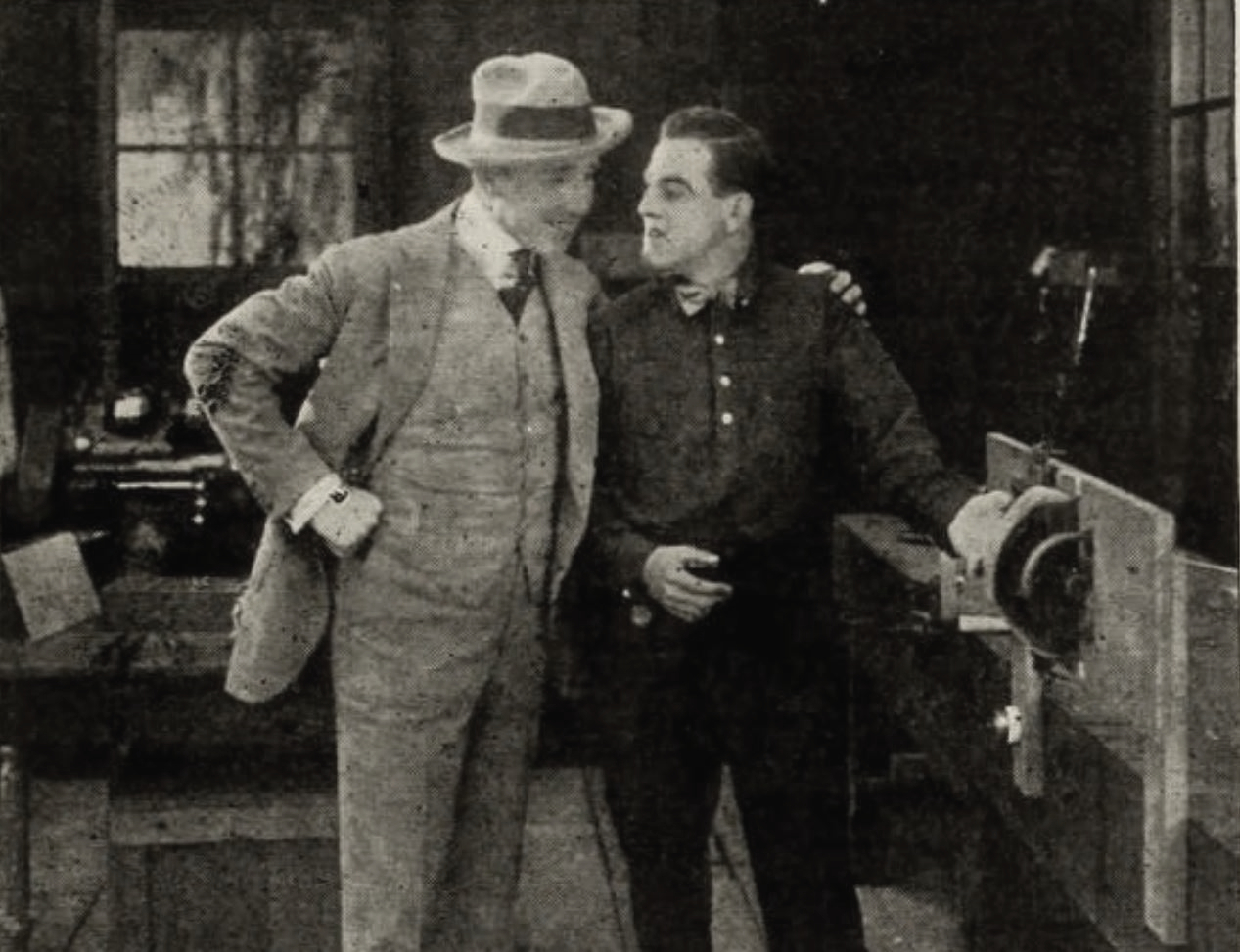
Even the shorter subjects of the time contributed to this culture of the unusual. The Blow That Killed Father or Brass Buttons utilized slapstick and short-form storytelling to poke fun at authority figures—policemen, fathers, and social betters. This irreverence is the lifeblood of cult comedy. It is the same spirit that would eventually animate the likes of Monty Python or the absurdist humor of the 1980s. The subversive pulse of a rookie cop meddling where he doesn't belong in Brass Buttons is a proto-punk gesture that resonates with the cult ethos of questioning the status quo.
The Archetypal Outcast: From Silent Screens to Midnight Screens
At the heart of every cult film is the outcast. Whether it’s the 'poor American boy' and his dog in Young America or the fugitive marauder in The Scarlet Drop, early cinema was obsessed with those on the run from the law, from society, or from themselves. In The Scarlet Drop, we see the genesis of the 'moral outlaw'—a man who, having been rejected by the military, turns to a gang of marauders. This gray area of morality is where cult cinema lives. We don't want the perfect hero; we want the flawed, the desperate, and the driven.
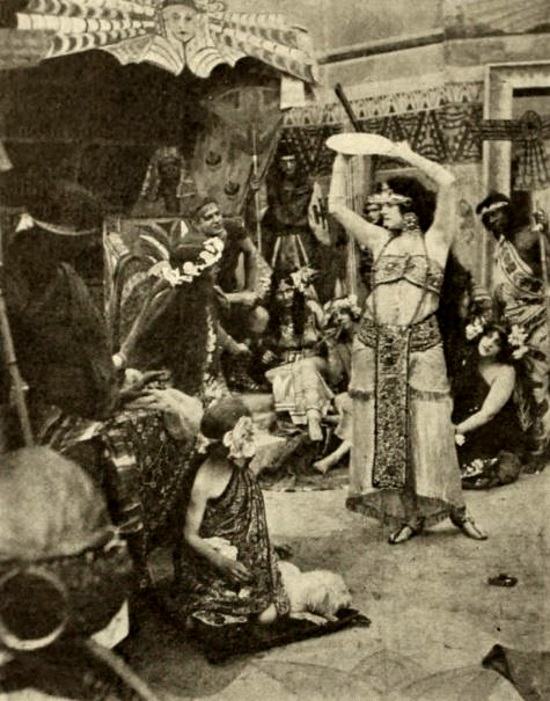
Consider the figure of the 'Vamp' in La Salome. Herodias and Salome are figures of dangerous desire, women who use their power to upend the patriarchal order of their time. This archetype of the 'dangerous woman' became a central figure in cult cinema, evolving into the femme fatales of noir and the campy icons of the late 20th century. The devotional magnetism of the silent screen icon—the way an actor's face could become a canvas for the audience's deepest fears and desires—is the same energy that fuels the fandoms of today's cult stars.
The Ritual of Rediscovery
Why do we keep returning to these forgotten reels? The answer lies in the alchemy of rediscovery. For the cult film fan, the act of finding an obscure title like Mod lyset (where a spoiled woman becomes an evangelist) or Ashes of Hope (where a dance hall queen wagers on a stranger’s virtue) is a form of detective work. It is an archaeological dig into the human psyche. These films represent a time when the rules of cinema were still being written, and as a result, they contain a raw, unpolished energy that modern blockbusters often lack.
The 'midnight mindset' is about more than just the time of day a movie is shown; it's about a willingness to engage with the unconventional, the uncomfortable, and the unknown. When we watch The Ghost Patrol and see a policeman's humanitarian approach in a neighborhood called 'Little Hell,' we are seeing an early attempt to use genre to explore social reform. When we watch Fog Bound, we are seeing the early sparks of the 'romantic thriller' that would eventually become a staple of cult video store shelves. Every modern cult trope has a silent ancestor.
Conclusion: The Eternal Flicker
The lineage of cult cinema is a long, winding road that leads back to the very first flickers of the cinematograph. By examining the misfit narratives and genre experiments of the early 20th century, we see that cult cinema isn't just a category of film—it’s a way of seeing the world. It is the belief that the most interesting stories are found in the shadows, that the most compelling characters are the ones who don't fit in, and that a film’s true value isn't measured in box office receipts, but in the enduring devotion of its audience.
As we continue to unearth lost gems like The Caillaux Case or the early Croatian experiments like Dvije sirotice, we are not just watching old movies. We are participating in a century-old tradition of cinematic rebellion. The silent era’s genre outcasts and moral misfits are the true pioneers of the midnight movie, and their spirit continues to haunt the screens of the brave and the curious. The midnight mosaic is ever-expanding, and its earliest tiles are perhaps its most vibrant.
Community
Comments
Log in to comment.
Loading comments…