
Deep Dive
The Midnight Mutation: Unlocking the Primal Weirdness and Subversive Soul of Cinema’s Original Genre Defiants
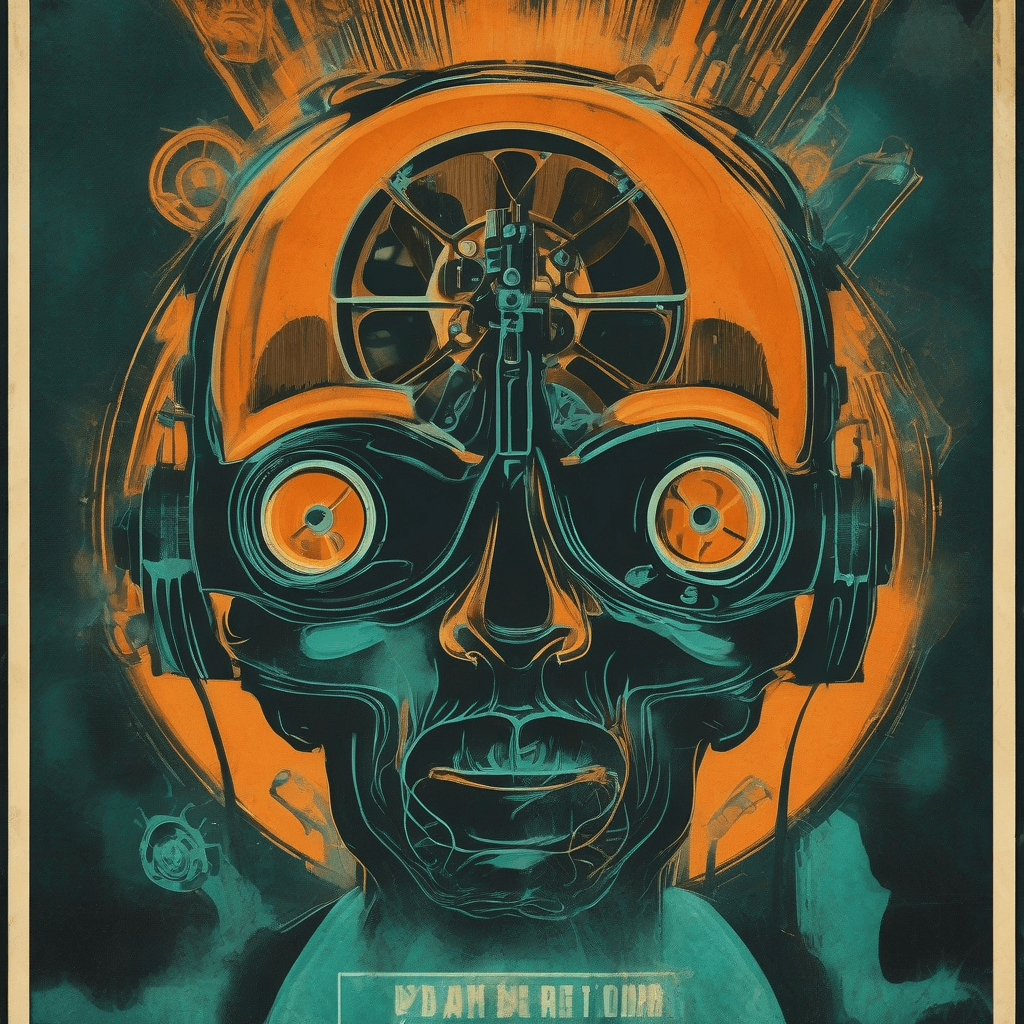
“A deep dive into the transgressive roots of cult cinema, exploring how the silent era’s genre mutations and narrative misfits birthed the modern midnight movie obsession.”
The history of cult cinema is often told as a post-1970s phenomenon, a product of the midnight movie circuit that birthed icons like The Rocky Horror Picture Show or Eraserhead. However, to understand the true genetic rebellion of the fringe, one must look further back into the shadows of the silent era. Long before the term "cult" was codified by academics and critics, the medium was already teeming with narrative anarchy and genre mutations that defied the burgeoning Hollywood status quo. This early century of filmmaking was not just a period of technical experimentation; it was a breeding ground for the strange, the transgressive, and the misunderstood—the very qualities that define cult devotion today.

The Alchemical Origins of Cinematic Surrealism
The roots of the cult aesthetic are firmly planted in the soil of the surreal. In the early 20th century, filmmakers were discovering that the camera could do more than record reality; it could distort it. One of the most potent examples of this primal weirdness is found in Dreams of the Rarebit Fiend: The Pet (1921). This short film, centered on a man’s odd dream after a heavy meal, features a strange-looking animal that grows to gargantuan proportions, eventually threatening an entire city. This isn't just a technical showcase of early animation and scale; it is a manifestation of the subconscious anxieties and the love for the grotesque that would later define the works of David Lynch or Jan Švankmajer.
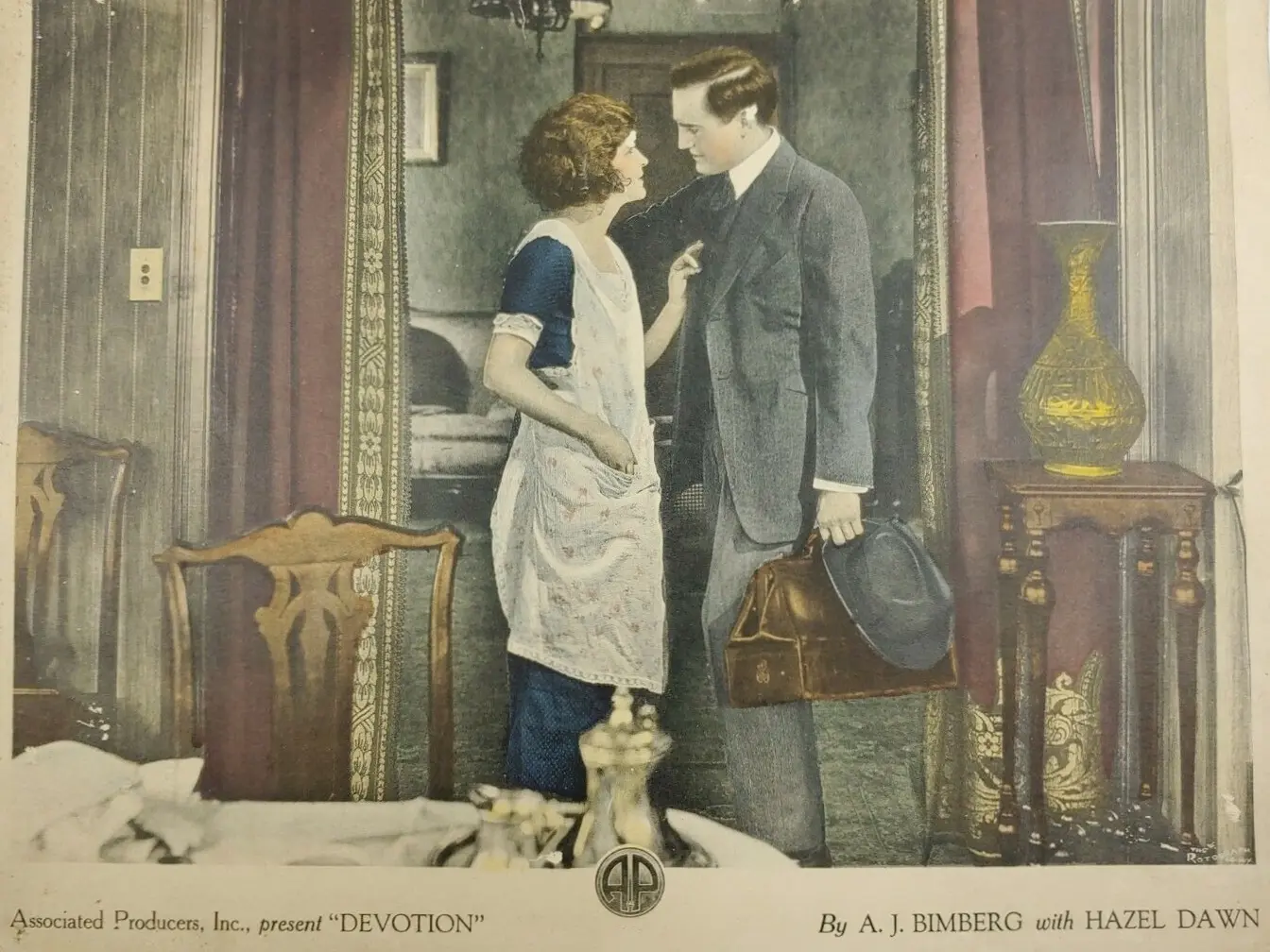
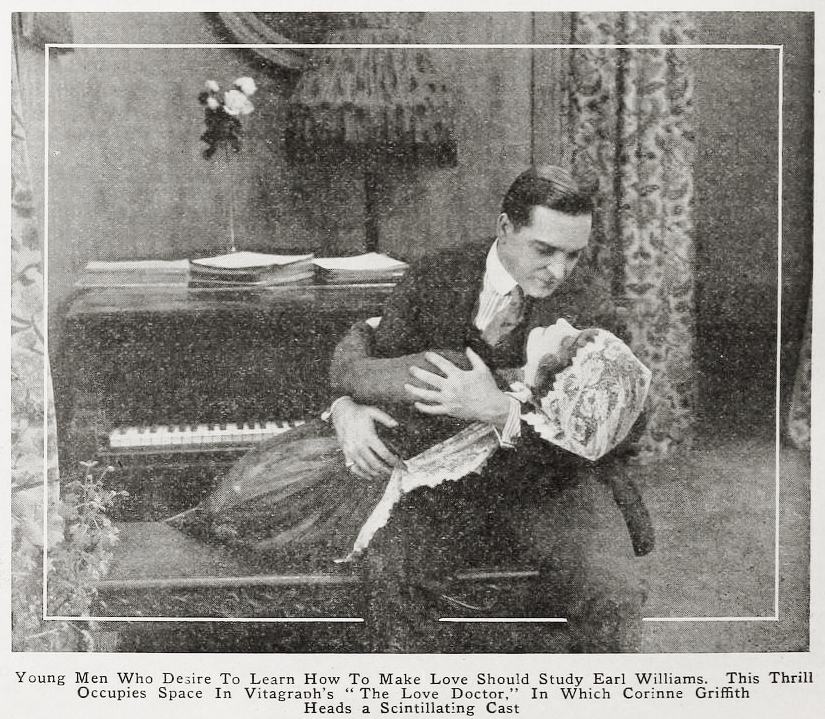
This surrealist impulse was not limited to animation. Live-action features like The Love Doctor (1917) pushed the boundaries of the acceptable with plots that bordered on the macabre. The idea of a doctor transplanting the brain of a girl who loves him into the body of the girl he loves is a narrative conceit that feels more at home in a 1970s Euro-horror flick than a silent-era drama. It is this transgressive soul—the willingness to explore the boundaries of identity and the physical body—that marks these early films as the true precursors to the cult obsession. They were the original outliers, films that refused to play by the rules of conventional morality or narrative logic.
The Transgressive Body and the Architecture of Identity
Cult cinema has always been a sanctuary for those who exist on the margins of society, and early cinema provided a surprisingly fertile ground for exploring fluid identities and gender subversion. Take, for instance, the film Muggsy (1919). The title character, Joyce Tolliver, is a girl who fights, swears, and plays baseball with boys—a direct challenge to the gender norms of the time. When she is later disguised as a boy to live with a wealthy relative, the film enters the realm of the transgressive, using disguise and performance to navigate the complexities of social survival. This narrative of the misfit protagonist finding their way through a world that demands conformity is a cornerstone of the cult ethos.
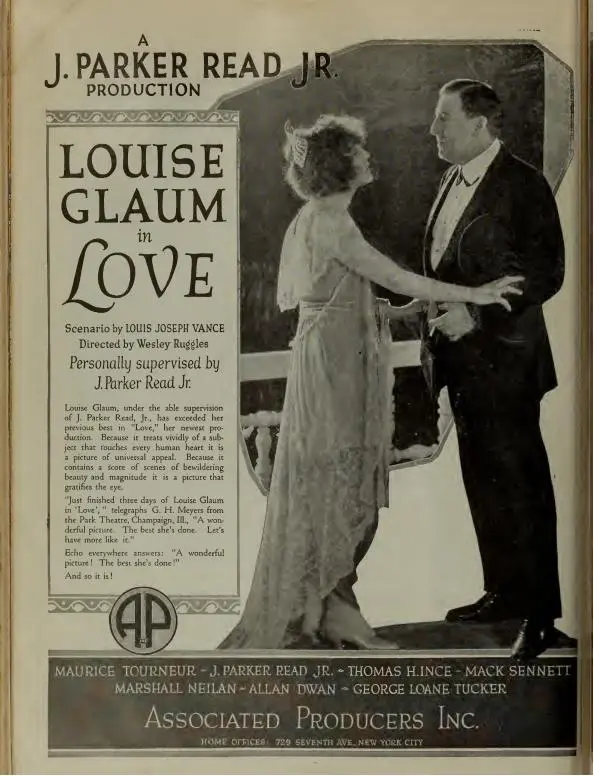
Similarly, the concept of the "Vamp," popularized by films like A Fool There Was (1922), introduced a new kind of cinematic archetype: the cold, heartbreaking female who destroys respectable men. This was not just a moralistic fable; it was the birth of a subversive icon. The Vamp represented a dangerous, untamed sexuality that both terrified and fascinated audiences. She was a figure of maverick power, standing in stark contrast to the domestic ideals of the era. The enduring allure of the Vamp is a testament to the power of the cinematic outlier—the character who refuses to be tamed, even if their path leads to destruction.
The Aesthetics of the Odd: From Painted Legs to Mustache Fixers
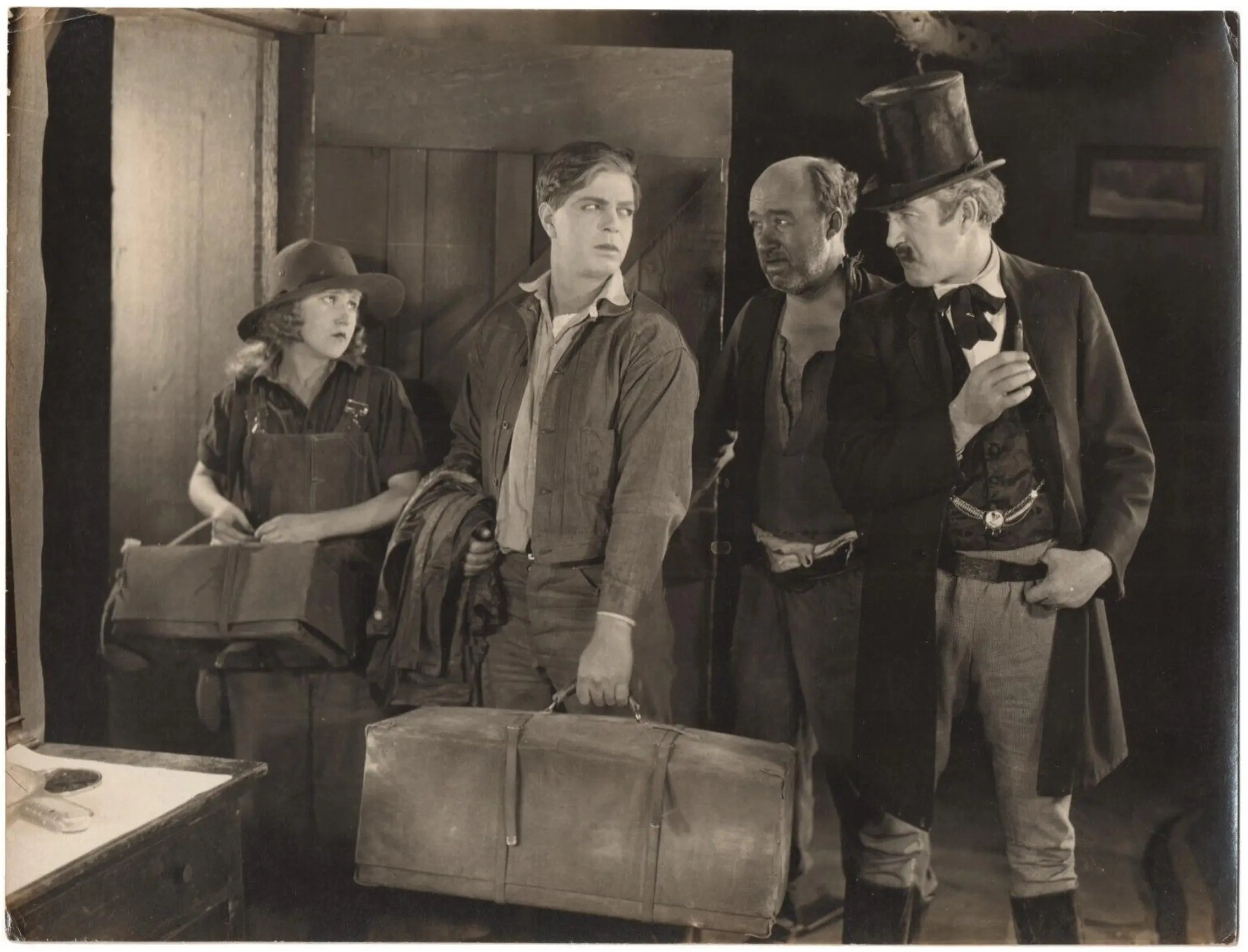
Part of what makes a film a cult classic is its unique visual language—often born out of necessity or a bizarre creative impulse. In My Lady's Ankle (1920), we see a young artist painting his wife's legs because they cannot afford fine stockings. This detail, while ostensibly part of a comedy, highlights the scrappy, DIY spirit that often characterizes cult filmmaking. It is an aesthetic of desperation and ingenuity, where the limitations of the medium are transformed into a signature style. This same sense of the absurd is found in Good-Bye, Bill (1918), where a professor invents a "mustache fixer" to make men look more fierce during wartime. These bizarre, hyper-specific details create a world that is slightly askew, inviting the kind of obsessive scrutiny that defines modern fandom.
These films often operated on a frequency that was too strange for the mainstream but resonated deeply with those who felt out of sync with the world. Whether it was the hypnotic spell cast on a society lady in Anita (1920) or the naive young man overwhelmed by the hustle of New York in School Days (1921), these stories captured the alienation and wonder of a rapidly changing world. They were the "midnight movies" of their time, screened in nickelodeons and small-town theaters for audiences who craved something more than the standard melodrama.
Social Satire and the Secret Societies of the Fringe
Cult cinema often acts as a mirror, reflecting the hidden undercurrents of society. The City of Masks (1920) offers a fascinating look at this, depicting European nobles living as common laborers in America who meet secretly once a week to maintain their former status. This narrative of hidden identities and secret rituals is a recurring theme in cult film, from the underground societies of Eyes Wide Shut to the suburban secrets of Blue Velvet. It suggests that there is always another layer to reality, a world beneath the surface that only the initiated can see.
Furthermore, films like What Women Love (1920) and The Mayor of Filbert (1919) engaged in direct social commentary, often using satire and subversion to critique the moral guardians of the day. In What Women Love, the daughter of a social reformer defies her father by wearing "scanty bathing suits," a clear rebellion against the Purity League. In The Mayor of Filbert, the corruption of a saloon-keeping mayor is exposed through a series of comedic mishaps. These films weren't just entertainment; they were acts of defiance, challenging the authority of the church, the state, and the family. They carved out a space for the rebel heart, proving that cinema could be a tool for social disruption.
The Enduring Legacy of the Maverick Soul
What connects a film like The Sea Lion (1921)—with its bitter, hard-driving captain—to the modern cult classics we celebrate today? It is the uncompromising vision of the outsider. Cult films are rarely the result of committee-driven production; they are the products of maverick creators who are willing to follow their obsessions to their logical, and often illogical, conclusions. Whether it’s the tragic peasant girl in Tess of the D'Urbervilles (1913) or the amnesia-stricken refugee in A Maid of Belgium (1917), these characters are defined by their struggle against a world that seeks to crush their spirit.
This maverick soul is what keeps these films alive long after their initial release. They are rediscovered by each new generation of cinephiles, who find in them a reflection of their own transgressive impulses. The silent era was not a period of cinematic innocence; it was a time of radical experimentation and moral complexity. By unearthing these early genre mutants, we gain a deeper understanding of the DNA of cult cinema. We see that the desire to shock, to subvert, and to find beauty in the bizarre is as old as the medium itself.
Conclusion: The Eternal Flame of the Misfit Reel
As we look back at the primal weirdness of films like Dreams of the Rarebit Fiend or the gender-bending antics of Muggsy, we realize that the cult cinema cultus is not a modern invention. It is a lineage of rebellion that stretches back to the very first flicker of light on the silver screen. These films were the original midnight mutations, anomalies that refused to be categorized or forgotten. They remind us that the most enduring cinema is often that which is born on the fringe, created by those who aren't afraid to embrace the strange, the uncomfortable, and the unknown.
In the end, the allure of cult cinema lies in its rebel heart. It is the secret handshake between the filmmaker and the audience, a shared recognition of the world's inherent madness. From the brain transplants of the 1910s to the neon-soaked nightmares of today, the mission remains the same: to challenge the status quo, to celebrate the outcast, and to keep the flame of the maverick spirit burning bright in the darkness of the theater.
"Community
Comments
Log in to comment.
Loading comments…