
Cult Cinema
The Midnight Reliquary: Unearthing the Subversive DNA and Rebel Spirit of Cinema’s Earliest Genre Experiments
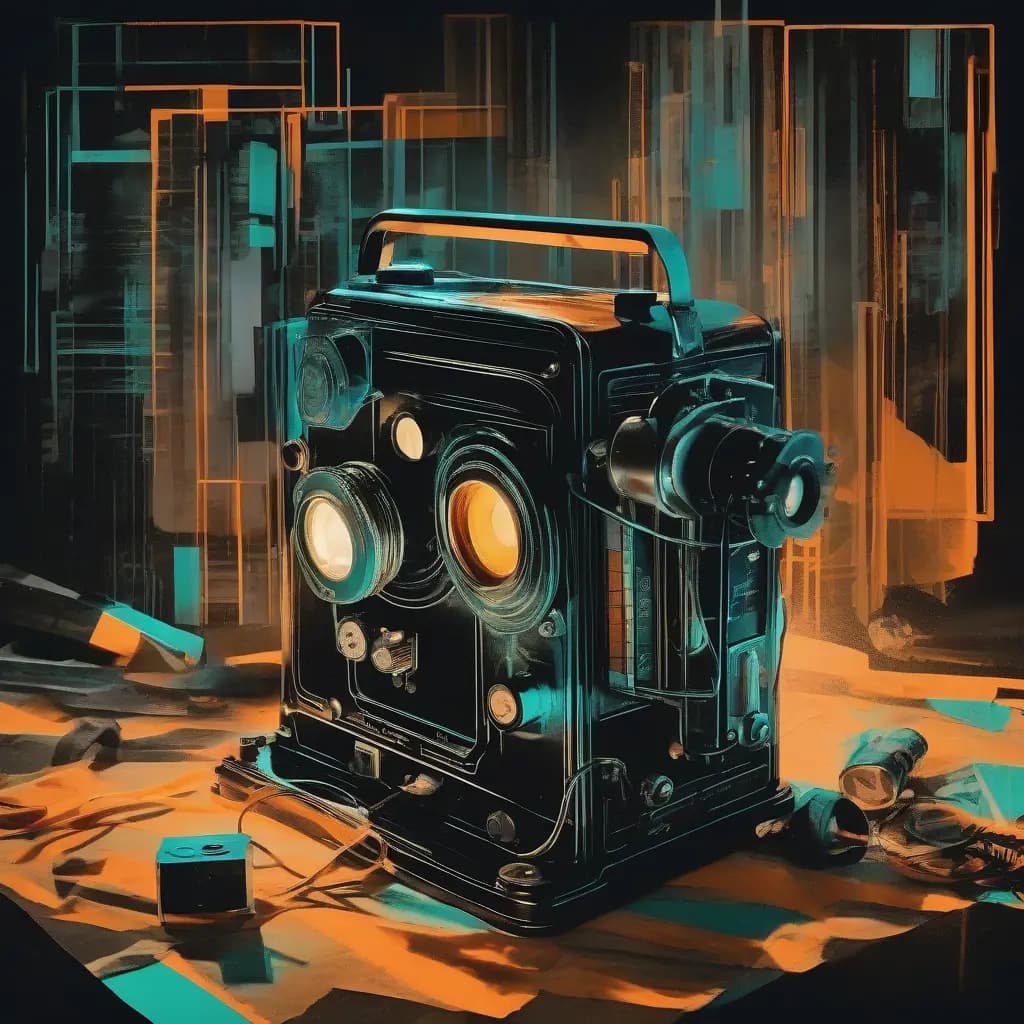
“A deep dive into the primal roots of cult cinema, exploring how the silent era's misfits, genre rebels, and subversive narratives created the template for modern midnight movie obsession.”
Cult cinema has always been defined by its status as an outsider—a rebellious, flickering entity that exists in the periphery of the mainstream gaze. While many associate the birth of the 'midnight movie' with the psychedelic 1970s or the transgressive 1980s, the genetic markers of this phenomenon were actually written in the early 20th century. Long before the term was coined, films like Behind the Door and Black Oxen were already challenging social norms, experimenting with genre boundaries, and fostering a unique brand of devotional fandom. To understand the modern cult obsession, we must look back at the original misfits: the silent era rebels who turned the cinematic lens toward the shadows.
The Industrial Misfit and the Class Struggle
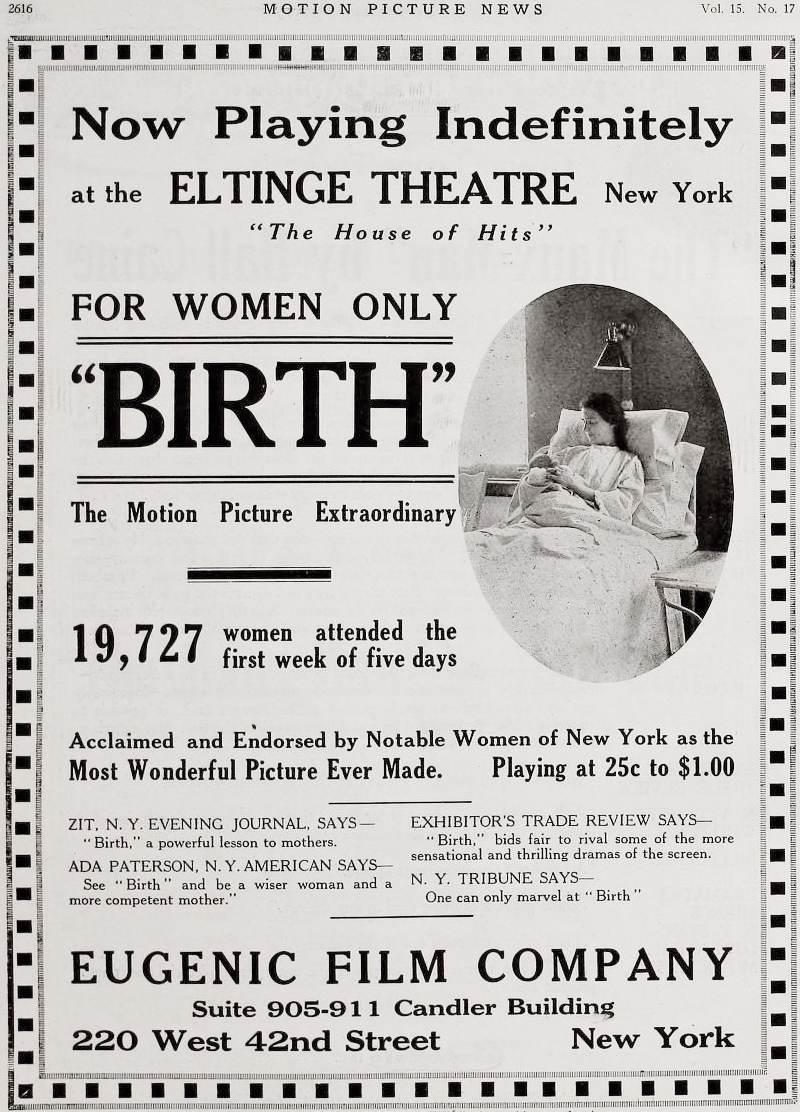
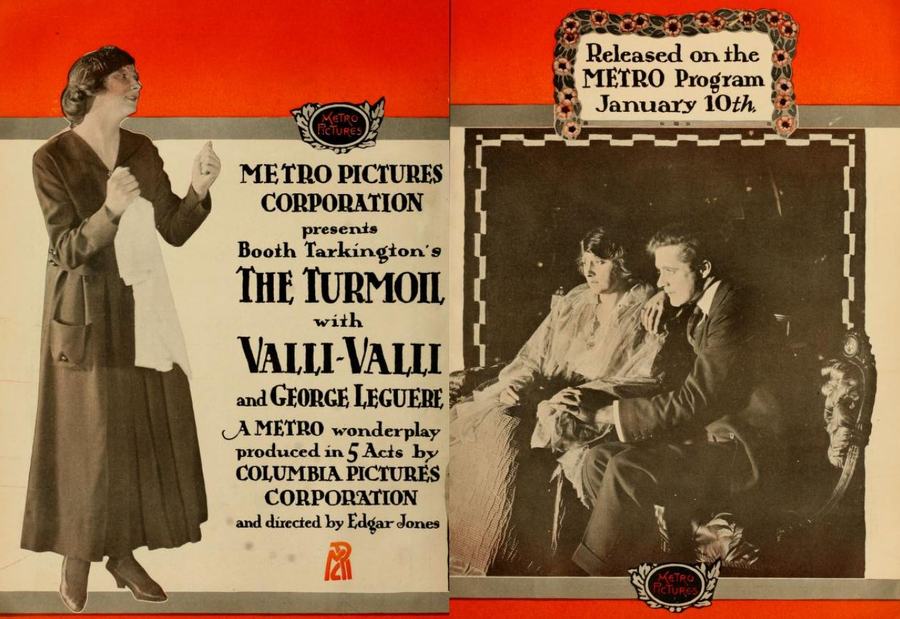
The early 20th century was a time of rapid industrialization and shifting social hierarchies, themes that provided fertile ground for subversive storytelling. In The Other Half, we see a profound deconstruction of class distinction through the eyes of Donald Trent. By placing a wealthy heir in the trenches of war, the film strips away the artifice of social standing, a recurring motif in cult narratives that seek to expose the 'truth' beneath societal masks. Similarly, The Turmoil explores the hollow nature of wealth in a Middle West city, where James Sheridan’s obsession with power leaves him socially bankrupt. These films didn't just entertain; they acted as mirrors to the anxieties of a changing world, much like the cult classics of the 70s reflected the counter-culture movement.
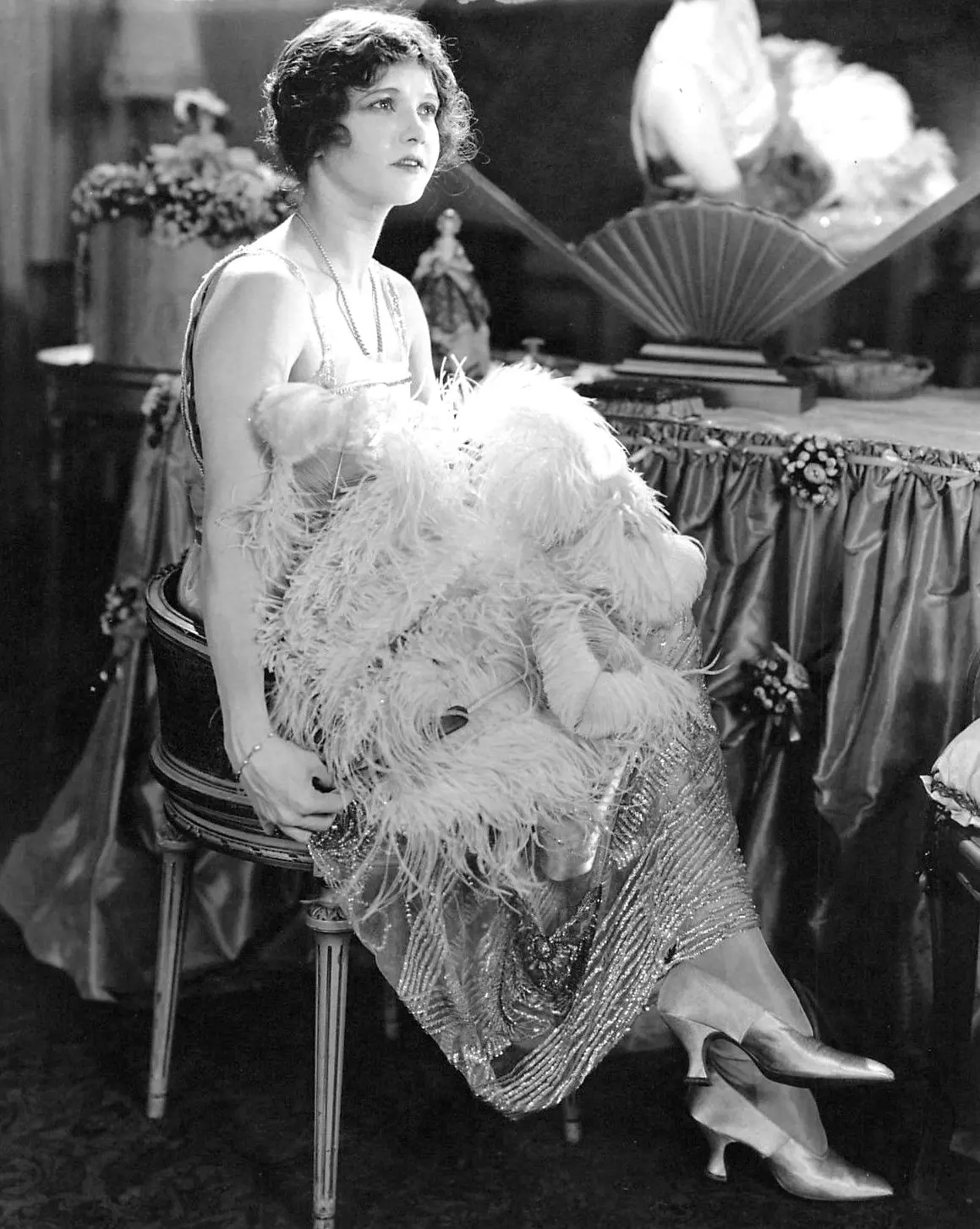
The archetype of the 'Iron Hearted' patriarch, as seen in The Iron Heart, served as a target for cinematic rebellion. Stephen Martin’s rigid control over his iron works and his son Tom’s eventual defiance represent the quintessential struggle against the establishment. This narrative of the son breaking away from the father’s oppressive legacy is a foundational stone of cult storytelling, where the protagonist must navigate a world that values profit over human connection. These early dramas laid the groundwork for the 'anti-hero'—characters who don't fit into the polite society of the time but find their own path through trial and tribulation.
The Shadows of Revenge and Psychological Horror
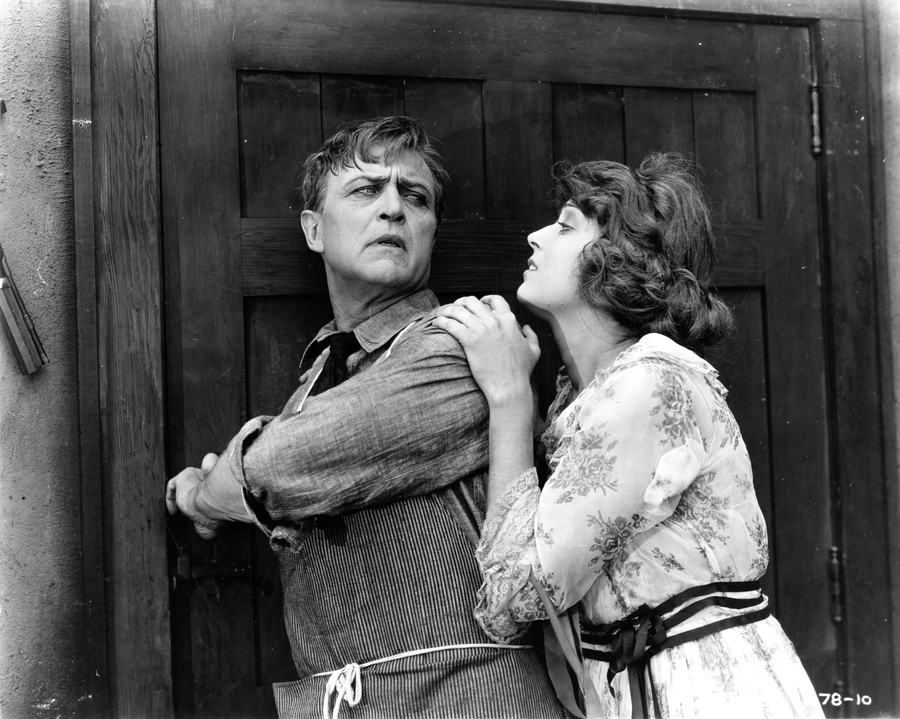
If cult cinema is defined by its willingness to go where others won't, then Behind the Door is perhaps one of the most significant proto-cult films in existence. This German-American naval officer’s descent into brutal revenge against a submarine commander who harmed his wife is a visceral, haunting exploration of human darkness. It predates the 'revenge' subgenre of cult cinema by decades, offering a level of psychological intensity that shocked audiences of the era. The film’s willingness to depict the raw, unvarnished consequences of trauma is what makes it a spiritual ancestor to modern transgressive cinema.
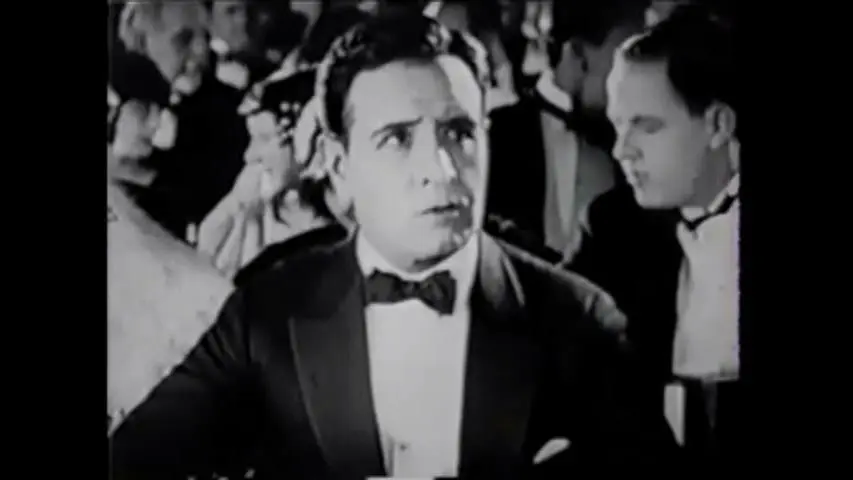
Jealousy and madness also played a pivotal role in these early experiments. In Black Is White, Jim Brood’s insane jealousy drives his wife away, creating a fractured family dynamic that feels surprisingly modern. The use of twin sisters and mistaken identities adds a layer of gothic melodrama that would later become a staple of cult horror and suspense. This preoccupation with the 'double' or the 'other' is also found in Black Oxen, where a Manhattan playboy falls for a woman who is a literal double for a long-lost socialite. The intersection of romance and the uncanny in Black Oxen—hinting at themes of rejuvenation and secret pasts—aligns perfectly with the cult fascination with the supernatural and the unexplained.
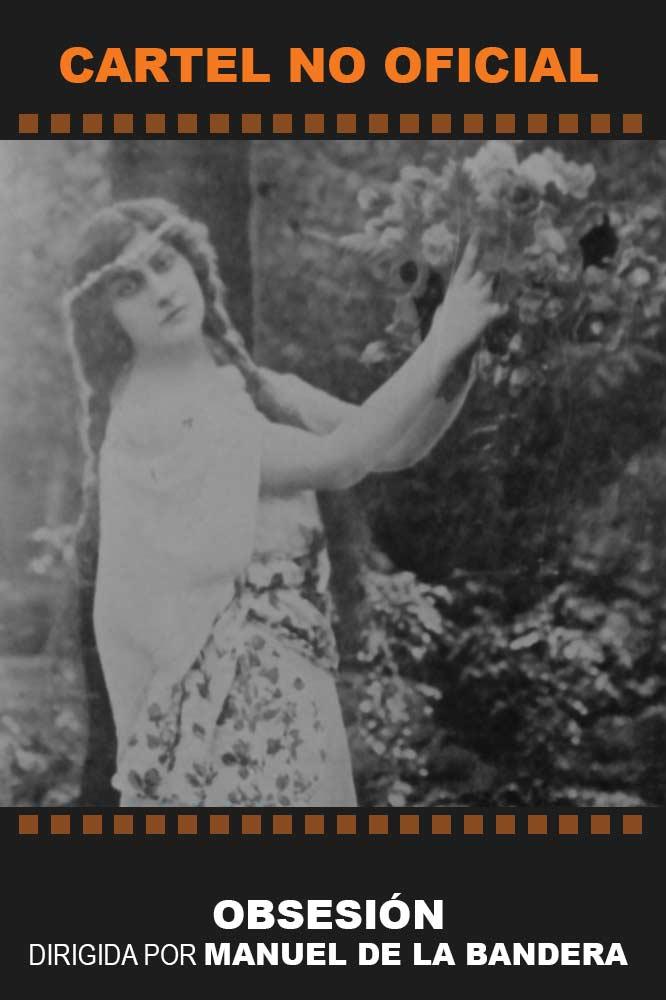
Espionage and the Secret Life
The figure of the spy or the secret operative provided early cinema with a vehicle for exploring dual identities and hidden worlds. The Pagan God features Bruce Winthrop, a man disguised as a lowly clerk who is secretly a government operative tasked with quelling a rebellion. This trope of the 'hidden hero' who operates in the shadows is a cornerstone of cult action and thriller genres. The mission-based narrative of Protéa, featuring a master spy and her partner 'The Eel,' introduced a level of tactical sophistication and gender-bending agency that was far ahead of its time. Protéa wasn't just a character; she was an icon of competence and subversion, retrieving secret documents in a world of political intrigue.
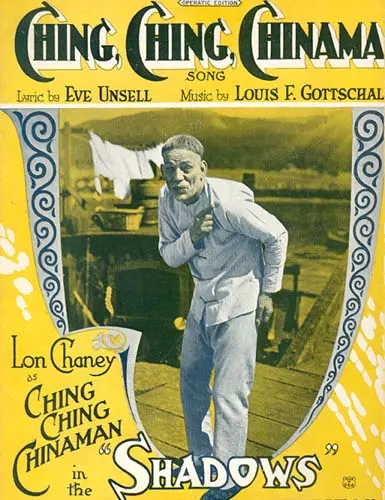
These films often took audiences to exotic or dangerous locales, such as the Mongolian border or the high seas in The Sea Flower. In the latter, a secret service agent goes undercover as a sailor to stop German spies from smuggling arms. The blend of adventure, espionage, and moral ambiguity in these films created a sense of 'insider knowledge' for the audience—a feeling that they were being let in on a secret that the rest of the world couldn't see. This 'insider' feeling is exactly what fuels the devotion of cult film communities today.
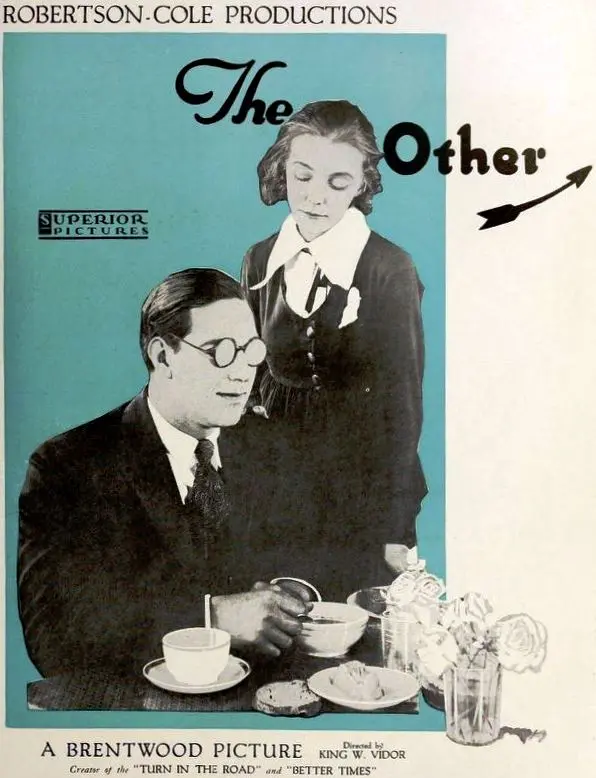
Bohemian Rebellion and the Moral Fringe
The contrast between Puritanical values and the burgeoning Bohemian lifestyle of the early 20th century provided a rich tapestry for genre defiance. The Scarlet Road (1918) follows Mabel Halloway as she navigates the Bohemian section of New York, caught between a magazine editor and a world of unconventional living. This exploration of the 'fringe' of society—places where the old rules don't apply—is a central theme in cult cinema. Whether it’s the artistic enclaves of New York or the gambling dens of The Busy Inn, these settings allow for characters who are 'moral misfits' to take center stage.
In The Busy Inn, we see the darker side of this fringe life, where a gambling house owner resorts to robbery and extortion. The character of Eugenia, who helps her husband in his criminal endeavors, represents a departure from the 'damsel in distress' trope, offering instead a portrait of a woman complicit in the underworld. This moral complexity is also evident in The Forged Bride, where a daughter must flee with her forger father. These narratives don't offer easy answers; they present a world of grey areas where survival often requires breaking the law. This rejection of binary morality is a hallmark of the cult ethos, which often celebrates the outlaw and the 'lovable rogue.'
The Lawless Frontier and the Western Outsider
The Western genre, often seen as the quintessence of American mythology, also contributed significantly to the proto-cult canon. Films like The Love Brand and The Yosemite Trail explored the rugged individualism and the personal vendettas that defined the frontier. In The Love Brand, the 'love trap' set by Frances Collier for landowner Don José O'Neil turns into a genuine romance, but not before secrets are revealed and betrayals are staged. The Western setting provided a backdrop for themes of redemption and the 'man who dared' to stand against corruption, as seen in The Man Who Dared, where a sheriff’s personal desires clash with his professional duty.
Even in the wilderness, the struggle for identity remains paramount. Baree, Son of Kazan takes the viewer to the Canadian Northwest, where Jim Carvel escapes after killing his father’s murderer. This narrative of the 'fugitive in the wild' is a powerful cult archetype—the individual who finds solace and strength in nature after being rejected or hunted by civilization. The Western and the North-Western films of this era were not just about horses and gunfights; they were about the limits of law and the birth of a new kind of self-reliant hero.
Comedy, Slapstick, and the Anarchy of the Mundane
While drama and suspense provided the emotional weight, the early short comedies offered a different kind of subversion: the anarchy of the mundane. Bear Skinned Beauties and Solid Concrete used physical comedy and absurd situations to dismantle the dignity of high society. Zip Monberg’s messenger boy on roller skates in a modiste shop or Larry Semon’s stuttering salesman are characters who disrupt the status quo simply by existing. This 'disruptive' comedy is a precursor to the cult of the absurd, where the humor comes from the total breakdown of logic and order.
The 'little terror' or the 'misfit' in a domestic setting also became a popular theme. In The Little Terror, a millionaire’s son marries a circus rider and becomes a trapeze performer, choosing a life of joy and physical prowess over an inheritance. This rejection of 'respectable' wealth in favor of the 'circus life' is a beautiful metaphor for the cult film fan’s own journey—leaving the safe, predictable path to embrace the strange, the wonderful, and the unconventional. Mirandy Smiles follows a similar path, where a laundress’s daughter scrubs floors in an opera house but dreams of social improvement through her connection to the organist. These stories of social mobility, or the lack thereof, resonate because they touch on the universal desire to be seen for who we are, rather than where we came from.
The Eternal Legacy of the Silent Cult
Why do these films, many of them over a century old, still hold a power over the cinematic imagination? It is because they were the first to recognize that the screen could be more than just a place for pretty pictures. It could be a place for the unconventional, the transgressive, and the rebellious. Whether it was the psychological depth of Isterzannye dushi or the high-stakes espionage of Treason, these films were experimenting with the very soul of narrative cinema.
The 'cult' status of a film is rarely about its box office performance; it is about the intensity of the connection it forms with its audience. In the era of The Hordern Mystery and The Fall of a Saint, viewers were being introduced to detectives, blackmailers, and fallen lords—characters who lived on the edge of ruin. This proximity to the 'edge' is what makes a film a cult classic. It is the feeling that anything can happen, that the rules of the world are being rewritten in real-time by the light of the projector.
As we look at the 50 films that have inspired this exploration—from the high-power explosives of Treason to the white slave trade narratives of Den hvide Slavehandels sidste Offer—we see a pattern of defiance. These films dared to look at the 'other half,' to explore the 'fringe of society,' and to navigate the 'scarlet road.' They were the original midnight movies, playing in the minds of audiences who craved something more than the standard fare. They are the Midnight Reliquary, a collection of sacred, subversive objects that continue to inspire the rebels and misfits of today’s cinematic landscape.
In conclusion, the history of cult cinema is not a straight line, but a series of overlapping shadows. By unearthing the stories of the Pagan God, the Tigress, and the Cowboy Ace, we find a lineage of rebellion that spans generations. These early filmmakers were the architects of the unusual, the pioneers of the provocative, and the first to understand that the most enduring films are often the ones that refuse to fit in. As long as there are stories to be told from the fringes, the spirit of the early silent rebels will continue to flicker in the dark, guiding the next generation of cult devotees through the beautiful, chaotic labyrinth of the celluloid underground.
Community
Comments
Log in to comment.
Loading comments…