
Cult Cinema
The Neon Necromancy of the Silent Fringe: How Early Cinema’s Anomalies Invented the Modern Cult Obsession
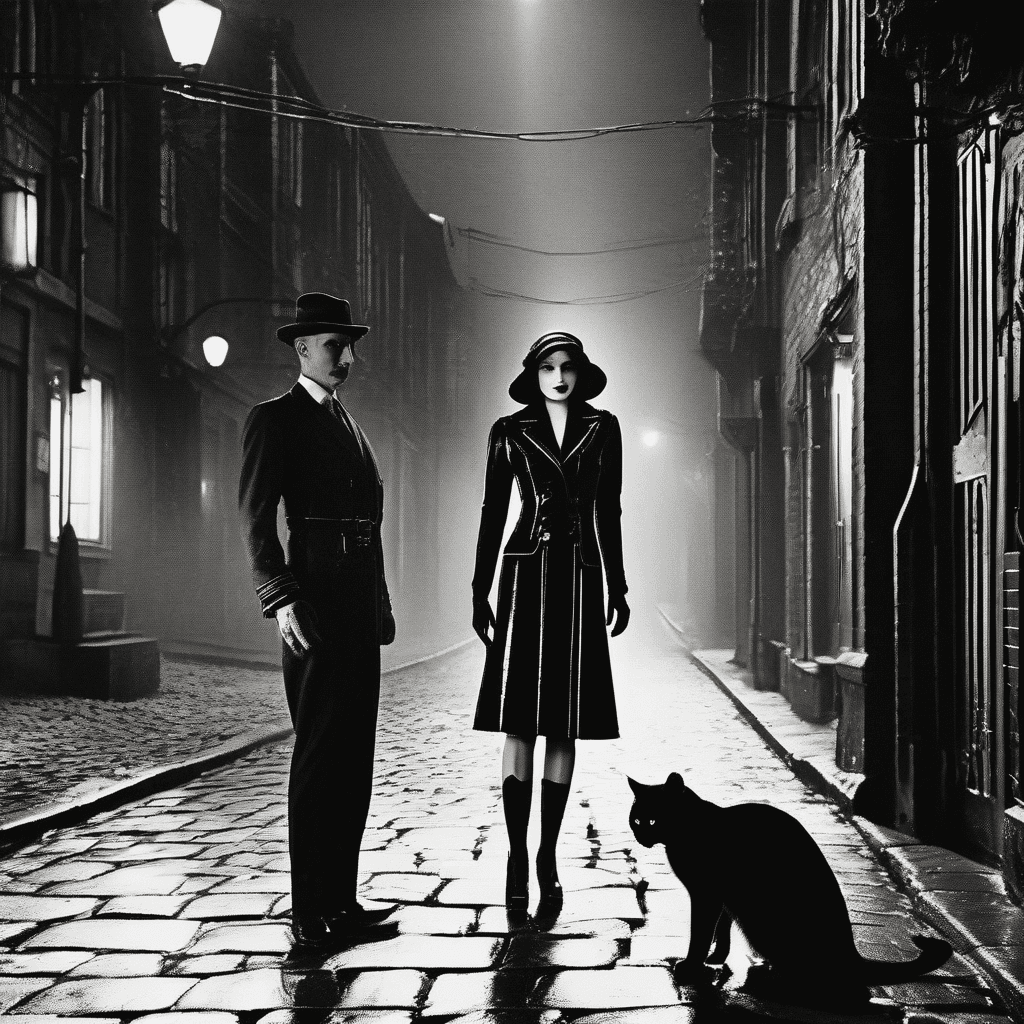
“Discover how the forgotten anomalies of early cinema, from artificial men to hypnotic villains, laid the transgressive groundwork for the modern cult movie phenomenon.”
Cult cinema is often historically tethered to the 1970s—a decade of midnight movies, sticky-floored grindhouses, and the rise of the counter-culture. However, the true genetic markers of the cult phenomenon were spliced much earlier, in the flickering, nitrate-fueled shadows of the early 20th century. To understand why we worship the strange, the broken, and the transgressive today, we must look back at the silent era anomalies and early talkie curiosities that defied the burgeoning Hollywood machine. These films weren't just entertainment; they were the first tremors of a cinematic rebellion that would eventually find its tribe among the disenfranchised and the obsessive.
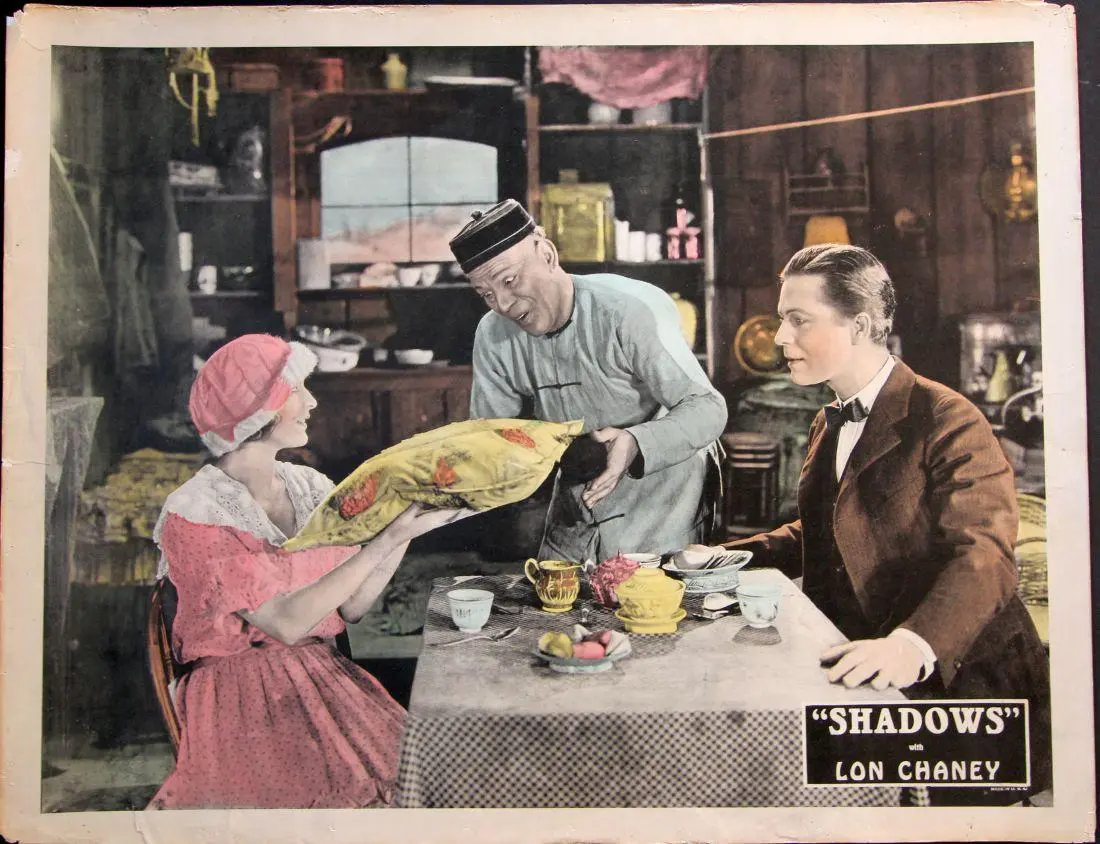
The Artificial Soul: Existential Dread in Early Sci-Fi
Long before the replicants of Blade Runner or the cyborgs of Ghost in the Shell, early cinema was obsessed with the creation of the artificial human. This obsession found a chilling voice in the German serial Homunculus, 2. Teil - Das geheimnisvolle Buch. The story of a man created in a laboratory, devoid of a soul and seeking vengeance on a world that cannot love him, perfectly encapsulates the outsider ethos of cult cinema. It is a narrative of profound alienation, a theme that resonates deeply with the cult audience. The idea of the 'manufactured man' who rebels against his creator is a primal scream that echoes through the history of the fringe.
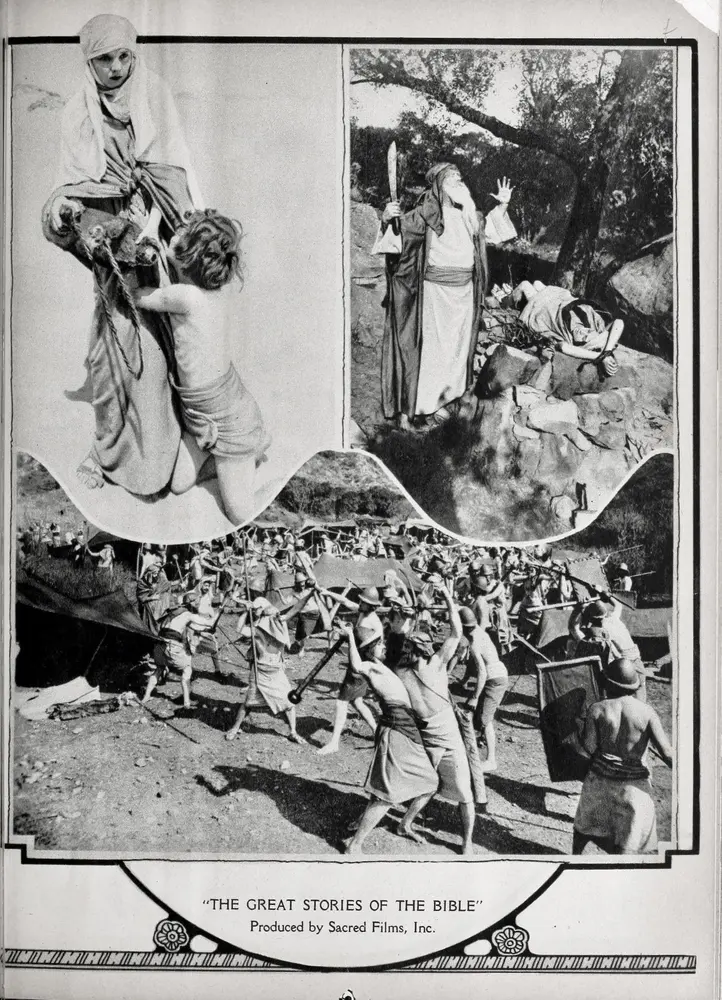
Similarly, the lost masterpiece Lilith and Ly pushed the boundaries of the uncanny. By blending ancient mythology with the emerging technology of the motion picture screen, it suggested that the camera itself was a tool of necromancy. An inventor bringing a statue to life only to see her appear on a screen he developed is a meta-textual layer that would make modern directors like David Cronenberg or David Lynch blush. These films were not merely telling stories; they were questioning the nature of reality and the morality of creation, forcing the audience into a space of intellectual and spiritual discomfort—the very hallmark of the cult experience.

The Social Pariah and the Pulp Newspaper Drama
While some cult films found their power in the supernatural, others drew it from the gritty reality of the urban jungle. The 'newspaper movie' became a vessel for social critique and the exploration of the underdog. In What No Man Knows, we see the prototype of the socially conscious crusader. Norma Harvey, a newspaperwoman navigating the slums, represents the moral outlier—someone who sees the rot in the system and refuses to look away. This film, along with Powers That Prey, where a daughter takes over her father’s newspaper to fight a crooked politician, established the 'rebel with a cause' archetype that is central to the cult identity.
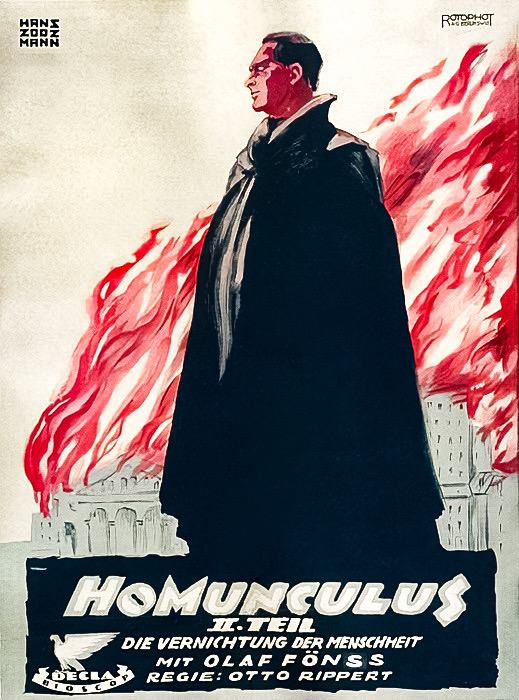
These narratives were often dismissed by high-brow critics of the time as mere sensationalism, but for the audiences living in the shadows of the Industrial Revolution, they were a mirror. The narrative anarchy found in films like The Active Life of Dolly of the Dailies offered a serialized thrill that demanded a new kind of viewer: the dedicated follower. By following Dolly’s exploits across multiple episodes, audiences weren't just watching a movie; they were participating in a ritual of devotion, a precursor to the modern 'binge-watching' culture and the obsessive fandoms of today.
Hypnosis, Obsession, and the Macabre
The cult mindset is often characterized by a loss of agency—the feeling of being 'captured' by a film. Early cinema leaned heavily into this literalized through the trope of hypnosis. In The Stolen Voice, a world-renowned opera singer is rendered mute by a jealous rival's hypnotic suggestion. It is a terrifying exploration of the theft of identity and the fragility of the human ego. This theme of being controlled by an external, often malevolent force, is a recurring motif in transgressive cinema, from the mind-control of The Manchurian Candidate to the psychedelic ego-death of Enter the Void.
Obsession takes an even more gothic turn in Pest in Florenz. Set against the backdrop of a plague-ridden Florence, it depicts an evil seductress who drives a father and son to the point of madness and murder. The film’s use of the plague as a metaphor for the infectious nature of desire is a masterclass in atmospheric dread. This 'beautiful rot' aesthetic is a core component of the cult allure—the attraction to things that are simultaneously gorgeous and repulsive. It is the same impulse that draws audiences to the body horror of the 80s or the dark romanticism of early 2000s gothic cinema.
The Serial Queen and the Criminal Underground
No discussion of early cult foundations is complete without mentioning the transgressive power of the criminal serial. The Vampires: The Thunder Master introduces us to the iconic Irma Vep, a character who would become the patron saint of the cinematic underground. Clad in her black silk catsuit, Irma Vep was the ultimate disruptor. She moved through the shadows of Paris, a phantom of the criminal underworld, defying the law and the gender norms of the 1910s. The Vampires serial was not about vampires in the supernatural sense, but about a secret society of criminals—a 'cult' within the film that mirrored the burgeoning 'cult' of the audience.
The meta-commentary of the era also reached a fever pitch with The Golem and the Dancing Girl. Here, an actor impersonates the very monster he made famous as a practical joke, leading to a series of bizarre complications. This film essentially invented the 'meta-cult' movie, where the film acknowledges its own existence and the celebrity of its monsters. It prefigures the self-referential humor of modern horror and the way cult icons like Bruce Campbell or Nicolas Cage interact with their own mythologies.
Bizarre Inventions and the Satire of the Machine
Sometimes, cult status is born from sheer, unadulterated strangeness. The 1919 film Good-Bye, Bill is a perfect example. A German-American professor invents a 'mustache fixer' that makes the wearer look fierce—a bizarre satire of the militarism of WWI. This kind of absurdist, almost surrealist humor is a vital thread in the cult tapestry. It represents a refusal to take the world seriously, a subversion of the 'important' narratives of the day in favor of the ridiculous.
This spirit of experimentation extended to films like It's a Bear, where a studious son of a wealthy Bostonian pursues an interest in insects, leading to a fish-out-of-water adventure in the Wild West. The juxtaposition of the academic and the primal, the refined and the raw, is a classic cult dynamic. It celebrates the eccentric, the 'bug-hunter' in a world of cowboys, suggesting that the true hero is the one who dares to be different.
The Global Reach of the Fringe
Cult cinema has always been a global phenomenon, and the early century was no different. From the gaucho dramas of Argentina in Nobleza gaucha to the rugged Australian landscapes of A Girl of the Bush, the fringe was everywhere. These films often dealt with themes of abduction, corrupt authority, and the struggle for survival in harsh environments. In A Girl of the Bush, Lorna Denver’s management of a sheep station and her protection of an orphaned baby against the elements and evil suitors provides a blueprint for the 'strong female lead' that would become a staple of cult action and exploitation cinema.
The historical dramas of the era, such as Lady Hamilton and The Seats of the Mighty, also contributed to the cult DNA by focusing on the 'rise and fall' of figures who lived outside the moral boundaries of their time. These were stories of grand passions, political intrigue, and the eventual crushing weight of society—narratives that the cult audience, often feeling like outcasts themselves, embraced with fervor. Even the short-form comedies like The Plumber or the Sherlock Holmes mystery The Golden Pince-Nez contributed to a culture of 'niche viewing,' where the specificities of a genre or a character became more important than broad commercial appeal.
Conclusion: The Eternal Flame of the Unconventional
The 50 films referenced in this exploration—from the high-society boredom of Beach of Dreams to the tragic poacher in The Mother of Dartmoor—are more than just historical footnotes. They are the ancestral spirits of the modern cult movie. They taught us that cinema could be a place for the strange, the hypnotic, the political, and the absurd. They showed us that a film didn't need a massive budget or a conventional hero to find an audience; it just needed a soul that resonated with the 'others.'
As we continue to dive into the depths of the cinematic underground, we find that the 'new' transgressive visions of today are often just echoes of the silent era's radical misfits. The next time you find yourself at a midnight screening of a modern oddity, remember the mustache-fixers, the soul-less homunculi, and the hypnotic opera singers of the past. They were the ones who first turned the projector into a portal for the unconventional, ensuring that the flame of cult cinema would never, ever be extinguished.
Community
Comments
Log in to comment.
Loading comments…