
Film History
The Nitrate Pariahs: Why Silent Cinema’s Subversive Taboos Are the True Ancestors of the Cult Mindset

“Long before midnight movies or the VHS boom, the silent era was already weaponizing political satire, real-life assassins, and dark fairy tales to forge the first truly devotional film culture.”
To the uninitiated, the term 'cult film' conjures images of 1970s grindhouses, grainy VHS tapes of Italian cannibal films, or the glitter-soaked rituals of a midnight screening of The Rocky Horror Picture Show. But if you peel back the layers of cinematic history, past the neon of the eighties and the grit of the New Hollywood era, you find a far more volatile and dangerous foundation. The true DNA of the cult obsession was born in the flickering, highly flammable world of nitrate film. Between 1910 and 1925, cinema wasn't just an emerging art form; it was a lawless frontier where directors were experimenting with social taboos, political firestorms, and psychological depths that would make modern 'transgressive' directors blush.
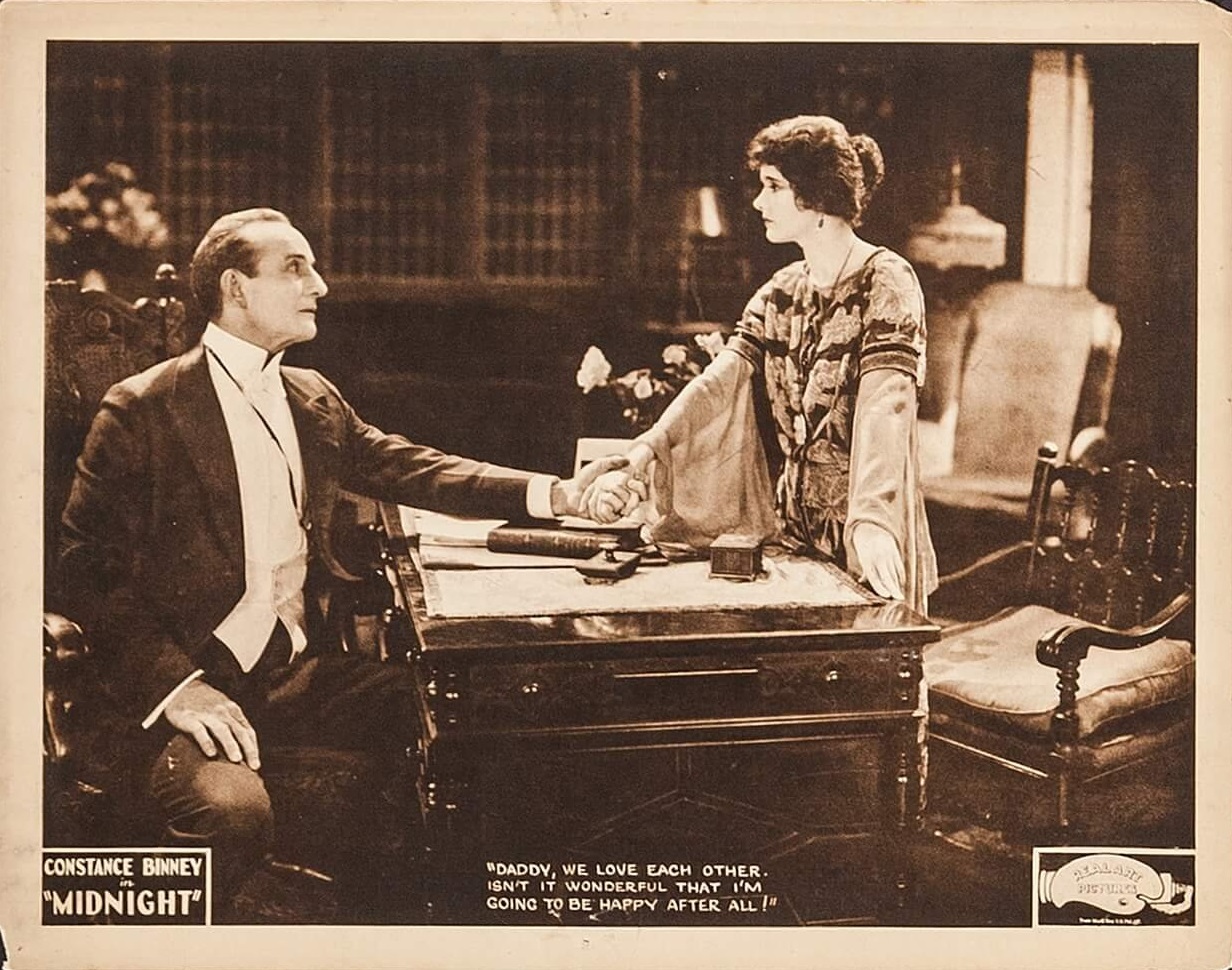
The allure of the 'cult' has always been rooted in the forbidden, the misunderstood, and the marginalized. In the silent era, this wasn't an aesthetic choice—it was a survival mechanism. These early works often existed on the periphery of polite society, speaking to audiences who felt the weight of collapsing empires and shifting moralities. When we look at films like The City Without Jews or the shocking reality of El drama del 15 de Octubre, we aren't just looking at antiques; we are looking at the blueprints for every subversive movement that followed.

The Prophetic Outcast: Satire as Survival
Perhaps no film in the silent canon embodies the 'cult of the rediscovered' more than Hans Karl Breslauer’s 1924 work, The City Without Jews. For decades, this film was a ghost, a legend whispered about in film archives but largely thought lost until a chance discovery in a Parisian flea market in 2015. Its narrative is a chillingly prescient satire of anti-Semitism in the Republic of 'Utopia' (a thinly veiled Vienna), where the Jewish population is expelled as a scapegoat for economic collapse.
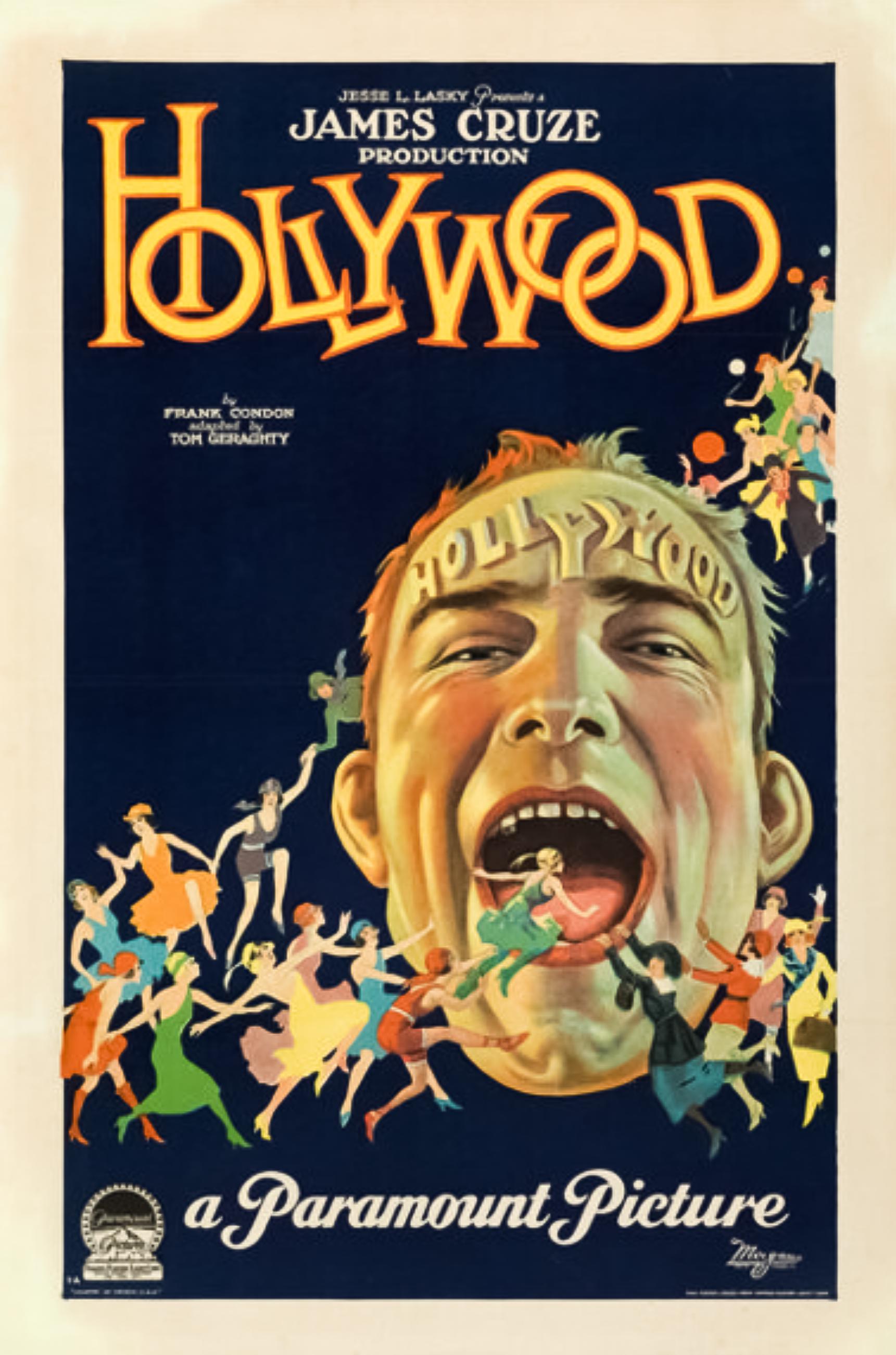
What makes this a proto-cult film is its intersection of art and terrifying reality. It wasn't just a movie; it was a lightning rod. The film’s lead actor, Ida Jenbach, later died in the Holocaust, and the film itself was banned and suppressed by the very forces it sought to satirize. This is the ultimate 'forbidden' text. Cult cinema thrives on the idea that the image on screen contains a truth too dangerous for the mainstream to handle. In 1924, The City Without Jews was that truth. It utilized comedy and drama to expose a rot in the social fabric, creating a viewing experience that was as much a political act as it was entertainment.
The Ethics of the Real: When Assassins Play Themselves
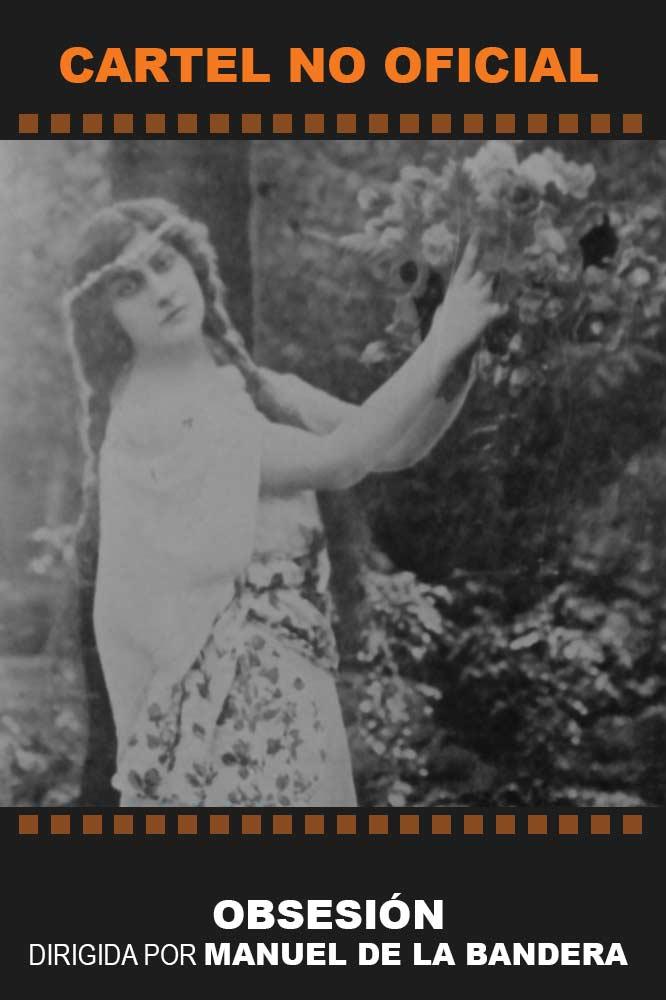
Long before the 'mondo' films of the 60s or the true-crime obsession of the streaming era, there was El drama del 15 de Octubre (1915). This Colombian production is one of the most controversial artifacts in film history, and for good reason: it featured the actual assassins of General Rafael Uribe Uribe. Galarza and Carvajal, the men who swung the hatchets, appeared on screen to reconstruct their crime just one year after the event.

The boundary between the screen and the street was never more porous than in the early days of nitrate, where the spectacle of death was a commodity long before the term 'exploitation' was coined.
The public outcry was so severe that the film was largely destroyed, and the director, Francesco Di Domenico, was hounded by the church and the state. This is the primal scream of the cult aesthetic—the desire to see the 'unseeable,' to witness a reality so raw and ethically compromised that it demands to be hidden. It predates the 'snuff film' urban legends by half a century, proving that the human appetite for the macabre and the morally ambiguous is a foundational element of the cinematic experience.
The Diva and the Damned: European Transgression
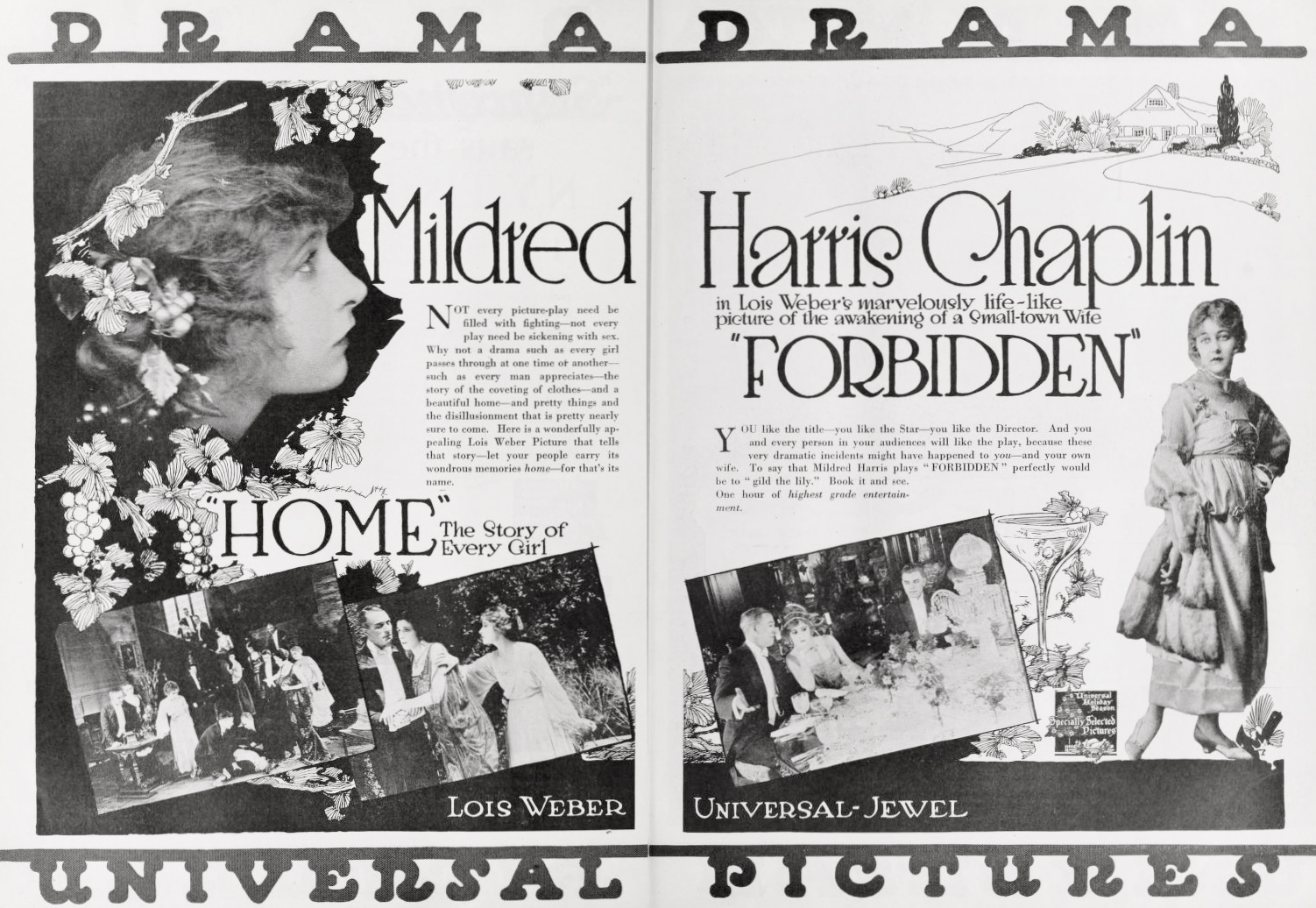
While the Americas were exploring the 'Wild West' through films like The Rattlesnake or Cupid's Brand, European cinema was descending into the psychological abyss. The Italian 'Diva' films, exemplified by Nino Oxilia’s Sangue blu (1914), offered a different kind of cult magnetism. Starring the legendary Lyda Borelli, the film is a masterclass in the aesthetic of suffering and aristocratic decadence.
Borelli’s performance—full of languid poses, tortured glances, and a physical language of despair—birthed a devotional following known as 'Borellismo.' Young women in Italy imitated her walk, her hair, and her tragic air. This was the first true 'fandom' that bordered on the religious, a hallmark of the cult film experience. Sangue blu dealt with divorce, blackmail, and the loss of a child—themes that were scandalous for the era but resonated with a public that saw the old world of royalty and 'blue blood' crumbling around them. The Diva wasn't just an actress; she was a vessel for the collective anxieties of a generation.
The Shadow of the Fairy Tale
Even the most innocent of stories were not safe from the creeping darkness of the early cult mind. Der verlorene Schuh (The Lost Shoe, 1923) took the Cinderella myth and filtered it through the lens of German Expressionism. Unlike the sanitized versions we know today, this film is steeped in shadows and an atmosphere of dread. The silent era understood that fairy tales were originally cautionary, often brutal stories. By leaning into the 'darker' side of the narrative, directors like Ludwig Berger were catering to an audience that found more comfort in the uncanny than in the bright lights of traditional theatre.
The Urban Grime: Poverty as Proto-Cult
Before the 'kitchen sink' realism of the 1950s or the 'mumblecore' of the 2000s, silent cinema was already obsessing over the squalor of the city. Films like Humoresque (1920) and Everybody's Girl (1918) focused on the immigrant experience and the harsh realities of tenement life. In Everybody's Girl, the protagonists have to receive their company in public parks because their 'Brick Dust Row' rooms are too small and squalid to be called homes.
This focus on the 'unseen' population—the poor, the immigrant, the worker—is a core tenant of cult cinema. It gives a voice to those on the fringes. Humoresque, while a massive success, retained a sense of niche devotion because it spoke so specifically to the Jewish-American experience of the Lower East Side. It wasn't just a story about a violinist; it was a story about the cost of the American Dream. The 'cult' element here is the deep, personal identification that specific audience segments felt with the screen—a connection that far surpassed the casual viewing of a blockbuster.
- Social Subversion: Early films often bypassed the censors to show 'immoral' lifestyles, such as the gambling saloon in Money Magic (1917).
- The Documentary of the Other: Nanook of the North (1922) created a cult of the 'exotic,' blurring the lines between staged drama and ethnographic study.
- The Macabre Justice: The Master Mind (1920) explored the diabolical schemes of revenge that would later become a staple of cult noir and horror.
The Ghost in the Projector
Why does this matter to the modern cult fan? Because we are still chasing the same ghosts. Every time we seek out a 'banned' film or a director's cut that was suppressed by a studio, we are participating in a tradition that began when audiences huddled in the dark to watch The City Without Jews. The silent era was not a time of innocence; it was a time of radical experimentation. The lack of sound forced filmmakers to rely on a visual language that was often surreal, exaggerated, and deeply psychological—the very qualities we prize in cult cinema today.
The 'Nitrate Pariahs' were the first to understand that cinema’s greatest power isn't in its ability to reflect the world, but in its ability to subvert it. Whether it was the high-speed chase of a car and a bed in Scamps and Scandals or the grim social barriers of Barriers of Society, these films were pushing against the edges of the frame. They were the original 'misfit reels,' and their influence continues to ripple through the underground, reminding us that the most enduring visions are often the ones that were never meant to be seen by everyone—only by those who know where to look in the shadows.
Community
Comments
Log in to comment.
Loading comments…