
Cult Cinema
The Nocturnal Codex: Unveiling the Transgressive Rhythms and Collective Obsession of Cinema’s First Renegades

“Explore how the early century's forgotten films, from Corsican duels to silent alchemists, laid the groundwork for modern cult movie worship and cinematic rebellion.”
The history of cult cinema is often told as a post-1960s phenomenon, a neon-soaked rebellion born from the midnight screenings of the counter-culture era. However, the true genetic markers of the cult aesthetic—the narrative dissonance, the moral ambiguity, and the defiant rejection of mainstream tropes—were forged in the nitrate shadows of the early 20th century. To understand why we worship the cinematic outlier today, we must look back to the silent era’s most daring experiments, where films like Chûshingura and Der Alchimist first dared to challenge the boundaries of the frame. These were the original renegades, the films that didn't just tell stories but invited a specific, devoted kind of observation that transcended mere entertainment.
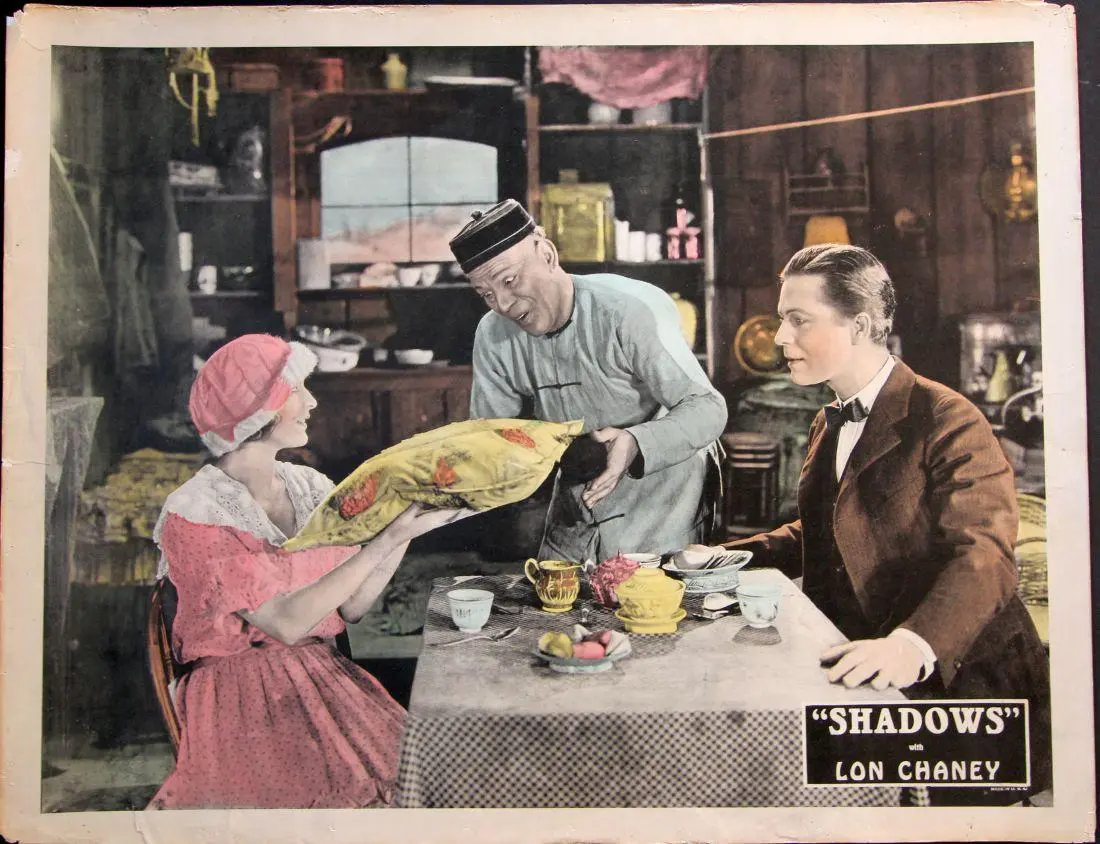
The Genesis of the Cinematic Misfit
Cult cinema is defined by its relationship with the audience. It is not a genre but a covenant. In the early days of feature-length storytelling, works like Chûshingura (the earliest surviving feature depicting the 47 ronin) established the template for the obsessive fan. The legend itself was already a part of the cultural fabric, but its cinematic translation allowed for a new kind of immersion—a meticulous study of ritual, honor, and sacrifice that would later define the "genre-devotion" seen in modern cult circles. This wasn't just a movie; it was a sacred text rendered in silver halide.

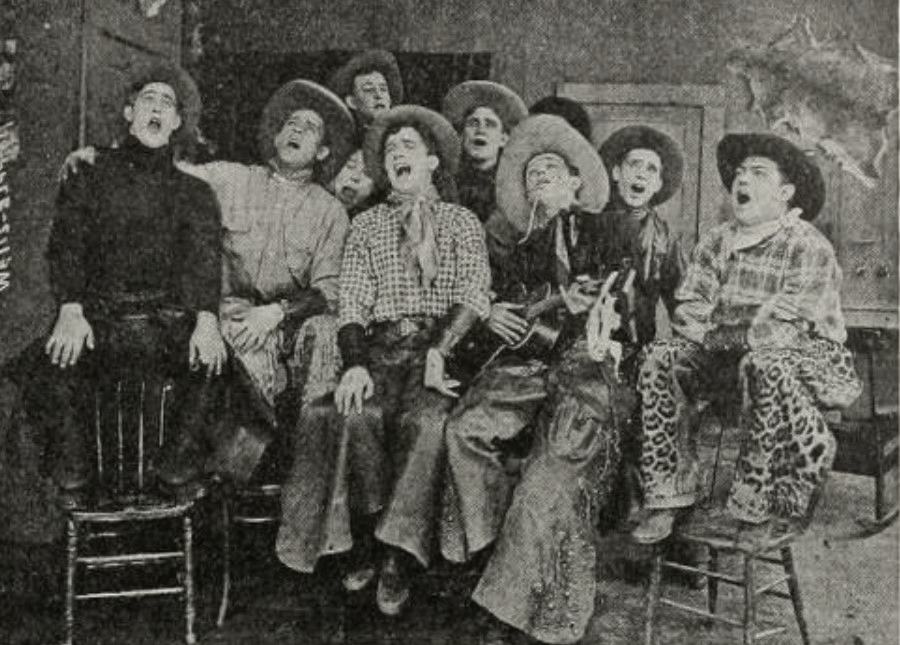
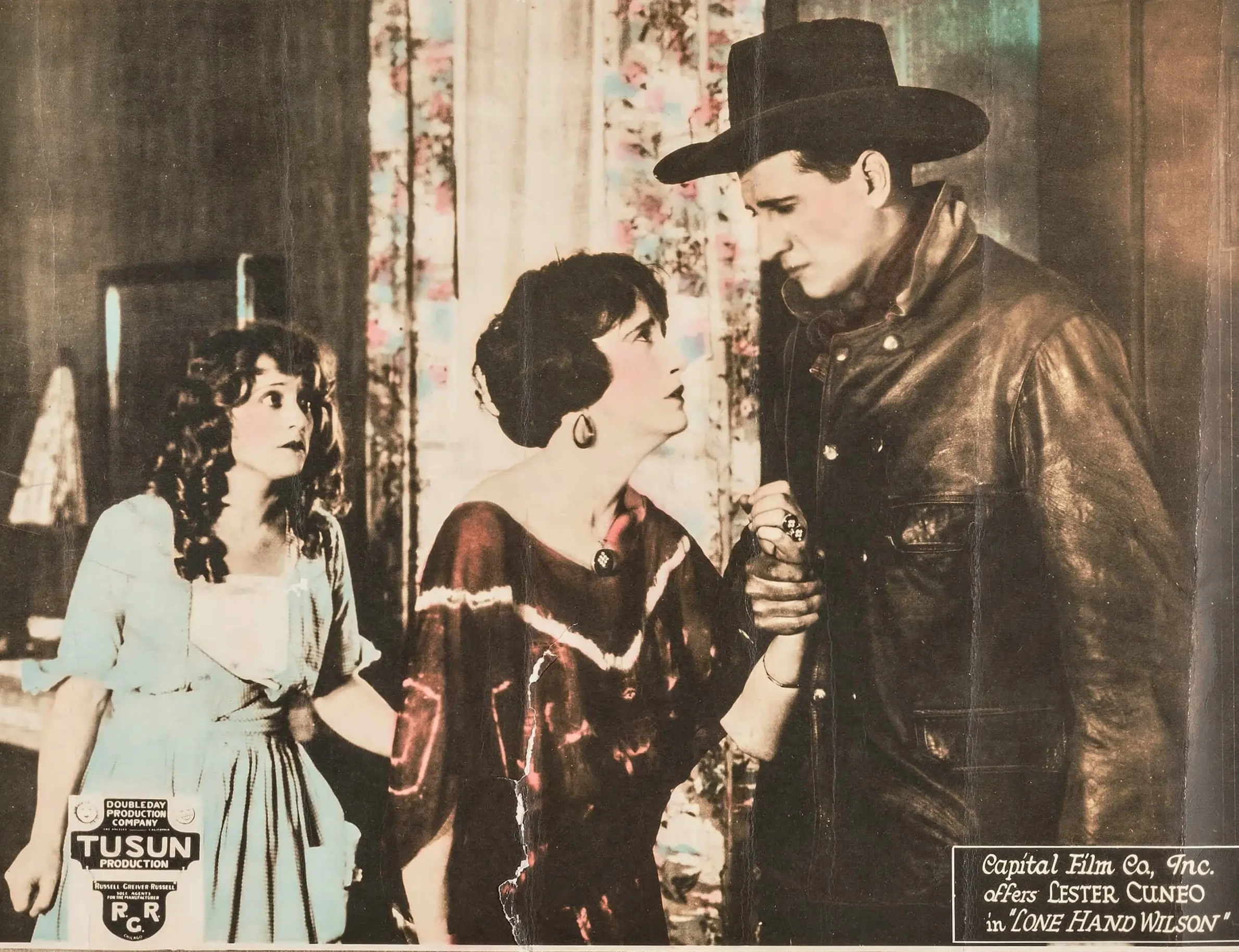
Parallel to these grand epics were the smaller, more eccentric character studies that began to populate the fringe. Take, for instance, The Hero of the Hour. On the surface, it is a tale of a father attempting to "make a man" out of his effeminate son by shipping him off to a ranch. Yet, through a modern lens, it represents an early subversion of masculine archetypes. The cult appeal of such films lies in their friction—the way they rub against the grain of societal expectations. Similarly, Lone Hand Wilson presents the solitary figure, the gambler who shuns company, creating a prototype for the "loner" hero that would eventually populate the works of Jarmusch or Leone. These characters were not the polished icons of the studio system; they were the rough-hewn precursors to the cinematic anti-hero.
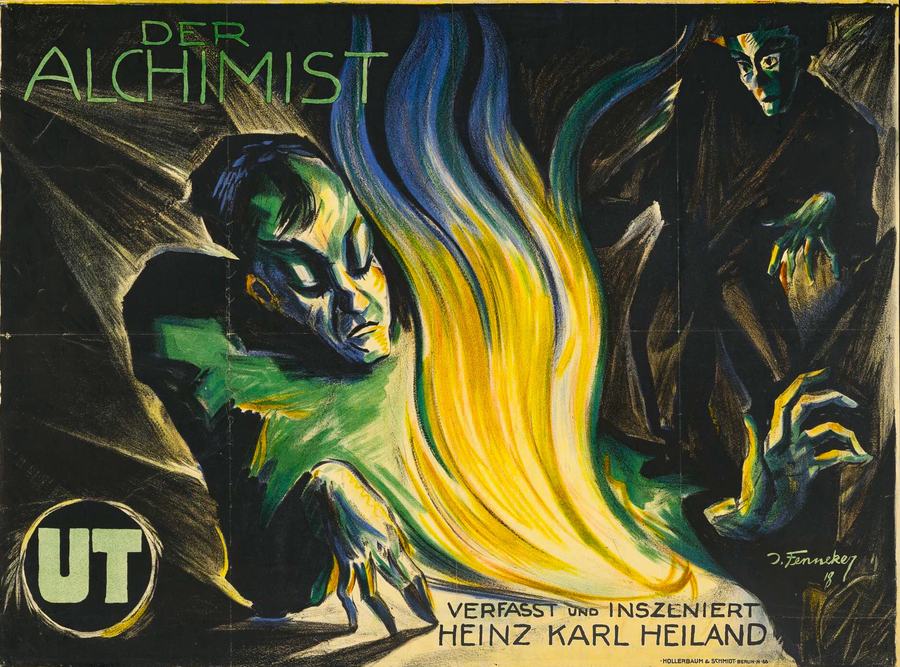
Identity, Forgery, and the Art of Deception
A recurring theme in early cult-adjacent cinema is the fluidity of identity. The fascination with the "imposter" or the "forger" speaks to a deeper anxiety about the burgeoning modern world. In The Dangerous Talent, a stenographer’s ability to forge handwriting becomes a tool for survival and social mobility. This narrative of the "moral outlaw" is a cornerstone of cult worship. We are drawn to characters who navigate the world via their own set of rules, much like the siblings in A Wife's Sacrifice who assume the identities of the deceased to claim a fortune. These films didn't just present morality plays; they presented moral puzzles.
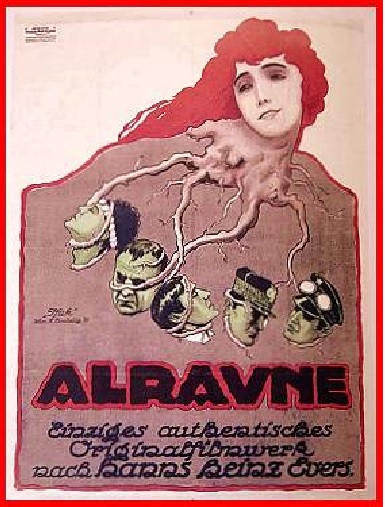
The cult mind thrives on these puzzles. In The Dazzling Miss Davison, the mystery of a society girl handing over diamonds to a disreputable man creates a narrative tension that refuses to be neatly resolved. This "dazzling" ambiguity is what keeps a film alive in the collective consciousness long after the credits roll. It is the same energy found in The Triple Clue or The Black Circle, where reporters and detectives navigate a labyrinth of political corruption and personal secrets. These films taught audiences to look closer, to distrust the surface, and to find beauty in the shadows—the very essence of the cult gaze.
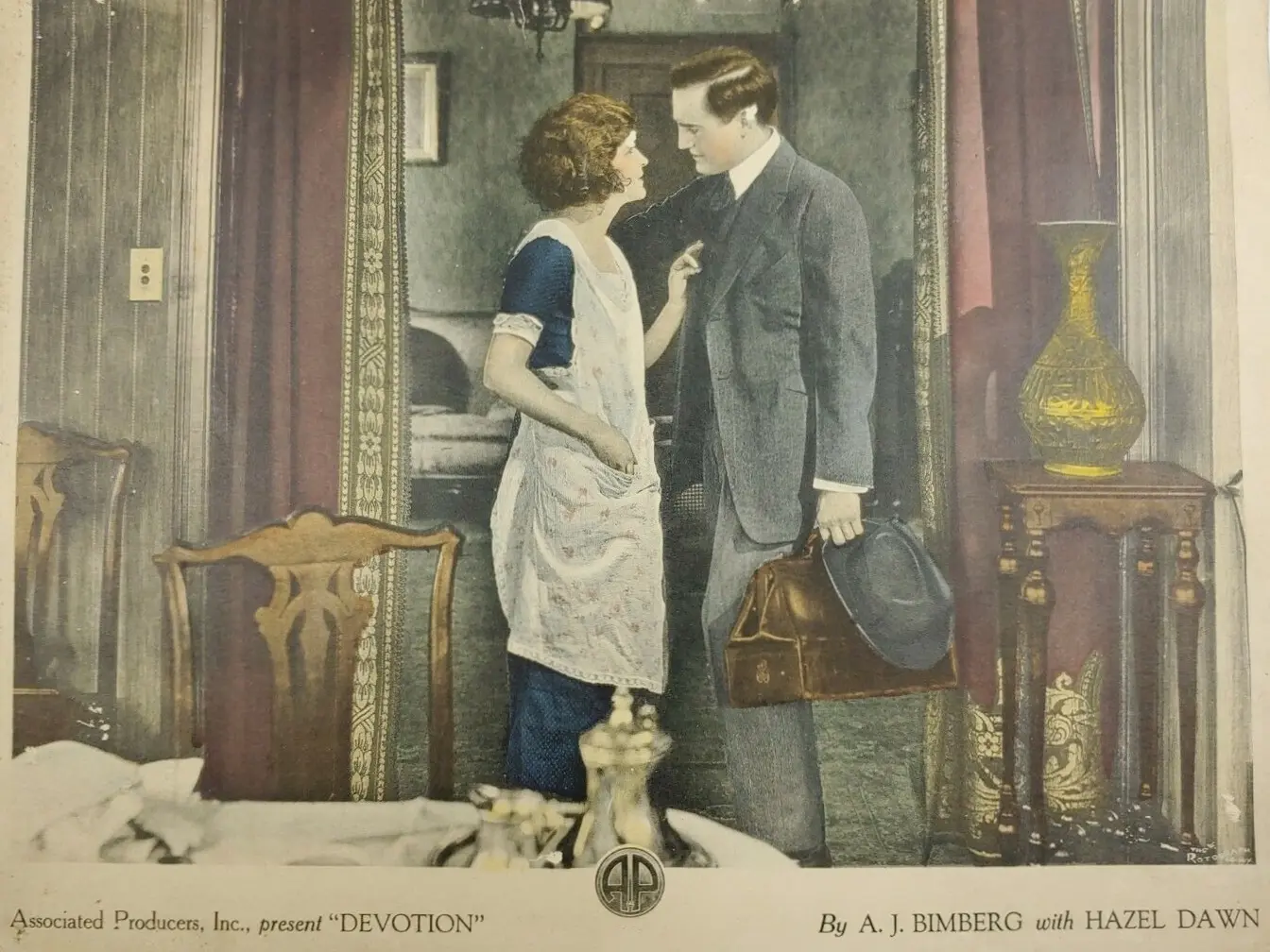
The Urban Nightmare and the Rural Mythos
The transition from the country to the city provided a fertile ground for early transgressive cinema. Mary Ellen Comes to Town is a classic example of the "innocent abroad" trope, but its cult resonance comes from its unflinching look at the "unscrupulous city-slickers" who prey on the naive. This clash of values is mirrored in The Gift Girl, where a child born in a Persian forest is thrust into an English settlement, and New Love for Old, where a mountain resort becomes a stage for cruel romantic games. These stories tapped into a primal fear of the "other," a theme that would later be amplified in the horror and exploitation films of the 70s.
Alchemists and Moons: The Birth of the Surreal
If there is a spiritual ancestor to the "weird" cinema of David Lynch or Alejandro Jodorowsky, it is found in the short-form experiments of the silent era. Der Alchimist and Das Haus zum Mond (The House to the Moon) represent the first tentative steps into the surreal. These films weren't bound by the logic of the physical world. They were interested in transformation—the turning of lead into gold, or the journey into the celestial unknown. This alchemical spirit is what defines the most enduring cult films; they are works that seek to transform the viewer’s perception of reality.
The visual language of these films—the heavy use of shadows, the exaggerated sets, and the dreamlike pacing—created a sense of cinematic otherness. Even a film like A Hyeroglyphák titka (The Secret of the Hieroglyphs) suggests a fascination with the ancient and the arcane that bypasses the rational mind. This is the "sacred weirdness" that cult fans crave. It is an aesthetic of the unexplained, where the atmosphere is more important than the plot. This tradition continued in works like Jungle Jumble, where the title itself suggests a chaotic, unrefined energy that defies the orderly structures of mainstream production.
The Moral Outcast and the Path to Redemption
Cult cinema often finds its home in the stories of the misunderstood and the maligned. The Web of Life tells of a boy who gravitates toward "dissipation and evil ways," while The Tower of Jewels follows a member of a criminal gang who finds a home in the house she intended to rob. These narratives of redemption and social friction resonate with the "misfit" identity of the cult audience. We see ourselves in the characters who don't fit in, like the protagonist of The Wall Flower, who is treated as a hopeless outcast by her own family until a moment of unexpected grace changes her trajectory.
This theme of the "unseen" or the "uncelebrated" is powerful. In Mary Jane's Pa, a man returns home after fifteen years to find his wife running a newspaper—a subversion of the traditional family dynamic that feels remarkably modern. Similarly, The Stepping Stone explores the self-sacrificing wife of an ambitious but lazy man, highlighting the domestic tensions that early cinema often brushed under the rug. These films were subversive because they dared to show the cracks in the American (and global) dream. They were the "social horrors" of their time, paving the way for the transgressive dramas that would later define the cult canon.
Propaganda, Burlesque, and the Midnight Mindset
Not all cult origins are found in drama. The "midnight movie" spirit of irreverence and absurdity can be traced back to early comedies and shorts. April Fool, a burlesque on the life of a sailor, and Fists and Fodder, which features a tramp being lectured on the morality of stealing, showcase the slapstick anarchy that would eventually evolve into the "bad cinema" or "camp" appreciation of later decades. Even the bizarre specificity of Chop Suey & Co. or the frantic energy of Fast and Furious (the 1921 short) points toward a future where speed, chaos, and cultural mashups would become a genre unto themselves.
Furthermore, the "Bridge of Ships"—a propaganda documentary like Our Bridge of Ships—or the ethnographic curiosity of The Land of the Pygmies show how cinema was used to document the "other" and the "industrial," creating a visual archive that cult fans would later mine for its unintentional surrealism. The way we look at these films today—as artifacts of a lost world—is inherently a cult activity. We are searching for the flicker of truth in the artifice of the past.
The Legacy of the Forgotten Frame
Why do films like Mr. Barnes of New York or Clover's Rebellion still matter to the cult historian? Because they represent the moment when cinema began to understand its own power to provoke. Whether it is a Corsican vendetta or a wealthy heiress choosing a struggling doctor over a Duke, these films were about choice—the choice to defy tradition, to seek revenge, or to forge a new path. This is the Maverick Soul of cinema.
The 50 films discussed here—from the high-stakes stock market drama of The Highest Bid to the dog races of The Northern Trail—form a mosaic of human experience that is as varied as it is strange. They remind us that the "mainstream" was always a construction, and that there were always filmmakers working in the margins, creating works that were too weird, too moralistic, or too experimental for the masses. These are the films that built the Nocturnal Codex, the hidden history of cinema that belongs to the dreamers, the outcasts, and the midnight worshippers. As we continue to unearth these nitrate relics, we find that the cult spirit is not a modern invention, but an ancient fire that has been burning since the very first time the light hit the screen.
Conclusion: The Eternal Return of the Outlaw
In the end, cult cinema is about the persistent ghost. It is the film that refuses to stay buried, the story that finds its way into the hands of a new generation of seekers. Whether it is the mischievous son in Tom Brown's Schooldays or the falsely accused man in Vanity, these narratives of injustice and resilience are timeless. They speak to our desire for a world that is more complex, more dangerous, and more beautiful than the one we are told exists. By decoding the transgressive rhythms of these early renegades, we don't just learn about the history of film; we learn about the enduring power of the rebel heart. The archive is open, and the flicker of the forbidden is waiting to be seen once more.
Community
Comments
Log in to comment.
Loading comments…