
Cult Cinema
The Obsidian Cipher: Decoding the Primal Transgressions and Niche Devotion of Cinema’s Early Outliers

“Before the midnight movie became a marketing category, the silent era’s most daring experiments in identity, trauma, and surrealism laid the psychological groundwork for modern cult cinema.”
The genesis of cult cinema is often erroneously attributed to the counter-culture explosion of the late 1960s and early 1970s. We speak of the midnight movie as if it were a modern invention, a byproduct of the psychedelic era or the gritty urban malaise of the grindhouse age. However, to truly understand the transgressive DNA of the cult film, one must peel back the layers of celluloid history to the 1910s and early 1920s. It was here, in the flickering shadows of the silent fringe, that the first seeds of niche devotion were sown. These were films that existed outside the polite boundaries of Victorian melodrama, exploring the fractured psyche, the allure of the occult, and the social pariahs who would eventually become our cinematic icons.
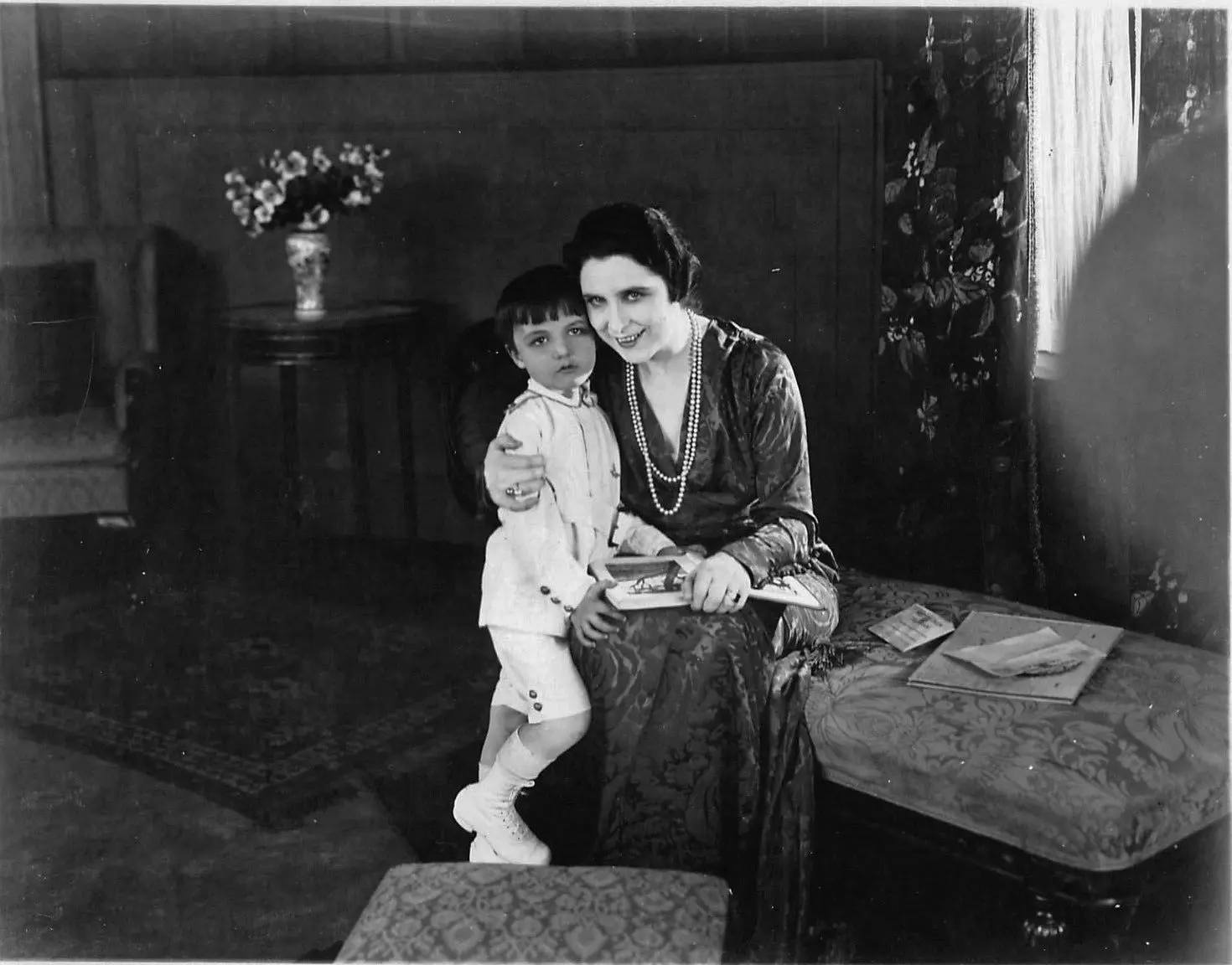
The Bifurcated Soul: Psychological Horror in the Silent Fringe
At the heart of any cult masterpiece is a fascination with the duality of man. Long before the slasher genre codified the masked killer, 1917’s The Brand of Satan (directed by George Archainbaud) presented a chilling exploration of the split personality. The narrative follows a man who discovers he is living two lives: one a respectable citizen, the other a notorious strangler. This thematic obsession with the 'inner monster' is a cornerstone of cult cinema, reflecting a deep-seated anxiety about the hidden darkness within the human condition. It predates the psychological complexity of modern cult classics like Fight Club or American Psycho, proving that the silent era was already grappling with the moral mutations that define the genre today.
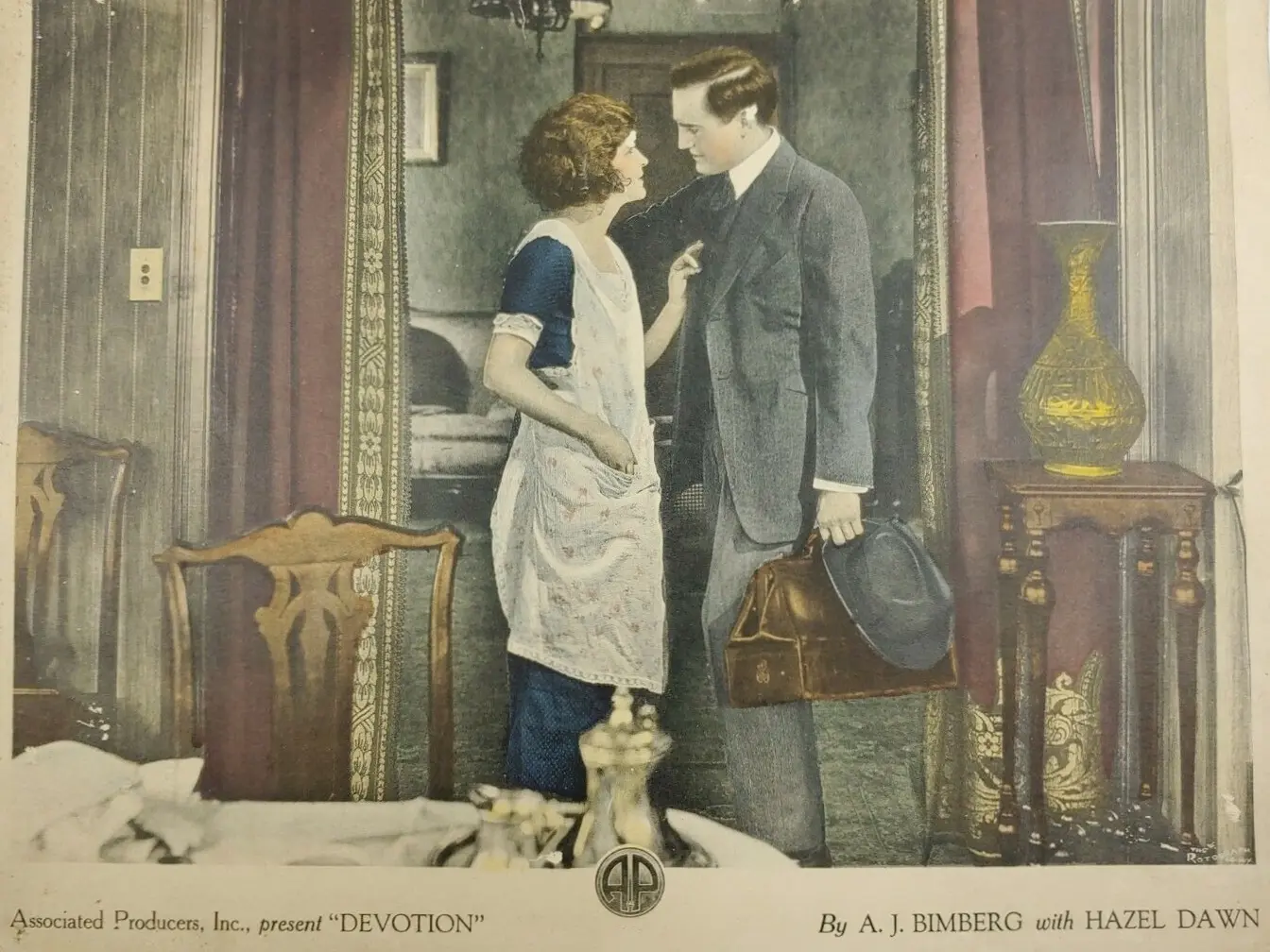
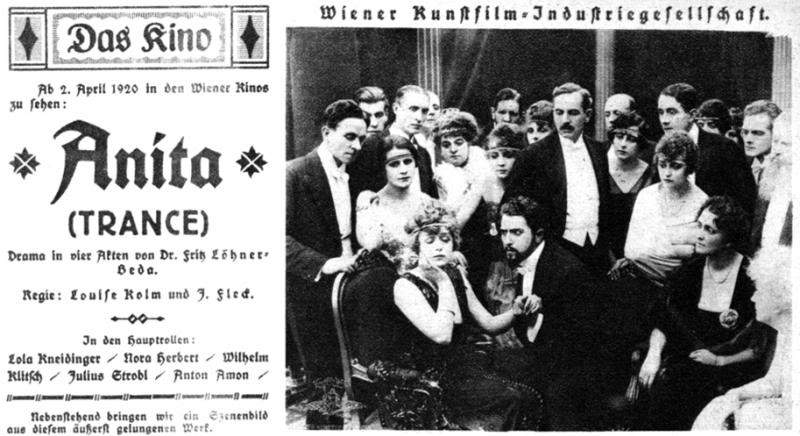
Similarly, the 1920 film Anita offered audiences a glimpse into the supernatural and the psychological through the lens of hypnotism. Depicting a society lady trapped under the spell of an unskilled hypnotist, it tapped into the era's fear of the loss of agency—a theme that resonates through the history of horror cults. This 'hypnotic gaze' is not just a plot device; it is a metaphor for the cinematic experience itself, where the audience is held captive by the flickering light, much like the characters on screen.
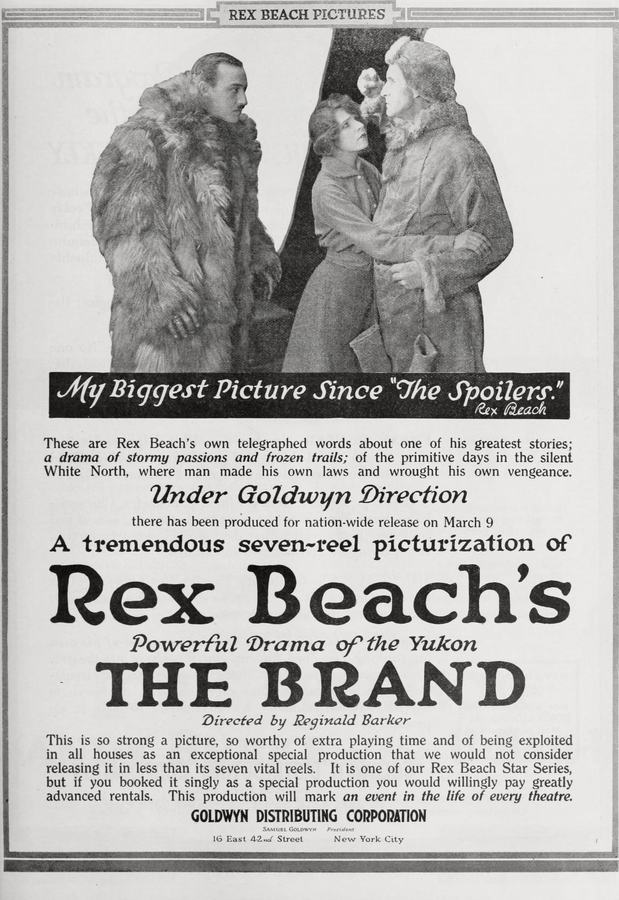
The Outcast’s Odyssey: From Social Pariahs to Cult Icons
Cult cinema has always been the refuge of the misfit. The 1917 film Little Miss Fortune gives us 'Sis,' a poor orphaned girl shunned by her community, whose only ambition is to find her place on the stage. This narrative of the 'unwanted' striving for recognition is a primal blueprint for the cult hero. We see this again in The Man Above the Law (1918), where Duke Chalmers, unlucky in love and disillusioned with civilization, retreats to New Mexico to become an illicit whiskey trader. Chalmers is the quintessential rebel protagonist—a man who rejects the hegemony of societal norms to forge his own path, however morally ambiguous it may be.
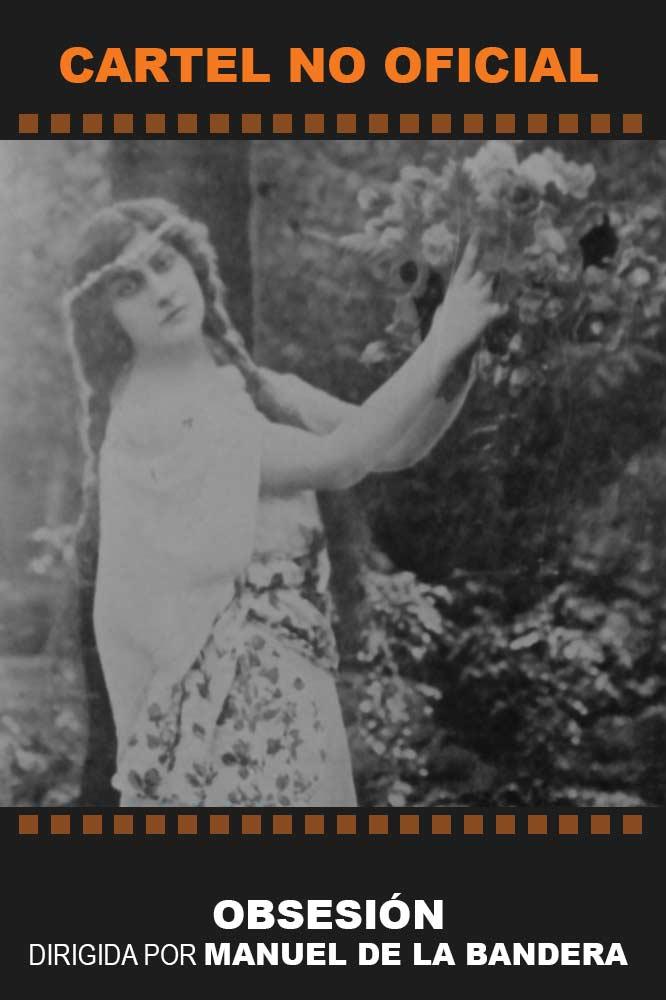
This rejection of 'civilized' society is a recurring motif in the context of the 1910s. Consider Wanted for Murder (1916), where the trauma of World War I leaves the protagonist, Dick Randall, dazed and wandering behind enemy lines. This portrayal of the shattered veteran, disconnected from the reality of the home front, prefigures the alienated protagonists of 1970s New Hollywood, which would later be reclaimed by cult audiences. The silent era didn't just tell stories; it captured the visceral sense of displacement that defines the cult experience.
Surrealist Whispers and the Ritual of the Image
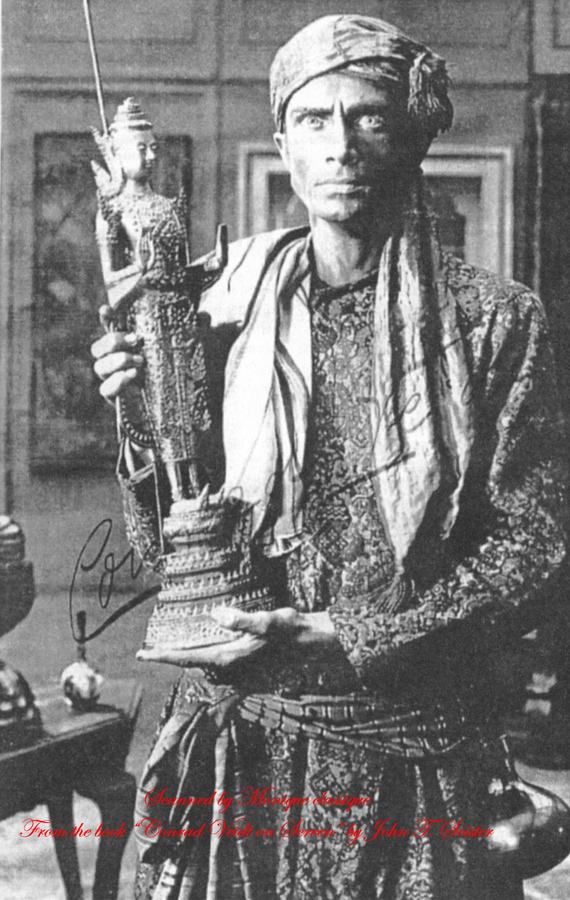
The aesthetic of the underground often relies on the power of the image to transcend narrative logic. The Lotus Dancer (1913) is a prime example, transporting viewers to a temple where virgins perform rituals of lotus worship under the guidance of solemn priests. This focus on the ritualistic and the exotic—even when framed through a colonial lens—created a sense of 'otherness' that fascinated early audiences. It is this same fascination with the ritual that drives the devotion behind films like The Holy Mountain or Suspiria.
Louis Feuillade’s serialized masterpiece, particularly The Vampires: The Terrible Wedding (1916), represents the early peak of the 'weird' in cinema. The persistent attempts on the life of Philip Guard by a secret criminal society created a sense of perpetual dread and narrative complexity that required a devoted, almost obsessive viewership. The 'Vampires' were not literal monsters, but a shadow organization, a concept that would become a staple of cult thrillers and conspiracy-driven narratives in the decades to follow.
The Absurdist Edge: Comedy as a Subversive Tool
Cult status is not reserved for the dark and the brooding; the absurdist and the slapstick have always held a special place in the hearts of niche fans. At the Ringside (1921), featuring Snub Pollard, uses a donkey behind a curtain to help a cop win a boxing match. This kind of surreal, low-brow humor is the ancestor of the 'so-bad-it's-good' or intentionally campy films that dominate modern midnight screenings. The sheer audacity of the premise—the mechanical deception of the boxing ring—speaks to a cinematic language that values the bizarre over the believable.
We also see the birth of the deadpan icon in Buster Keaton’s The Goat (1921). When Buster is mistaken for the notorious 'Dead Shot Dan,' the film pivots on a case of mistaken identity that leads to a series of escalating, physics-defying stunts. Keaton’s ability to remain stoic in the face of chaos created a persona that feels modern, a 'cool' detachment that has made his work a permanent fixture in the cult canon. These films weren't just comedies; they were disruptions of the physical world, pushing the boundaries of what the camera could capture and what the audience could accept.
Melodrama and the Cult of Suffering
The high-stakes emotionality of films like The Mad Woman (1915) or A Butterfly on the Wheel (1915) laid the groundwork for the 'melodramatic cult.' In The Mad Woman, a mother’s two-year search for her stolen son—taken by a nobleman to be reared in luxury—taps into a sense of cosmic injustice. This theme of the suffering mother or the neglected wife (as seen in A Butterfly on the Wheel) creates a deep empathetic bond with the audience, a hallmark of cult followings that center on emotional catharsis and 'weepies' that have been reclaimed by feminist and queer film theory.
Even the seemingly straightforward Sixty Years a Queen (1913), a biopic of Queen Victoria, contributed to the cult phenomenon through its sheer scale and the devotion to detail. For early audiences, these grand spectacles were more than movies; they were windows into other worlds, fostering a type of repeat viewership and historical obsession that mirrors the modern 'fandom' culture surrounding epic franchises.
The Mystery of the Unseen and the Dark Silence
Mystery films of the 1910s, such as The Unseen Witness (1920) and The Dark Silence (1916), utilized the limitations of the silent medium to create atmosphere. In The Unseen Witness, the murder of a milk magnate in his library sets off a chain of events where the truth is obscured by false accusations and hidden motives. The title itself—the 'unseen witness'—is a metaphor for the cult film viewer: the one who sees the patterns and the clues that the mainstream audience misses.
In The Dark Silence, a romantic triangle in Paris leads to a web of deception and broken hearts. The use of 'silence' in these films is not just a technical necessity; it is a narrative tool that heightens the sense of internalized drama. Cult cinema often thrives in the gaps—the things left unsaid, the scenes left on the cutting room floor, and the ambiguous endings that demand discussion and re-interpretation.
Conclusion: The Eternal Return of the Silent Underground
From the swashbuckling adventure of The Rug Maker's Daughter (1915) to the comedic lies of The Amateur Liar (1919), the 1910s and early 20s were a laboratory for the cult movie soul. These films provided the archetypes of the rebel, the monster, the victim, and the trickster that continue to populate our midnight screens. They proved that cinema’s power lies not in its ability to reflect reality, but in its capacity to distort it, to challenge it, and to create a space for those who feel out of step with the world.
When we watch a modern cult classic, we are seeing the echoes of The Midnight Man (1919) or the absurdist energy of A Close Shave (1920). The obsidian cipher of the silent era has never been fully decoded; it remains a living, breathing influence on every director who chooses the fringe over the center. As long as there are stories of moral renegades and genre-bending anomalies, the spirit of the first silent underground will continue to haunt the modern cinematic psyche, reminding us that the most enduring art is often the most unconventional.
Community
Comments
Log in to comment.
Loading comments…