
Cult Cinema
The Phantom Cult: Unearthing Early Cinema's Subversive Spark and Enduring Obsessions
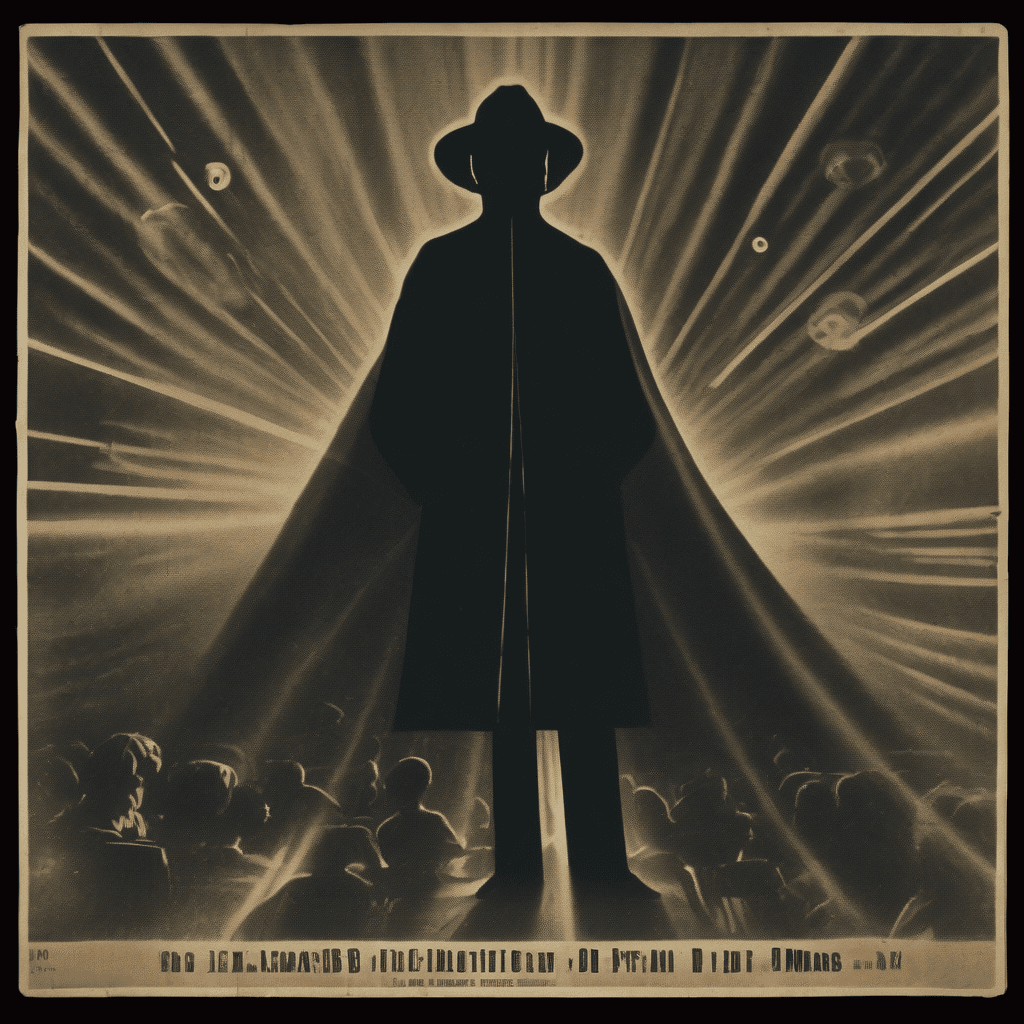
“Before the midnight movie circuits and dedicated fan conventions, the seeds of cult cinema were sown in the flickering, often bizarre, projections of early film. This article delves into how primitive visual anomalies and unconventional narratives captivated niche audiences, laying the foundational …”
Cult cinema. The very phrase conjures images of sticky midnight screenings, fervent fan communities, and films that defy mainstream categorization. It speaks to a powerful, often subversive, connection between a film and its devoted audience, a shared understanding of art that exists outside conventional critical acclaim or box office success. But to truly understand the enduring allure of cult cinema, we must journey back, far beyond the celebrated midnight movies of the 1970s and '80s, to the very dawn of the moving image. Here, in the primitive, often chaotic, landscape of early cinema, we find the nascent sparks of what would eventually ignite into a global phenomenon. These forgotten reels, these flickering anomalies, weren't just precursors; they were the primordial ooze from which the cult film psyche first emerged.
The Birth of the Cinematic Anomaly: When All Film Was 'Cult'
In its infancy, cinema itself was a novelty, an oddity, a technological marvel that drew gasps and whispers. Before established genres, sophisticated narrative structures, or the star system, every projected image held a certain unsettling wonder. Audiences gathered in nickelodeons and carnival tents, eager to witness the impossible: life, captured and replayed. Films like Roaring Lions on the Midnight Express, though perhaps a simple spectacle by today's standards, offered a thrilling, almost dangerous, glimpse into the exotic. Similarly, the raw, unpolished charm of early comedies like Charley at the Beach or The Squatter and the Clown provided a communal, often raucous, experience that fostered an immediate, albeit fleeting, sense of shared obsession. This initial phase of cinema was inherently experimental, a wild west where rules were yet to be written. Directors and producers, unburdened by commercial formulas, often stumbled upon visual quirks, narrative eccentricities, or thematic daring that would, decades later, become hallmarks of cult status.
Consider the simple act of viewing a moving picture in the late 19th or early 20th century. It was an event, a departure from everyday reality, often tinged with a sense of the carnival or the sideshow. This context, where the unusual was expected, made audiences receptive to the strange and the unconventional. A film didn't need a complex plot; its mere existence was often enough to generate fascination. This early environment, far from the polished multiplexes of today, nurtured an audience that was, by necessity, open to the weird, the raw, and the unexplained. These were the first proto-cultists, mesmerized by the magic lantern brought to life.
Spectacle, Shock, and the Proto-Transgressive: Pushing Early Boundaries
Long before John Waters or David Lynch shocked audiences, early filmmakers were already exploring the boundaries of taste and convention, albeit within the moral strictures of their time. The very act of portraying dramatic violence, raw emotion, or morally ambiguous characters was, for many, a transgressive act. Films like The Flame of Passion or The Narrow Path, while seemingly quaint now, likely tackled themes of desire, sin, and societal judgment with a directness that resonated deeply, and perhaps uncomfortably, with their audiences. These were not escapist fantasies in the modern sense; they were often stark reflections of human drama, amplified by the nascent power of the cinematic medium.
The sheer spectacle of early historical epics, such as The Napoleonic Epics or Bar Kochba, the Hero of a Nation, also cultivated a fervent following. While lacking the CGI of modern blockbusters, their ambition to recreate grand historical moments was groundbreaking. Audiences flocked to witness these ambitious undertakings, forming an early appreciation for scale and dramatic interpretation that would later fuel obsessions with films like Ben-Hur or Lawrence of Arabia. Even the simple portrayal of physical prowess, as hinted at by films like Hands Down, could become an object of repeated viewing and discussion, a primitive form of sports fandom intersecting with cinematic appreciation. The desire to see something new, something grand, or something shocking was a fundamental human impulse that early cinema tapped into with remarkable efficiency.
Narrative Oddities and Unconventional Visions
The narrative landscape of early cinema was a fertile ground for the unusual. Without established templates, filmmakers experimented wildly, leading to stories that could feel disjointed, bizarre, or profoundly allegorical. Consider the intriguing title The Mysteries of Myra, which hints at early serials exploring occult or supernatural themes – a clear precursor to the genre-bending, reality-warping narratives beloved by cult audiences. The very idea of a film delving into metaphysical assaults by a 'Black Order' speaks to a fascination with the unknown and the esoteric that has always underpinned cult followings.
Similarly, films like The Dummy or The Camouflaged Baby, while possibly comedies, suggest a playful subversion of reality, a willingness to embrace the absurd that resonates with the surrealist leanings of many later cult classics. These early narrative choices, often born out of necessity or pure creative impulse, inadvertently created a blueprint for films that would deliberately confound expectations. The dramatic arcs in films like Just a Woman or The Wild Olive, exploring intense personal struggles or societal alienation, often presented characters and situations that were far from the idealized mainstream, making them ripe for identification by those who felt themselves to be outsiders.
The Rise of the Obsessive Gaze: Cultivating Early Fan Culture
While the term 'cult film' typically implies a dedicated, often ritualistic, viewing experience, the seeds of this obsessive gaze were present from cinema's inception. Repeated viewings, though perhaps not as organized as modern midnight screenings, were common. People would revisit films they found particularly compelling, whether for their technical novelty, a striking performance, or a story that resonated. The serial nature of many early productions, such as The Scarlet Runner or The Mysteries of Myra, inherently fostered a sustained engagement, encouraging audiences to return week after week, building a primitive form of cinematic devotion.
Furthermore, the emotional intensity of many early dramas, like The Money Mill, The Pit, or Her Double Life, could elicit powerful responses. These films explored themes of greed, betrayal, sacrifice, and moral decay, often with an exaggerated theatricality that captured the imagination. Audiences would discuss these narratives, debate character choices, and internalize their messages, creating a shared interpretive space that is fundamental to cult film culture. The concept of 'telling your wife everything', as hinted by a film title, suggests the intimate, conversational nature of early film consumption, where stories were absorbed and retold, becoming part of a shared cultural fabric.
From Fleeting Flickers to Enduring Legacies
The journey from a brief, silent reel of a Windmill at Wijk bij Duurstede or a Blood Procession to a modern cult classic like Eraserhead or Rocky Horror Picture Show might seem vast, but the underlying psychological and sociological mechanisms are remarkably similar. The initial fascination with the moving image, the willingness to embrace the unconventional, the shared experience of witnessing something outside the norm – these were all present in the primitive projections of early cinema. Films that might have seemed mundane at the time, such as industrial films like Westinghouse Works or documentaries like With the Army of France, were still novelties that drew crowds, creating a collective gaze that could, in certain instances, border on fascination.
The deliberate strangeness of later cult films has its roots in the accidental strangeness of early cinema. The grainy textures, the often-jerky movements, the melodramatic performances – these elements, once technical limitations, contributed to an aesthetic that, decades later, would be deliberately emulated or appreciated for its archaic charm. The early silent era, with its reliance on visual storytelling and symbolic gestures, created a language that, when viewed through a modern lens, can feel both alien and profoundly evocative, fostering a unique interpretive experience akin to decoding a forgotten ritual. Even simple narratives of moral choices, like The Right of Way or Someone Must Pay, gained an amplified, almost mythical quality through the medium.
The Enduring Echoes of the Proto-Cult
The films of the early cinematic era, though largely forgotten by the mainstream, are more than mere historical footnotes. They are the foundational texts of cinematic obsession. The impulse to watch, to re-watch, to discuss, to dissect, to celebrate the marginalized or the misunderstood, was forged in those early, flickering images. Whether it was the dramatic tension of The Whirlpool of Destiny, the adventurous spirit of The Beloved Adventurer, or the comedic antics of Two Little Imps, each film, in its own way, contributed to the evolving language of film reception.
From the earliest days, cinema offered a unique window into other worlds, other lives, and other ways of seeing. This inherent escapism, combined with the medium's capacity for spectacle and the nascent exploration of transgressive themes, laid the groundwork for the passionate communities that would later coalesce around cult films. The weirdness, the wonder, and the sheer newness of early cinema created an audience that was primed for the unconventional, an audience that, consciously or unconsciously, was seeking something more than mere entertainment. They were seeking an experience, a ritual, a connection – the very essence of what it means to be a cult film devotee. The phantom cult of early cinema continues to echo in every midnight screening and every fervent discussion of an overlooked masterpiece, reminding us that the desire for cinematic rebellion is as old as cinema itself.
Community
Comments
Log in to comment.
Loading comments…