
Cult Cinema Deep Dive
The Phantom Pulse: Decoding the Radical Weirdness and Early Subversions of the Cult Movie Canon
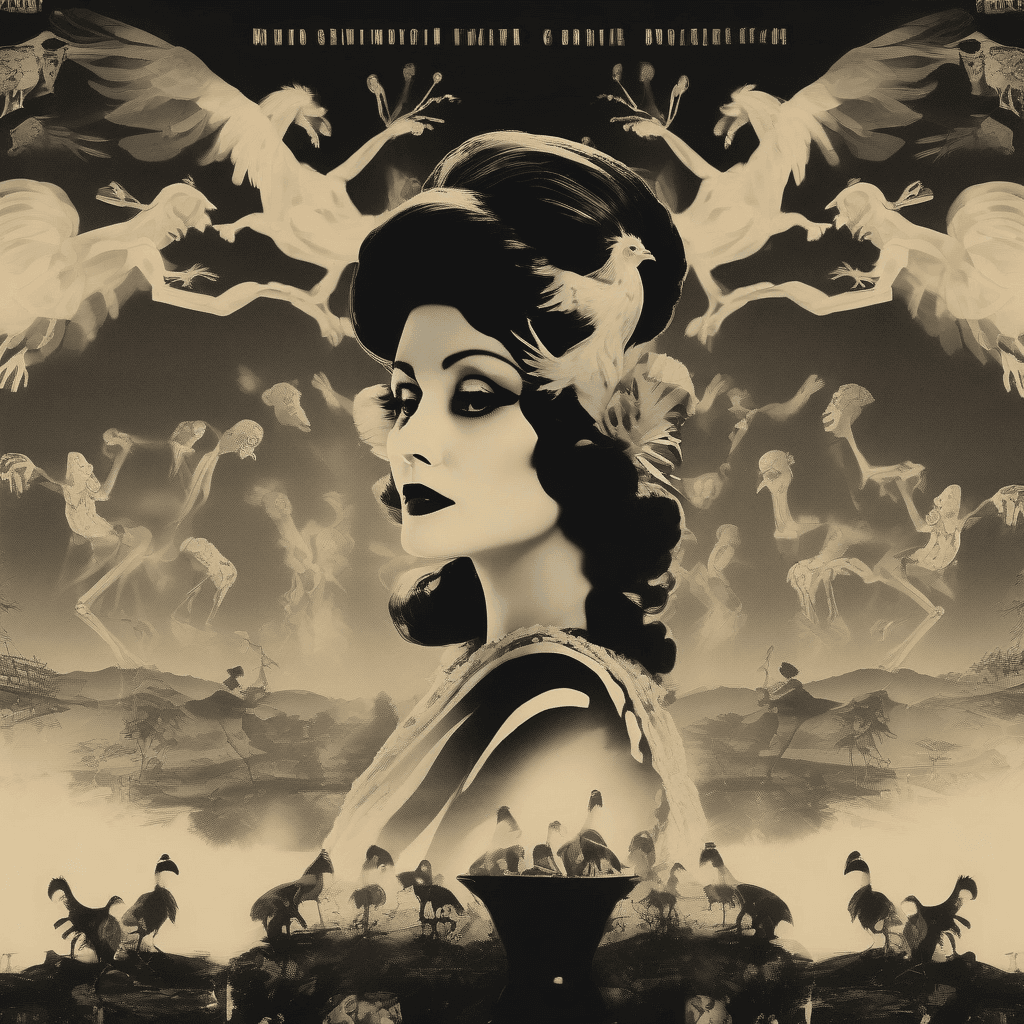
“Explore the hidden lineage of cult cinema, from silent era surrealism to the forgotten rebels who challenged social norms and visual conventions long before the midnight movie was born.”
Cult cinema is often defined by its afterlife—the way a film survives its initial failure to become a sacred object for a dedicated few. While we often look to the 1970s and the rise of the midnight movie to find the roots of this obsession, the true DNA of the cinematic outlier was spliced much earlier. In the flickering frames of the 1910s and 20s, a wave of genre-defying anomalies and moral outcasts laid the groundwork for everything we now consider "cult." These weren't just movies; they were experiments in subversion, visual anarchy, and narrative mutation.
The Surrealist Spark: Animating the Impossible
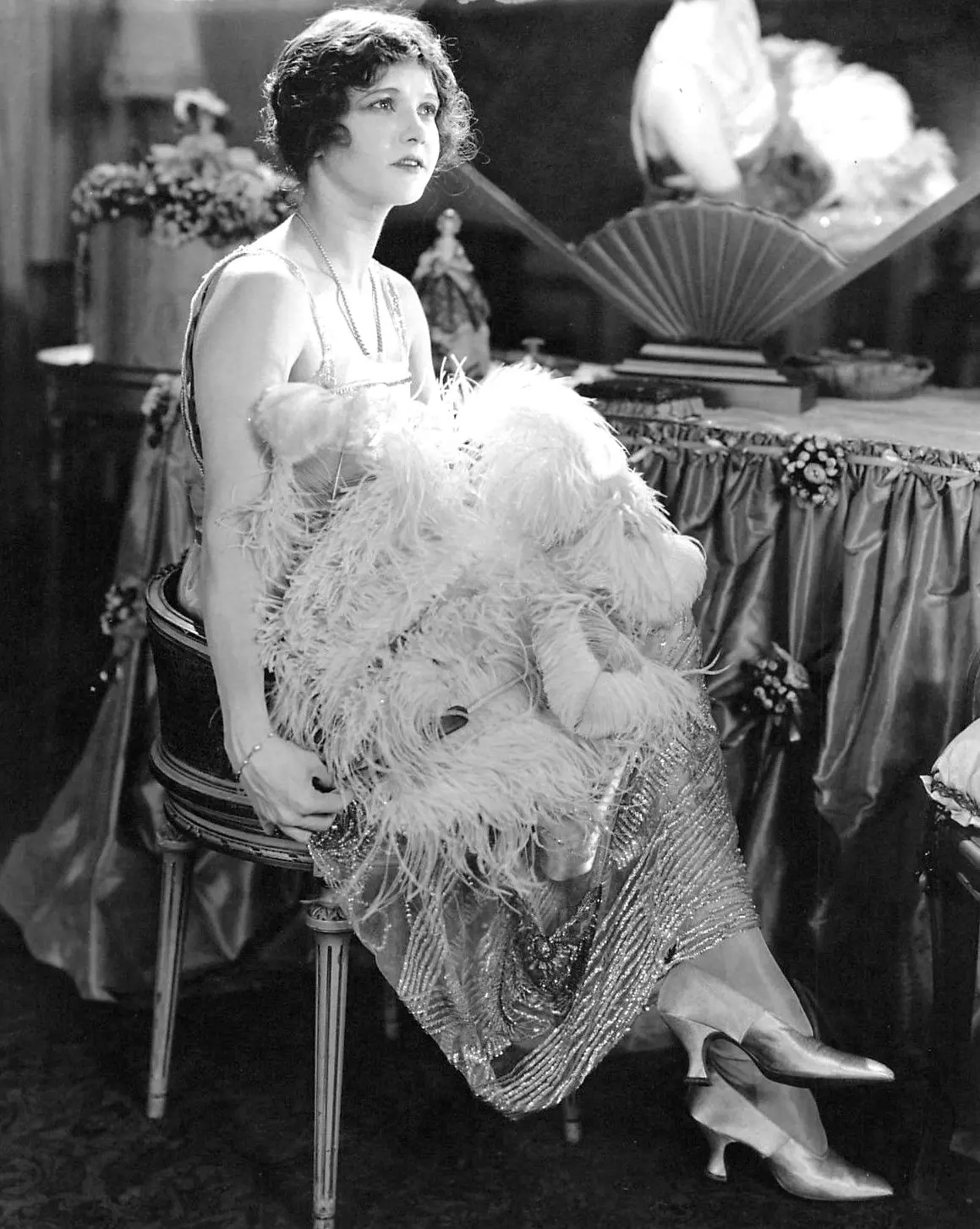
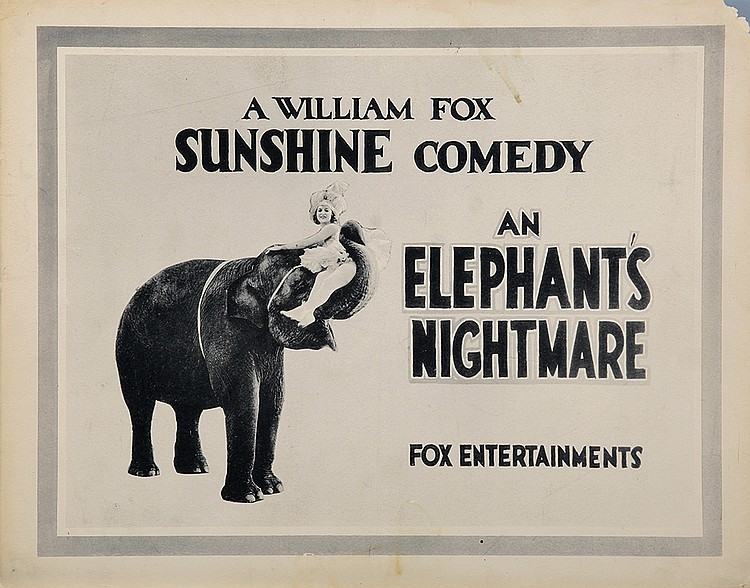
Long before digital effects, early filmmakers used the medium to explore the uncanny. Consider the bizarre educational-surrealist hybrid of Our Bone Relations. On the surface, it is a study of vertebrate anatomy, but in the hands of early animators, it becomes a haunting, rhythmic dance of skeletons that blurs the line between science and the macabre. This fascination with the grotesque is a foundational pillar of cult aesthetics. Similarly, An Elephant's Nightmare presents a logic of bungling and chaos that feels like a fever dream, where a man’s failure to navigate his environment mirrors the existential dread found in later avant-garde masterpieces.
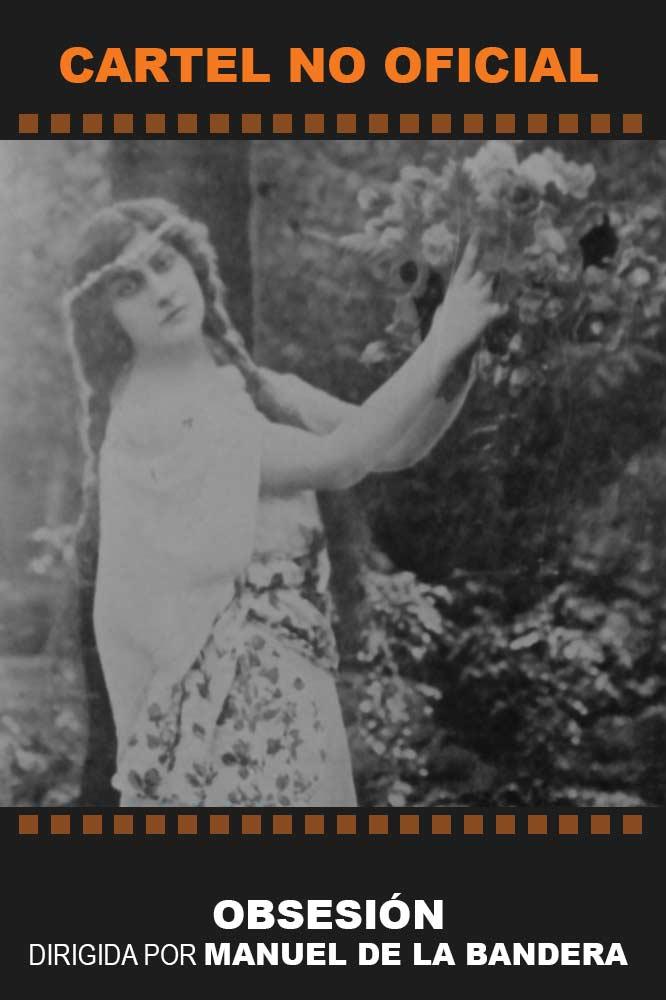
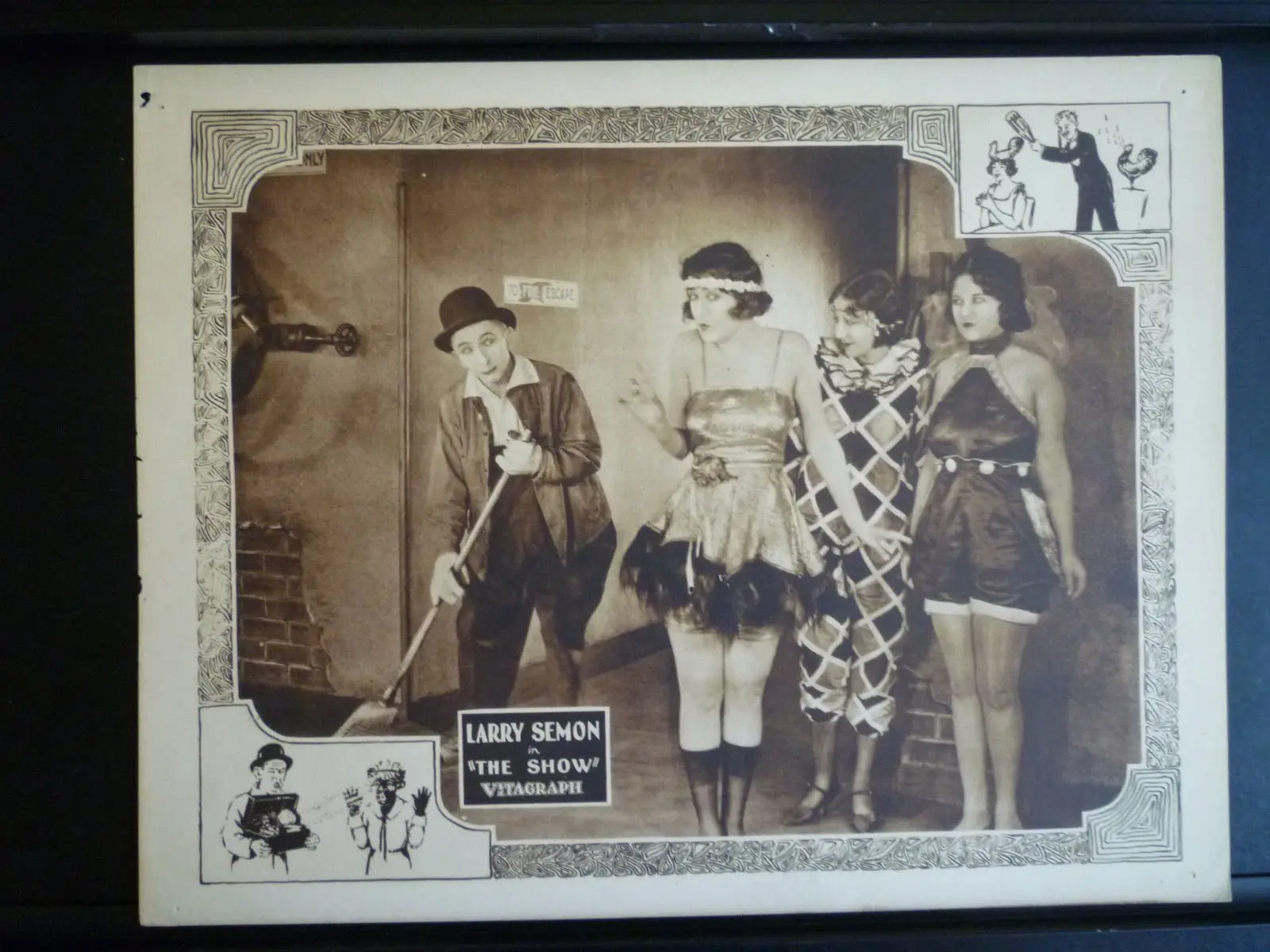
These early shorts weren't bound by the rigid structures of the later studio system. They allowed for a type of visual experimentation that was both playful and deeply unsettling. In The Show (1922), we see a propman dealing with roosters that spit nitroglycerine—a moment of pure, unadulterated absurdity that predates the calculated weirdness of modern cult favorites. It is this willingness to embrace the nonsensical that creates the "magnetic pull" for audiences looking for something outside the mainstream narrative.
Social Deviance and the Outlaw Archetype
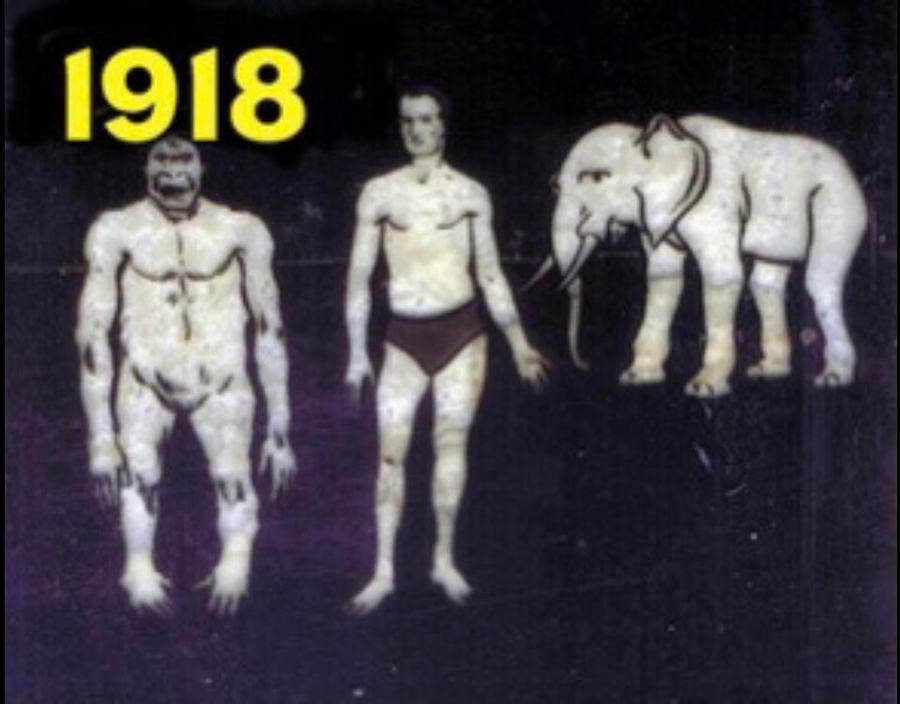
The cult hero is almost always an outsider, a figure who exists on the fringes of polite society. Early cinema was obsessed with these characters, often portraying them with a complexity that challenged the moral censors of the time. Notorious Gallagher gives us a "product of the slums" whose spirit is so submerged he has forgotten how to be angry—a proto-antihero whose lack of importance makes him a fascinating subject for study. This focus on the disenfranchised is echoed in The Half Breed (1922), where Delmar Spavinaw, an educated man of mixed heritage, navigates a world of rigid racism and land greed. These films didn't just entertain; they acted as social mirrors, reflecting the tensions and prejudices of the era through a lens that was often more sympathetic to the "outcast" than the "judge."
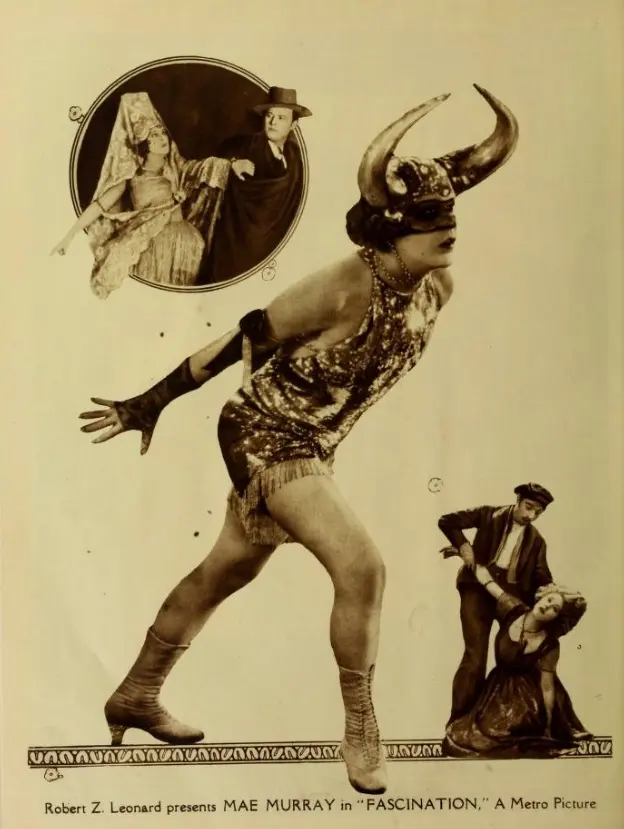
The theme of the righteous outlaw is further explored in The Outlaw's Revenge, where a humble peon is driven to rebellion by government greed. This narrative arc—the transition from victim to rebel—is a central tenet of cult storytelling. It provides a communal catharsis for audiences who feel similarly squeezed by the machinery of society. When we watch these early rebels, we are seeing the birth of the cinematic insurgent, the figure who would eventually evolve into the leather-clad antiheroes of the 1970s.
Bohemian Rhythms and the Greenwich Village Dream
Cult cinema has always been the home of the "bohemian," and The Broken Melody serves as a perfect early example. Set in New York’s Greenwich Village, the film explores the lives of struggling artists and singers, romanticizing a lifestyle of poverty and passion that was antithetical to the suburban ideal. This celebration of the alternative lifestyle is what draws many to cult films; they offer a window into a world where the rules of the "normal" world don't apply. Whether it's the art student Stewart or the aspiring singer Hedda, these characters represent a yearning for creative freedom that resonates across decades.
Meta-Cinema and the Psychological Mirror
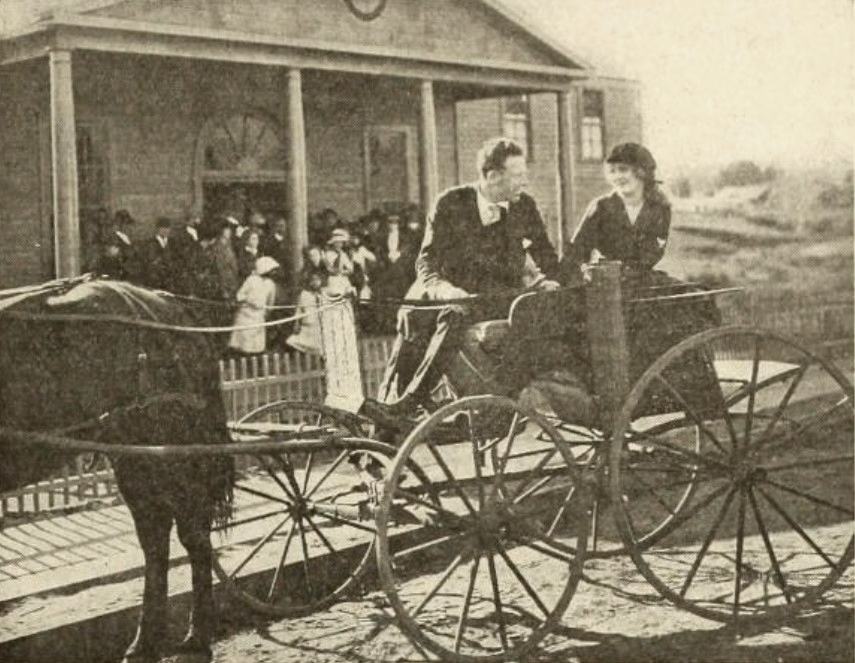
Perhaps the most sophisticated element of early cult cinema is its early forays into meta-narrative and psychological projection. In Say! Young Fellow, we encounter "The Hunch," a miniature version of the protagonist who perches on his shoulder to offer advice. This visual representation of the internal monologue is a daring move, breaking the fourth wall of realism to show the fractured nature of the human psyche. It is a precursor to the psychological surrealism that would later define the works of David Lynch or Alejandro Jodorowsky.
Even more radical was Zakovannaya filmoi (The Shackled Film), which explored the very nature of the medium itself. By treating the film as a physical or metaphorical shackle, early avant-gardists were questioning the power of the image and the relationship between the viewer and the screen. This self-reflexivity is a hallmark of the cult experience—the audience isn't just watching a story; they are participating in a ritual that acknowledges its own artifice. This meta-awareness is also found in The Essanay-Chaplin Revue of 1916, where the compilation of shorts creates a new, disjointed narrative that forces the viewer to reconcile different versions of the same character.
Kitsch, Propaganda, and the Accidental Cult
Not every cult film was born out of a desire to be transgressive. Some achieved their status through a strange alchemy of sincerity and absurdity. Little Miss Hoover, a World War I propaganda piece, suggests that "eggs will win the war." To a modern viewer, this earnestness takes on a kitsch quality that is undeniably cult. The shift from patriotic duty to campy curiosity is a common trajectory for films that fall out of their original historical context and land in the laps of a new, irony-loving generation.
Similarly, Some Job, featuring a waitress rounding up German spies in a small town, offers a level of narrative audacity that feels both charming and slightly unhinged. These films remind us that "cult" is often a matter of perspective—a film that was once a standard genre piece can, through the passage of time, become a relic of the strange. The same can be said for Mama's Cowpuncher, which mashes together the high-culture aspirations of a concert pianist with the rough-and-tumble world of a Western dance hall. The resulting friction is exactly the kind of "genre mutation" that cult fans crave.
The Shadow of Melodrama: Mock Marriages and Asylums
The roots of the "dark cult" film can be found in the heavy melodramas of the silent era. The Garden of Resurrection deals with abandonment, a mock marriage, and a stillborn baby—themes that were incredibly transgressive for their time. The emotional weight of these stories, combined with the often-expressionistic lighting and set design of the era, created a nocturnal atmosphere that would eventually evolve into the gothic and noir elements of later cult classics.
In Rose o' Paradise, we see a man committed to an asylum by a scheming relative, a plot point that taps into the primal fear of being trapped and silenced. This theme of institutional horror is a recurring motif in cult cinema, representing the individual's struggle against a corrupt or indifferent system. Whether it's the "fettered woman" in The Fettered Woman or the siblings in The Bugler of Algiers, these characters are defined by their resilience in the face of overwhelming tragedy.
Conclusion: The Enduring Legacy of the Early Misfits
The films of the early 20th century were not just the "ancestors" of modern cinema; they were the radical blueprints for the cult experience. They provided the first examples of visual surrealism, social subversion, meta-narrative, and kitsch appeal. When we watch Tough Luck and laugh at the absurdity of a man plagued by every superstition imaginable, we are participating in a tradition of "midnight humor" that has existed as long as the camera has been rolling.
To understand the cult movie, one must look back at these forgotten reels. Films like The Lone Wolf's Daughter or The Price of Silence may not be household names today, but their spirit lives on in every independent filmmaker who chooses the strange over the standard, and every audience member who seeks out the shadow over the spotlight. The Phantom Pulse of early cinema continues to beat, driving the evolution of the weird, the wild, and the wonderful in the world of the cult film.
Community
Comments
Log in to comment.
Loading comments…