
Cult Cinema
The Primal Ink: How the Silent Era’s Taboo Reels Scripted the Cult Cinema Manifesto
“Explore the hidden ancestry of cult cinema through the transgressive, bohemian, and defiant narratives of early film's most daring outliers.”
When we think of cult cinema, our minds often drift to the neon-soaked midnight screenings of the 1970s or the transgressive underground tapes of the 1980s. However, the true genetic material of the cult phenomenon—the spirit of rebellion, the embrace of the taboo, and the celebration of the social outlier—was forged in the flickering shadows of the early 20th century. Long before the term 'cult movie' was a staple of film journalism, a series of defiant, strange, and narratively daring films were already laying the groundwork for what would become a global subculture of cinematic devotion.
The Bohemian Blueprint and the Rejection of the Mundane
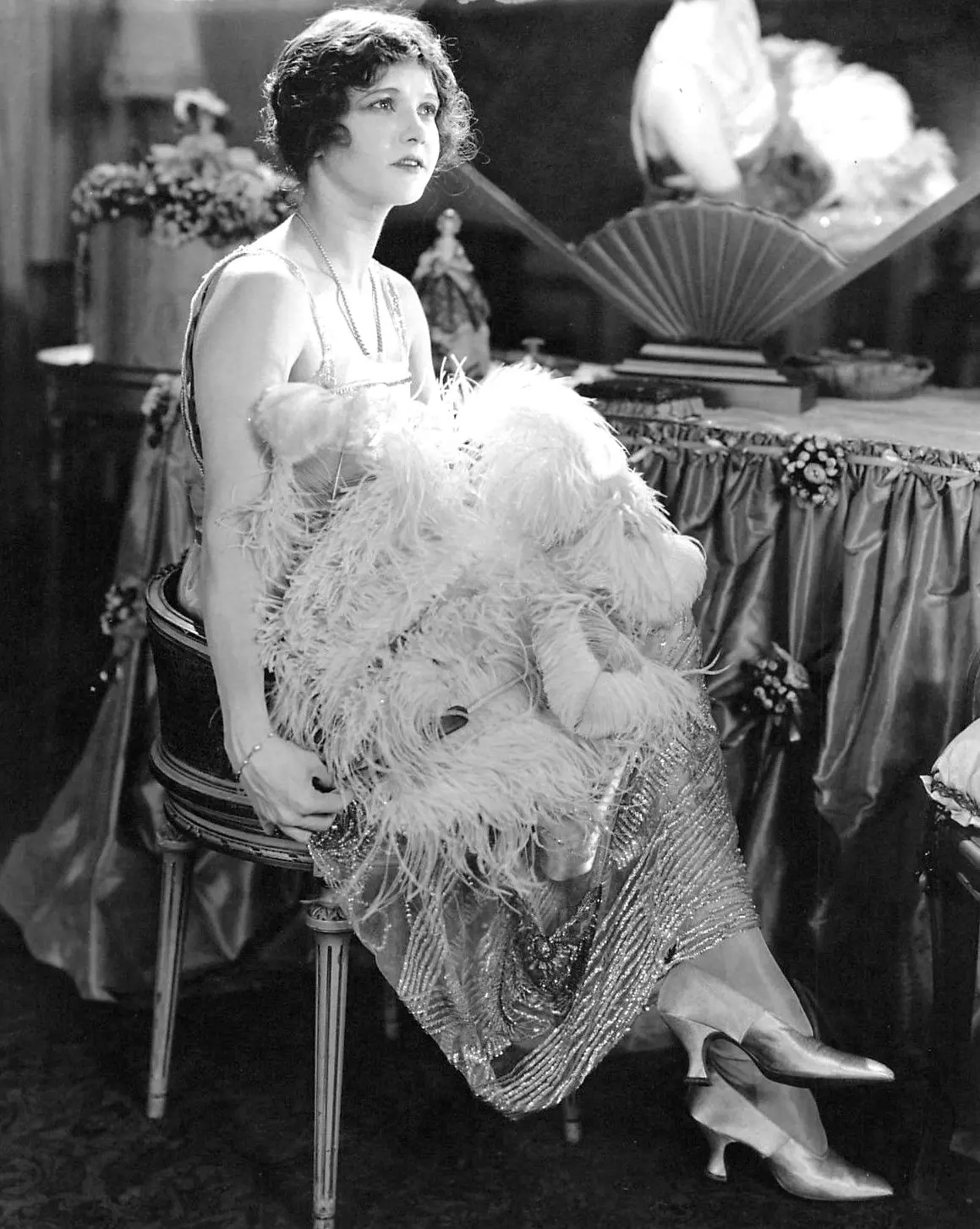
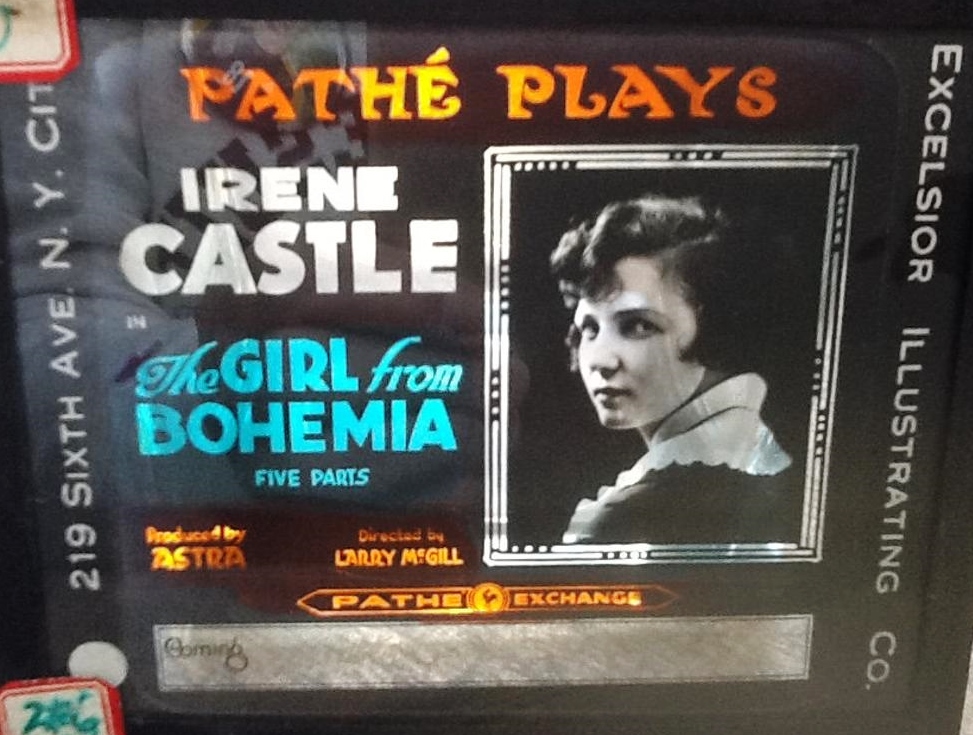
At the heart of every cult film lies a rejection of mainstream sensibilities. In the early days of cinema, this was often manifested through the depiction of 'Bohemian' lifestyles—narratives that championed the artistic fringe over the stifling moralism of the era. Take, for instance, The Girl from Bohemia. Alice Paige’s journey through Greenwich Village wasn’t just a comedic romp; it was a visual manifesto for a generation looking to escape the rigid expectations of inheritance and country estates. This film, much like its contemporary The Trufflers, portrayed characters like Sue Wilde who 'kicked out' of sanctimonious atmospheres to luxuriate in lives without convention.
These early explorations of counter-culture provide the archetypal 'outsider' hero that cult audiences crave. Whether it is the 'pestiferous' rebellion of John Humperdink Stover in The Varmint or the internal struggle of a girl renouncing love for familial duty in A Bill of Divorcement, early cinema was obsessed with the friction between the individual and the institution. This friction is the very spark that ignites cult fandom—a shared recognition of the struggle to remain authentic in a world that demands conformity.
Transgression as Art: The Birth of the Taboo
Revenge and Visceral Realism
Cult cinema frequently pushes the boundaries of acceptable content, and the silent era was no stranger to visceral shocks. Behind the Door stands as a harrowing example of proto-exploitation. The story of a naval officer’s brutal revenge against a submarine commander who victimized his wife contains a raw, vengeful energy that predates the 'grindhouse' era by decades. It challenged the audience to look at the darker impulses of the human psyche, a hallmark of the cult experience where the 'unwatchable' becomes a badge of honor for the dedicated cinephile.
The Forbidden Subject: Addiction and Disease
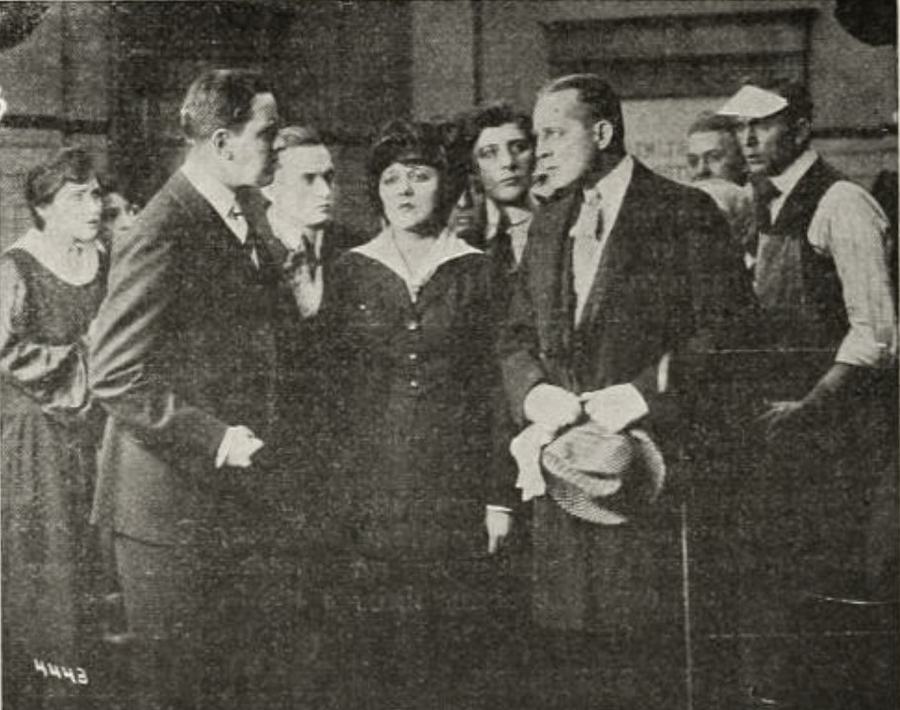
The 'forbidden' reel is a cornerstone of cult history. In the 1910s and 20s, films like Hop - The Devil's Brew tackled the then-taboo subject of opium addiction with a frankness that shocked contemporary moralists. Lydia Jansen’s descent into the 'devil’s brew' offered a glimpse into a shadowy underworld that the mainstream preferred to ignore. Similarly, The Scarlet Trail utilized the medium of the 'docudrama' to propagandize against venereal disease, blending education with a voyeuristic look at social decay. These films weren't just entertainment; they were artifacts of the 'other,' providing a template for the transgressive narratives of future cult icons like John Waters or David Cronenberg.
Identity, Masquerade, and the Fluidity of the Self
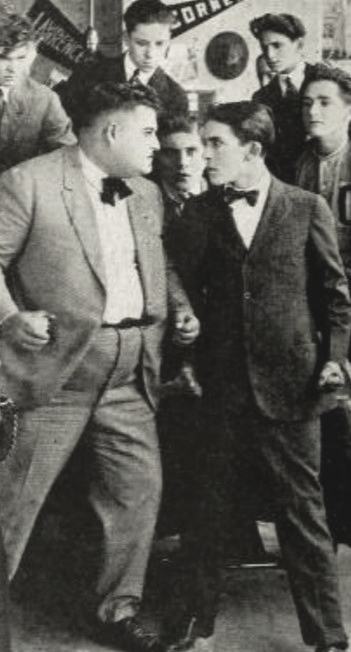
Cult audiences are often drawn to stories of transformation and identity, where characters subvert their social standing or gender roles. The Little Brother features Jerry Ross, a girl who disguises herself as a boy to sell newspapers and survive the harsh East Side streets. This play with gender and survival is a recurring theme in cult classics that celebrate the fluidity of identity. Even the comedic Pardon Me, where a laundry wagon driver transforms into a Count by simply donning a dress suit, speaks to the cult fascination with the 'imposter'—the idea that the self is a performance that can be hacked and rewritten.
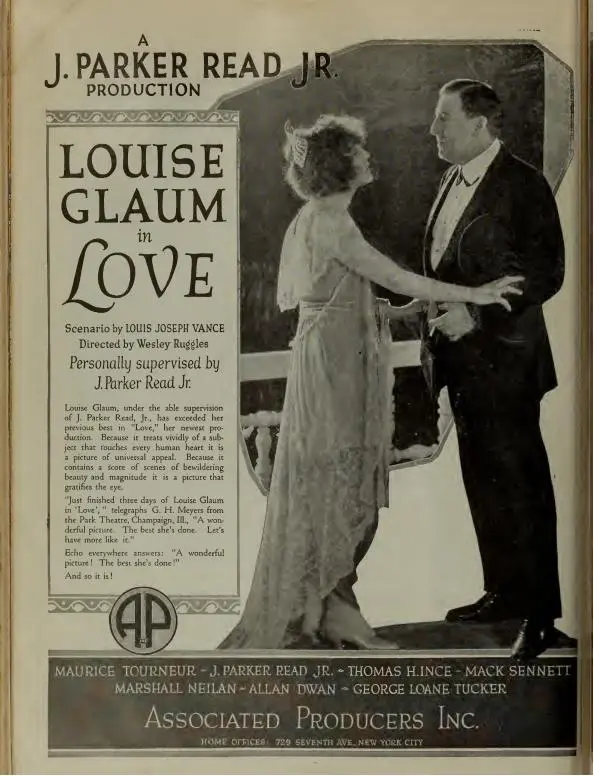
In Wanted: A Husband, Darcy Cole’s invention of a titled fiancé to ward off social ridicule highlights the desperate measures taken by those on the social periphery to find belonging. This theme of the 'invented self' resonates deeply with cult communities, which often provide a sanctuary for those who feel they must mask their true nature in the 'normal' world. The early screen provided a mirror for these anxieties, reflecting a world where one could be a Yankee from the West seeking fortune or a Knickerbocker Buckaroo mixing a 'cake' of mystery and ginger.
The Aesthetic of the Unusual: Disfigurement and the Grotesque
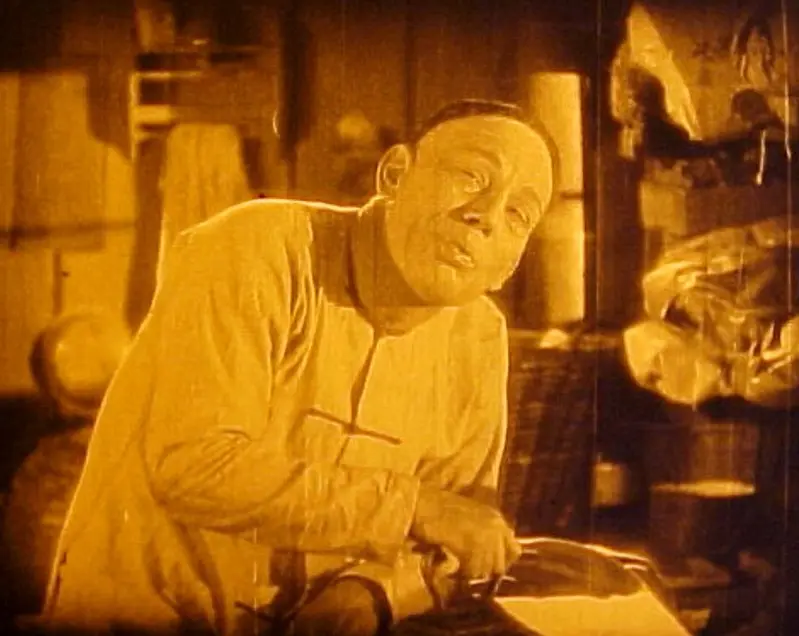
A defining characteristic of many cult films is their unique, sometimes unsettling, aesthetic. Early cinema experimented heavily with the visual representation of the 'abnormal.' The Atom tells the story of Montague Booth, a theatrical star disfigured for life, saved only by the devotion of a 'slavey' in a boarding house. The focus on the disfigured protagonist challenges the audience's gaze, moving away from the 'beautiful people' of Hollywood toward the 'beautiful souls' found in the wreckage of tragedy. This 'aesthetic of the unusual' is a direct ancestor to the works of Tod Browning and later, the surrealist nightmares of the late 20th century.
Furthermore, the chaotic, almost hallucinogenic energy of The Show—with its malfunctioning wind machines and nitroglycerine-spitting roosters—prefigures the absurdist humor that would define cult comedies. It is a cinema of the 'too much,' where the screen becomes a playground for the anarchic and the irrational. This sense of narrative and visual anarchy is precisely what draws a 'cult' to a film; it is the feeling that anything can happen, and the rules of reality are merely suggestions.
Social Commentary and the Immigrant Experience
Cult films are rarely devoid of political or social weight, even if that weight is buried under layers of genre tropes. The Immigrant (1915), featuring Masha’s journey from Russia to the U.S., offered a stark look at the corruption of political bosses and the struggle for survival in the 'land of the free.' It portrayed the American dream not as a guarantee, but as a battlefield. This tradition of using the fringe to critique the center is a vital part of the cult ethos. Films like The Reclamation, dealing with water rights and corporate monopolies in the parched West, used the Western genre to discuss environmental and economic justice—topics that remain central to the 'message' films favored by independent and cult-leaning audiences today.
The Religious and the Profane
The tension between the sacred and the profane is another fertile ground for cult devotion. Manon Lescaut presents a heroine forced toward a convent by a religious father, only to find her life spiraling into a different kind of devotion. The clash between institutional religion and individual passion is a narrative engine that has powered countless cult classics. Whether it is the 'dying cleric' in Broken Shadows or the 'banished mother' returning as a seamstress in The Unwelcome Mrs. Hatch, the silent era was adept at exploring the moral grey areas where religion, society, and the heart collide.
Conclusion: The Enduring Legacy of the Early Misfit
The 50 films referenced here—from the Klondike dance halls of Carmen of the Klondike to the lighthouse isolation of The Silent Lady—are more than just historical curiosities. They are the primal screams of a medium discovering its power to disrupt, disturb, and delight. They provided the vocabulary for cinematic rebellion. When we watch a modern cult masterpiece, we are seeing the echoes of Leoni Leo, the mystery of Mysteries of Paris, and the survivalist grit of Overland Red.
Cult cinema is not defined by its budget or its box office, but by the intensity of the connection it forges with its audience. That connection is built on the shared recognition of the 'misfit' spirit. The silent era’s genre mutants and moral outliers didn’t just fill theaters; they built an altar for the unconventional. As we continue to dig through the Forbidden Archive of early film, we find that the midnight movie didn’t start at midnight—it started the moment the first rebel turned a camera toward the shadows and dared to tell the story of the Alien Soul.
In the end, the history of cult cinema is a history of the human experience at its most unfiltered. It is the story of the Marcellini Millions lost and found, the Raiders of Sunset Gap seeking truth in the mountains, and the Soul of a Magdalen fighting for a mother’s life. It is a legacy of subversive rhythms and maverick visions that continues to inspire, proving that the fringe is not just a place on the edge of the map—it is the heart of the cinematic soul.
Community
Comments
Log in to comment.
Loading comments…