
Cult Cinema Deep Dive
The Primal Prism: Unearthing the Genetic Rebellion and Maverick Soul of Early Cinema’s Most Daring Genre Defiants

“An expansive exploration of the transgressive DNA found in early silent cinema, tracing how forgotten outcasts and genre-defying rebels laid the foundation for modern cult obsession.”
To understand the modern obsession with the midnight movie, one must peel back the layers of celluloid history to an era where the rules were not yet written. Long before the term "cult cinema" became a marketing buzzword, a series of maverick outliers were quietly dismantling the conventions of narrative and morality. This was the era of the genetic rebellion, where filmmakers and performers operated on the fringe, creating works that didn't just entertain but challenged the very fabric of the burgeoning medium. These films, often dismissed as mere novelties or melodramas at the time, contain the primal DNA of everything we now celebrate in transgressive art.
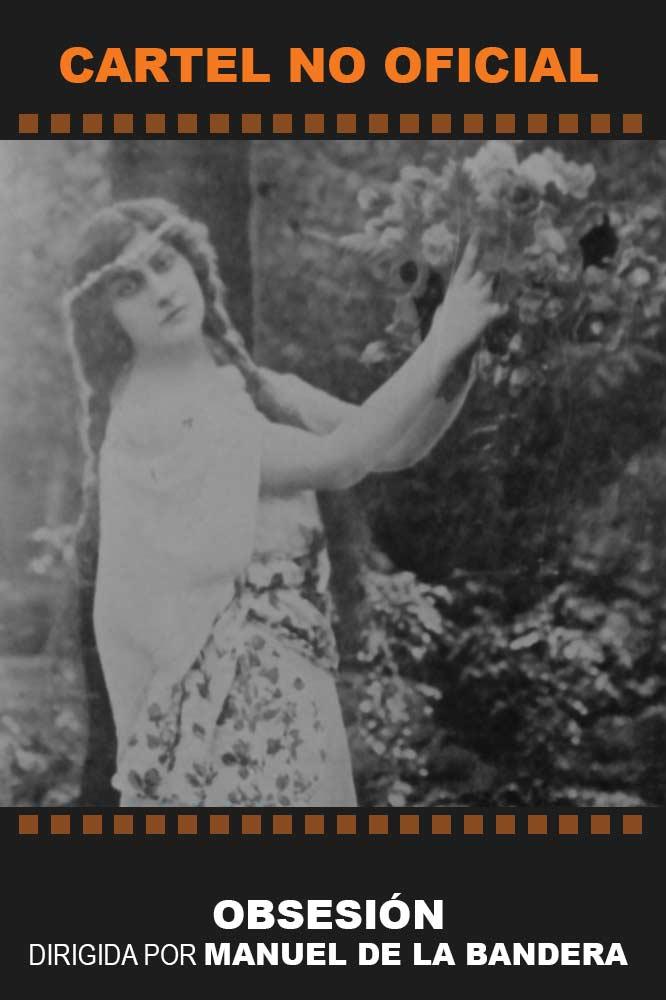
The Architecture of the Uncanny: From Caligari to Genuine
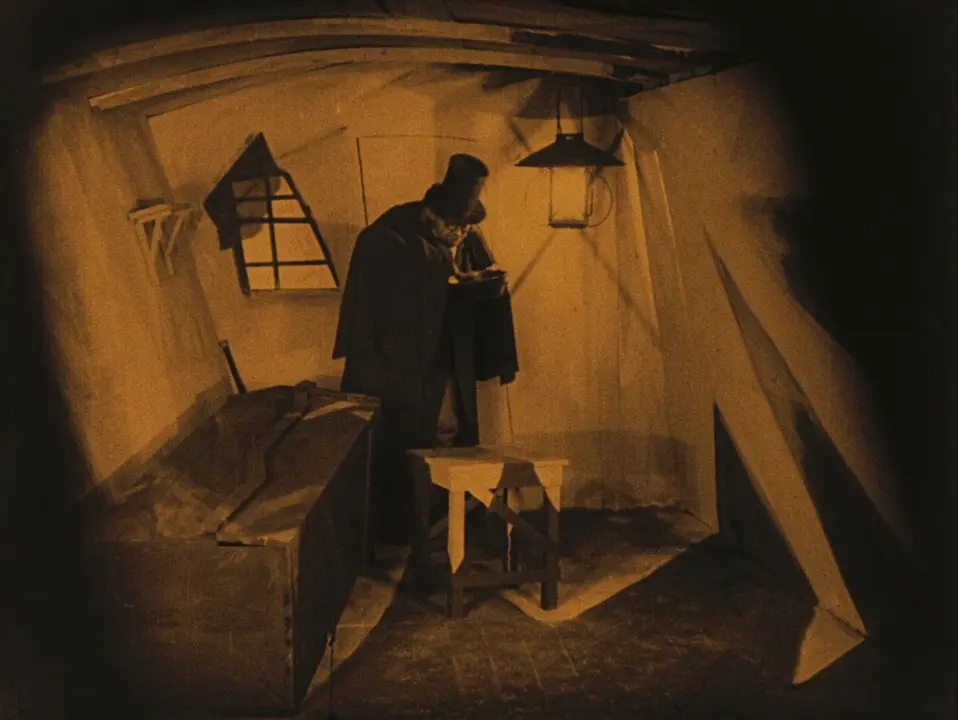
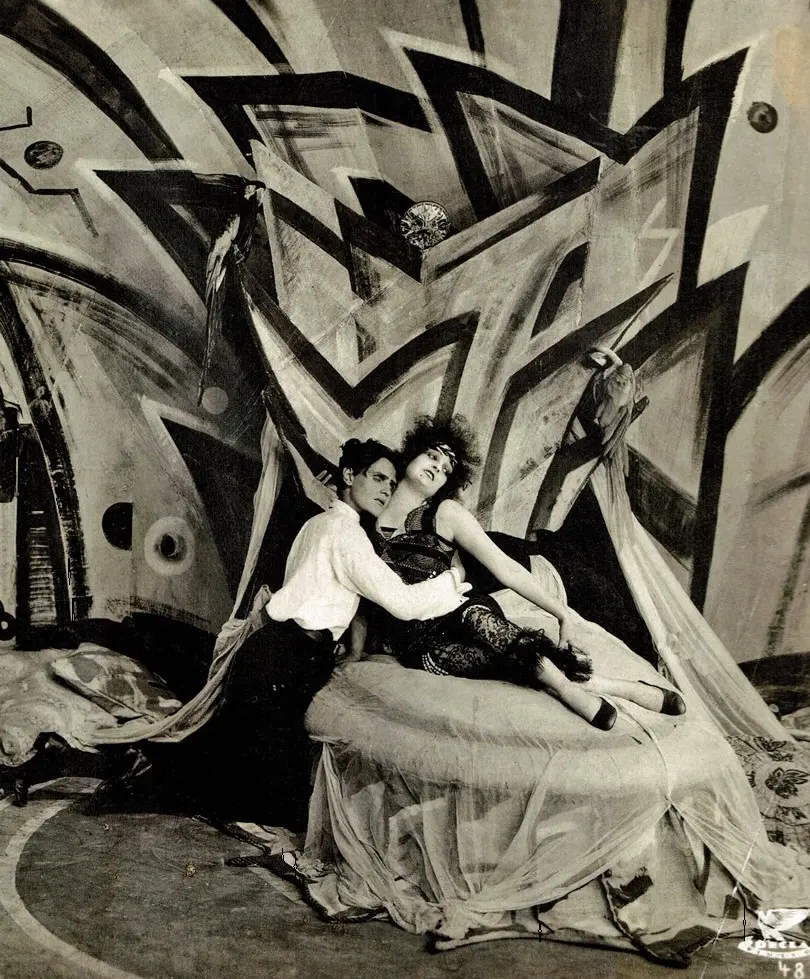
No discussion of the cult psyche can begin without acknowledging the seismic impact of The Cabinet of Dr. Caligari. Its jagged, expressionistic sets and the haunting presence of Cesare, the somnambulist, provided a visual language for the subconscious. This wasn't just a horror film; it was a manifesto for the narrative anarchy that defines cult devotion. The film’s focus on hypnosis and the loss of agency mirrored the audience's own growing fascination with the power of the moving image.
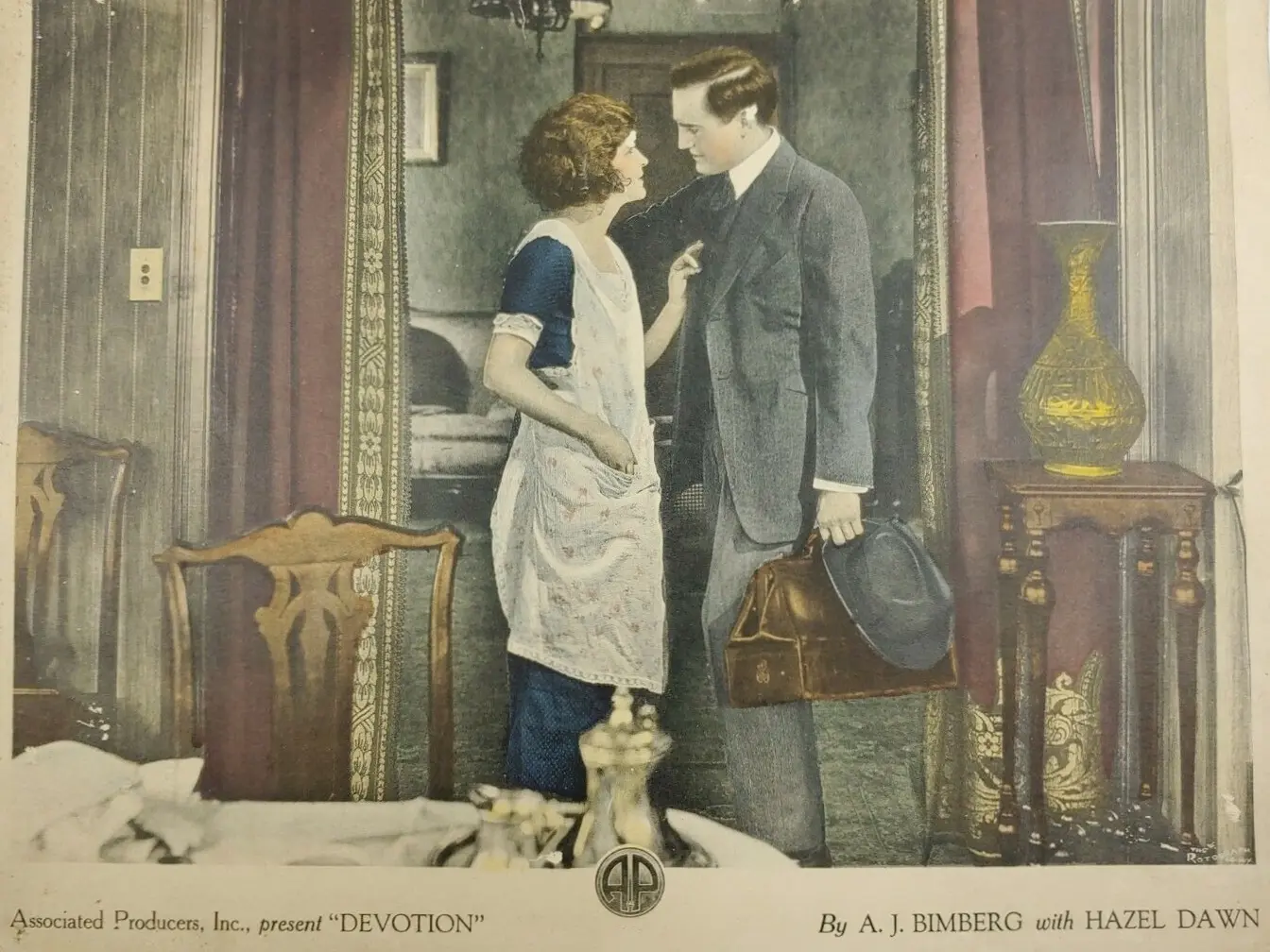
Equally vital, yet often overlooked, is Genuine: The Tragedy of a Vampire. Here, we see the birth of the transgressive feminine—a figure of ancient, cruel divinity who seduces men into acts of murder. This film, with its high-contrast shadows and moral ambiguity, paved the way for the "vamp" archetype that would haunt the cult landscape for decades. These early German works weren't just movies; they were visual sacraments for those who sought something darker and more profound than the standard studio fare.
The Rebel Feminine and the Smuggler’s Soul
While the European avant-garde explored the depths of the mind, American and international cinema were birthing their own brands of rebellion through the lens of gender and social defiance. Consider the raw energy of Hurricane's Gal. Lola, the girl captain of a smuggling schooner, represents a radical departure from the passive heroines of the 1920s. She is a ruler of "wild men," a character who takes her love back with the same ferocity with which she gives it. This is the maverick rhythm of a woman operating entirely outside the domestic sphere, a prototype for the action heroines of the grindhouse era.
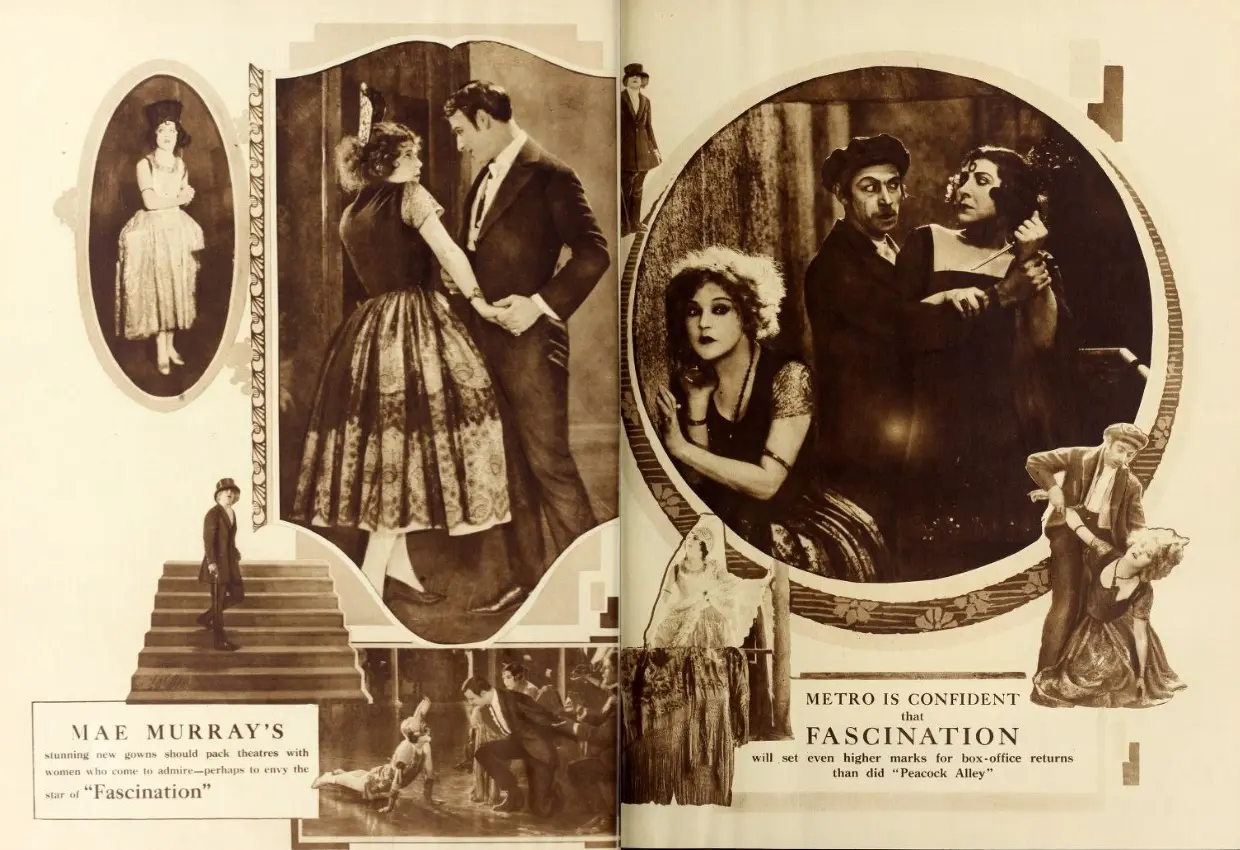
Similarly, The Woman Who Dared (1916) showcased Beatriz Michelena as a princess who navigates the treacherous waters of the Italian foreign office and the opera world. These films centered on women who refused to be victims of their circumstances. In Prudence on Broadway, we see the subversion of religious austerity as a Quaker girl engages in "girlish pranks" that mask a deeper curiosity about the world outside her colony. This tension between tradition and individual desire is a hallmark of the cult ethos—the constant push against the boundaries of the expected.
Melodramas of the Damned: Curses, Amnesia, and Ruin
The cult movie has always had a symbiotic relationship with the macabre and the melodramatic. Early cinema was rife with stories of families haunted by their pasts, such as in The Blood of His Fathers. The 1865 setting, the Confederate renegade, and the dying curse placed upon a bloodline create a gothic atmosphere that predates the Southern Gothic tradition in film. This preoccupation with hereditary trauma and moral decay is a recurring theme in the cult canon, where the sins of the father are visited upon the children in increasingly bizarre ways.
Then there is the surreal tragedy of The Whip, which combines the high-stakes world of horse racing with the psychological mystery of an amnesiac nobleman. The presence of villains attempting to sabotage a racehorse becomes a metaphor for the external forces that seek to derail the individual's journey toward truth. In Silence of the Dead, the financial ruin of a marquis and the confrontation with a mysterious Count highlight the fragility of social status—a theme that resonates with the "us vs. them" mentality often found in niche fandoms.
The Spectacle of the Fringe: From Circus Domes to Hot-Air Balloons
Cult cinema is often defined by its willingness to go to extremes, and the early silent era was no stranger to physical spectacle. The Great Circus Catastrophe used the circus dome as a stage for daring high-wire acts and social commentary on the plight of the destitute. The circus, with its freaks and outsiders, has always been a natural home for the cult imagination. Similarly, The Jungle Goddess took audiences to "darkest Africa" via a hot-air balloon, featuring a young girl kidnapped and raised by cannibals. While these films often relied on the tropes of their time, their sense of adventure and the unconventional settings provided a blueprint for the B-movies and exploitation films that would follow in the 1950s and 60s.
Social Outcasts and the Architecture of Anarchy
The most enduring cult films are those that speak to the disenfranchised. Sold for Marriage is a prime example of early cinema’s ability to critique social injustice through a sensationalist lens. A poor Russian girl sold into marriage with a rich old man in the United States reflects the anxieties of immigration and the commodification of the female body. This social deviance is also present in Within the Cup, where an aspiring artist in Paris is disillusioned by a German aristocrat, leading her to a life that challenges the moral standards of her time.
In the comedy realm, Bumping Into Broadway showcases the struggling artist’s plight, where a playwright spends his last cent to save an actress, only to find himself in a high-stakes gambling club. The chaos of the police raid and the sudden reversal of fortune capture the anarchic spirit of the early 20th century. These films celebrated the hustler, the dreamer, and the misfit, creating a lineage of cinematic rebels that stretches from the silent era to the modern day.
The Global Pulse: From Romania to Japan
The cult impulse was never restricted to Hollywood or Berlin. It was a global phenomenon. The Independence of Romania (1877-1878) showed how national identity could be forged through the epic scale of the moving image. Meanwhile, in Japan, Yajîkita: zenpen followed two travelers overcoming obstacles with a sense of humor and action that prefigured the buddy-comedy genre. Even in Argentina, Nobleza gaucha used the conflict between a licentious patron and a brave gaucho to highlight corruption and the struggle for justice in the rural landscape.
These films demonstrate that the transgressive soul of cinema knows no borders. Whether it is the "Sidi" sect facing persecution in Uden Fædreland or the ship-builder in The Lipton Cup, the focus remains on the individual standing against the tide of history or social expectation. This is the very heart of cult cinema: the celebration of the singular vision over the collective norm.
Conclusion: The Eternal Flicker of the Outlier
As we look back at these fifty films, we see more than just old reels; we see the primal prism through which all future cult cinema would be viewed. From the hypnotized somnambulists of the Weimar Republic to the smuggling captains of the high seas, early cinema was a laboratory for the strange, the bold, and the defiant. These narrative mutants and moral misfits didn't just tell stories; they engineered a new way of seeing the world—one that values the fringe over the center and the authentic over the polished. The midnight mindset was born in these flickers of light, and its flame continues to burn in the hearts of every obsessive cinephile who seeks the magic in the shadows.
Community
Comments
Log in to comment.
Loading comments…