
Cult Cinema Deep Dive
The Primal Pulse of the Paranormal: Decoding the Subversive Undercurrents of Cinema's First Cult Wave
“An in-depth exploration of how the silent era's most transgressive and misunderstood films laid the foundation for modern cult cinema obsession.”
Cult cinema is often defined as a modern phenomenon, a product of the midnight movie circuit of the 1970s or the VHS-driven obsession of the 1980s. However, the true DNA of the transgressive, the weird, and the fringe was spliced into the celluloid long before the advent of sound. To understand the magnetic pull of the unconventional, we must look back to the dawn of the 20th century, where filmmakers were already experimenting with narratives that defied moral boundaries, social norms, and technical limitations. This was the era of the first true renegades, where films like Robbery Under Arms (1907) and The Mountain Woman began to carve out a space for the cinematic 'other'.
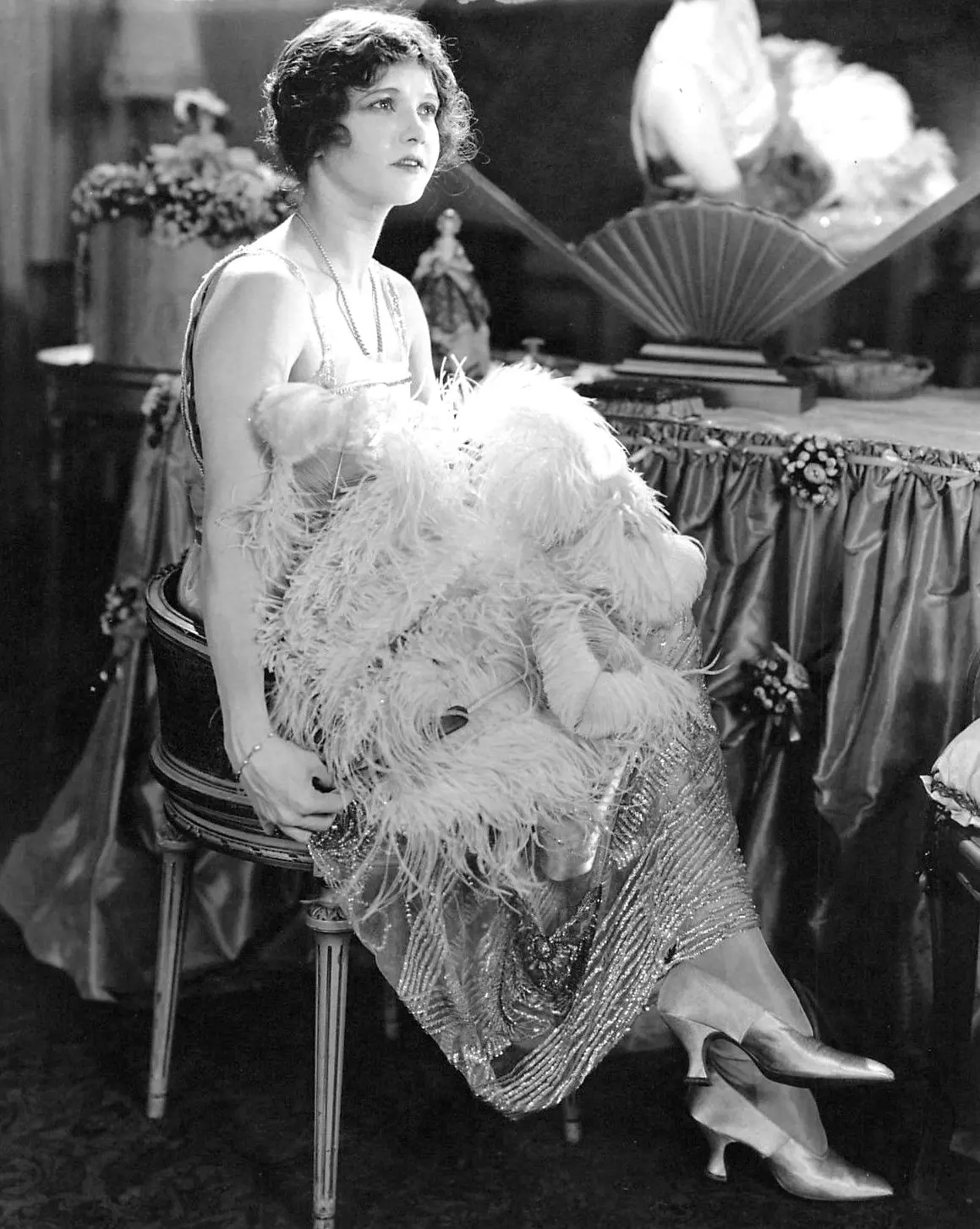
The Genesis of the Gender Outlaw and the Social Misfit
One of the most striking elements of early cult-adjacent cinema is its willingness to play with identity. In The Mountain Woman, we find a protagonist, Alexander McGivens, raised as a boy in the Kentucky hills. Known as 'the girl in pants', this character serves as a primal precursor to the gender-fluid icons of later underground cinema. The film explores the tension between inherited identity and social expectation, a theme that remains a cornerstone of cult devotion. This subversion of the traditional heroine is echoed in Body and Soul (1920), where a blow to the head transforms a diligent art student into a woman of 'questionable morals'. These early explorations of the fractured psyche and the performance of gender provided a blueprint for the transgressive narratives that would eventually find a home in the midnight slots of the future.
The Moral Labyrinth of the Early 20th Century
The silent era was not merely a time of slapstick and melodrama; it was a period of profound moral inquiry. Films like Jeanne Doré showcased the devastating effects of addiction and debt, featuring a profligate husband addicted to gambling. The desperation and the dark underbelly of high society portrayed here predate the noir aesthetic, offering a bleak, uncompromising look at the human condition. Similarly, Mod lyset (Towards the Light) takes the 'spoiled woman' trope and subverts it through a journey of criminal entanglement and eventual evangelism. These films didn't just entertain; they challenged the audience's comfort zone, a key trait of any work destined for cult status.
Mystery, Macabre, and the Architecture of Suspense
The cult obsession with mystery and the occult also finds its roots in these early reels. Luring Shadows, with its tale of a financier murdered in his library and a stolen necklace, utilized the shadows of the silent screen to create an atmosphere of dread that felt visceral and new. This was further refined in the massive collection of The Adventures of Sherlock Holmes shorts made between 1920 and 1923. These films transformed the analytical detective into a figure of cinematic obsession, creating a template for the 'fandom' culture we see today. The mystery wasn't just in the plot; it was in the visual language of the era—the high-contrast lighting and the expressive faces of actors who had to convey everything without a single spoken word.

The Uncanny Valley of Early Animation and Absurdism
Before the polished worlds of modern CGI, animation was a place of surreal, often unsettling experimentation. The Four Musicians of Bremen and Perpetual Motion are prime examples of early absurdist cinema. In Perpetual Motion, an eccentric inventor and an 'Inkwell Clown' engage with a magnet in a sequence that feels like a fever dream. This kind of visual anarchy is exactly what draws modern audiences to 'weird' cinema. There is a primal quality to these hand-drawn or stop-motion sequences that taps into the subconscious, creating a lasting impression that transcends traditional storytelling logic.
Global Rebellion and the Cinematic Document
Cult cinema is often inherently political, and the silent era was no exception. Arsena Jorjiashvili captures the revolutionary uprising of Georgian laborers in 1905, blending action and adventure with a potent social message. This film, alongside newsreels like The Brain of Soviet Russia, shows how cinema was used to document—and sometimes mythologize—the shifting tides of global power. For the modern cult enthusiast, these films are more than historical artifacts; they are windows into the radical spirit that birthed independent cinema. They represent a time when the camera was a weapon of change, a tool for the disenfranchised to reclaim their narrative.
The Fringe of the Fringe: Oddities and Anomalies
Every cult canon needs its anomalies—the films that defy classification. Dr. Wise on Influenza is a fascinating example of a dramatized public information film commissioned during the Great Influenza of 1918-19. Its blend of medical advice and narrative drama creates a surreal viewing experience that feels strangely contemporary in our post-pandemic world. Then there are the niche cultural gems like Arshin mal-alan, set in turn-of-the-century Baku. These films offer a glimpse into worlds that were rarely seen on Western screens, providing the exoticism and specificity that cult collectors crave. Whether it's the 'mail-order bride' narrative of In the River or the quirky village comedy of Youth's Desire, these films prove that the fringe was always a diverse and vibrant space.
The Lasting Legacy of the Silent Misfits
Why do we return to these flickering, grainy images? It is because they represent a purity of vision that is often lost in the commercialized landscape of modern Hollywood. In films like Poor Little Peppina, where a girl is kidnapped by the Mafia and raised in Italy, or The Thief, which explores the desperation of poverty and social climbing, we see the raw building blocks of genre cinema. These weren't just movies; they were experiments in empathy, fear, and wonder. They taught us how to look at the world differently—to find beauty in the 'girl in pants', the 'bumbling sawmill employee' in The Sawmill, or the 'secret service man' in The Holdup Man.
The Architecture of Obsession
Ultimately, cult cinema is about the community that forms around it. The early 20th-century audience who gathered to watch The Adventures of Sherlock Holmes or the latest comedy short like Pals were the first members of a global congregation of film lovers. They were the ones who recognized that a film doesn't have to be 'perfect' to be powerful. A film like Empty Arms, dealing with the primal fear of childbirth, might have been dismissed by critics of the time, but its resonance with the audience's lived experience is what gives it a lasting, cult-like power. This is the essence of the midnight mindset: the ability to see the soul within the shadow, the art within the anomaly.
Conclusion: The Eternal Flame of the Fringe
As we look toward the future of cinema, it is essential to remember these early pioneers. From the rugged landscapes of The Golden Snare to the urban tensions of Prudence on Broadway, the silent era was a laboratory for every theme that modern cult cinema holds dear. Rebellion, identity, social critique, and visual experimentation were all there, waiting to be discovered by a new generation of seekers. The primal pulse of the paranormal and the subversive is still beating; it’s just hidden in the archives, waiting for the next midnight screening to bring it back to life. These films are the ancestors of our modern obsessions, the original renegades who proved that the most interesting stories are always found on the edge of the frame.
Community
Comments
Log in to comment.
Loading comments…