
Cult Cinema
The Primal Silhouette: Unmasking the Silent Rebellion and Transgressive Roots of Cult Cinema’s First Century
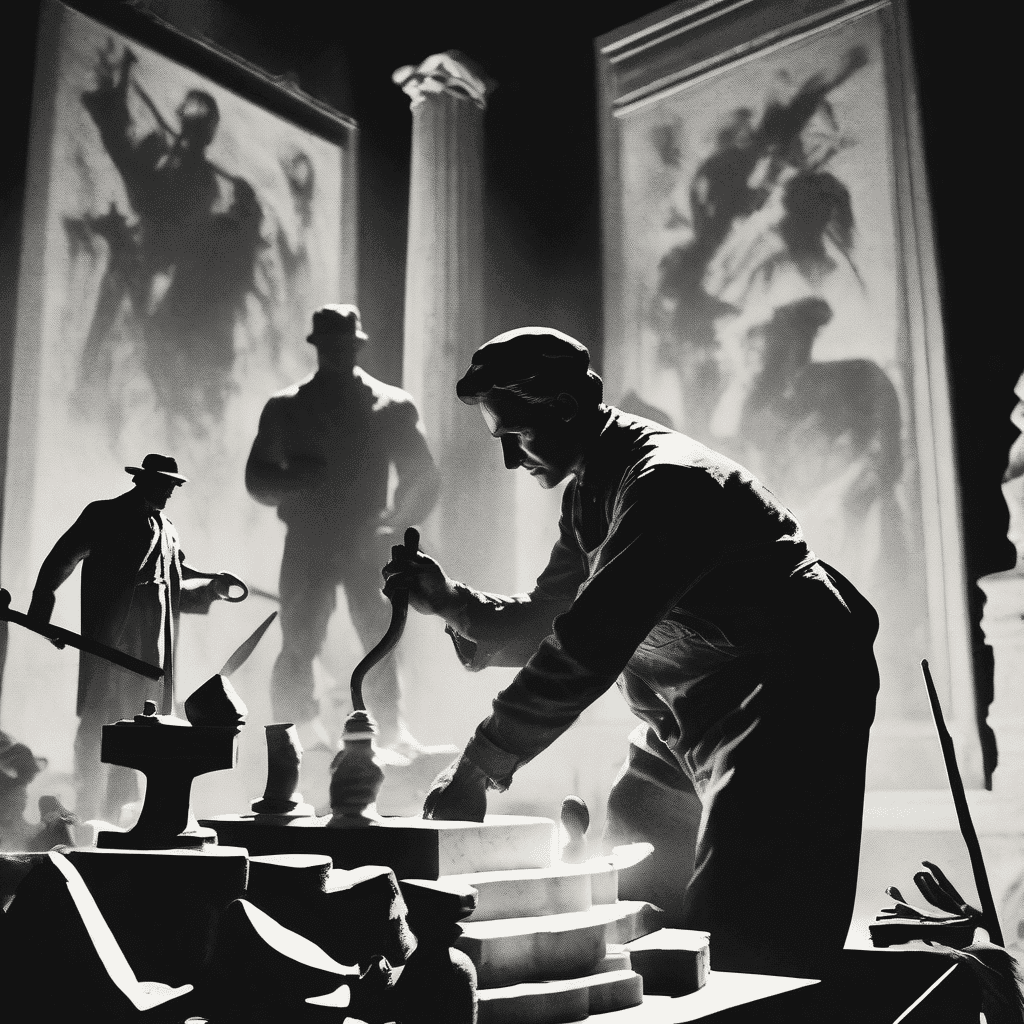
“Explore the foundational DNA of cult cinema through the forgotten rebels of the silent era, from transgressive moralists to the obsessive seekers of the perfect form.”
The genesis of cult cinema is often mistakenly tethered to the neon-soaked midnight screenings of the 1970s. However, the true genetic markers of the cult aesthetic—the obsession with the fringe, the celebration of the transgressive, and the elevation of the cinematic 'other'—were forged in the flickering shadows of the 1910s and 20s. Long before the term 'cult movie' was coined, a wave of silent-era mavericks was already dismantling narrative conventions and challenging the moral equilibrium of a burgeoning industry. These films, ranging from gritty boxing spectacles like the Jeffries-Johnson World's Championship Boxing Contest to the ethereal, haunting explorations of After Death, established a blueprint for niche devotion that remains the lifeblood of the underground today.
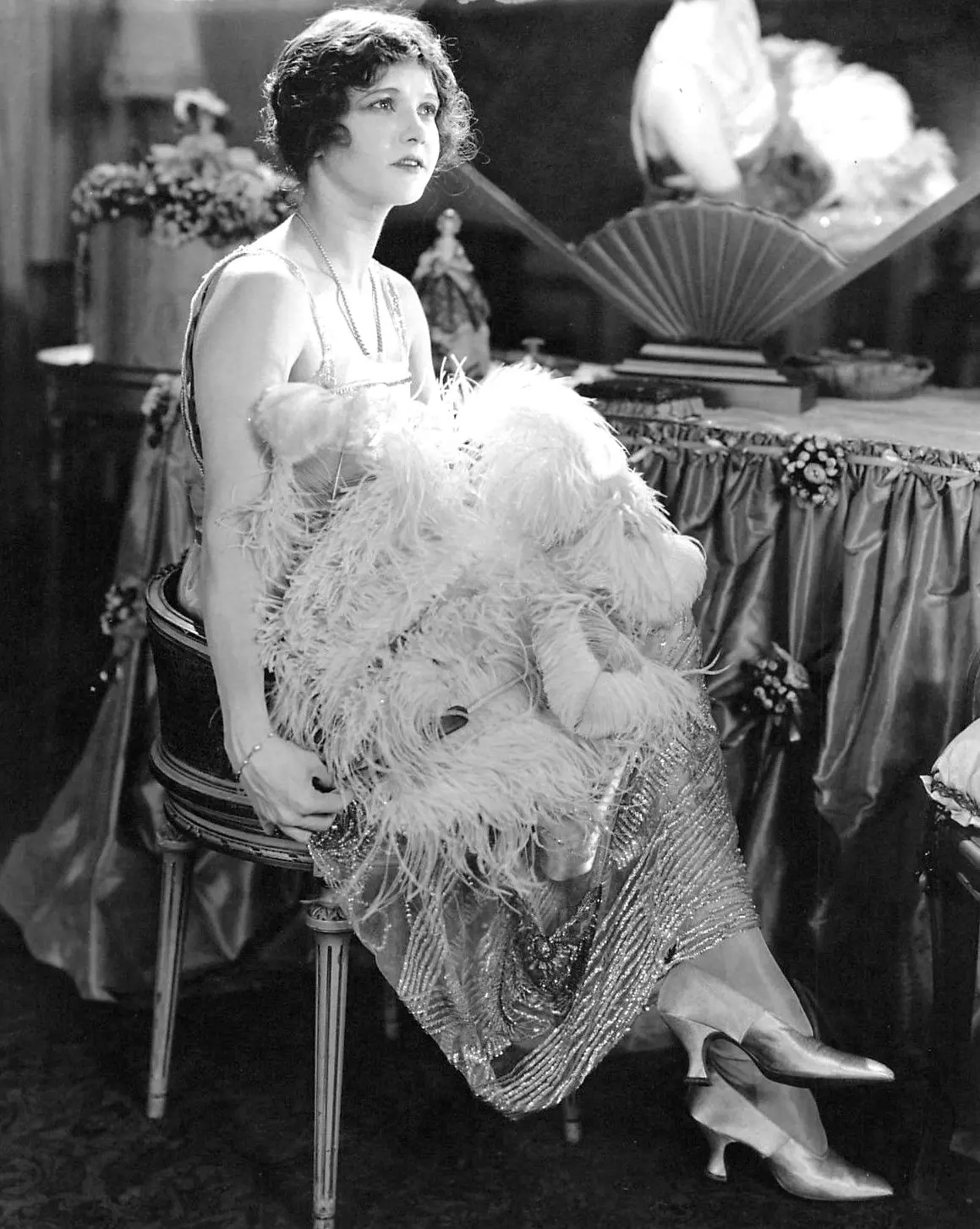
The Anatomy of Obsession: The Perfectionist and the Ghost
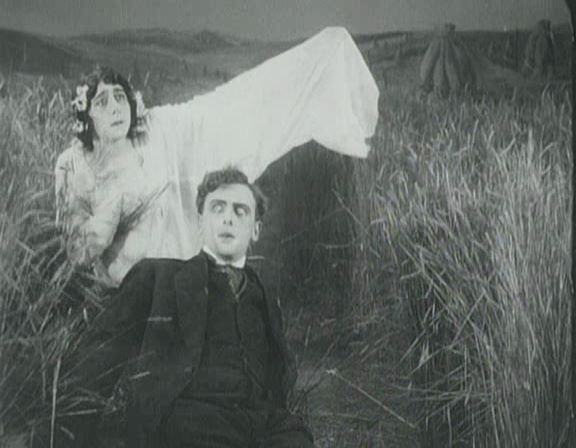
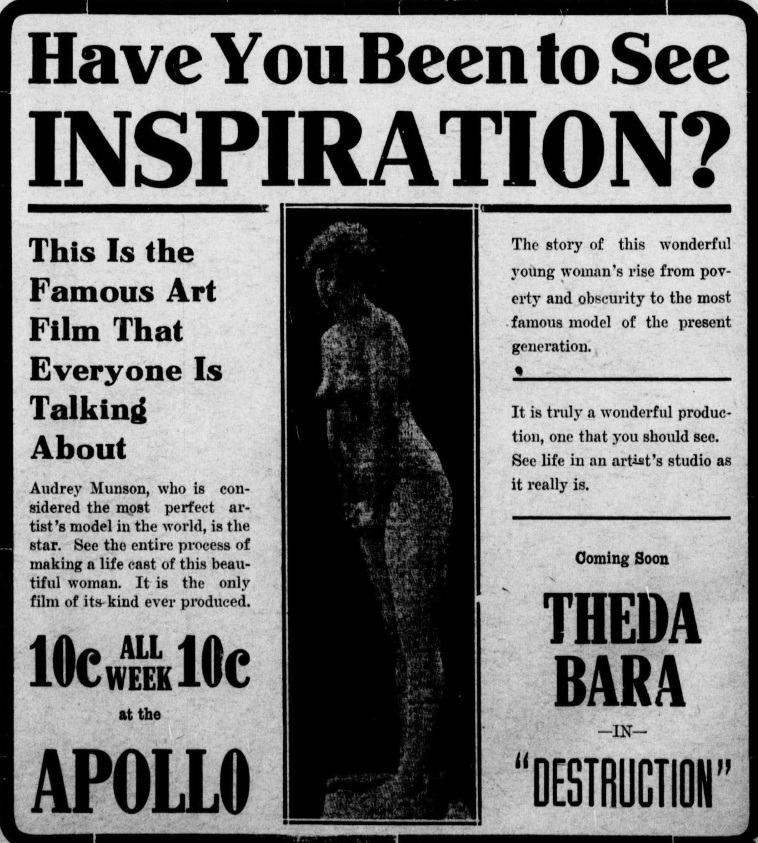
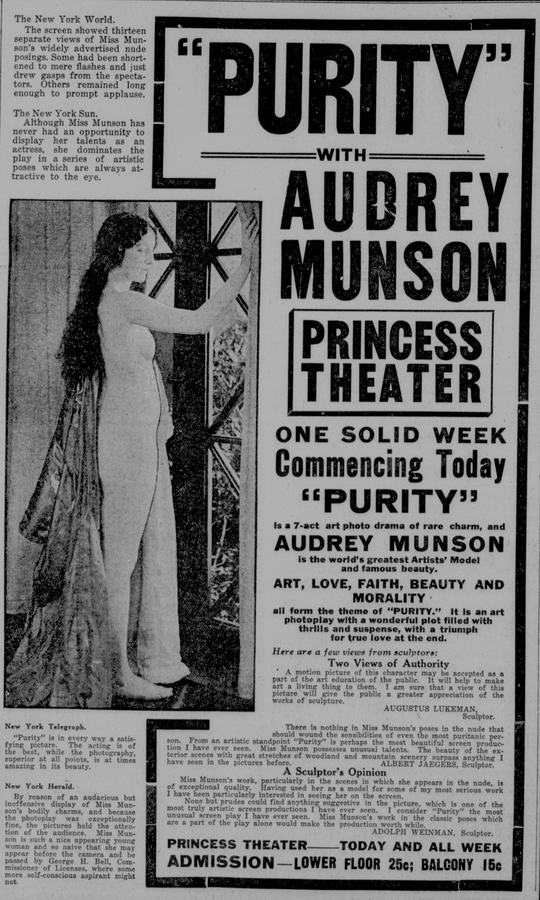
At the heart of any cult obsession lies a singular, often destructive focus. In the 1915 film Inspiration, we witness the primal drive of a sculptor searching for the 'perfect model.' This quest for an unattainable ideal mirrors the very nature of cult fandom: the search for a hidden truth or a visual purity that exists outside the mainstream. This theme of obsession takes a darker, more metaphysical turn in the 1915 Russian masterpiece After Death. Andrei’s secluded life, dominated by the memory of his deceased mother, is a precursor to the psychological depth and Gothic atmosphere that would later define cult horror. These early works didn't just tell stories; they built worlds around the singular fixations of their protagonists, inviting the audience to share in their isolation and their ecstasy.

Cult cinema thrives on the 'liminal space'—the threshold between the living and the dead, the real and the imagined. Earthbound (1920) serves as a cornerstone for this tradition. By centering its narrative on a character who lives by the creed 'No God,' it introduced a level of philosophical subversion that was radical for its time. The ghost of Jim Rittenshaw, tethered to the mortal plane, acts as a visual metaphor for the cult film itself: a spectral entity that refuses to fade away, haunting the edges of the cultural consciousness long after its initial release.
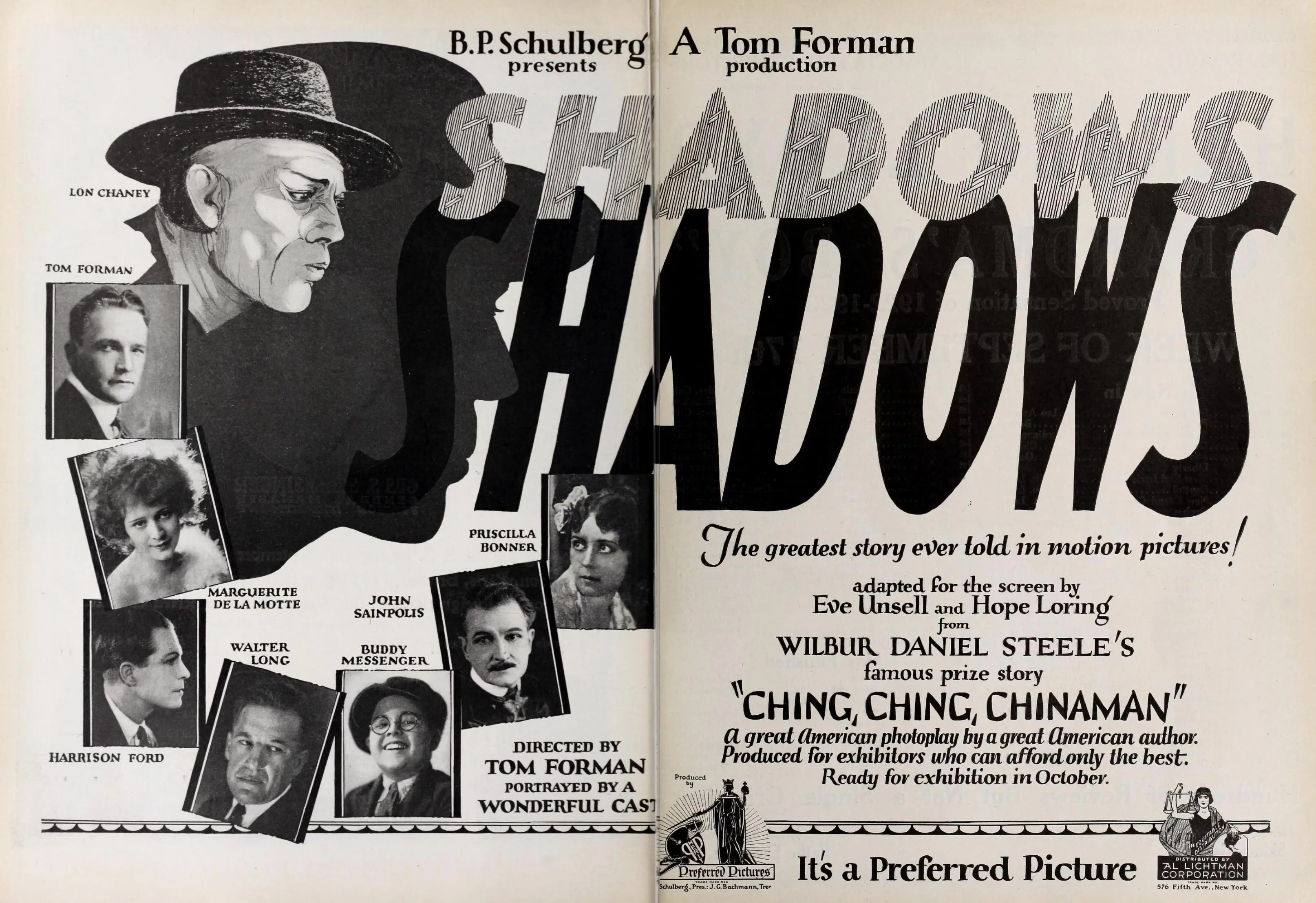
Social Anarchy and the Labor of Dissent
Cult cinema has always been a refuge for the politically disenfranchised and the socially rebellious. The early 20th century was a period of intense labor unrest, a reality captured with startling clarity in The Undercurrent (1919) and The Strangers' Banquet (1922). In The Undercurrent, a returning soldier finds his job taken, leading him into the clutches of radical agitators. This exploration of the 'undercurrent' of societal frustration is a recurring motif in cult history, where the protagonist is often an outsider fighting against a corrupt or indifferent system. Similarly, The Strangers' Banquet pits the elite against the anarchist labor agitator, creating a narrative tension that celebrates the maverick spirit of the worker.
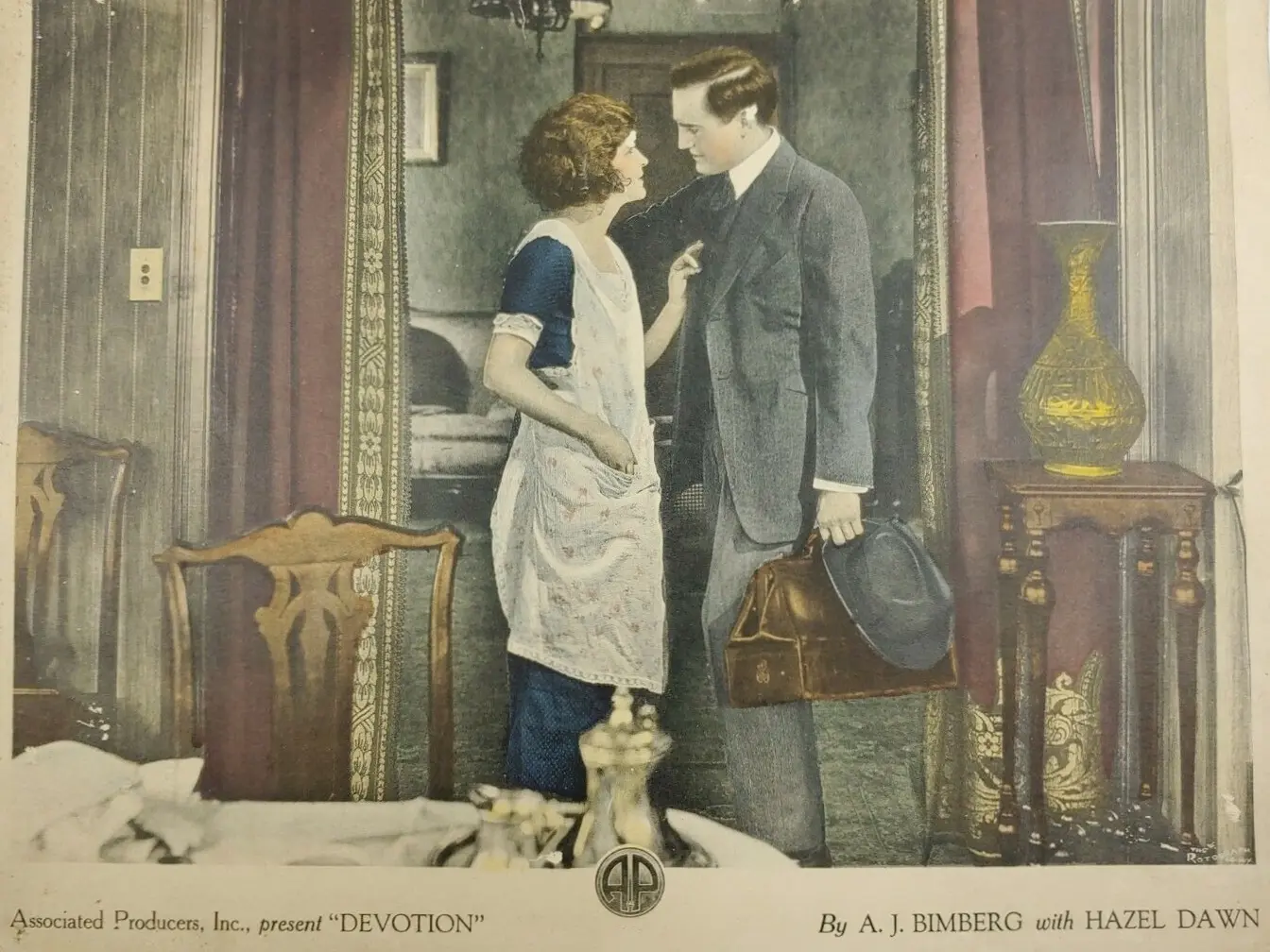
These films weren't merely social dramas; they were the first instances of cinema acting as a mirror for the counter-culture. When we look at the corrupt boss of Powderville in The Grand Passion (1918), we see the archetype of the charismatic villain—a figure whose magnetic deviance often attracts more fan devotion than the traditional hero. Cult cinema feeds on these moral complexities, preferring the rough-hewn ways of a A Child of God over the polished artifice of the high-society dramas. The rejection of Jim McPherson by the schoolteacher Frances Angel highlights the class-based friction that would eventually evolve into the 'us vs. them' mentality of modern genre fandom.
The Spectacle of the Real: From the Ring to the Gutter
The cult of the 'real'—the desire for unvarnished, gritty, and even violent spectacle—finds its roots in the Jeffries-Johnson World's Championship Boxing Contest (1910). Billed as the 'Fight of the Century,' this 15-round beatdown wasn't just a sporting event; it was a cultural flashpoint. The raw, unedited intensity of the footage provided a visceral experience that scripted melodramas could not replicate. This thirst for the 'forbidden' or the 'extreme' spectacle is what drives audiences to seek out banned films, snuff-adjacent horror, and the transgressive 'mondo' documentaries of later decades. The Jeffries-Johnson film proved that there was a massive, dedicated audience for the unfiltered reality of the human condition.
This grittiness extended into the domestic sphere with films like The Ordeal (1914). By tackling the harsh realities of alcoholism and the transactional nature of marriage, it stripped away the romanticized veneer of the era. Sybil’s marriage to an alcoholic 20 years her senior to provide for her family is a narrative of survival that resonates with the nihilistic undertones often found in cult noir. These films weren't afraid to get their hands dirty, exploring the 'taint' of human nature, as seen in The Taint (1914), where biological and moral corruption are intertwined.
The Physicality of Failure: The Aesthetic of the 'Jinx'
While many films of the silent era sought to portray grace and heroism, a significant sub-sect of cult cinema found beauty in the breakdown. Buster Keaton’s The Boat (1921) is a masterclass in the 'disaster aesthetic.' As his homemade boat suffers one calamity after another, the comedy arises from the relentless failure of the physical world. This celebration of the unlucky and the inept is a foundational element of the cult psyche. We see it again in Jinx (1919), where the 'Jinx' girl of the circus troupe creates such chaos that she must flee the town. Cult audiences have a long history of embracing the 'misfit'—the character who, by their very existence, disrupts the status quo.
This fascination with the 'irregular' also manifests in the way these early films played with identity. In The Face in the Moonlight (1915), the doubling of characters and the tension between the aristocrat and the peasant girl Jeanne Mailloche suggest a fluid, often treacherous sense of self. The cult film often serves as a space where identity can be deconstructed and rebuilt, much like the young architect in Livets Gøglespil who must flee his life to marry for love. These narratives of escape and transformation are central to the fandom experience, providing a blueprint for those who feel out of place in their own lives.
The Religious and the Profane: Cinematic Rituals
The term 'cult' itself implies a religious or ritualistic devotion. Early cinema often leaned into this, either through literal religious themes or through the creation of its own secular icons. L'enfant prodigue (1916) brought the biblical parable to the screen, but it was the way audiences responded to these archetypal stories that began to mirror religious fervor. Even more secular works like Mistress Nell (1915), starring Mary Pickford as Nell Gwynne, created a type of celebrity worship that bordered on the divine. Pickford, as the 'lady of the suds' or the 'king's lover,' became a transcendent figure, an icon that audiences would follow across various roles and genres.
This ritualistic aspect is also evident in the way films like Old Brandis' Eyes (1917) explore the supernatural. The gift of seeing into the hearts of others is a classic cult trope—the 'secret knowledge' that separates the enlightened from the masses. Cult cinema often positions itself as a gnostic experience, offering the viewer a perspective that is hidden from the general public. Whether it’s the secret map in Captain Kidd, Jr. or the 'chosen path' in The Chosen Path (1918), the idea of a hidden journey or a forbidden truth is a powerful draw for the niche observer.
Conclusion: The Enduring Shadow of the Silent Outlaw
The 50 films discussed here—from the comedic mishaps of Buggins and Doggone Torchy to the high-stakes drama of Dangerous Waters—represent a period of profound experimentation. They were the first to understand that cinema could be more than just a mass-market entertainment; it could be a vessel for the strange, the subversive, and the specific. The 'Almighty Dollar' may have driven the industry, as satirized in The Almighty Dollar (1916), but it was the 'undercurrent' of rebel spirit that ensured certain films would survive their initial failure to become legends.
Modern cult cinema is a direct descendant of these silent-era orphans. When we watch a contemporary midnight movie, we are seeing the echoes of As the Sun Went Down’s female gunfighter or the 'Wolf Man's' junior partner in The Wolf Man (1915). We are participating in a tradition of niche worship that began when the first audience member decided that the 'misfit' on the screen was more interesting than the hero in the spotlight. By unearthing these primal silhouettes, we don't just learn about film history; we discover the very soul of the cinematic rebellion that continues to define the cult experience today.
As we look back at the Street of Seven Stars or the City of Failing Light, we realize that the 'cult' was never about the decade or the technology. It was always about the unconventional rhythm of the story and the maverick heart of the filmmaker. The silent era’s forgotten outcasts weren't just making movies; they were engineering the modern cult psyche, one frame of beautiful, transgressive anarchy at a time.
Community
Comments
Log in to comment.
Loading comments…