
Cult Cinema, Deep Dive
Reel Rebellion: How Cult Cinema Redefines the Mainstream and Forges Enduring Fandoms

“Cult cinema defies easy categorization, carving out a unique space where unconventional narratives, transgressive themes, and idiosyncratic visions find a devoted following, ultimately reshaping the broader cinematic landscape. This article explores the enduring allure and transformative power of th…”
In the vast, ever-expanding universe of film, there exists a vibrant, often shadowy realm known as cult cinema. These are not merely movies; they are experiences, rituals, and sometimes, even religions for their devoted adherents. Far from the polished, predictable fare of multiplexes, cult films thrive on the periphery, challenging norms, twisting genres, and etching themselves into the collective consciousness of those brave enough to seek them out. They are the cinematic rebels, the fringe films that refuse to be forgotten, transforming initial obscurity into enduring adoration. But what exactly grants a film this coveted, almost mythical status? And how did this phenomenon, characterized by unconventional narratives and subversive themes, truly begin?
The Genesis of the Unconventional: Early Cinema's Maverick Spirit
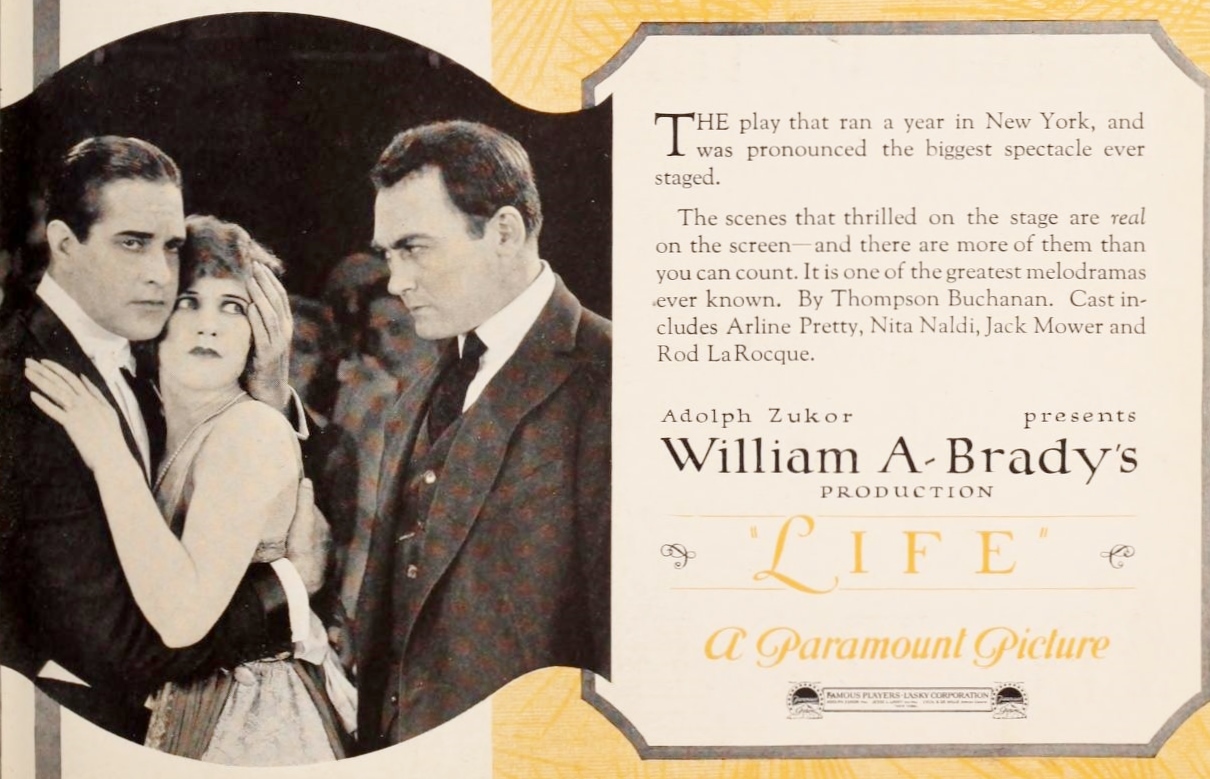
The seeds of cult cinema were sown long before the term itself entered the lexicon. Even in the nascent days of filmmaking, when the medium was still finding its voice, there existed a palpable maverick spirit. While many early productions aimed for broad, family-friendly appeal, others, by their very nature, ventured into narrative territories that, for their time, were daring, morally ambiguous, or simply peculiar. These were not yet the midnight movies of later decades, but they were, nonetheless, cinematic outliers.

Consider the thematic audacity present in early film descriptions. A story like The Tiger Woman, where a protagonist reviews a life of 'almost unmitigated evil,' speaks to a fascination with transgression and complex morality that would later define many cult classics. Such an unflinching portrayal of wickedness, however melodramatic, offered a stark contrast to prevailing wholesome narratives, potentially resonating with a segment of the audience seeking something beyond the conventional moral compass. Similarly, films grappling with weighty societal issues, like Die Geächteten, which explored the dangerous power of rumor and prejudice leading to attacks, tapped into a primal human anxiety about the 'other' and the fragility of social order. These were narratives that, perhaps inadvertently, cultivated a taste for stories that pushed against comfortable boundaries, foreshadowing the subversive film movement.
The silent era also bore witness to countless experiments in form and content. Short comedies like Modeling, with its whimsical animation and escapee clown, or the slapstick chaos of Buggins and Bow Wow, embraced the fantastical and the absurd. These playful subversions of realism, though seemingly innocuous, represented a departure from strict narrative convention, laying a groundwork for the surrealism and genre-bending that would become hallmarks of beloved cult films. Even straightforward dramas like Desert Blossoms or Love's Redemption, with their raw emotionality and tales of false accusations and societal struggle, offered a depth that could foster a deep, personal connection with viewers, an emotional precursor to dedicated fandoms.

Narrative Daring in an Untamed Medium
The early 20th century was a period of vast experimentation, where filmmakers were still discovering the language of cinema. This nascent stage allowed for a certain freedom, a wildness that could lead to unexpected narrative choices. Films like The Reward of the Faithless, featuring an adventurer navigating high society with his looks and charm, or Madame Sphinx, where a woman takes justice into her own hands after police fail, present characters who operate outside conventional morality or societal expectations. These were not necessarily intended as counter-culture touchstones, but their very existence demonstrated a willingness to explore complex human motivations and societal frustrations.
The portrayal of strong, independent, or even morally ambiguous female characters, as seen in films like Battling Jane, where a rootless young lady adopts an abandoned child against great odds, or The Woman Suffers, exploring themes of seduction and societal judgment, hinted at a defiance of patriarchal norms that would be amplified in later cult movements. These early cinematic ventures, often overlooked in mainstream film history, collectively formed a proto-cult DNA, demonstrating that audiences, even then, were receptive to stories that challenged, intrigued, and occasionally unsettled them.

The Midnight Movie Phenomenon: Forging a Collective Identity
The true blossoming of cult cinema as a recognized phenomenon can largely be traced to the midnight movie circuit of the 1970s. This era transformed the act of movie-watching into a communal, almost sacred ritual. Films like The Rocky Horror Picture Show, Eraserhead, and Pink Flamingos found their fervent audiences in late-night screenings, often in dilapidated theaters, where viewers were not merely spectators but active participants. This was where niche audiences congregated, finding solace and identity in shared experiences that were alienating or incomprehensible to the mainstream.
These screenings fostered an atmosphere of liberation and acceptance, a sanctuary for those who felt disenfranchised by conventional society. The films themselves were often grotesque, bizarre, transgressive, or deeply philosophical, offering alternative perspectives on reality, sexuality, and social order. The communal aspect, the dressing up, the call-and-response, the repeat viewings—all contributed to the formation of enduring fandoms, creating a bond between film and audience that transcended mere entertainment. It wasn't just about watching a movie; it was about belonging.
Characteristics of the Cult Canon
What elevates a film to cult status? It’s rarely about box office success or critical acclaim upon initial release. In fact, many cult classics were commercial failures or critically panned, only to be rediscovered and re-evaluated years later. Key characteristics include:
Transgression and Taboo: Cult films frequently push boundaries, exploring themes deemed controversial, shocking, or inappropriate by mainstream standards. Whether it's the explicit content of a John Waters film or the psychological intensity of a David Lynch creation, these films revel in challenging societal comfort zones.

Genre Bending and Subversion: Many cult films refuse to be neatly categorized. They might blend horror with comedy, sci-fi with melodrama, or drama with surrealism, creating unique cinematic hybrids. This genre-bending defies expectations and often results in a distinct, memorable aesthetic.
Auteurial Vision: A strong, often idiosyncratic directorial voice is common. Filmmakers like Lynch, Waters, Alejandro Jodorowsky (El Topo), or Ridley Scott (whose Blade Runner initially struggled before becoming a cult phenomenon) imbue their work with a singular artistic fingerprint that makes their films instantly recognizable and endlessly debatable.
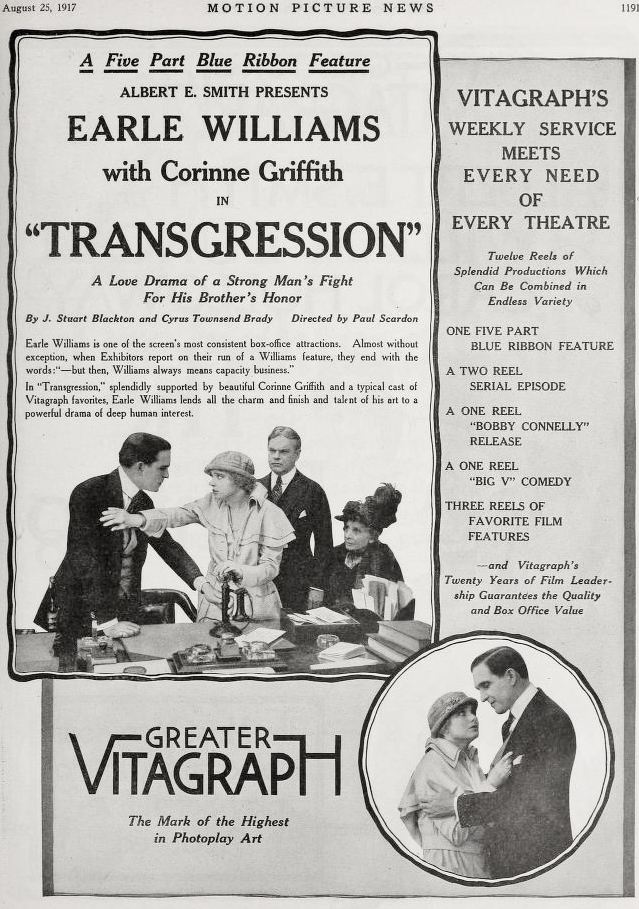
Initial Failure, Later Appreciation: The journey from commercial flop to cult icon is well-trodden. Films like Blade Runner or Fight Club, which were either misunderstood or underperformed upon release, found their true audience in subsequent years, proving that some artistic visions are simply ahead of their time.
Audience Participation and Ritual: Beyond The Rocky Horror Picture Show, many cult films inspire interactive viewing experiences, fan theories, fan art, and conventions. This active engagement transforms passive consumption into a vibrant, living culture.

The Digital Age: A Cult Renaissance
The advent of the internet and streaming services has ushered in a new era for cult cinema. No longer confined to late-night screenings or obscure video rental shelves, these films are now more accessible than ever. Streaming platforms act as vast digital archives, allowing new generations to discover forgotten gems and previously inaccessible foreign films. Online communities, forums, and social media groups provide virtual spaces for dedicated fandoms to connect, discuss, dissect, and celebrate their beloved cinematic oddities.
This accessibility has led to a cult renaissance, expanding the canon and bringing new attention to films that might otherwise have faded into obscurity. The global reach of the internet means that a niche film from one corner of the world can find a passionate audience across continents. This democratization of discovery reinforces the idea that true cinematic value isn't always immediately apparent or universally accepted; sometimes, it requires time, a specific mindset, and a dedicated community to truly shine.
From Marginalized to Mainstream Influence
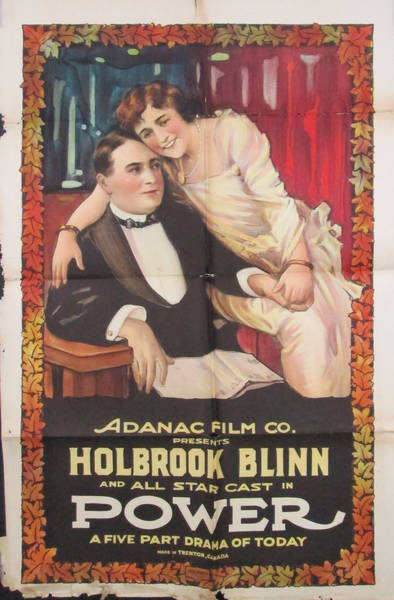
The influence of cult cinema extends far beyond its dedicated followers. Its unconventional storytelling techniques, aesthetic innovations, and willingness to tackle difficult subjects have permeated the mainstream. Many contemporary filmmakers and artists draw inspiration from the daring and boundary-pushing nature of cult films. What was once considered transgressive or niche often becomes a precursor for future trends, slowly but surely redefining what is acceptable or innovative in popular cinema.
The bold narratives seen in early films that explored themes of societal condemnation (like A Zuni Kicking Race or Die Geächteten, which hinted at the dark undercurrents of human prejudice), or the intense personal quests for justice and identity (as in The Last of the Duanes or Madame Sphinx), have evolved into the complex anti-heroes and morally ambiguous protagonists that populate modern blockbusters and prestige television. The willingness to embrace the absurd, the grotesque, or the deeply psychological, evident even in the simple comedies or melodramas of cinema's formative years, paved the way for the rich tapestry of genres and styles we see today.

The Enduring Allure: Why We Worship the Outcast
At its core, the enduring power of cult cinema lies in its ability to connect with audiences on a deeply personal level. These films often speak to feelings of alienation, rebellion, and the search for identity. They validate experiences that are often ignored or suppressed by mainstream culture, offering a mirror for those who feel outside the norm. The narratives, however fantastical or bizarre, frequently tap into universal human anxieties, desires, and dreams, but through a lens that is fresh, challenging, and often profoundly liberating.
For many, cult films offer a form of escapism, a portal to worlds where the rules are different, where the marginalized are celebrated, and where artistic expression knows no bounds. They encourage active interpretation, inviting viewers to delve into their symbolism, debate their meanings, and even construct their own elaborate fan theories. This intellectual and emotional engagement creates a profound bond, transforming casual viewers into passionate devotees.

The cinematic rebellion embodied by cult films also represents a rejection of corporate-driven, focus-grouped entertainment. They are often products of passionate, independent visions, unburdened by the need to appeal to the lowest common denominator. This authenticity, however raw or unpolished, is magnetic. It speaks to a desire for art that is challenging, thought-provoking, and unapologetically itself, echoing the spirit of early filmmakers who were exploring the medium with unbridled creativity, much like those behind productions such as Lao gong zhi ai qing or A Scream in Society, which, in their own ways, sought to entertain and connect in unconventional formats.
The Transformative Power of Shared Obsession
Ultimately, cult cinema is about community. It’s about finding your tribe, those who understand the obscure references, appreciate the audacious choices, and share the profound emotional resonance of a particular film. This shared obsession transcends geographical boundaries and demographic differences, forging connections between individuals who might otherwise never meet. From the fervent discussions in online forums to the boisterous energy of live screenings, the communal aspect is vital to the cult experience. It’s a testament to the power of art to unite, to create spaces of belonging, and to celebrate the diverse spectrum of human taste and sensibility.
The films themselves, from the intense dramas of early cinema that explored personal struggles (like Your Best Friend or Ashes of Hope) to the avant-garde masterpieces of the modern era, serve as catalysts for these communities. They are not just stories; they are shared languages, cultural touchstones, and rallying points for collective identity. Their ability to provoke, inspire, and unite is their lasting legacy, a testament to the enduring human need for narratives that speak to the soul, however strange or unconventional they may seem.
Conclusion: The Ever-Evolving Heart of Cinematic Rebellion
Cult cinema, born from the early experiments and narrative daring of filmmaking's infancy and nurtured in the midnight hours of rebellious youth, continues to be a vital, dynamic force in the cinematic landscape. It is a testament to the idea that art is not always about immediate gratification or universal appeal, but often about profound, niche connection. These cinematic outcasts, once dismissed, now stand as pillars of an alternative canon, their influence undeniable and their allure undiminished.
As long as there are filmmakers willing to challenge, provoke, and innovate, and audiences hungry for stories that defy expectation and resonate on a deeper, often subversive level, cult cinema will continue its unconventional journey. It reminds us that the true power of film lies not just in its ability to entertain, but in its capacity to transform, to unite, and to continually redefine the boundaries of what is possible on screen. The rebellion continues, one devoted fan, one midnight screening, one rediscovered masterpiece at a time.
Community
Comments
Log in to comment.
Loading comments…